REVIEW · MONTREAL
Montreal: Ecomuseum Zoo Entry Ticket
Book on GetYourGuide →Operated by Zoo Ecomuseum · Bookable on GetYourGuide
Quebec wildlife has a way of feeling personal. This Montreal-area Ecomuseum Zoo ticket takes you about 30 minutes from downtown to see animals from Quebec, living in spaces built to match their natural environments. I like that the zoo focuses on animal stories—rescued, rehabilitated, and even animals born under professional care—and I also like the CAZA-AZAC-accredited approach to animal well-being. One thing to keep in mind: on colder, icy days, some animals may be less active, and walking conditions can make it easier to miss the action.
If you want a calm family outing that doesn’t require a tight schedule, this works well. You can arrive at any time during your ticket day and stay as long as you need, with an average visit of about 1.5 hours to see everything at an easy pace. The main drawback is that some species may be resting or quieter depending on season, and you might not see constant movement from every enclosure.
In This Review
- Key things to know before you go
- A quick Montreal escape for Quebec-only wildlife
- What makes Ecomuseum Zoo feel different
- Your 1.5-hour self-guided route: how to see the most
- Mammals, birds, reptiles, amphibians, and fish: what you’ll watch for
- Animal stories and welfare: orphaned, rehabilitated, and human-raised
- Birds and enclosure feel: what to watch out for
- Price, parking, and value for families
- Weather and walking comfort: when winter changes the day
- Rules that actually help the experience
- Who this experience suits best
- Should you book the Montreal Ecomuseum Zoo ticket?
- FAQ
- How long does the Ecomuseum Zoo visit usually take?
- Can I arrive at any time during my ticket day?
- What animals can I expect to see?
- Is parking included?
- Are pets allowed?
- Is wheelchair access available?
Key things to know before you go
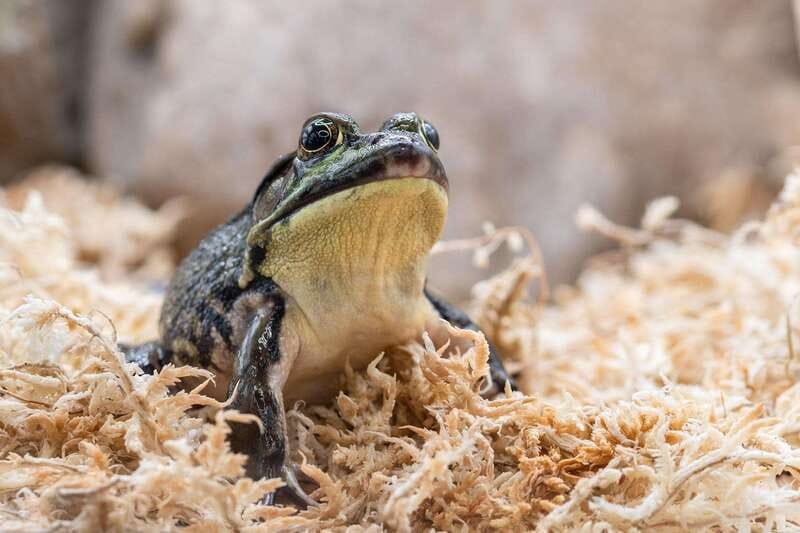
- Quebec-only animals: species are exclusively from the province and live within their natural climate.
- Faithful habitat replicas: each living space is designed to reflect the animal’s natural environment.
- Real animal backstories: many residents are orphaned, rehabilitated, or born under human care.
- Accredited animal care: the zoo is accredited by CAZA-AZAC, which supports care and education standards.
- Free parking: it’s built for an easy car day out from Montreal.
- Flexible timing: your ticket covers a single day, and you can enter when it suits you.
A quick Montreal escape for Quebec-only wildlife
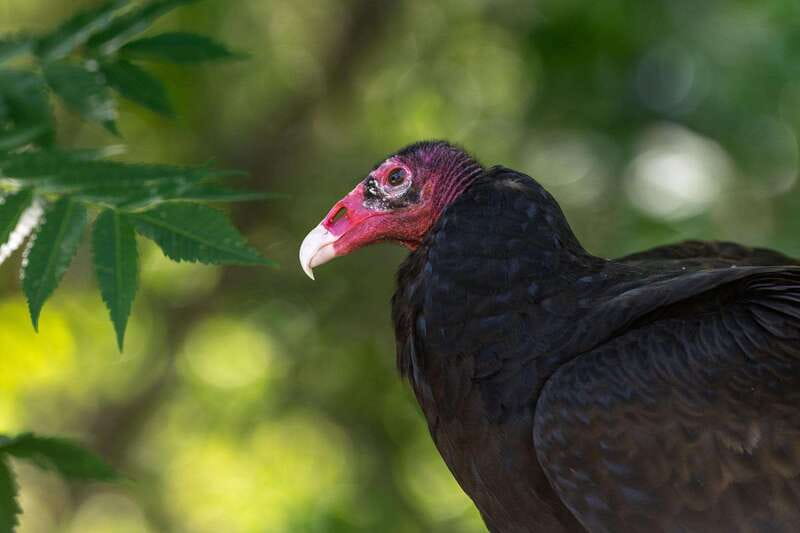
I like this kind of outing because it breaks up city time without turning into a long trip. From central Montreal, it’s only about 30 minutes to reach Ecomuseum Zoo in Quebec, and the whole point is to swap sidewalks for fresh outdoor air and wildlife-focused viewing.
The biggest difference versus a typical zoo visit is that you’re not chasing exotic animals from far away. Here, you’re seeing species that belong to Quebec’s ecosystems. That makes the visit feel grounded—like you’re learning your region’s wildlife, not consuming a generic lineup.
You can also read our reviews of more tours and experiences in Montreal.

What makes Ecomuseum Zoo feel different

Ecomuseum Zoo is a non-profit, and that mission shows in the way the experience is framed: environmental education, wildlife conservation, and animal well-being. It’s also CAZA-AZAC-accredited, which matters because it signals that animal care, management, education, research, and conservation efforts follow Canada’s accreditation standards.
Then there’s the living-space concept. The exhibits aim to be faithful replications of each animal’s natural environment, not just a holding space with a fence. That design choice changes what you notice. Instead of only looking for feeding times or tricks, you can watch how animals behave when their environment is closer to what they’re adapted for.
Your 1.5-hour self-guided route: how to see the most

This is an entry ticket experience, so there isn’t a strict guided itinerary you have to match. The sweet spot is to plan on about 1.5 hours on average to see all animals, with time to slow down and observe behavior.
Here’s how I’d structure it so you don’t feel rushed:
- Start with the sections that interest you most (mammals and birds tend to be crowd favorites).
- Then circle back through the other groups—reptiles, amphibians, and fish—so you get the full mix.
- Build in pauses. The visit is more rewarding when you actually watch for patterns, like movement between areas or how an animal responds to light and sound.
One practical tip: wear comfortable shoes. The nature of the place means you’ll be walking outdoors, and that matters more than you might expect. In winter, the surface can be slick, so traction becomes part of “comfortable.”
Mammals, birds, reptiles, amphibians, and fish: what you’ll watch for
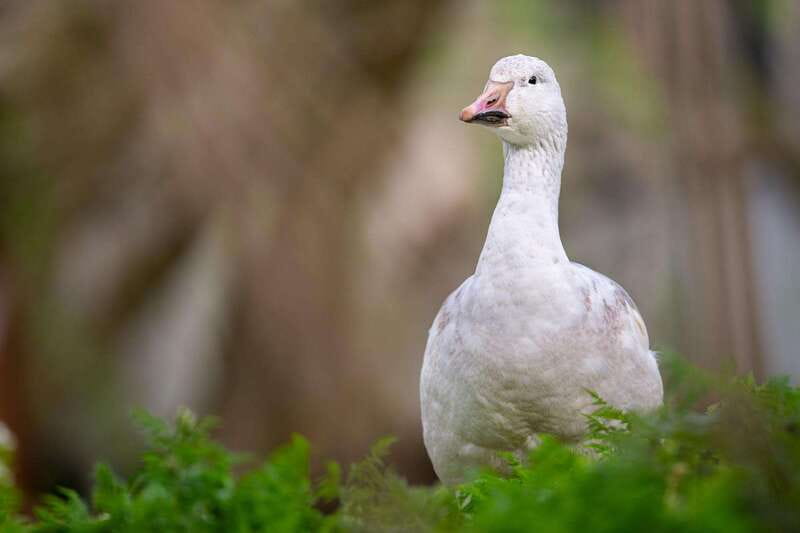
The highlights promise a variety of wildlife, including black bear, wolves, foxes, and eagles, plus more. What I like about that mix is how it covers different ways animals survive in Quebec—predators, scavengers, hunters, and species that depend on specific habitats.
As you move through the exhibits, you’re not just viewing animals in isolation. You’re also getting a sense of how different groups share the same region and climate pressures. That’s where the learning part kicks in: you start linking behavior to environment.
A few things to keep your expectations practical:
- Don’t assume every animal is active on demand. Some may be less visible when the weather turns cold or when they’re resting.
- Some birds may spend more time in calmer positions than you’d expect from a movie-style wildlife shot. If your goal is nonstop high-flying action, adjust your plan to patient viewing.
And yes, there are reptiles, amphibians, and fish. If you don’t usually seek those out, this is a good chance to notice how they behave when temperatures and habitat conditions are right for them.
Animal stories and welfare: orphaned, rehabilitated, and human-raised

One of the most meaningful parts of the visit is that each resident has a unique story. You’ll meet animals that were orphaned, rehabilitated, or born under professional human care. That background adds context to what you see. Instead of thinking only about the animal in front of you, you start imagining the path it took to get here.
The zoo’s approach also emphasizes well-being. Because the living spaces are designed to replicate natural environments, the goal is comfort and appropriate behavior—not forcing animals into a show.
This is also where you’ll understand why some enclosures can feel quiet. If an animal’s natural behavior includes resting, seasonal changes, or staying low-key, the experience will be more about observation than excitement. In other words: you’re visiting a wildlife care center first, a performance space second.
Birds and enclosure feel: what to watch out for
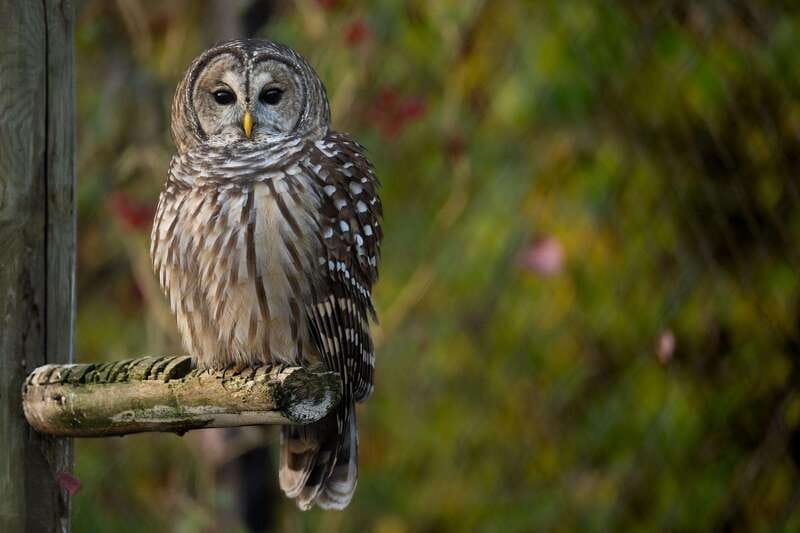
Not every review tone is purely celebratory, and I think that’s useful if you’re deciding whether this matches your expectations. One theme that comes up is that some birds can appear alone or in small group setups, and some enclosures for birds may not feel tall enough to create a lot of vertical flight.
If bird-watching is your top priority, go with a mindset of calm observation rather than assuming you’ll see constant wing-stretching. You might get great views, but it’s smarter to expect slower, quieter behavior.
Another seasonal reality: some exhibits may look emptier than you hoped if animals are resting. In winter conditions especially, animals can choose inactivity. That isn’t a failure of the experience—it’s nature plus climate, and the zoo’s whole idea is that animals live in their natural conditions.
Price, parking, and value for families
The ticket price is $16 per person and your visit covers one day. For me, the value question isn’t just price versus time—it’s price versus what’s included and what you’re paying for.
Included in your ticket:
- Entry to the Ecomuseum Zoo
- Access to viewing all wildlife exhibits
- Free parking
- Some days: game and educational presentations
Free parking is a real part of the value in this area. It removes one of the annoying costs and stress factors that can come with day trips from a city.
Time-wise, about 1.5 hours is typical for seeing all animals and having time to observe. If you have a family and you’re trying to avoid a long, exhausting outing, that duration is helpful. You can take a break, use the bathrooms, and still finish without the “we’re still here?” feeling.
One critical note from experience-focused feedback: if you pay and then the weather makes it hard to see animals, the cost can feel steep. That’s not about the zoo being unfair—it’s about choosing conditions that support visibility and comfortable walking.
Weather and walking comfort: when winter changes the day

This is an outdoor experience, so weather plays a bigger role than it does for indoor attractions. On icy days, the ground can be dangerously slippery, and that can limit how long you feel safe staying in one area. Even if the animals are present, a slower pace can mean you see less before animals settle deeper into rest.
Cold also affects animal activity. In winter months, some animals may be hibernating or simply less active and harder to spot. If you’re visiting during peak winter weather, plan for more patience and wear proper traction.
If you can choose your timing, aim for the day when you expect better walking conditions and visibility. This is where your “value per minute” usually improves.
Rules that actually help the experience

The site is strict about animal safety and respectful behavior. You can expect rules like:
- No pets
- No touching animals
- No smoking
- No alcohol and drugs
- No explosive substances
These rules are more than rules for the zoo. They help protect animals and keep the viewing experience calm. If you’re traveling with kids, this also keeps the day more predictable—you can point out what’s allowed and what isn’t before you start walking.
Who this experience suits best
This visit is ideal if you:
- Want Quebec-only wildlife in a place built for animal well-being
- Prefer a low-stress outing with flexible entry timing
- Like learning through observation, not just photo stops
- Need a family outing that fits into a half-day or shorter timeline
It’s also a good choice if you’re car-based from Montreal and want a quick nature reset. The free parking helps, and the short drive makes it realistic even with kids.
If you’re chasing nonstop action, you may feel impatient. The best approach is to enjoy the quiet, watch behavior, and treat the animals like the main event rather than the backdrop.
Should you book the Montreal Ecomuseum Zoo ticket?
I think you should book if you want a straightforward, wildlife-centered outing that respects the animals’ natural climate and daily rhythms. At $16 per person, plus free parking, it’s priced like a solid day trip—especially when you get enough time on site to actually observe multiple species and their living spaces.
Skip or reconsider if:
- You’re visiting during harsh winter conditions and you can’t manage traction on slippery ground
- Your top priority is constant animal activity and busy enclosures
- You’re extremely focused on bird flight space, since enclosure feel may not match what you picture from outdoor aviaries
If you’re flexible with expectations and you’re willing to slow down, Ecomuseum Zoo is the kind of place that makes you notice details you’d normally miss on a quick city day.
FAQ
How long does the Ecomuseum Zoo visit usually take?
On average, the visit takes about 1.5 hours to see all the animals and have time to observe them.
Can I arrive at any time during my ticket day?
Yes. Your ticket is valid for 1 day, and you can arrive at any time and stay as long as you need.
What animals can I expect to see?
You can see species from Quebec, including mammals, birds, reptiles, amphibians, and fish. The highlights include black bear, wolves, foxes, and eagles.
Is parking included?
Yes. Free parking is included for all visitors.
Are pets allowed?
No. Pets are not allowed.
Is wheelchair access available?
Yes. The venue is wheelchair accessible.