REVIEW · BARCELONA
Barcelona: Museum of Forbidden Art Entry Ticket
Book on GetYourGuide →Operated by Museu de l'Art Prohibit · Bookable on GetYourGuide
Forbidden art is a conversation starter.
At Museu de l’Art Prohibit in Barcelona, you’re not just looking at provocative works. You’re looking at art that got blocked, cut, or pushed out, with context that makes the censorship story feel real and specific. I love the over-200 artwork scale and the fact that famous names like Picasso and Warhol appear inside a museum that’s built around the why. I also like the free interactive digital guide on your phone, with Catalan, Spanish, and English to help you read the pieces like a pro.
One thing to plan for: this isn’t a casual family outing. It’s not suitable for children under 13, and you’ll go through security control plus you can’t bring bags, food, or drinks inside.
In This Review
- Key Highlights You’ll Notice Right Away
- Museu de l’Art Prohibit: Why Forbidden Art Feels Different Here
- Finding Casa Garriga Nogués Near Passeig de Gràcia
- Your Ticket Includes the Essentials (And the Smart Extras)
- The Free Digital Guide: How to Use It Without Overthinking
- Inside the Exhibition: What the Collection Is Trying to Teach
- The Artist Mix: Big Names Plus the Case Studies
- Terrace Time and a Clearer Head After Provocative Art
- Timing Your Visit for Maximum Value
- Price and Value: Is $14 Worth It?
- Who Should Book This Barcelona Museum Ticket
- Should You Book the Barcelona Museum of Forbidden Art?
- FAQ
- What does the Museu de l’Art Prohibit ticket include?
- How much is the ticket?
- How long is the ticket valid?
- Do I need a guided tour?
- What languages is the digital guide available in?
- Is the museum wheelchair accessible?
- Are children allowed?
- What items are not allowed inside?
- What if plans change and I cancel?
Key Highlights You’ll Notice Right Away
- A one-of-a-kind museum theme: the world’s first and only collection focused on censored and prohibited art
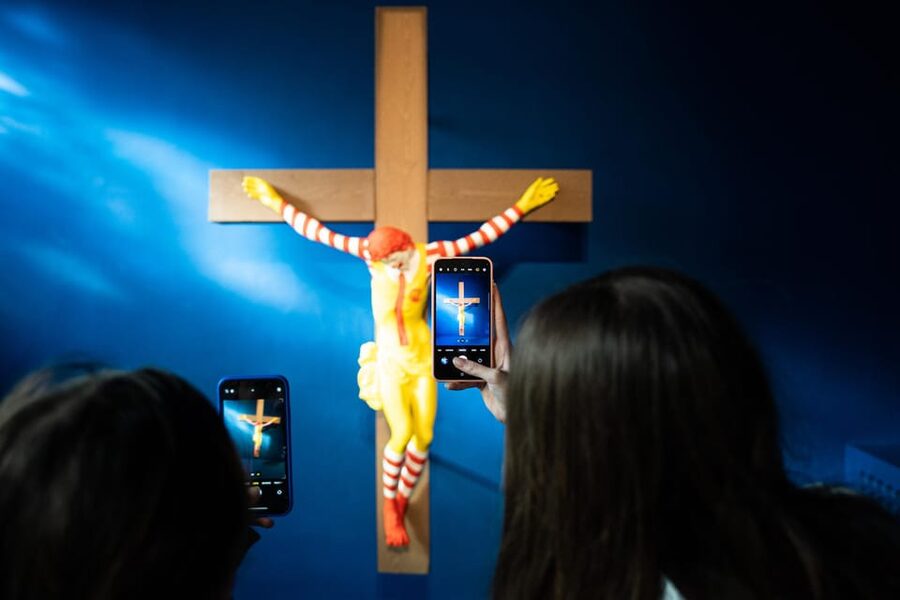
- Big artist names tied to real controversy: you’ll see works linked to artists like Picasso, Warhol, Goya, Ai Weiwei, Banksy, and others
- Free multilingual digital guide: interactive content on your personal device in Catalan, Spanish, and English
- Modernist museum setting close to Passeig de Gràcia: Casa Garriga Nogués makes the visit feel like part of Barcelona’s design story
- Terrace access plus free Wi‑Fi: a nice breather after the heavier subject matter
Museu de l’Art Prohibit: Why Forbidden Art Feels Different Here
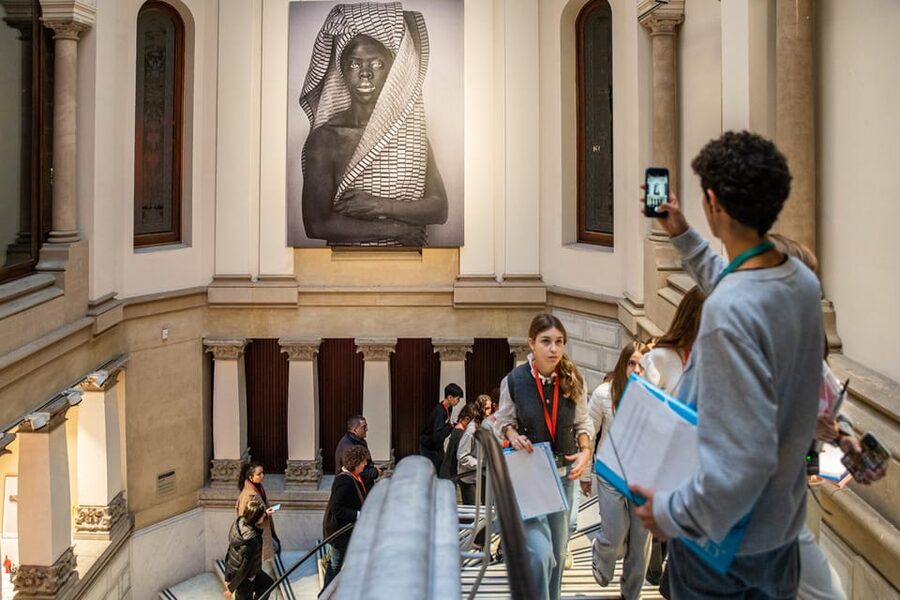
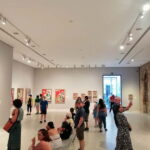
Most museums show you the art and hope you’ll connect the dots. This one does something smarter: it shows the art plus the history of suppression. The museum is built around censorship and prohibition, so the tone is more investigative than decorative. You’ll still get the eye-catching shock value, but the main point is what happens when institutions decide certain images or ideas are too much.
The collection brings together more than 200 works that have faced censorship. That matters because it moves the story beyond one famous incident. Instead of thinking censorship is rare or random, you start to see a pattern: art challenges power, power reacts, and the public ends up paying the price in access.
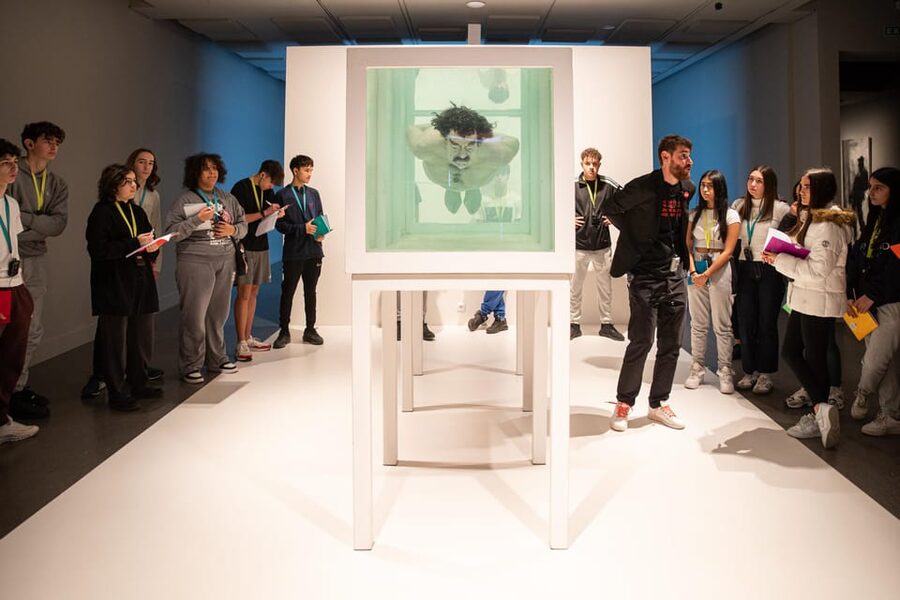
And the artist roster is a big part of why it lands. You’re not touring obscure curios. You’re seeing familiar names—Picasso, Warhol, Banksy—alongside artists like Abel Azcona, Ines Doujak, Robert Mapplethorpe, Tania Bruguera, Ai Weiwei, and others. When those names share the same walls as censored pieces, it forces a more uncomfortable question: if that work could be blocked, what else is always at risk?
A few more Barcelona tours and experiences worth a look

Finding Casa Garriga Nogués Near Passeig de Gràcia
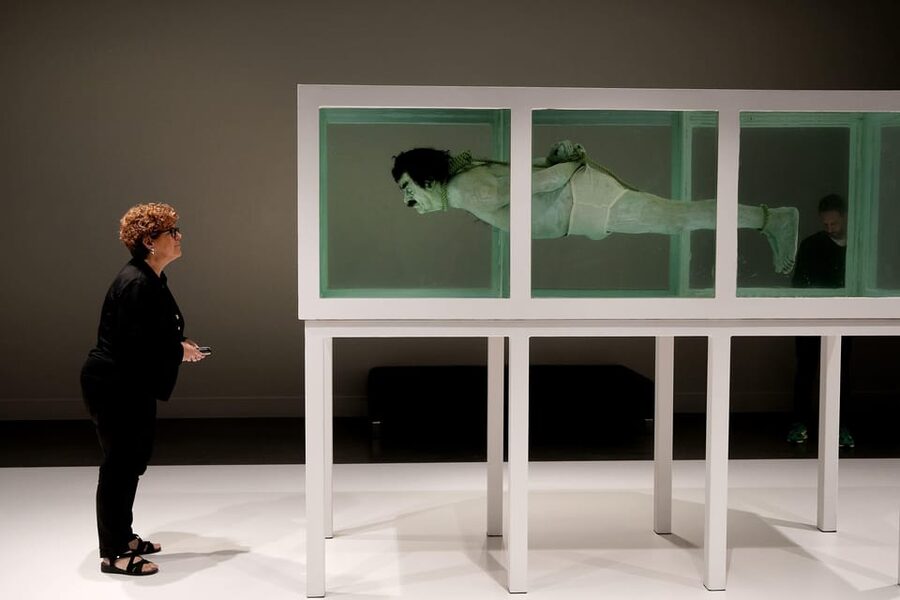
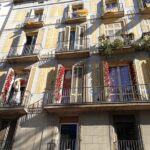
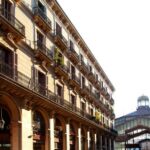
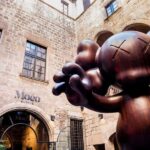
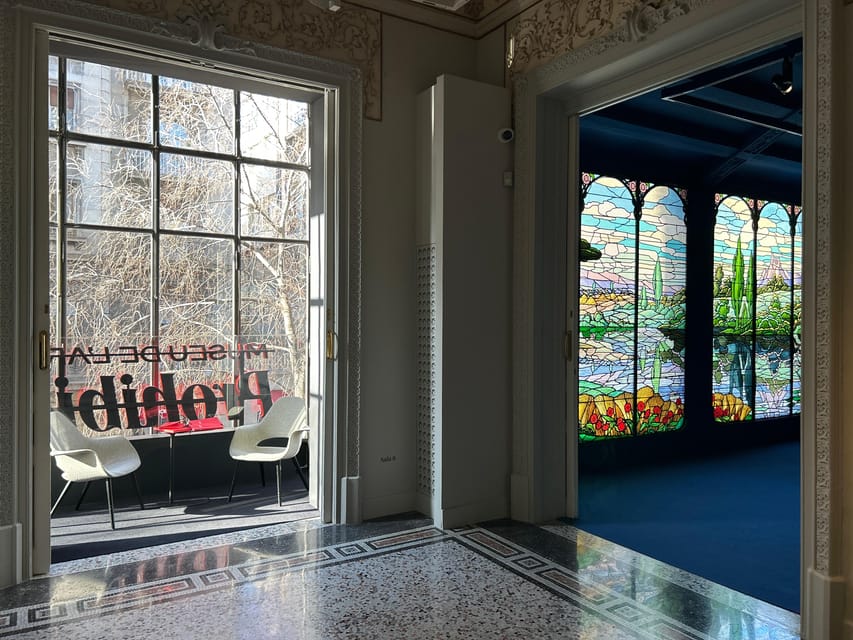
The Museu de l’Art Prohibit sits in Casa Garriga Nogués, a modernist building from the early 20th century. That’s a win before you even buy your entry scan. The museum’s location is about a one-minute walk from Passeig de Gràcia, putting you right in the thick of Barcelona’s famous architecture zone.
This is practical for planning. You can pair it with a longer day on Passeig de Gràcia and still keep the energy balanced. Casa Batlló and La Pedrera are nearby, so the neighborhood makes it easy to stitch together an itinerary without lots of transit time.
Quick heads-up: I’d verify your visit date carefully, because the museum has been reported as closed on Tuesdays. If you’re arriving in the city and thinking Tuesday is your free day, double-check first so you don’t get stuck outside the doors.
Your Ticket Includes the Essentials (And the Smart Extras)
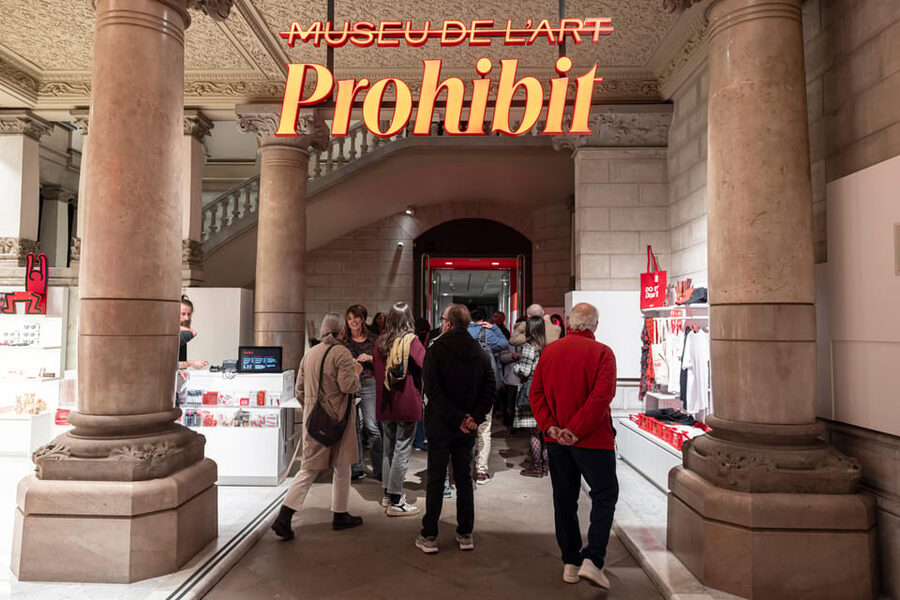
This is a general admission ticket. It grants you access to the exhibition and the terrace area. You also get a free digital guide and free Wi‑Fi on site, which is handy because the museum is designed for you to use your own device.
The price is $14 per person, which feels reasonable for a museum entry where you get not only the artworks but also the context tool. Many museums charge similar amounts for a “read the label” experience. Here, you’re getting structured information in multiple languages, which makes the ticket feel like better value for your time.
Two other points that affect your experience:
- There’s no guided tour included, so your results depend on whether you use the digital guide and pay attention to the context.
- You’ll need to pass security control, and you can’t bring bags or food and drinks inside.
If you’re the type who likes a self-paced visit with a bit of structure, this format fits well.
The Free Digital Guide: How to Use It Without Overthinking
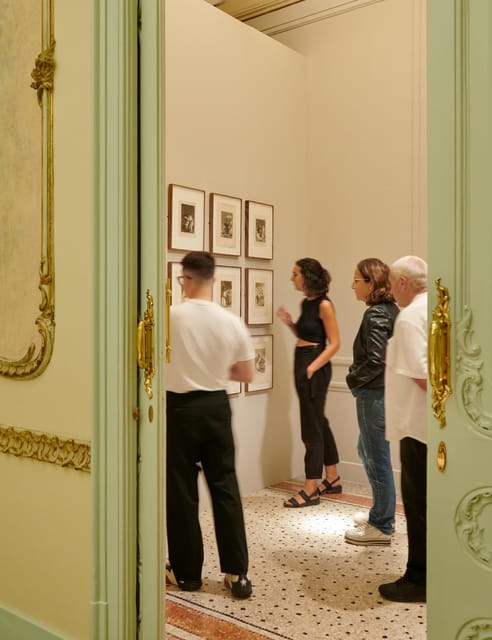
The museum’s free interactive digital guide is made for your personal device. It’s available in Catalan, Spanish, and English, and it includes multimedia information to explain the artistic context and the impact of prohibited works.
Here’s how to make it useful in real life:
- Use the guide to set the theme of what you’re seeing. Start by skimming the background on censorship and prohibition, then go piece by piece.
- When you hit a major name—Picasso, Warhol, Banksy—pause long enough to read the context. The artworks are only half the story. The other half is what got targeted and why.
- If you tend to read slowly, plan on a slightly longer visit. The guide makes the experience denser, on purpose.
Wi‑Fi being included means you’re less likely to get stuck with a dead connection. Still, it’s smart to ensure your phone has enough battery when you arrive, because you’ll likely want the guide throughout your visit.
Inside the Exhibition: What the Collection Is Trying to Teach
The core idea is simple: art doesn’t get censored in a vacuum. It gets censored because someone, somewhere, decided it crossed a line—political, moral, religious, sexual, or political again.
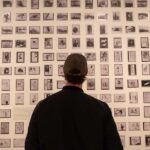
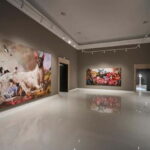
The museum’s format supports that idea. You’ll walk through a set of works shaped by censorship, so each piece becomes a mini-case study. Even when you recognize the artist’s style, the museum asks you to switch lenses: not only what’s on the surface, but what the work meant to people at the time and what it threatened.
You also get a stronger sense of how censorship changes culture. If a work is prohibited or removed, it doesn’t just disappear. It becomes myth, rumor, and controversy. The museum helps you replace guesswork with meaning.
This is also where the museum can feel heavier than a typical gallery. If you prefer art as pure pleasure without friction, the theme may feel like it adds pressure. But if you like your culture with questions attached, the experience can be genuinely satisfying because it’s not just shock. It’s explanation.
You can also read our reviews of more museum experiences in Barcelona




The Artist Mix: Big Names Plus the Case Studies
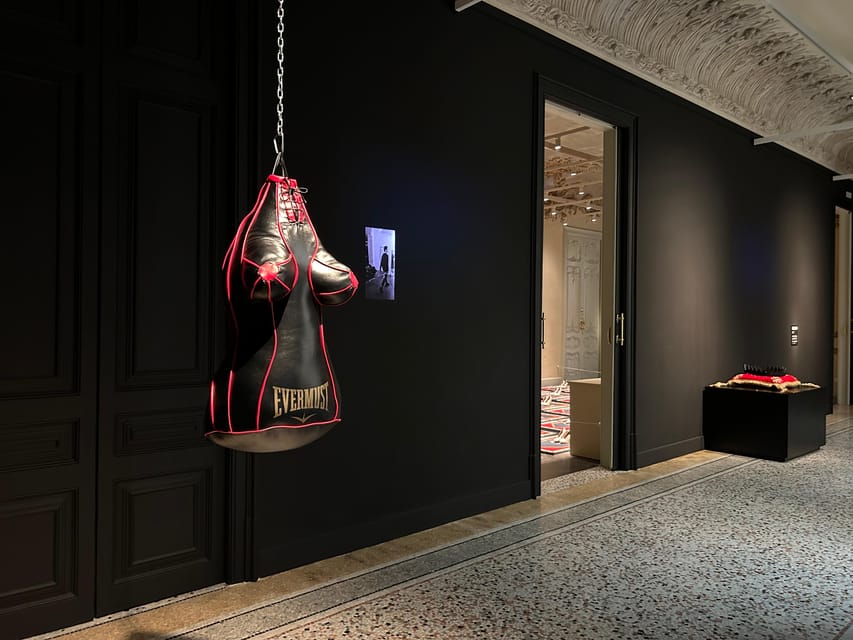
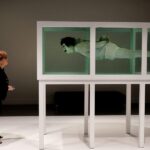
One reason this museum keeps scoring high is the combination of world-famous artists and sharp topic-driven choices. The ticket description highlights names including Pablo Picasso, Abel Azcona, Andy Warhol, Ines Doujak, Robert Mapplethorpe, Tania Bruguera, and Banksy. It also references censored works connected with artists such as Goya, Ai Weiwei, Gustav Klimt, Miquel Barceló, Haring, and others.
When you see that kind of range in one place, you start to understand censorship as a cross-era and cross-style issue. Pop art censorship looks different from political-activist censorship, and the museum framing helps you notice those differences rather than flattening everything into one generic story.
Tip for getting the most from the visit: pick a few artists you’re curious about first, then let the guide help connect the rest. If you try to absorb all the names equally, you can end up skimming. A focused approach makes the censorship narratives land.
Terrace Time and a Clearer Head After Provocative Art
After the exhibition, take advantage of the terrace area access. It’s not just for views. It gives your brain a break from symbolism and argument.
A terrace makes sense here because the theme can pull you in multiple emotional directions. Sitting for a few minutes helps you switch from reacting to processing. You also have free Wi‑Fi, so if you want to look up one artist or one historical reference while your memory is still fresh, you can.
There’s also a gift shop at the entrance, which can be a good way to continue the theme after you exit. If you like taking home a book or poster with a bit of context, this is the type of museum shop that feels more aligned than usual.
Timing Your Visit for Maximum Value
Your entry is general admission, and the ticket validity is listed as 1–180 days, with starting times depending on availability. Practically, that means you don’t have to lock in one tiny window months ahead. But you still should pick a time when you can do the museum justice, since it’s designed around reading and context.
Because there’s no guided tour, your best “itinerary” is really your attention plan:
- Arrive ready to use the digital guide.
- Spend extra time on the works that match your interests.
- Don’t rush the final third of the exhibition. That’s often where you start noticing patterns in how censorship is explained.
And if you’re doing the nearby big-ticket architecture stops, try not to stack too many heavy visits in one row. This museum’s theme can add weight. A little pacing keeps the experience enjoyable instead of draining.
Price and Value: Is $14 Worth It?
For $14, you get more than entry. You get:
- access to the exhibition and the terrace
- a free interactive digital guide with multimedia in three languages
- free Wi‑Fi to help you use the guide
Value comes down to how you like to travel. If you read museum labels only when they’re unavoidable, this might not feel worth it to you, because the real power of the ticket is the guided-by-context digital experience. But if you enjoy understanding why something is controversial, the guide turns the visit into something more like an organized education session.
Also, the theme is rare. Museums about censorship are not exactly a standard stop. The idea of a dedicated collection—over 200 pieces—adds value because it gives breadth. You’re not just seeing one scandal. You’re seeing a system.
Who Should Book This Barcelona Museum Ticket
This ticket is a strong fit if you:
- like modern and contemporary art, especially when there’s a political or social edge
- enjoy context and want help interpreting why a work was targeted
- want a Barcelona stop that feels different from the usual architecture-and-beach rhythm
It may be less ideal if you:
- want a light, family-friendly museum outing (it’s not suitable for children under 13)
- prefer to browse without reading context
- need to bring food, drinks, or a bag (those aren’t allowed, and you’ll go through security control)
If you’re doing Barcelona for culture and ideas, this is a smart add-on. It’s close to major sights, and it gives you a perspective you can’t get from a standard art stop.
Should You Book the Barcelona Museum of Forbidden Art?
I think you should book this ticket if you want an art museum that treats controversy as information, not as a punchline. The combination of a focused collection, multilingual digital guidance, and a location that slots easily into a Passeig de Gràcia day makes it a good use of time.
Skip it if you’re looking for a traditional, pretty-gallery mood, or if you’re traveling with kids under 13 or you don’t want to deal with security and the no-bag rules.
If you’re curious about how art collides with power, this is exactly the kind of place that helps you understand the collision instead of just staring at the aftermath.
FAQ
What does the Museu de l’Art Prohibit ticket include?
Your general admission grants access to the exhibition and the terrace area, plus the free digital guide and free Wi‑Fi.
How much is the ticket?
The price is listed as $14 per person.
How long is the ticket valid?
The ticket is valid for 1 to 180 days, depending on availability and the starting times shown when you book.
Do I need a guided tour?
No. A guided tour is not included, so you’ll explore on your own using the digital guide.
What languages is the digital guide available in?
The digital guide is available in Catalan, Spanish, and English.
Is the museum wheelchair accessible?
Yes, the experience is listed as wheelchair accessible.
Are children allowed?
It is not suitable for children under 13.
What items are not allowed inside?
You can’t bring pets, bags, or food and drinks. You’ll also need to pass through security control.
What if plans change and I cancel?
Free cancellation is available up to 24 hours in advance for a full refund.