REVIEW · MONTREAL
Museum of Illusions Montreal – 70+ Illusions to Explore
Book on Viator →Operated by Museum of Illusions · Bookable on Viator
One quick look is never enough. The Museum of Illusions Montréal turns perception into play with 70+ hands-on illusions that feel equal parts weird and educational. It’s the kind of Montreal activity that works when you want something different from the usual sights.
I especially like how interactive each exhibit is—you’re not just watching, you’re doing. The other big win is the straightforward flow: you can comfortably explore at your own pace in about an hour. One consideration: it’s busiest with families and teens, so some moments can get loud if you’re hoping for a quiet, slow visit.
In This Review
- Key things to know before you go
- Stop 1: Museum of Illusions Montréal and the 44 Rue Saint-Antoine O vibe
- How long you’ll actually want to stay (45 minutes vs real-world pacing)
- Ticket value: what you’re paying for (and what you aren’t)
- Inside the museum: what “70+ illusions” looks like on the floor
- Photo strategy: how to get the best memories without slowing everyone down
- The people-test: who this museum is best for
- Crowds, noise, and the “right time” mindset
- Logistics that help your day run smoothly
- Quick value math: when this is a great buy
- Should you book Museum of Illusions Montréal?
Key things to know before you go

- 70+ illusions packed into a compact museum, so you can finish in about 45–75 minutes
- Hands-on, photo-friendly exhibits where you’ll want to slow down for the good moments
- Clear exhibit explanations that help you understand the trick behind what you see
- Works for mixed ages: adults often enjoy the physics-y angle, kids enjoy the instant reactions
- Private group format means it’s just your group for the activity booking
- Timing matters: going earlier can mean a more relaxed experience
Stop 1: Museum of Illusions Montréal and the 44 Rue Saint-Antoine O vibe
Your visit centers on one place: the Museum of Illusions Montréal at 44 Rue Saint-Antoine O, Montréal, QC H2Z 1G9. This is a great “add-on” stop if you want an easy Montreal win that doesn’t require reservations, special tickets, or a whole afternoon commitment.
The museum bills itself as a spot where nothing is as it seems. In practice, that means visual tricks, perception puzzles, and physical challenges—set up so you can try them right there and see what happens. It’s not a lecture hall. It’s more like a playground built around science and your own brain.
One practical note from how the experience tends to play out: you’ll get the most satisfaction when you go in ready to experiment. If you want to watch quietly from the sidelines, you’ll still enjoy it, but you’ll feel the ceiling faster than hands-on visitors do.
How long you’ll actually want to stay (45 minutes vs real-world pacing)
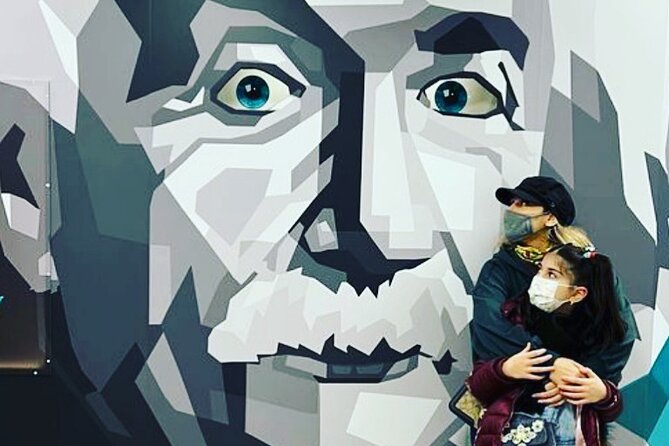
The booking says about 45 minutes. That’s a solid target if you’re moving fast, taking quick pictures, and not repeating the same exhibits.
But plan for a little flexibility because the museum experience is built for trying, reacting, and then trying again. Many people end up spending around an hour to an hour-plus, especially if you’re taking photos and stopping to read the explanations.
If you have a family with kids or teens, give yourself breathing room. Younger visitors often need more time to understand what to do and to repeat the fun parts. If you’re there with adults (or teens who like puzzles), you may slow down too—because once you start noticing the pattern of how tricks work, it gets oddly addictive.
Ticket value: what you’re paying for (and what you aren’t)

Price is listed at $26.27 per person, and the important part is that admission includes access to all exhibits. For a Montreal attraction, that “all-in access” approach is a real value feature—you’re not paying per room or per activity.
What’s not included: food and drinks. That matters because you’ll likely spend your visit without needing a meal break, but you might still want water. Montreal sightseeing days add up quickly, and a drinks check is smart when you’re combining this with other stops.
A fair caution on price: one comment you should take seriously is that third-party platforms can sometimes charge more than buying at the museum directly. If price matters to you, compare the total you’d pay on your booking site versus the on-site ticket price before you commit.
Inside the museum: what “70+ illusions” looks like on the floor
There’s no big formal itinerary with multiple checkpoints here. Instead, you’ll walk through a sequence of exhibits designed to mess with your senses—visually, physically, and sometimes both at once.
Here’s what the museum experience tends to feel like:
- Quick wow moments that make you want to pose for photos
- Hands-on stations where your movement affects the outcome
- Explanation signage that helps you connect the illusion to a real concept (often physics-related)
What I like about this setup for visitors is that it doesn’t assume you already understand anything. The museum gives you enough context to make the experience satisfying, not just chaotic. You can enjoy the spectacle, then read the “how it works” part and feel that little click of understanding.
Also, the layout is designed so you don’t feel stuck waiting in lines for long stretches. That’s a big deal for a short visit. If you’re squeezed for time between other Montreal plans, this museum’s pacing helps you get your money’s worth.
Photo strategy: how to get the best memories without slowing everyone down
This place is a magnet for pictures. The exhibits are designed for reactions, and many of the effects become more fun once you capture them.
Here’s the practical way to do it:
- Pick a few “must-get” exhibits and let everyone rotate through them.
- For the rest, take photos only when it improves your experience—like when the exhibit needs a specific pose or viewpoint.
- If you’re with kids, agree on a quick photo rhythm so the visit doesn’t turn into a constant camera debate.
One more small tip: ask yourself what you’re actually trying to capture. Some illusions look cool from one angle but make no sense from another. If you move a few steps, or adjust where you stand, the trick often becomes more clear—and that clarity makes your photos better too.
The people-test: who this museum is best for
This is one of those rare attractions that can work for almost every group type—if your group is willing to participate.
Families with kids
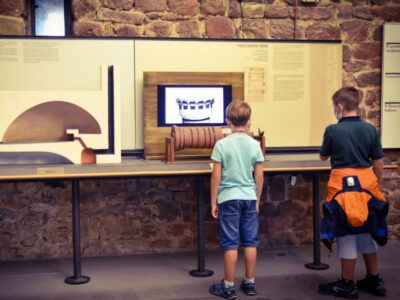
Kids usually love the immediate feedback: you try something, and your brain gets fooled in seconds. Multiple comments highlight that this is a strong family activity and that the exhibits are hands-on and straightforward for a wide age range. Expect a lively atmosphere, especially during school breaks.
Teens and puzzle-minded adults
Adults often enjoy the “why does this happen?” angle. Even when you’re just laughing at the effect, the explanations help you understand the mechanics. If you like science-y explanations or you enjoy playful challenges, you’ll likely linger longer.
Couples and date ideas
It’s easy to turn into a shared game. The museum feels like a fun indoor outing that still gives you something to talk about. If you want conversation that isn’t forced, this is a surprisingly good option.
Solo visitors
Solo can work, but the museum is more fun when you can compare what you see with someone else. One person noted that pairing up with another visitor helped them enjoy the activities more. If you’re going solo, you might naturally find people to collaborate with, but you should still expect that the vibe is hands-on and more social during busy hours.
Crowds, noise, and the “right time” mindset
One reality check: this museum can get energetic. During peak periods, you may see kids running, yelling, or moving quickly between exhibits. That doesn’t mean the place is chaotic—it’s more that the experience is built for interaction, and interaction gets loud.
If you want a calmer visit:
- Go early if you can.
- Keep your expectations flexible if you visit during busy family times.
- Use the exhibit explanations as your anchor. When people rush, you can slow down by reading and predicting what will happen before you try.
Also, the museum is compact. That’s great for short visits, but it means crowding can feel more noticeable when lots of groups move through at once.
Logistics that help your day run smoothly
A few practical notes make this visit easier to plan:
- Confirmation is received at booking. That means you can plan without hunting for details later.
- Service animals are allowed.
- It’s near public transportation, which is helpful if you’re combining it with other Montreal stops and want to avoid parking stress.
- Children must be accompanied by an adult, which is standard for many attractions but still important for planning your group.
One extra planning note: the experience is listed as requiring good weather. That’s unusual for an indoor museum, but since it’s explicitly stated, check the forecast close to your visit. If it changes, you’ll want to know quickly.
Quick value math: when this is a great buy
For $26.27 per person, the price feels fair when:
- You want a short Montreal activity that doesn’t require a big time investment.
- Your group enjoys hands-on experiences and photos.
- You’d rather pay for a single admission that covers the whole museum than chase add-ons.
It’s less ideal if:
- You’re expecting a quiet, contemplative museum.
- Your group dislikes interaction or gets frustrated by crowd energy.
- You only want “just a few stops” and would rather pay for something deeper with fewer distractions.
Should you book Museum of Illusions Montréal?
Book it if you want an easy win: a compact, photo-friendly, hands-on Montreal attraction with 70+ illusions and a visit that usually lands around an hour. The included access to all exhibits makes it feel straightforward, and the exhibit explanations add real value beyond the fun factor.
Skip it (or adjust expectations) if you hate busy indoor spaces or your group is more into guided tours with long narratives. This is about doing, laughing, and learning by seeing what your brain tries to trick you into believing.
If you’re visiting Montreal with mixed ages—kids, teens, and adults—this is one of those rare places that gives everyone something to enjoy without a complicated plan.