REVIEW · MUSEUM SPEELKLOK
Utrecht: Museum Speelklok Entry Ticket
Book on GetYourGuide →Operated by Museum Speelklok · Bookable on GetYourGuide
Mechanical music feels like time travel. At Museum Speelklok in Utrecht, you get to hear how gears, springs, and expert craftsmanship can still make music today.
I especially love the chance to hear century-old mechanical instruments play live, from tiny music boxes to big, old street organs. The museum also gives you a clear way to make sense of it all through the free hourly guided tour in English and Dutch.
One thing to keep in mind: you may run into limited seating for some presentations, so plan to stand comfortably and arrive a bit earlier for popular moments.
In This Review
- Key highlights you shouldn’t miss
- Museum Speelklok in Utrecht: mechanical music you can actually hear
- What your day looks like inside the museum
- 1) Old musical clocks and “music technology” from another era
- 2) Music boxes, orchestrions, and barrel-organ scale
- 3) The stars: Arabier and the Violina
- 4) Museum Expedition: stories plus craftsmanship
- The free hourly tour: how to get more out of your ticket
- When to join
- What the tour helps you notice
- Listening tips that make mechanical music click
- Stand where you can hear balance, not just volume
- Listen for coordination: timing is the talent
- Use your curiosity, not your checklist
- Price and value: is $20 worth it?
- Who should book this museum ticket
- Practical details that affect your day
- Should you book Museum Speelklok entry?
Key highlights you shouldn’t miss
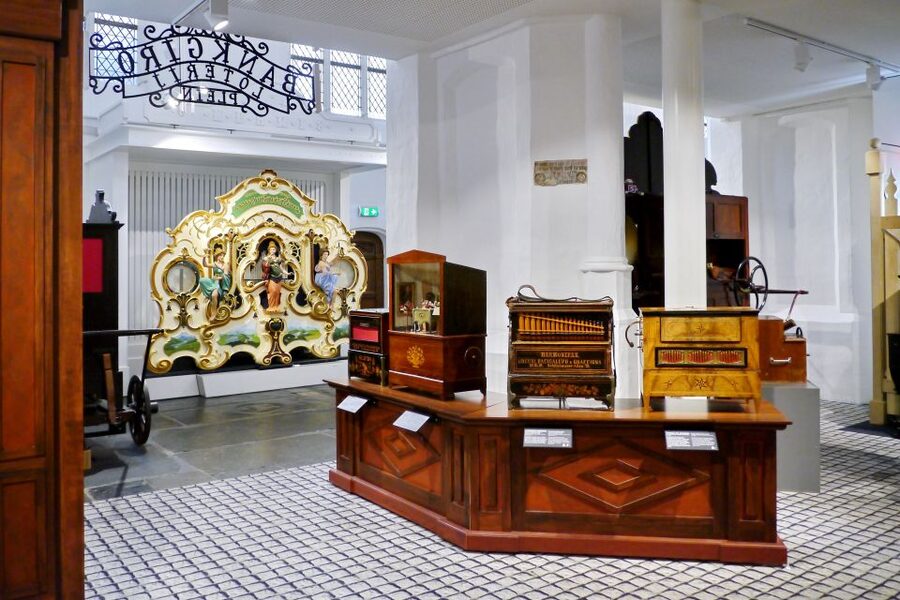
- Listen to live mechanical music from machines that are well over a century old
- Take the free tour every hour in English and Dutch
- Spot the famous Arabier street organ and see why it draws attention
- Meet the Violina, often called the 8th world wonder
- Use your ears, not just your eyes, thanks to the museum’s hands-on-friendly approach
Museum Speelklok in Utrecht: mechanical music you can actually hear
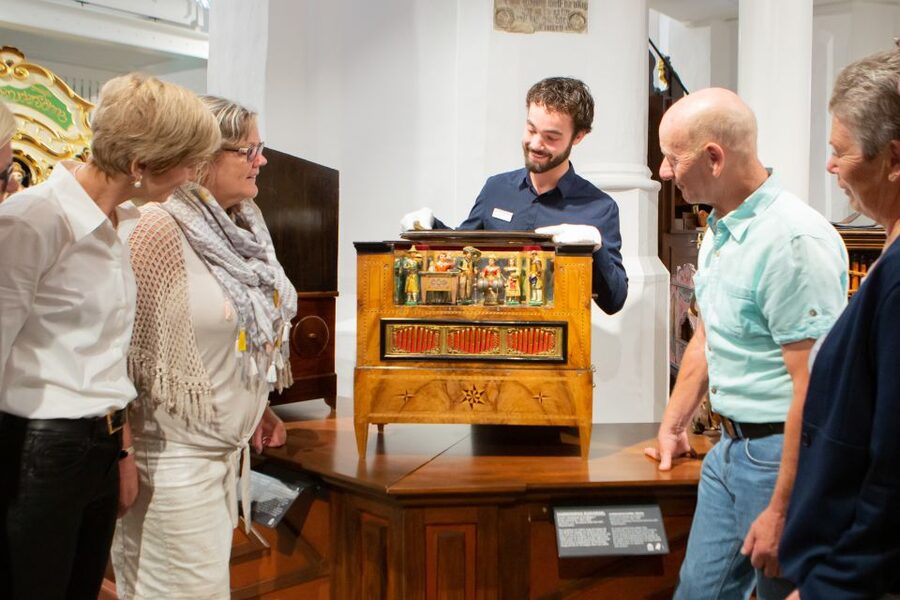
Museum Speelklok is one of those places where the “cool factor” isn’t just design or history photos. It’s sound. You walk in expecting to look at instruments, but you quickly realize the real point is listening to mechanical music machines in action.
If you like the idea of music that comes from moving parts, not players with instruments, this is your kind of museum. You’ll hear how pressure, air, pins, and rotating systems can translate a scored pattern into notes. And because you’re in Utrecht, you get to add this to a day that’s easy to combine with a stroll through the city after.
The ticket gives you entry, plus access to a museum tour. In practice, that means you can pace your day: spend time letting each machine register, then use the tour to connect the dots between what you’re hearing and how these instruments were built.
What your day looks like inside the museum
Your visit is framed as a full day in the museum. That’s a good thing. Mechanical music can pull you in slowly. One machine may sound simple until you understand what’s driving it, and then you start noticing details you missed before.
Here’s the typical flow you can expect as you make your way through the collections:
1) Old musical clocks and “music technology” from another era
You’ll encounter musical clocks and other mechanical time-based instruments early on. They’re more than odd decorations. They help you understand a key theme: people didn’t just want music. They wanted music that could run on schedule, repeat reliably, and perform without needing a human musician in the room.
That matters because it turns the museum from a one-time show into a learning experience. Once you grasp how mechanical systems can carry a musical “program,” the rest of the machines start making sense.
2) Music boxes, orchestrions, and barrel-organ scale
Next comes the range that really sells the concept: music boxes, orchestrions (self-playing orchestras), and traditional Dutch street organs. The museum keeps pushing the idea that mechanical music isn’t one style—it’s a toolkit.
- Music boxes are like the miniature version: compact patterns, crisp sound.
- Orchestrions scale it up: you get layered instrument sounds triggered automatically.
- Barrel organs and street organs take it outside the “parlor music” feel and into public performance.
This mix is why I think the museum works for families too. Kids may not care about technical terminology, but they do care when something moves and then plays.
3) The stars: Arabier and the Violina
If you only skim one or two sections, don’t pick the wrong ones. These are the names that act like anchors for your visit.
The Arabier street organ
You’ll see the famous street organ named Arabier. Street organs are built for projection—sound you can hear clearly in an open environment. So even when the museum setting is indoors, you still hear that “performer energy.” Arabier is a standout because it represents Dutch street music tradition and the engineering behind it.
When you’re nearby, listen for how the sound stays coordinated even as the mechanism runs. That stability is the point. It’s not random background noise; it’s an instrument executing a plan.
The Violina, the so-called 8th world wonder
Then there’s the Violina, often described as the 8th world wonder. I like how this frames your attention without needing big explanations first. You walk in already knowing you’re looking at something special, and then the sound and mechanism earn the label.
The key for you: focus on how the machine produces musical phrasing rather than just notes. Even if you don’t know the technical details, you’ll hear that the music has shape.
4) Museum Expedition: stories plus craftsmanship
To tie everything together, there’s a “Museum Expedition” area. This is where the museum connects the listening experience to real-world craft: the technical craftsmanship behind the instruments and the magical stories linked to them.
This section is especially useful if you tend to enjoy museums more when you have a “why.” Hearing stories and knowing how restoration works makes the machines feel less like museum props and more like living objects that were kept running for generations.
The free hourly tour: how to get more out of your ticket
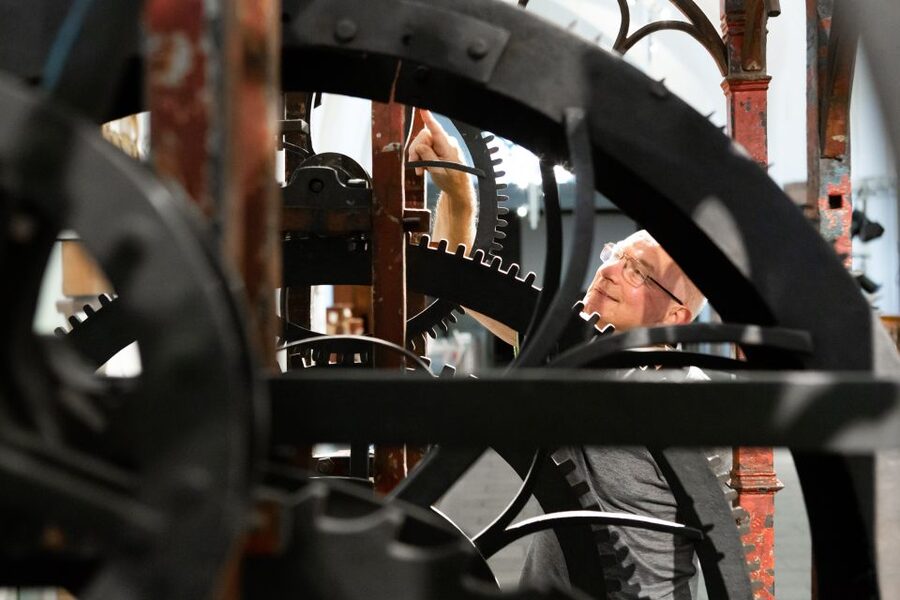
The best part about your entry ticket is that you’re not stuck wandering blindly. You can join the free tour that runs every hour, and it’s offered in Dutch and English.
Think of the tour as your shortcut to understanding. Without it, you can still enjoy the sound, but you may miss why a machine is built a certain way or how a specific component shapes what you hear.
When to join
Because the tour runs hourly, I’d plan your day around one of those sessions early enough that it boosts what you’ll see afterward. If you go too late, you may enjoy the tour and still feel like you spent the rest of the visit in “listen first, understand later” mode.
What the tour helps you notice
The tour is designed to explain the history and the engineering behind the machines. It’s also a chance to zoom in on the most important pieces—so your attention follows the museum’s logic instead of your own random curiosity.
And if you’re traveling with kids, the hourly structure helps. It gives you a natural rhythm: listen on your own, then group learning for a bit, then back to sound.
Listening tips that make mechanical music click
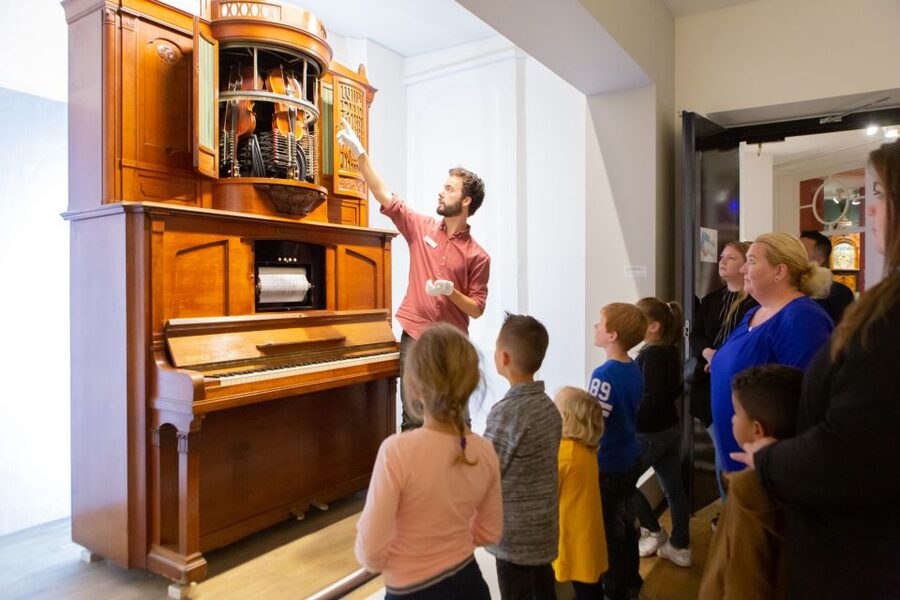
Mechanical instruments can be subtle if you’re standing in the wrong spot. Here’s how to set yourself up for better listening without needing any special knowledge.
Stand where you can hear balance, not just volume
Some machines are loud. Others are delicate. If you only chase volume, you can miss the finer details. Take a moment to move slightly and find the spot where the sound seems most even—where you hear the full musical idea, not just one part.
Listen for coordination: timing is the talent
The craftsmanship in these machines shows up in how reliably they keep time. Even when gears and mechanisms are working hard, the music stays organized. That coordination is a big part of the magic.
Use your curiosity, not your checklist
The museum is full of types: musical clocks, music boxes, orchestrions, and street organs. Instead of trying to name everything, pick two things to pay attention to per area:
1) How the sound changes as the mechanism runs
2) What the machine seems to be doing to shape the music
You’ll remember more that way than if you rush through and try to “collect facts.”
Price and value: is $20 worth it?
At about $20 per person, this ticket is priced like an attraction that expects you to spend real time inside. The value comes from three things you get for that price:
First, you’re paying for access to live mechanical performances across multiple instrument types, not just a static display. Second, you can add context with the free hourly tour, which helps you get meaning out of what you hear. Third, there’s enough range—small music boxes to large barrel-organ scale—that you don’t feel trapped in one narrow theme.
If you’re the type who enjoys hands-on feeling (even if it’s not a full interactive museum), the experience can stretch longer than you expect. And if you’re visiting Utrecht anyway, this is one of the easier “culture + wow factor” choices that doesn’t require advanced planning to enjoy.
That said, if you mainly want broad modern art or big architecture, this museum may feel more niche. Mechanical music is a specific interest. You’ll get the most value if you like sound, mechanics, or both.
Who should book this museum ticket
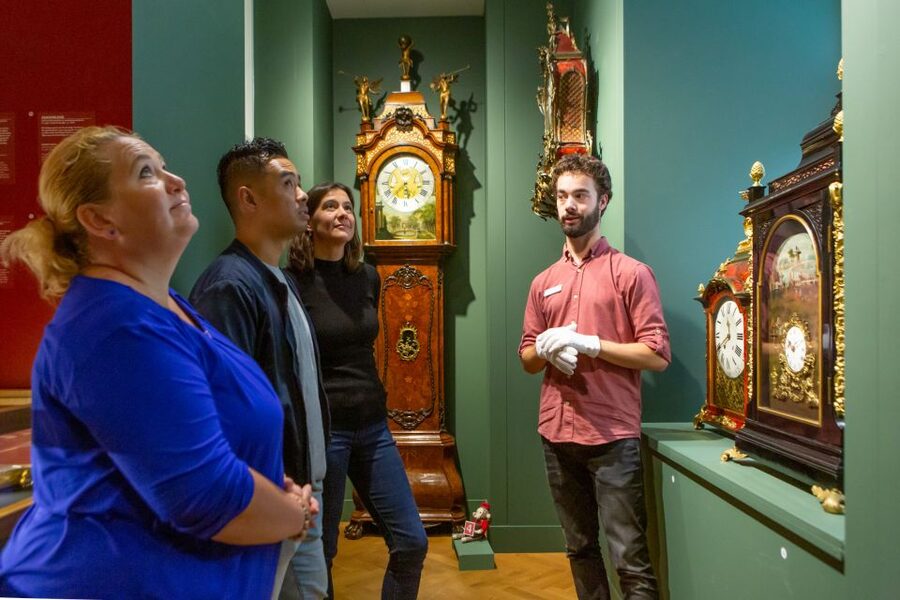
This is a great fit if you:
- Enjoy music that’s tied to technology and engineering
- Want something different from standard museum experiences
- Like history, but want it told through what you can hear
- Are traveling with family and want a day with clear “watch and listen” moments
- Appreciate traditional Dutch street-music culture, especially around organs like Arabier
If you don’t care much about instruments, sound, or mechanism-driven performances, you might feel like the museum is too specialized. But if you can enjoy the experience of watching a machine operate and then produce organized music, you’re likely to have a strong visit.
Practical details that affect your day
A few facts can help you plan smarter.
- Food and drinks are not allowed inside. That matters because you’ll want to eat before or after your museum time rather than expecting snacks onsite.
- The ticket experience is listed as 1 day, and the tour times depend on availability, so check starting times before you go.
- The museum is wheelchair accessible, which is a big plus if you need step-free routes.
- The guides/hosts are listed as offering English and Dutch.
Should you book Museum Speelklok entry?
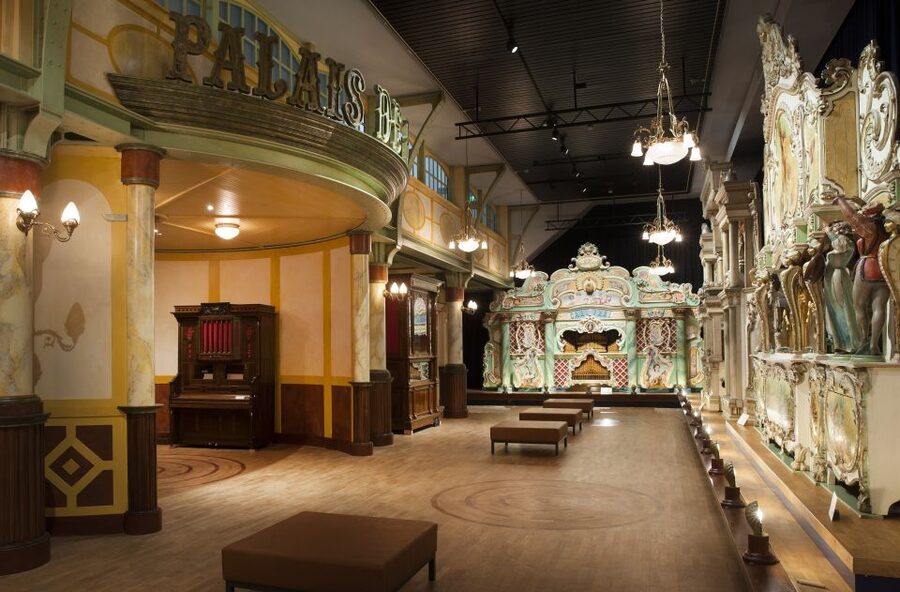
I’d book it if you want a memorable Utrecht experience with real sound and real craft. The Arabier street organ and the Violina give the visit clear anchors, and the free hourly tour helps you turn your listening into understanding without spending extra money.
If you’re traveling with kids, it’s also a solid option because it mixes spectacle (machines moving and playing) with explanations that make it easier to stay engaged. Just plan for standing time, since some presentations may have limited seating.
If you’re the kind of traveler who picks museums for the story behind what you’re seeing, this one rewards patience. Give it time, join a tour session, and let the music do what it does best.