REVIEW · MADRID
Madrid: Small-Group Prado Museum Guided Tour (Up to 7)
Book on GetYourGuide →Operated by All Ways Madrid · Bookable on GetYourGuide
Art here moves at walking speed. This small-group Prado guided walk (up to 7) turns the museum into a clear route, with headphones so you catch every explanation even in crowded rooms.
I love the mix of eras and masters, from Renaissance highlights like Dürer and Fra Angelico to the emotional punch of Bosch, Caravaggio, Velázquez, and Goya. The guide’s focus on meaning helps you “read” what you’re seeing instead of just sightseeing.
One caution: photo rules inside the Prado can be strict, and ticketing can slow down if security protocols get tightened, so keep your timing flexible.
In This Review
- Key takeaways before you go
- Why a 2-Hour Small-Group Prado Tour Feels Just Right
- Meeting at Monument to Goya and Getting Through the Museum Gate
- Renaissance Rooms: Dürer, Fra Angelico, and Bosch’s Strange World
- Look for the Women Painters and the Unusual Collections
- Baroque Splendor: Caravaggio, Velázquez, and El Greco
- Goya’s Provocation and Sorolla’s Daylight Colors
- Hall of the Muses: The Theme That Makes It Stick
- Price and Value: Does $46 Make Sense for This Prado Route?
- What the Tour Feels Like in Real Life (Small Group + Real Explanations)
- Who This Tour Fits Best (and Who Might Prefer Solo Time)
- Should You Book This Prado Small-Group Tour?
- FAQ
- How long is the Prado museum guided tour?
- Where do we meet the guide?
- Is the Prado entry ticket included?
- Are headphones provided?
- What group size is this tour?
- What languages are offered?
- Is the tour wheelchair accessible?
- Are luggage or large bags allowed?
- What’s not included in the price?
- Is free cancellation available?
Key takeaways before you go

- Up to 7 people means you’re not stuck at the back trying to see over heads
- Headphones included make the narration usable, not muffled
- Renaissance to Baroque to Goya in just two hours keeps momentum high
- Women painters and odd collections show a different side of the Prado, not the usual checklist
- The Hall of the Muses gives you a theme to carry home, not just scattered facts
Why a 2-Hour Small-Group Prado Tour Feels Just Right

The Prado is huge, and speed-reading it on your own usually turns into walking in circles. This format fixes that. You get a tight walking route, a live guide, and headphones, so you can actually follow the story the museum is telling.
I like small groups for a simple reason: you can ask questions, and you can hear the guide. Up to 7 people also changes the feel inside galleries. Instead of shouting across rooms, you stay close to the action and get the best viewpoints fast.
Two hours also works well for real-world trips. You’ll see a strong span of Spanish and European art—without committing your whole day. If the Prado is the only “big” museum stop you’re making, this guide-led approach is a solid way to get maximum payoff.
You can also read our reviews of more guided tours in Madrid


Meeting at Monument to Goya and Getting Through the Museum Gate
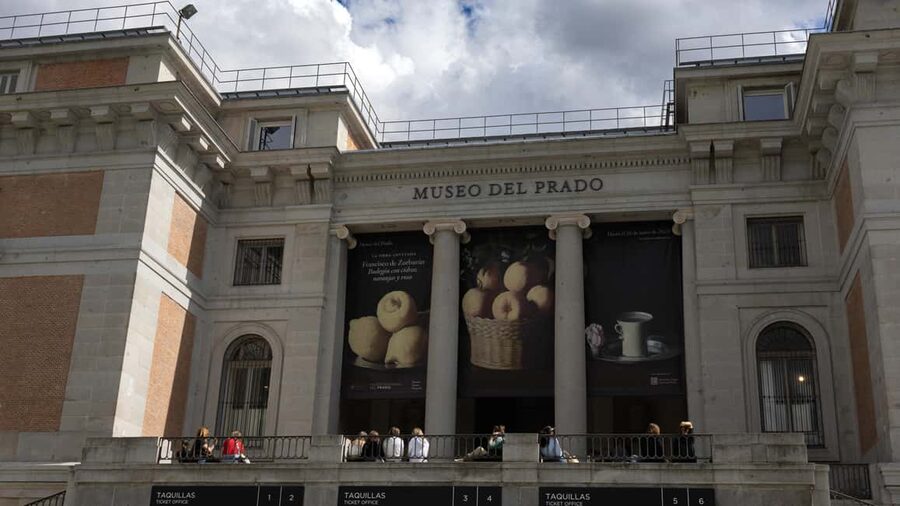
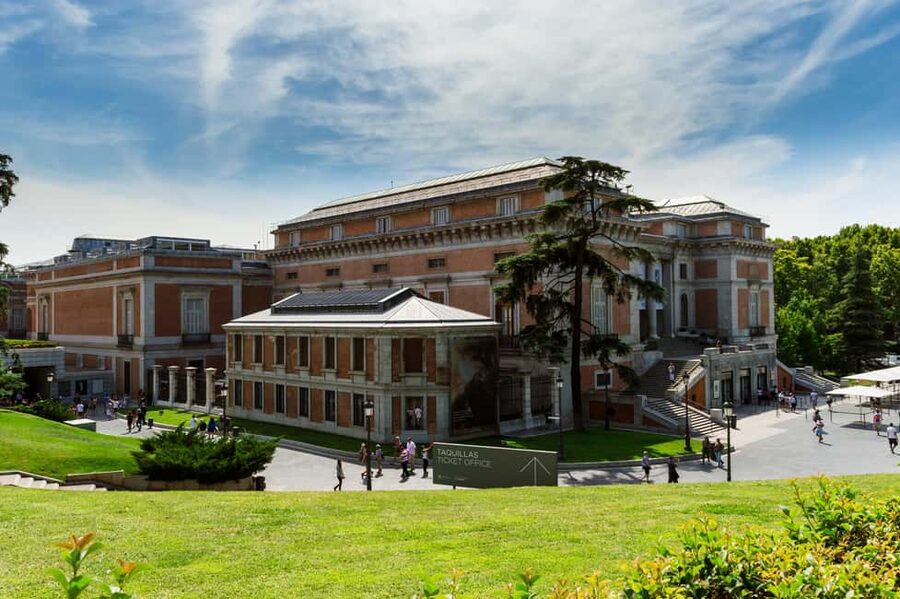
You meet your guide at the Monument to Goya, then head into the Prado area and start with context. The tour begins through the Puerta de los Jerónimos, which is a good way to orient yourself before you get swallowed by galleries.
Here’s the practical part that matters: don’t bring luggage or large bags. The tour info is direct that the Prado may prohibit entry if you show up with suitcases or bulky backpacks. Keep your load light. If you’re touring Madrid by foot or using public transit, this is the simplest way to avoid stress at the door.
Also, security and crowd control can cause delays even when you’re not seeing a classic long queue. That’s why I suggest arriving with a little patience in your schedule, especially if you’re connecting this visit to something later.
Renaissance Rooms: Dürer, Fra Angelico, and Bosch’s Strange World
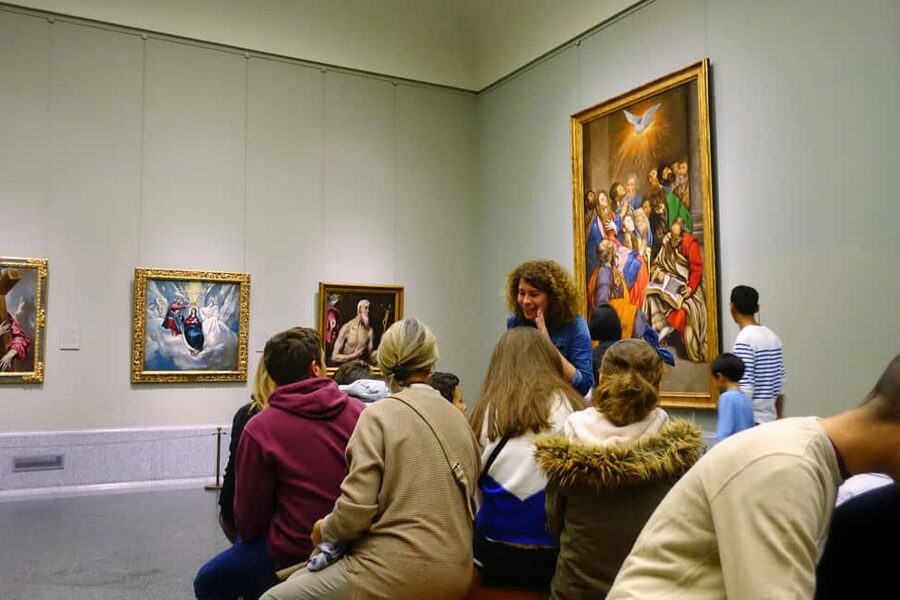
The Renaissance section sets up how European painting thinking changes—composition, light, realism, and symbolism. A guide makes that far easier to spot, because you’re not just looking for a name on a wall. You’re looking for why the painting is built the way it is.
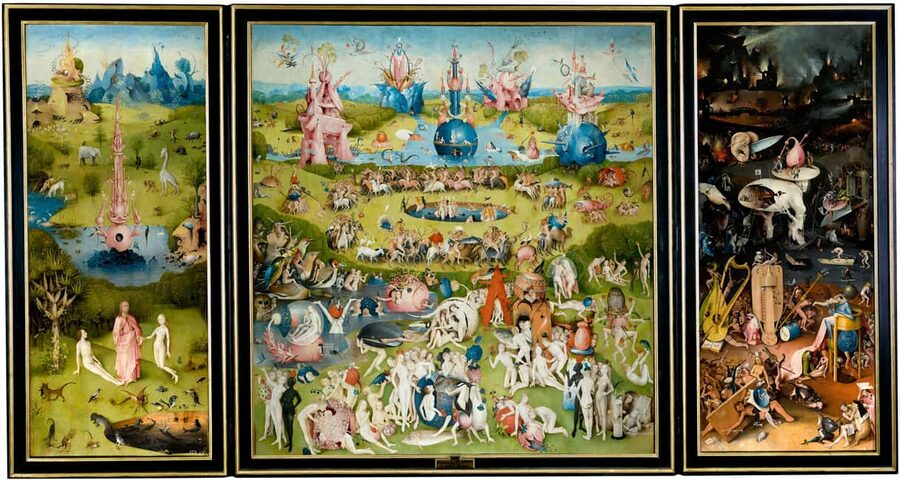
You start with Dürer and Fra Angelico, then move into the more playful, unsettling side of Renaissance imagination with Bosch. The Prado’s Bosch works are famous for scenes packed with visual jokes and moral questions. With a guide, you’re more likely to notice how Bosch’s details push the viewer toward interpretation instead of only amazement.
The tour also highlights Bosch works including Garden of Earthly Delights and The Hay Wagon. That pairing is clever. You get large-scope symbolism, then you shift to a tighter narrative that still feels weird and compelling.
Even the “first-floor surprises” help here. The tour description points to the intensity of Strobel and the elegance of Tintoretto. Without a guide, that kind of shift can feel random. With one, you start seeing the through-line: how artists train your eye and shape emotion before you even notice the subject.
Look for the Women Painters and the Unusual Collections
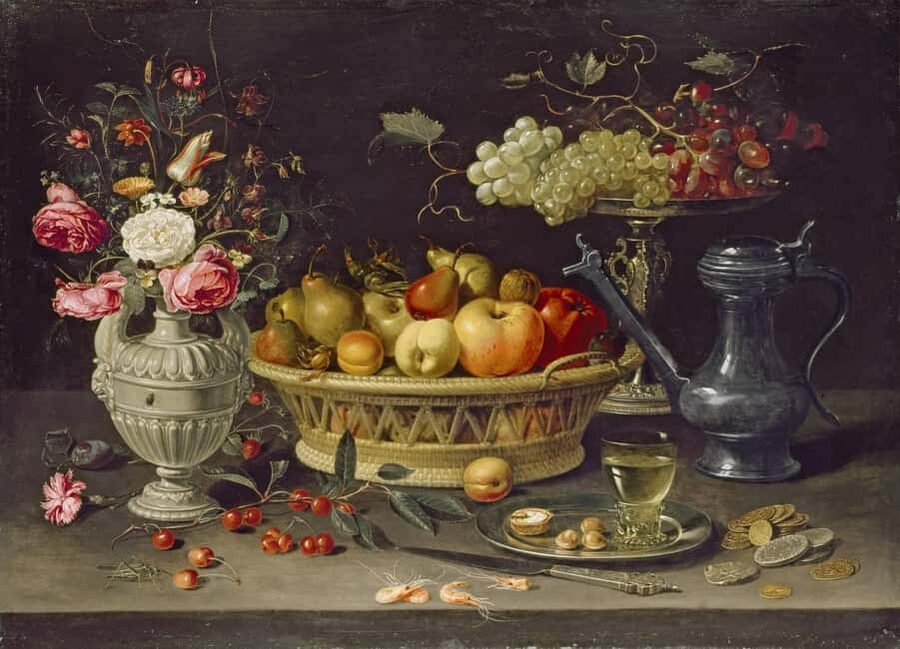
One of the best parts of this tour is that it doesn’t treat women artists as a footnote. The route includes works tied to women painters, specifically Artemis and Clara Peeters, and the guide frames why their presence matters in how we talk about art history.
This section tends to reward you if you’re the type who likes noticing habits—how hands paint food, how light falls, how symbolism is layered into objects. Clara Peeters, in particular, is often approached through details, and the guide’s role is to point out what your brain would otherwise skip.
There’s also a mention of the Dolphin Collection. Even if you don’t have a deep background, that kind of theme helps you connect objects and motifs to the larger collecting habits and tastes represented in the Prado. You end up learning that museums are also about what a culture valued enough to preserve.
And here’s the key benefit: when the tour gives you these side paths—women painters, dolphins, and detail-focused explanations—you stop thinking of the Prado as a list of famous men and start experiencing it as a full picture of European painting.
Baroque Splendor: Caravaggio, Velázquez, and El Greco
Baroque art is dramatic by design. The challenge is that the drama can blur together if you walk fast. With a guide, you get the contrast: how one artist uses darkness, another uses presence, and another uses tension in a way you can actually feel.
The tour heads into Baroque with Caravaggio, Velázquez, and El Greco. That trio is a smart mix because their approaches differ.
- Caravaggio’s style is often about impact—light hitting bodies and objects with a kind of theatrical focus.
- Velázquez brings authority and realism, and the guide helps you notice what he’s choosing to emphasize (not just what’s there).
- El Greco pushes a more emotional distortion, where color and form carry mood as much as subject.
This is where the headphones and the small group really pay off. You’re not just hearing facts. You’re being guided to look at faces, gestures, and paint handling—details that change your whole interpretation of the scene.
You can also read our reviews of more museum experiences in Madrid



Goya’s Provocation and Sorolla’s Daylight Colors

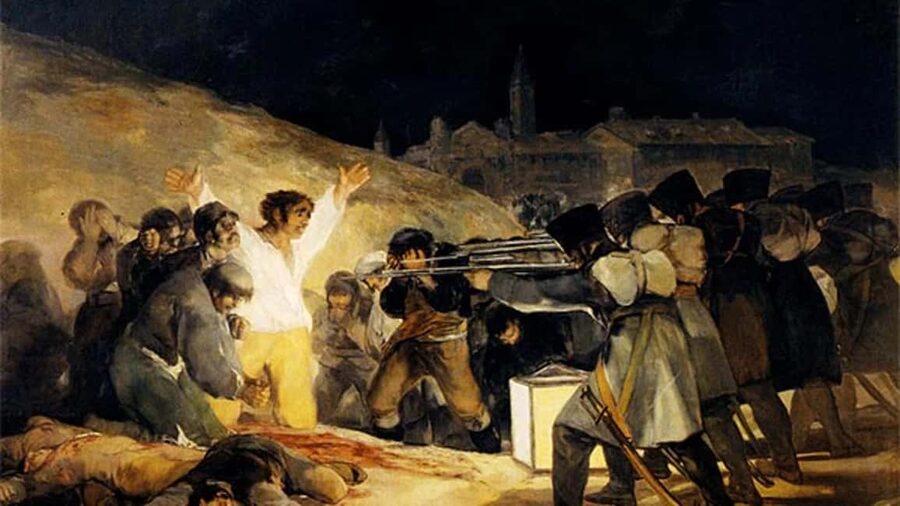
After Baroque, the emotional temperature shifts. The tour calls out Goya as a key stop, including the “darkness of the human mind.” That phrase matters because Goya isn’t only about stories. It’s also about psychological realism—what fear, doubt, satire, and shock look like on painted surfaces.
If you’ve ever stood in front of a painting and felt like something is wrong but you couldn’t say what, Goya is often the answer. A guide helps you name the tools: expression, composition, and the way the subject is staged to make you respond.
Then you get a release valve with Sorolla, including his sunny work with a focus on bright color. You’ll feel the shift from heaviness to outdoors energy—one of the reasons this tour doesn’t just feel like museum fatigue wrapped in art talk.
That alternation—Goya’s weight, then Sorolla’s light—isn’t random. It keeps your attention sharp and helps you remember the differences between Spanish painters of different generations. You leave thinking in contrasts, not in one long sameness.
Hall of the Muses: The Theme That Makes It Stick
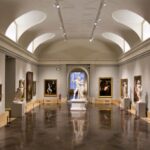
The tour ends in the Hall of the Muses, described as a place where emotion and meaning connect. I love a finish like this because it gives your brain a framework to organize what you just saw.
Muse-themed spaces in museums tend to push the idea that art isn’t only “pretty” or “historical.” It’s a system of symbols, inspiration, and cultural values. With this tour, you don’t just walk from room to room. You end with a sense of why all these styles—Renaissance order, Baroque drama, Goya’s confrontation—belong in one conversation.
This also helps if you’re traveling with someone who doesn’t want to spend hours in one gallery. A guided two-hour arc gives you an emotional narrative. Even if you only remember a handful of names, you usually remember the feelings: what made you stop, what confused you, and what finally made sense.
Price and Value: Does $46 Make Sense for This Prado Route?
At $46 per person for a 2-hour guided experience, the value hinges on what’s included. Here, the ticket to the Prado is included, along with the live guide, a walking tour route, and headphones. That matters because museum entry alone can eat a chunk of a day’s budget, and headphones are a real quality upgrade in big galleries.
The small group size (up to 7) also affects value. You’re paying for a guided experience that doesn’t drown you in crowd noise. If you’ve tried museum audio guides, you know they can feel detached. A live guide is better when the museum is dense and the details matter.
So who gets the best deal? You get strong value if:
- you want a structured route through key works
- you care about meaning, not only images
- you’re short on time and want the highest concentration of major artists
You might skip if you’re the type who wants to wander freely and linger at your own pace for hours. But if you want momentum and explanation, this price is easy to justify.
One more practical note: this experience is wheelchair accessible, which is a major plus for travelers who need step-free routes. It also means the route is more likely designed with visitor movement in mind.
What the Tour Feels Like in Real Life (Small Group + Real Explanations)
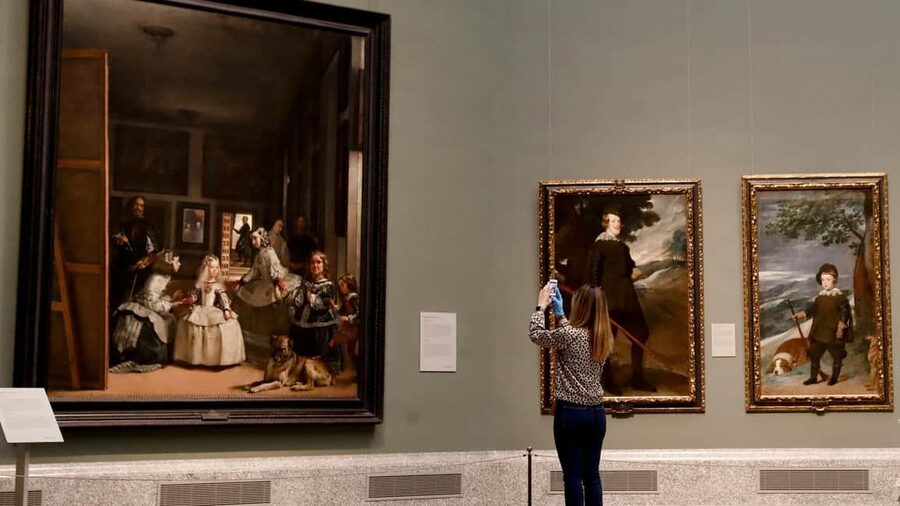
The standout feedback pattern is how the guide explains selected paintings and their meaning in art history and in each artist’s work. The tour is designed for you to notice details you might walk past without help.
One review also mentioned how a 10-year-old enjoyed every step. That tells me the pacing and explanation style likely work for families—especially if you choose this tour as your main art museum moment and you’re okay with guided pacing.
There are a couple of considerations worth knowing. In one reported case, the guide started about 15 minutes late. That can happen in city logistics, and it’s the kind of minor timing variation you should mentally allow for.
And photography rules can be a sticking point. At least one booking flagged a restriction on taking photos in the Prado. The safest approach is to plan as if photography may be limited, and treat the guide’s attention to details as the real prize.
Who This Tour Fits Best (and Who Might Prefer Solo Time)
This guided route is a great match if you:
- want to see big-name Prado works without losing time to decision-making
- like explanations that connect paintings to how artists think
- are visiting for the first time and want a map of what to look for
It also works well if you’re traveling with kids, since the tour is short enough to keep interest and guide attention focused.
You might prefer solo time if:
- you want to spend long hours in one room you already love
- you strongly prefer photographing without restrictions
- you’re aiming for a museum strategy where you choose only your own favorites
This isn’t a slow, open-ended museum hang. It’s a focused walking story. If you accept that, you’ll probably enjoy the payoff.
Should You Book This Prado Small-Group Tour?
Book it if you want a structured Prado experience that covers major artists and teaches you how to interpret what you’re seeing. The combination of included entry, a live guide in Spanish or English, headphones, and a small group size makes it practical and high value for a two-hour visit.
Skip it only if your priority is wandering freely for a long time, or if photography flexibility is a deal-breaker for you. Otherwise, this is a smart way to get the Prado’s key voices—Renaissance through Baroque to Goya—into one coherent visit.
FAQ
How long is the Prado museum guided tour?
The tour lasts 2 hours.
Where do we meet the guide?
You meet your guide at the Monument to Goya.
Is the Prado entry ticket included?
Yes. Entry to the Prado Museum is included.
Are headphones provided?
Yes. Headphones are included.
What group size is this tour?
It is a small-group experience, up to 7 people.
What languages are offered?
The live guide offers Spanish and English.
Is the tour wheelchair accessible?
Yes, the tour is wheelchair accessible.
Are luggage or large bags allowed?
No. Luggage or large bags are not allowed, and the museum may prohibit entry if you bring them.
What’s not included in the price?
Food and drinks are not included, and there is no hotel pickup and drop-off.
Is free cancellation available?
Yes. You can cancel up to 24 hours in advance for a full refund.