REVIEW · KYOTO
Kyoto Railway Museum Admission Ticket
Book on GetYourGuide →Operated by GlobalTix JP · Bookable on GetYourGuide
The steam engine hits different. At the Kyoto Railway Museum, you get interactive exhibits plus 53 real trains ranging from vintage steam to Shinkansen—an easy day that feels like a train nerd playground. One catch: the museum is closed every Wednesday, so plan around that.
I love that this isn’t just glass cases and labels. You can step inside iconic trains, test realistic train-driving simulators, and spend time with detailed dioramas that explain how rail travel works. A big plus for comfort is that it stays mostly indoors, so it can feel like a calm, cool reset during Kyoto’s weather swings.
Admission is straightforward at $9 per person, and it’s a 1-day ticket, which makes it low-stress to fit into your trip. Just remember you’ll need to show your ticket again if you re-enter the museum, and if lines build up, use the Early Bird Advance Ticket area when directed at the entrance.
In This Review
- Key things worth prioritizing
- What your Kyoto Railway Museum admission actually covers
- The core experience: walking through 53 real trains, steam to Shinkansen
- Hands-on simulators and dioramas that make rail tech make sense
- The working steam locomotive ride and the roundhouse turntable show
- Step inside the trains: what you’ll notice up close
- Where to go and how to redeem your admission
- Building a smart one-day flow without getting rushed
- Price and value: why $9 can feel like a bargain here
- Who should go (and who might feel under-satisfied)
- Practical FAQ for planning your museum day
- FAQ
- Is the Kyoto Railway Museum ticket good for more than one day?
- How much is admission?
- Where do I go to redeem the ticket?
- Is the museum open every day?
- Is the ticket refundable?
- Can infants or children get free or discounted entry?
- Do I need to show my ticket again if I leave and come back?
- Should you book the Kyoto Railway Museum admission ticket?
Key things worth prioritizing
- 53 real trains in one visit, including steam engines and Shinkansen
- Step inside iconic train cars to see what passengers actually experienced
- Hands-on simulators that make the technical side feel understandable
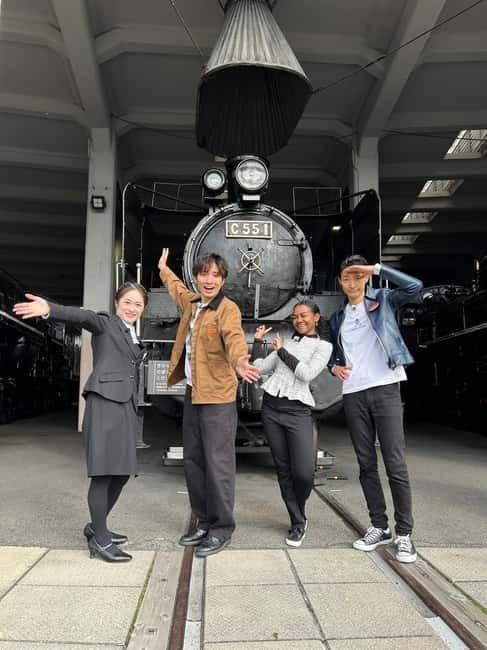
- Working steam locomotive ride for a real nostalgia moment
- Roundhouse turntable rotation that’s fun to watch, even if you’re not a hardcore rail fan
- Sky Terrace for elevated views inside the museum
What your Kyoto Railway Museum admission actually covers
This is a standard admission ticket for one day at Kyoto Railway Museum, valid for that same day (check availability to match your timing). You’re not signing up for a timed guided tour. Think of it as a museum day with built-in show moments and hands-on stops.
For me, the best part of this format is freedom. You can start with the trains that grab you most, then come back for simulators or the roundhouse when you’re ready. The museum is also marked as wheelchair accessible, which matters in a museum where you’ll be walking between exhibit areas.
The admission itself is simple, and the overall price feels fair for what you get: trains you can see up close, plus activities that aren’t just standing and reading. If you’re traveling with kids, that “do something” factor is a big reason this works so well.
One more practical point: the ticket is non-refundable, so be sure your Wednesday situation is solved before you buy.
A few more Kyoto tours and experiences worth a look


The core experience: walking through 53 real trains, steam to Shinkansen
The Kyoto Railway Museum’s collection is built around scale and authenticity. You’re seeing 53 real trains, not replicas. That alone changes the vibe from museum to time machine.
Here’s how that helps you as a visitor. When you can compare different eras side by side, the evolution of Japanese rail stops being abstract. Steam locomotives feel physical and slow in a way that’s hard to appreciate from photos. Then you can pivot toward the sleek logic of the Shinkansen era and feel the contrast in design and purpose.
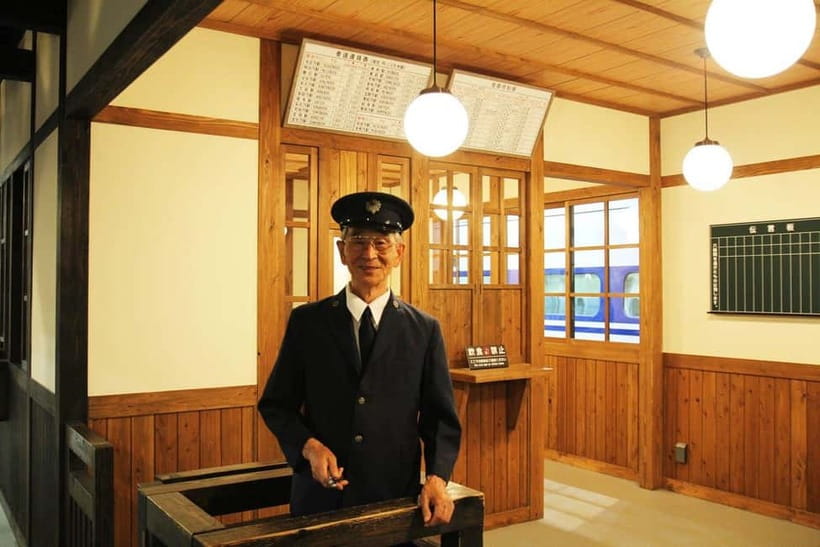
A standout detail is that you’re not limited to viewing exteriors. You can step inside iconic trains, which gives you a real sense of proportions—doorways, seating layouts, and how cramped (or not) a car feels. It’s one of those experiences that’s hard to replace with videos or pictures.
If you’re the type who loves technical explanations, you’ll probably enjoy how the museum ties trains to the systems around them: how rail travel functions as a whole, not just the vehicles. Even if you don’t read every label, the layout makes it easier to understand the big picture as you move through the cars.
Hands-on simulators and dioramas that make rail tech make sense
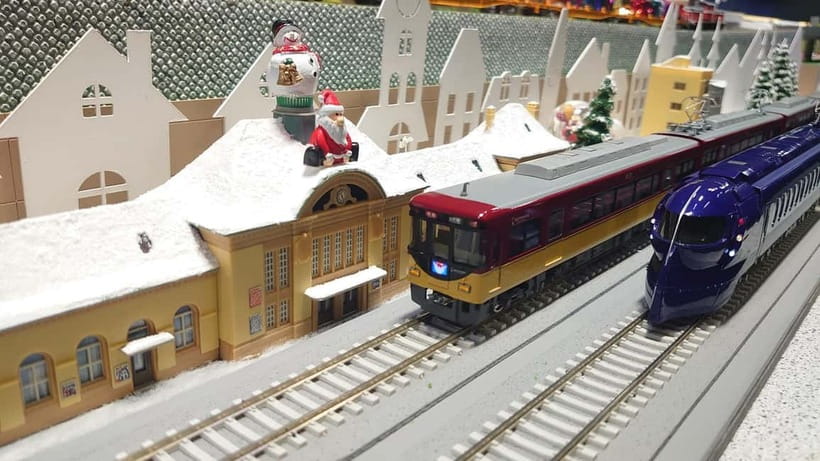
A lot of museums have “interactive” features that are basically button presses. This one goes further with realistic hands-on simulators. The point isn’t just to entertain you. It’s to make the job feel understandable.
When you try a simulator, you start noticing how rail travel depends on timing, signals, and control. Even if you’re not great at it at first, it gives you a practical mental model. You’ll likely watch your own mistakes, then think, oh—this is what operators are managing constantly.
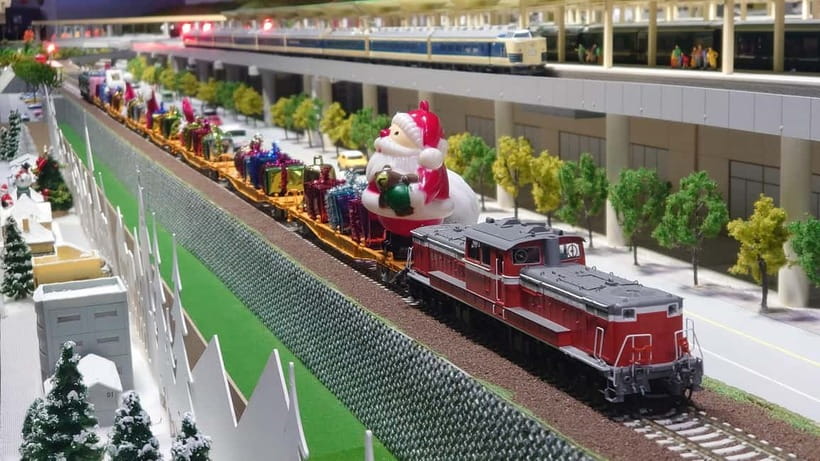
The dioramas and model scenes add another layer. They’re not just for decoration. They help show the choreography of stations, tracks, and rail operations in a way that feels like a training tool. This kind of storytelling is especially useful if you’re traveling with kids. They can connect what they see in tiny scenes to what they’re already standing next to in full scale.
I also like that the overall atmosphere can feel quiet and cool compared with other sightseeing-heavy spots. You can move at your own pace without feeling like you’re stuck in a loud, chaotic crowd.
The working steam locomotive ride and the roundhouse turntable show
If you remember only one thing from the Kyoto Railway Museum, make it this: a working steam locomotive ride and the roundhouse turntable rotation.
The steam locomotive part adds emotion that no exhibit panel can match. You get that nostalgic, slower-motion feeling that makes early rail travel seem more human. It’s not just about the engine as an object—it’s about experiencing movement the way trains were experienced when they were the main technology of long-distance travel.
Then there’s the roundhouse. Watching the turntable rotation is a satisfying kind of mechanical theater. Even if you don’t care about the physics, you can appreciate the precision. The rotation ties together the idea of how trains are positioned, stored, and prepared—useful context that makes the rest of the collection click.
For planning, treat these as your “must-see anchors.” If the museum gets busy, don’t let the crowd pressure rush you through everything else. Start earlier, or build your day so you reach the steam/roundhouse areas when you still have energy to wait a bit if needed.
Step inside the trains: what you’ll notice up close
Stepping inside train cars is where this museum becomes more than a photo stop. On your visit, look at small details that change your understanding of a train:
- How wide doorways feel in real space
- How seating areas are laid out
- How the interior lighting and atmosphere feel from inside, not beside
Because you’ll be moving between many different trains, these impressions stack up fast. You’ll start noticing design changes that reflect different periods and different goals—comfort, speed, capacity, or efficiency.
This is also why it’s a solid stop even if you’re not a dyed-in-the-wool train fan. You don’t need to know model numbers. You just need to look around and compare. The museum structure makes that comparison easy.
If you’re traveling with someone who gets restless indoors, this “walk-through” element can help. It gives your day variety without needing extra transportation.
You can also read our reviews of more museum experiences in Kyoto





Where to go and how to redeem your admission
Your “meeting point” is straightforward: go directly to Kyoto Railway Museum for redemption.
If you like using maps and coordinates, the location is 34.9870986, 135.7422732. Once you arrive, follow the museum entry process for your ticket.
A small but important rule: when there are many people in the queue, wait in line at the entrance area labeled for Early Bird Advance Ticket if you’ve been directed there. This is worth paying attention to, because it can save you time during peak moments.
Also keep in mind the museum requires you to present the admission ticket to staff when you re-enter. That’s relevant if you step out for photos nearby or need a break and plan to come back in.
Building a smart one-day flow without getting rushed
You don’t have an official itinerary, so I recommend designing your own route based on interest. Here’s a simple, low-stress flow that works for most people:
1) Start with the big collection halls
Get your bearings fast by focusing on the trains you’re most curious about first. The museum’s scale—53 real trains—can feel like a lot at the start, so picking targets reduces fatigue.
2) Use simulators mid-day
After you’ve seen enough rail variety, the simulators will make more sense. You’ll understand what you’re controlling and why it matters. If the museum is busy, mid-day can also be a good time to rotate through activities that don’t require constant outdoor movement.
3) Save the roundhouse and steam area for later
Not because it’s less important, but because you’ll enjoy it more when you’re mentally focused. This is also when crowds sometimes peak, so if you reach it slightly later, you may still have time to enjoy the show without racing.
4) Finish with the Sky Terrace
The Sky Terrace is a nice capstone. Views help you reset after close-up details. It’s a good moment to take photos and reflect on how the parts of the museum connect.
If you feel overwhelmed, slow down. You don’t have to see everything in one perfect sequence. The value is in pacing yourself so the experience stays fun instead of a checklist.
Price and value: why $9 can feel like a bargain here
At $9 per person for standard admission, you’re paying for a full day inside a museum with real working elements. That’s the key: you’re not only viewing preserved equipment. You’re also getting active exhibits—hands-on simulators, inside-train access, and a working steam locomotive component.
Value gets even better when you consider the range of what’s included in that single price: steam heritage, Shinkansen fame, mechanical show moments, and learning-friendly exhibits. You’re essentially paying for multiple experiences that many other museums would split across separate attractions.
The one “value risk” is time. A lot depends on how much you want to linger with trains and try the simulator options. If you only have an hour or two, it could feel like you missed the best parts. But with a full 1-day visit, $9 starts to feel very reasonable.
Who should go (and who might feel under-satisfied)
This is best for:
- Train lovers who enjoy variety across eras
- Families looking for interactive museum time
- People who like technical explanations without making it feel like a lecture
- Anyone who wants a Kyoto activity that’s indoors and relatively calm
You might feel less satisfied if:
- You only want a quick photo stop and don’t enjoy hands-on exhibits
- You’re visiting on a Wednesday and get caught by the closure
- You want a fully guided narrative with fixed tour timing (this is mostly self-paced admission)
If you’re unsure, ask yourself one question: do you want to do things in a museum, not just look? If yes, this fits well.
Practical FAQ for planning your museum day
FAQ
Is the Kyoto Railway Museum ticket good for more than one day?
No. It’s valid for 1 day only, so pick a date that matches your schedule.
How much is admission?
The ticket price is $9 per person for standard admission.
Where do I go to redeem the ticket?
Proceed directly to Kyoto Railway Museum for redemption at Kyoto Railway Museum (34.9870986, 135.7422732).
Is the museum open every day?
No. The museum is closed every Wednesday.
Is the ticket refundable?
No. This activity is non-refundable.
Can infants or children get free or discounted entry?
Yes. An infant under 3 years old is free of charge. Children between 3 and 7 years old can purchase tickets on-site for 200 yen.
Do I need to show my ticket again if I leave and come back?
Yes. You should present the admission ticket to staff when you re-enter the museum.
Should you book the Kyoto Railway Museum admission ticket?
If you’re deciding whether this belongs in your Kyoto plan, I’d say yes—especially if you like hands-on learning and real train displays. For the money, you’re getting a rare mix: inside-the-train access, 53 real trains, real rail nostalgia with a working steam locomotive, and a mechanical show moment in the roundhouse turntable rotation.
Book it if you can visit on a non-Wednesday date and you have a full day to wander. Skip it—or at least rethink the timing—if Wednesday is your only option, because that closure will wreck the plan. If you’re the type who enjoys quiet indoor attractions and interactive exhibits, this is an easy “worth it” day in Kyoto.