
REVIEW · HAMBURG
Hamburg: Museum of Illusions Ticket
Book on GetYourGuide →Operated by Museum der Illusionen Hamburg · Bookable on GetYourGuide
Your brain will argue with you at every turn. In Hamburg’s Museum of Illusions, 50 interactive exhibits turn perception into the main event, from floating-head style optical tricks to spaces that feel physically impossible. I especially like the hands-on style, where you’re not just watching—you’re participating. I also like the built-in photo moments that make the illusions feel personal. One drawback to keep in mind: a visit can feel a bit quick if you’re moving fast, so check the price-versus-time fit for your group.
This is a great low-effort plan for a one-day stop in northern Germany: you walk in, grab your ticket (with skip the ticket line options), and start testing your senses immediately. You’ll also spend time in the Brain Gym, where dilemma-style puzzles get you thinking instead of just reacting.
Bring a camera and an open mind, because the museum is designed to make you second-guess your eyes. Also note that some content is shown in its original language, so plan for a little reading or pointing if you don’t speak German.
In This Review
- Key Highlights You’ll Actually Care About
- First Look Inside: How the Museum of Illusions Hooks You
- 50+ Hands-On Exhibits That Test What Your Eyes Claim
- The Headliners: Floating Faces, Infinite Space, and Gravity Tricks
- Brain Gym: Dilemma Games for a More Thoughtful Visit
- How Long It Takes on a 1-Day Ticket (And When to Slow Down)
- Price and Value: Is It $17 Worth the Time?
- Practical Tips: Camera, No Food, and How to Make Photos Look Real
- Who Should Book This Museum Ticket in Hamburg?
- Should You Book the Museum of Illusions Hamburg Ticket?
- FAQ
- How many exhibits are included in the Museum of Illusions Hamburg?
- How long does the ticket last?
- What is included with the ticket?
- What should I bring to the museum?
- Are pets or food allowed inside?
- Is the museum wheelchair accessible?
- Is content available in languages other than German?
Key Highlights You’ll Actually Care About

- 50+ interactive stations that play with physics and perception, not just simple photo ops
- Brain Gym dilemmas and puzzle games for a more brainy payoff
- Big illusion-style moments like walking with altered gravity and changing scale effects
- Photo opportunities built into the exhibits, so you can take away proof
- A visit length that varies by pace, with solo passes sometimes finishing around 30–40 minutes
First Look Inside: How the Museum of Illusions Hooks You

The Museum of Illusions Hamburg is built around one idea: your brain makes predictions, and it often gets them wrong. That means you’ll spend most of your time doing, not standing—touching, stepping, posing, and watching what your senses do when the rules shift. You’re basically running a live experiment on yourself.
I like that the experience doesn’t require background knowledge. You don’t need to understand optics or psychology to enjoy it. You just need curiosity and the willingness to look again—because the illusion often holds up even after you try to “solve” it.
Another smart touch is pacing by variety. The museum mixes illusion types so you’re not stuck in one theme for too long. One moment is all about motion and balance; the next is about visual mismatch. That variety helps if you’re traveling with kids, teens, or a mixed group where attention spans vary.
A few more Hamburg tours and experiences worth a look



50+ Hands-On Exhibits That Test What Your Eyes Claim
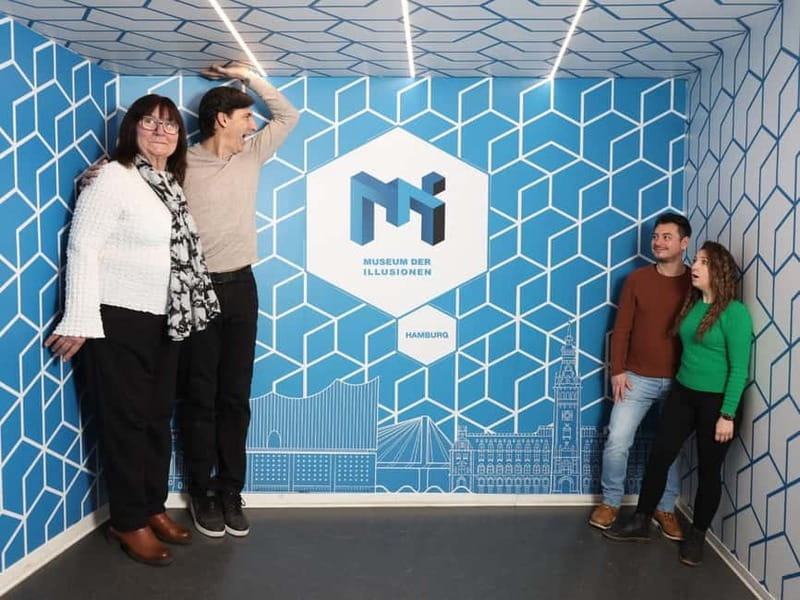
This place earns its ticket by giving you lots of chances to be fooled, corrected, and then fooled again. With over 50 interactive exhibits, you can wander through a broad menu of perception games. The core promise is simple: you’ll question the laws of physics and also trust your senses—or not.
Here’s what that means in practical terms. Many exhibits are set up so your body position matters. If you stand slightly off, the “result” changes. If you tilt your head, the illusion can swing. That makes the museum feel active and slightly unpredictable, like it’s responding to you.
I also like that the museum focuses on human perception in a friendly way. Instead of turning science class into homework, it turns it into play. You’re learning about how the brain processes shapes, depth, motion, and scale. The lesson sticks because you experience it firsthand.
A small caution: because there are many stations, you might feel tempted to rush. If you do, you can end up “collecting” illusions instead of experiencing them. Try to pause when something looks wrong. That’s when the museum really works.
The Headliners: Floating Faces, Infinite Space, and Gravity Tricks

The museum’s most memorable moments are the ones that feel like the rules of your body have been rewritten. Think floating-head-style optical effects, setups that look like infinite space, and experiences that aim to make you feel like you’re defying gravity. These are the exhibits that tend to generate the biggest reactions and the most convincing photos.
What makes these moments worth your time is not just the trick itself. It’s the way your brain tries to correct it. You’ll look for reference points. You’ll compare what you feel in your muscles to what you see on the screen or floor. When those two don’t match, you get that delicious “wait… what?” feeling.
One tip from experience with people’s visit patterns: if you’re the type who likes to figure out why something works, give those big exhibits a few extra minutes. They’re designed to reward attention. If you’re traveling with kids, these are usually the stops that keep everyone engaged because you can do something immediately—pose, step, or move into the right spot.
And yes, there are also photo-friendly scenes. One solo visitor highlighted the visual punch of a purple tunnel, which is exactly the kind of environment that makes your camera feel like part of the exhibit.
Brain Gym: Dilemma Games for a More Thoughtful Visit
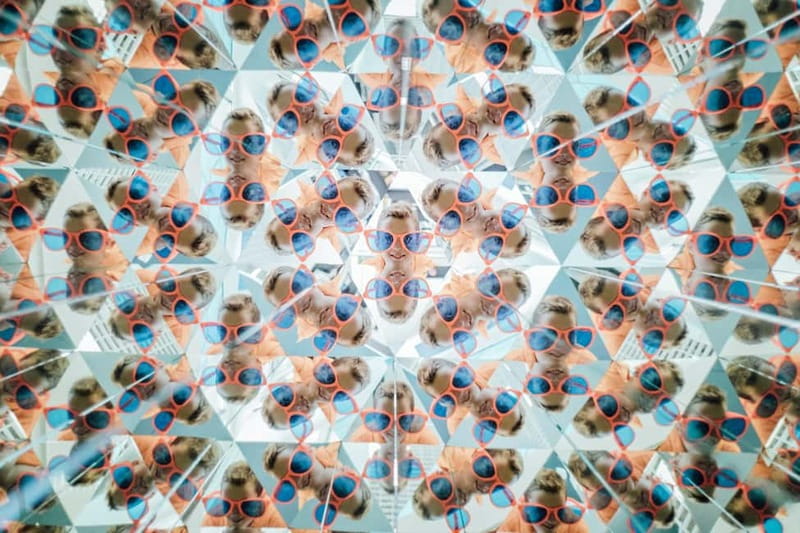
After you’ve spent time being visually fooled, the Brain Gym changes the tone. This is where you move from perception tricks to puzzle-style thinking. Expect dilemma games that get your brain cells working and push you to solve problems together.
This section matters because it balances the experience. A museum of illusions can become a nonstop string of photos if you’re not careful. Brain Gym helps slow you down. It turns the visit into something closer to a game night, with teamwork and quick mental challenges instead of only visual surprises.
I also like that it’s described as a “dilemmas” space, because that signals variety in the challenge style. Instead of being purely rote, these tasks likely depend on choices and reasoning. If you enjoy puzzles, this is often the part that feels more satisfying when the lights go out and you walk back into normal reality.
If you’re visiting solo, you can still enjoy it, but go in with the mindset that you’re participating in a shared activity. It tends to make the visit feel more human, less like an individual photo scavenger hunt.
How Long It Takes on a 1-Day Ticket (And When to Slow Down)

The ticket is valid for 1 day, and starting times depend on availability. That’s all you need for planning, but the real question is: how long will you be inside?
With 50+ exhibits, you can easily fill a good chunk of your day if you linger. But there’s a real-world pattern worth noting: a solo adult visit can move quickly. One review specifically mentioned seeing everything in about 30–40 minutes. That doesn’t mean the museum is short. It means your pace controls your experience.
So here’s the practical strategy:
- If you’re a fast walker and want quick fun, expect less than an hour might be enough.
- If you want to read, test, and retake photos, plan closer to 1.5–2 hours.
If you’re traveling as a family with kids, they’ll often slow down at the interactive stations that trigger big reactions. That can stretch your time in a good way, especially when attention is split between the main illusion rooms and Brain Gym.
If you’re deciding whether the ticket feels “worth it,” your time budget is the deciding factor. The museum is interactive, but not huge in a way that guarantees a full half-day for everyone.
You can also read our reviews of more museum experiences in Hamburg

Price and Value: Is It $17 Worth the Time?
The standard price is listed at $17 per person. That’s a fair ballpark for a hands-on attraction in a major German city, especially one with 50+ interactive stops. But value is personal here, because the museum can be quick depending on how you move.
I think this is how to judge it without overthinking:
- If you enjoy playful learning and you’ll take time at multiple stations, the per-minute cost often feels reasonable.
- If you’re expecting a slow, in-depth museum experience with lots of reading or long exhibits, it may feel too short for the price.
One visitor mentioned the illusions were cool but that there weren’t as many as they expected from the imagery, and they felt it was expensive for roughly 30 minutes of entertainment. That’s the exact type of mismatch to watch for: high expectation from photos can create disappointment if your visit ends quickly.
On the other hand, multiple positive comments described the experience as very enjoyable, highly entertaining, and recommended. One German visitor named Axel said it was an absolute recommendation. Another said it was very entertaining, and that optical illusions are the main draw.
Also consider the disability pricing listed: a reduced price of €13 applies for people with disabilities. And if someone has a severe disability with a B or H note, one companion can come for free. That’s meaningful value if it fits your situation.
Bottom line: it’s worth buying if you want a fun, interactive “wow” hour (plus extra if you linger). It’s less of a bargain if you need long-form museum immersion.
Practical Tips: Camera, No Food, and How to Make Photos Look Real
If you want good results, don’t treat this like a quick stop-and-go museum. Treat it like a hands-on photo playground where the camera helps you understand what happened.
Bring a camera. That’s explicitly recommended, and it’s not just for memories—it helps you notice details you missed during the first try. Some illusions look different when you freeze the moment, and taking multiple angles can make the effect clearer.
Also remember:
- Pets are not allowed.
- Food and drinks are not allowed.
That’s less about rules for their own sake and more about keeping the exhibits clear and safe for walking, stepping, and interacting. Wear comfortable shoes. You’ll likely move around a fair bit inside the spaces and reposition yourself for effects.
Language is another practical point. Some content is shown in its original language. You won’t need perfect German to enjoy the interactive stations, but if signage matters to you, be ready to translate on the fly or rely on visuals.
Finally, with “walk-on-the-ceiling” and similar effects mentioned, you’ll want patience. Those are usually more fun when you let others finish their turn and when you don’t rush your own setup.
Who Should Book This Museum Ticket in Hamburg?
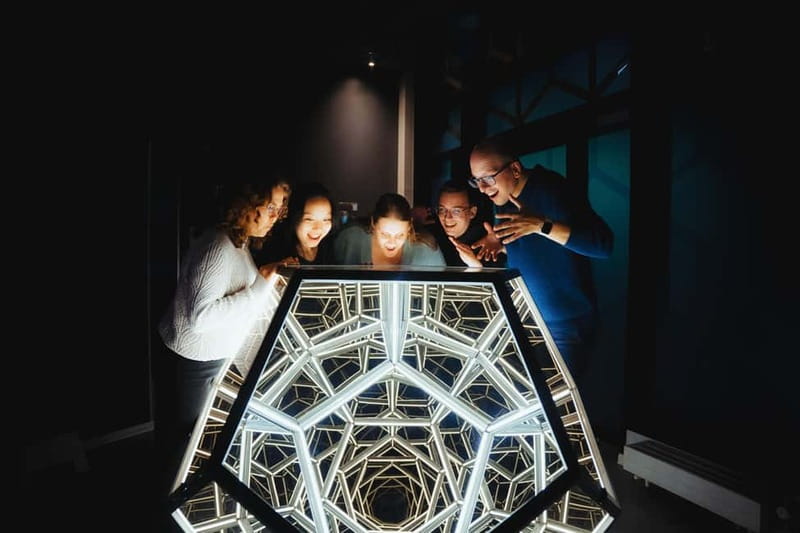
This museum is a strong match for people who like play, short science, and hands-on surprises. It’s especially good if you’re:
- Traveling with kids and want an activity that doesn’t feel like homework
- Going with friends and want shared moments you can laugh about later
- Wanting a quick, high-reaction activity during a Hamburg itinerary
- Enjoying puzzles or at least being curious when your senses disagree
It’s less ideal if you strongly prefer long museum narratives, lots of quiet time, or you dislike interactive exhibits where you have to participate.
If you’re visiting solo and you move fast, you might cover everything in about 30–40 minutes. That can still be totally worth it if you’re aiming for a short, memorable stop rather than a half-day commitment.
Should You Book the Museum of Illusions Hamburg Ticket?

Book it if you want 50+ interactive perception challenges with a fun Brain Gym add-on, plus photo moments that make the illusions feel real. The ticket price makes sense when you’ll take your time and when you’re coming for the experience of being fooled in a friendly, hands-on way.
Skip or reconsider if you know you won’t linger, if you’re expecting a long, deeply narrated museum, or if you’re sensitive to the idea that some people can finish in under an hour. This is best treated like a playful attraction that rewards curiosity more than it rewards endurance.
If that describes you, you’ll likely leave with at least a handful of “I can’t believe that worked” photos and a new respect for how your brain stitches together reality.
FAQ
How many exhibits are included in the Museum of Illusions Hamburg?
Your ticket covers access to over 50 interactive exhibits.
How long does the ticket last?
The ticket is valid for 1 day.
What is included with the ticket?
The ticket includes admission to the Museum of Illusions Hamburg, including the interactive exhibits and the Brain Gym area.
What should I bring to the museum?
Bring a camera for photos during your visit.
Are pets or food allowed inside?
Pets and food and drinks are not allowed.
Is the museum wheelchair accessible?
Yes, the attraction is wheelchair accessible.
Is content available in languages other than German?
Some content is shown in its original language.