REVIEW · GIRONA
Girona: Jewish Heritage Guided City Tour and Museum Visit
Book on GetYourGuide →Operated by Girona Experience · Bookable on GetYourGuide
Girona’s Jewish Quarter hits you in the street. I love how this walk turns the medieval El Call into something you can see, not just read, and I also love the focused stop at the Museum of Jewish History in a synagogue setting. One heads-up: it’s not wheelchair-friendly, and the cobbled lanes mean your feet do the heavy lifting.
What makes this tour worth your time is the human scale. You’ll hear how the community lived day to day in the “Call,” learn why Girona’s Jewish story is considered one of Spain’s most important medieval chapters, and connect key names like Nahmanides to real corners of the city. I also like that the group stays small (up to 10), so questions actually get answered instead of getting swallowed by the crowd.
If you’re expecting a slow, museum-only lesson, adjust your expectations. This is a walking-and-talking experience that moves through narrow streets and packed historical context, so bring patience for tight streets and a steady pace.
In This Review
- Key Points That Make This Tour Good
- Where Girona’s Jewish Quarter Still Feels Medieval
- Meeting Place and Start: Getting Your Bearings Fast
- The Call’s Street-Level Story: Life, Worship, and Community
- Where the Story Turns: The Expulsion in 1492
- Museum of Jewish History: The Last Synagogue Before 1492
- Nahmanides and Medieval Thought You Can Actually Picture
- How the Tour’s 2.5 Hours Works in Real Life
- What You’ll Learn (Beyond the Usual Checkboxes)
- Price and Value: Is $53 a Good Deal?
- What to Watch For: Speed, Questions, and Comfort
- Who This Tour Is Best For
- Should You Book This Girona Jewish Heritage Tour?
- FAQ
- How long is the Girona Jewish Heritage Guided City Tour and Museum Visit?
- What’s included in the price?
- Where does the tour start?
- What languages are available?
- How big is the group?
- Is the tour wheelchair accessible?
- Do I need to buy museum tickets separately?
- What should I wear or bring?
Key Points That Make This Tour Good
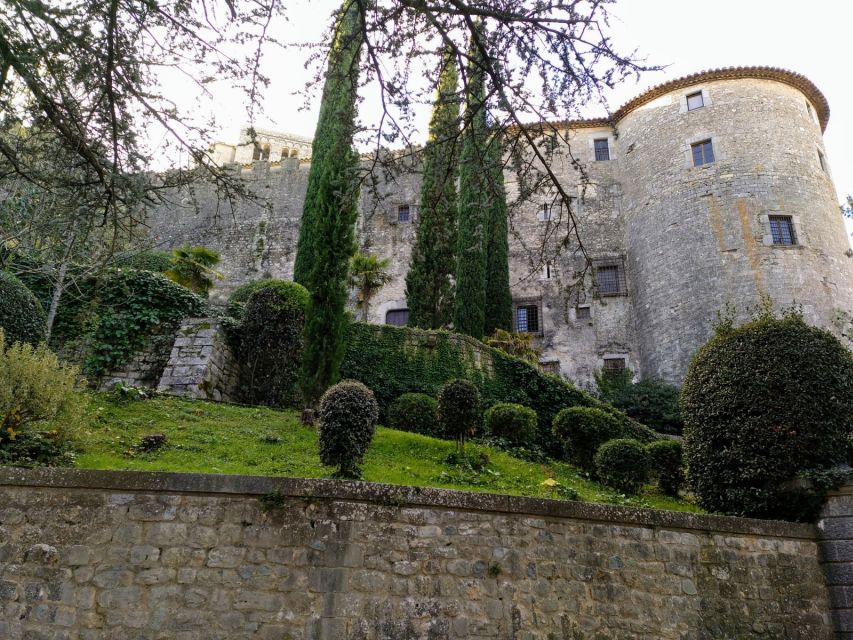
- El Call walk on preserved medieval streets you can still picture being everyday life
- Museum of Jewish History visit inside the last synagogue before 1492
- Nahmanides connections tied directly to Girona’s geography, not just a name in a book
- Three-synagogue trail that helps you understand where worship fit into daily life
- Small group feel (max 10) that supports real Q&A
- Two-and-a-half hours of structure so you get both storytelling and a museum stop
Where Girona’s Jewish Quarter Still Feels Medieval

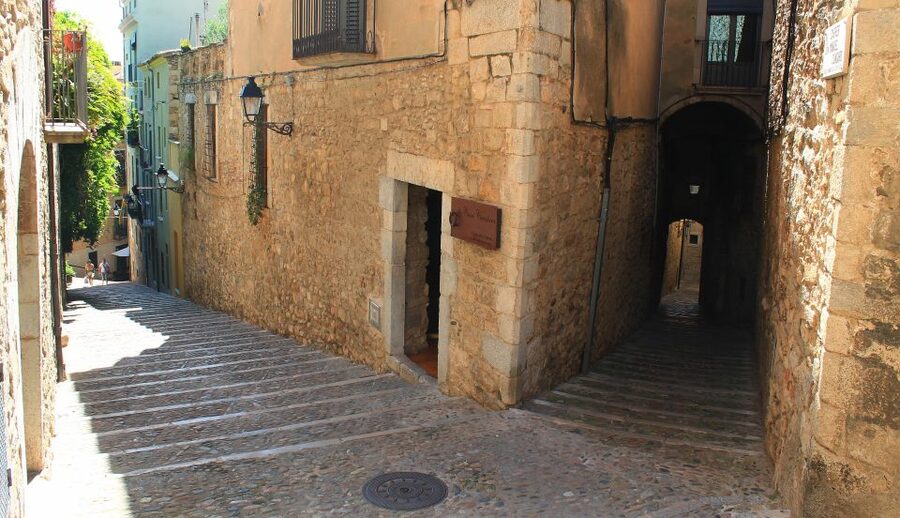
Girona’s Jewish Quarter is often described as one of the best-preserved areas from the Middle Ages in Europe, and you feel that quickly as you start moving through the old lanes. The district—known locally as the Call—sat in the heart of the city, with traces stretching back to Roman and medieval layers. That matters because it changes the tour from a single-eras story into a place where time overlaps. Stones, street geometry, and the layout of the quarter help you understand how people moved, met, shopped, and worshiped.
I like that the tour frames the quarter with numbers and daily life, not only big events. During the Middle Ages, the Call had around 1,000 inhabitants, which gives you a sense of scale. This wasn’t some tiny outpost—it was a real neighborhood with routines, rules, and community identity.
A key idea you’ll hear is that the Jewish community shaped the city long before modern borders and labels. The guide points out how customs and traditions show up in practical details, like the kinds of tools people used and how houses were designed. That approach is what keeps the streets from turning into a generic walking tour. You’re building a mental picture of life.
Meeting Place and Start: Getting Your Bearings Fast
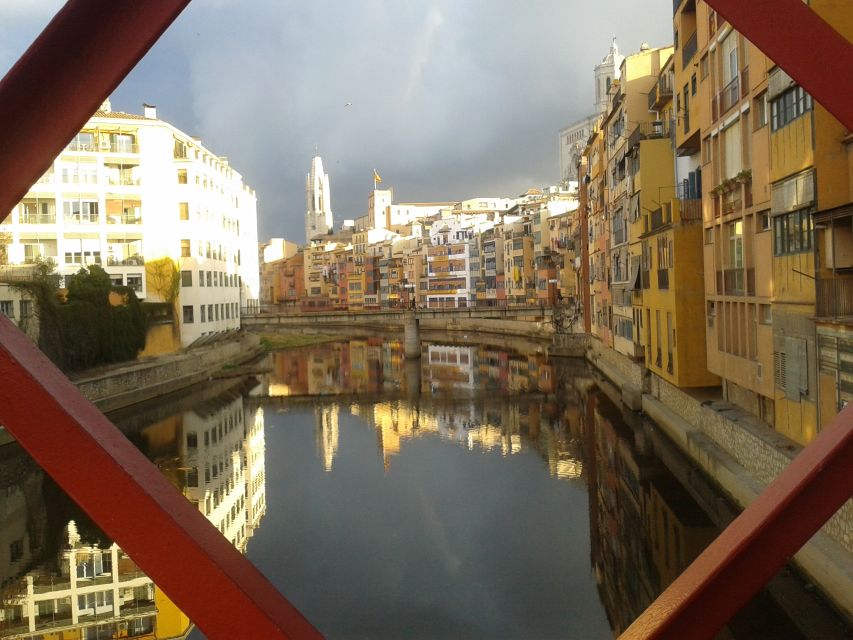
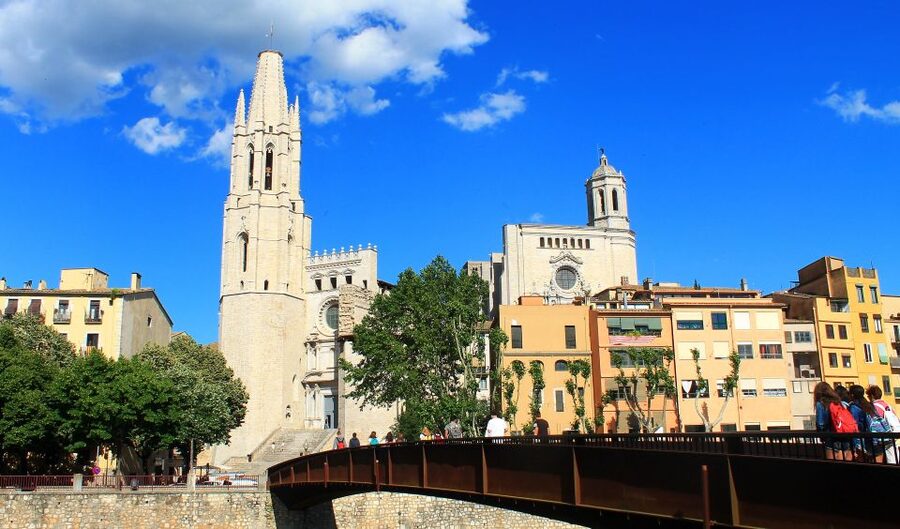
You meet at Plaça de Sant Feliu, beside The River Caffe. This is a practical setup because it puts you near the older city core, so you start walking right away instead of spending the first part hunting for the “right corner.”
You’ll also see there are two starting options, including an address at Carrer d’En Jaume Pons Martí. Either way, once you’re with the group, the plan is straightforward: guided walking comes first, then the museum visit. The tour runs 2.5 hours, which is long enough for real context, but short enough that you won’t lose the thread.
The best prep is simple: wear comfortable shoes. The experience is friendly if you can handle cobblestones and narrow streets.
The Call’s Street-Level Story: Life, Worship, and Community
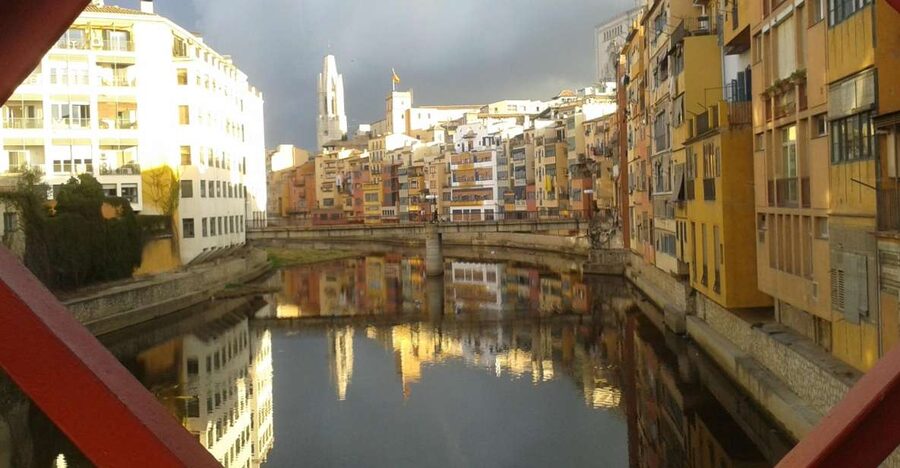
The core of the experience is the guided walk through El Call. You’ll go lane by lane through a neighborhood that historically held three synagogues, and the guide connects those sites to how the community lived and believed. That’s a big deal because it keeps the story from becoming only political history. You’re seeing where faith, social life, and neighborhood layout intersected.
As you move, you’ll hear about customs and traditions from the inside angle—what people did, what tools they used, and what everyday spaces were like. The tour also focuses on how the community organized itself culturally and practically. Even if your knowledge starts at “basic,” the way the guide talks helps you build from there step by step.
One of the standout aspects is the name-dropping without name-dropping. You’ll learn why Girona matters for Nahmanides—one of the most important rabbi-philosopher figures linked to Girona. Rather than treating him like a museum label, the tour anchors his presence to the quarter’s physical geography. That makes it easier to remember what you’re seeing, and it gives you a reason to look at the streets as historical evidence.
Where the Story Turns: The Expulsion in 1492
Every guide on this tour has to cover the turning point: the history leading to the expulsion of the Jews in 1492. The guide explains how that event ended about 600 years of coexistence in the area. You’ll hear this not as a vague tragedy, but as a rupture in a long-running everyday world.
What I like about how this part is handled is that it’s threaded through the physical walking route. When a major event gets attached to locations you’ve just walked through, it stops feeling abstract. The narrow lanes and old structures become part of the emotional logic of the story—this is what was there, this is what was disrupted, and this is why the memory matters.
If you’re sensitive to heavy historical topics, this tour doesn’t avoid them. But it also doesn’t wallow. Expect clear, structured explanations, and a guide who brings it back to the human scale of Girona’s Jewish life before the break.
Museum of Jewish History: The Last Synagogue Before 1492
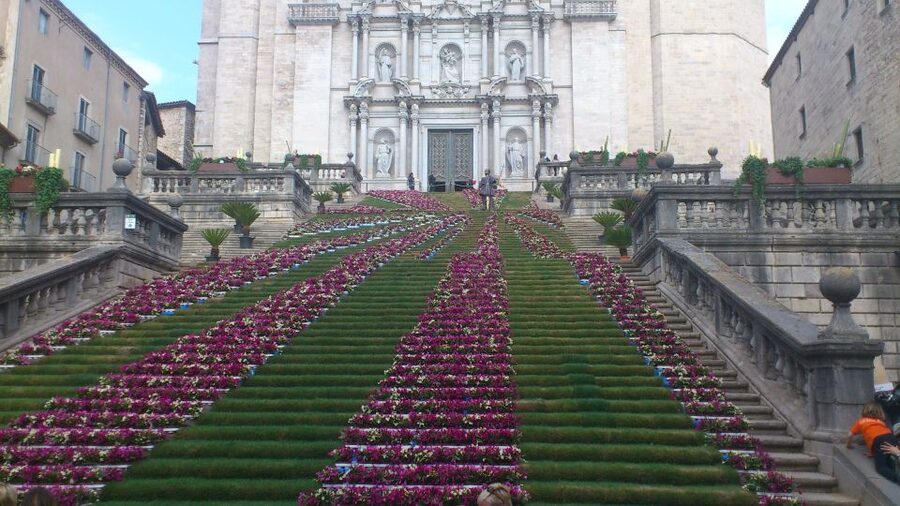
After the street walk, you switch gears at the Museum of Jewish History. You get about 45 minutes inside, which is a balanced length: long enough to see key displays and absorb the story, short enough that you stay engaged instead of clock-watching.
The museum visit is special because it’s connected to the theme of the tour at its most direct point. You’re learning about Jewish life in Girona and the historical sweep that includes the period leading up to 1492. The tour describes it as the last synagogue before the expulsion, which gives the building itself added weight. When you’re in a space tied to that history, the explanations tend to land harder. You understand why the museum isn’t just about facts, but about memory.
A practical note: museum time is where the guide’s pacing can really make or break your experience. The group size stays small, so you can ask questions, and the museum stop is a good moment to do that. If you’re curious about specifics—names, dates, daily customs—this is when your guide can connect the dots quickly.
Nahmanides and Medieval Thought You Can Actually Picture
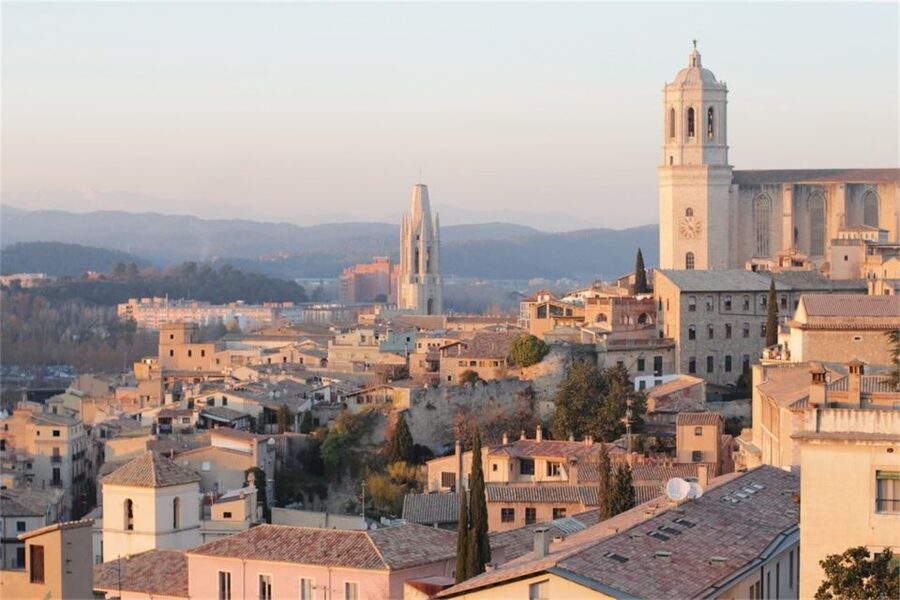
Nahmanides is one of the names that keeps coming up because Girona’s story isn’t only about community life. It’s also about ideas. The tour frames him as the hometown figure tied to Girona and presents him as a rabbi-philosopher, physician, and Sephardic rabbi. That mix is important: it shows how medieval Jewish learning wasn’t confined to one kind of study.
As you walk, you’ll find that the tour uses Nahmanides to help you connect Jewish scholarship to place. You’re not just learning a biography. You’re learning how one major figure fits into the geography and culture of the quarter.
I find that approach helps for two reasons. First, it prevents history from staying generic. Second, it gives you a “handle” to remember what you saw. Later, when you’re back in the city, you can recall a street or building and link it to a person and their time.
How the Tour’s 2.5 Hours Works in Real Life
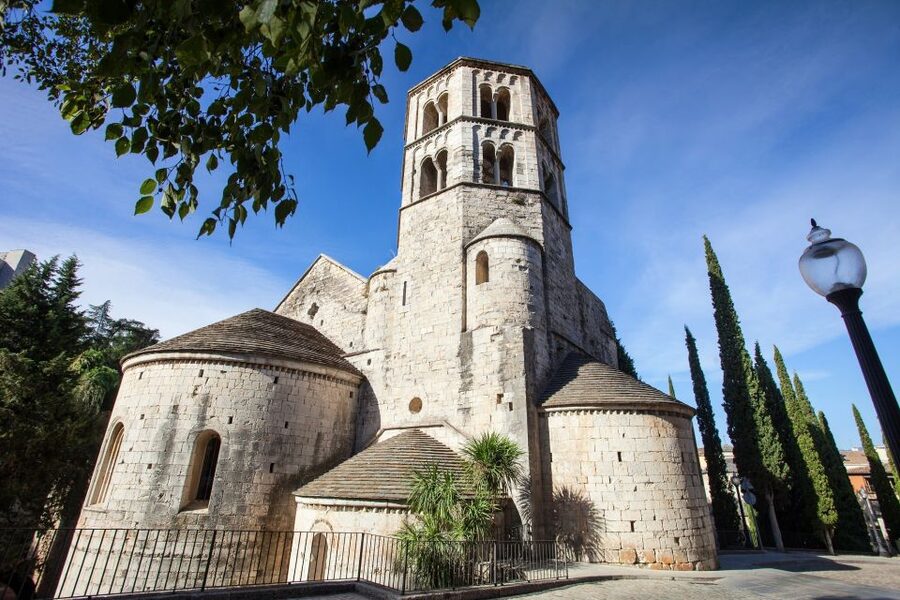
This tour runs 2.5 hours total, including walking and the museum stop. That timing is a sweet spot in Girona. You get a guided sweep of the neighborhood, then a museum visit that gives you more context and detail, and then you’re done before the day drains your attention.
Here’s how the time feels in practice:
- You start with the guided walk through the Jewish quarter and key street locations.
- You keep moving through the Call while the guide explains daily life, community identity, and worship spaces.
- You land at the Museum of Jewish History for a focused, shorter visit that reinforces the larger story.
You’ll finish with drop-off at one of two locations, including Plaça de la Independència.
A small-group format helps with pacing. With up to 10 participants, the guide can steer the conversation toward what the group wants to know. In the best moments, you’ll feel like you’re getting a curated local explanation rather than a scripted slideshow.
What You’ll Learn (Beyond the Usual Checkboxes)
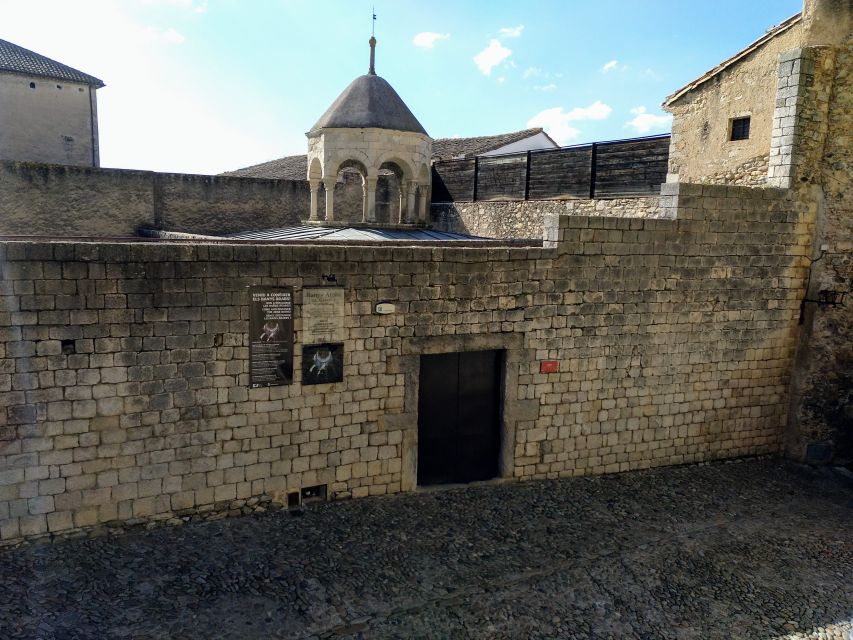
A lot of tours list sites. This one adds meaning. While you’re in the Call, you’ll learn about:
- the neighborhood’s historical role and population scale
- how customs and traditions were reflected in everyday life
- tools people used and the design logic behind houses
- where synagogues fit into the city’s layout
- the historical arc that ends with expulsion in 1492
Then the museum visit ties it together so you leave with more than “I saw old buildings.” You leave with a clearer sense of how a community functioned, how it organized worship, and how a long coexistence ended.
Price and Value: Is $53 a Good Deal?
At $53 per person for about 2.5 hours, you’re paying for three things at once: guided walking, museum access, and an expert guide. The inclusion of museum entry matters. A self-guided approach might let you wander the streets for free, but it won’t give you the structured context that turns the Call into a story you can follow.
You’re also not paying for a huge group format. Small group tours take time and staffing. If you want a guided explanation that supports questions and doesn’t rush you through the history, that’s where the price becomes easier to justify.
Where to be cautious is in your expectations. If you only want the broadest overview, you might feel the time is tightly packed. But if you like to understand why places matter, this format tends to pay off.
What to Watch For: Speed, Questions, and Comfort
One thing to plan for is pace. Some guides may speak quickly, and you may need a few minutes to tune your focus. The fix is easy: settle in early, ask a question early if you want one answered, and don’t wait until the end when timing gets tighter.
Also, while the tour is designed for most able-bodied walkers, it’s not suitable for wheelchair users, and the cobblestones can be unforgiving. Bring shoes you trust, and keep your expectations grounded: this is history on foot.
Who This Tour Is Best For
This is a strong choice if you:
- want a clear, structured history of the Jewish Quarter in Girona
- enjoy walking tours with explanation, not just site photos
- like learning through place—connecting people like Nahmanides to streets and buildings
- want a museum stop that reinforces the walking story
- prefer a small group where you can ask questions
It’s also a good fit if you’re traveling with kids or teens who can handle storytelling. One of the recurring themes in guide styles here is engagement and humor, which can help complex history land in a way that sticks.
Should You Book This Girona Jewish Heritage Tour?
I’d book it if you want an organized way to understand Girona’s Jewish past without getting lost in notes or translations on your own. The combination of El Call walking plus the Museum of Jewish History gives you both the street-level feel and the context you need to make sense of it. Add in the Nahmanides connections, and you get a tour that’s more than a checklist.
Skip it only if you need wheelchair access or you know you can’t handle cobblestones and steady walking. If you’re comfortable on foot and you want history anchored to real streets, this is a good use of your Girona time.
FAQ
How long is the Girona Jewish Heritage Guided City Tour and Museum Visit?
The tour lasts 2.5 hours total.
What’s included in the price?
You get a guided walking tour of the Jewish Quarter, entrance to the Museum of Jewish History, and an expert guide.
Where does the tour start?
Meet your guide at Plaça de Sant Feliu, beside The River Caffe in Girona.
What languages are available?
The live tour guide is available in English and Spanish.
How big is the group?
It’s a small group limited to 10 participants.
Is the tour wheelchair accessible?
No, it’s not suitable for wheelchair users.
Do I need to buy museum tickets separately?
No. Museum entrance is included in the tour.
What should I wear or bring?
Bring comfortable shoes for walking on cobbled streets.