REVIEW · CAPE TOWN
Cape Town: Robben Island Boat Trip & Museum Tour Ticket
Book on GetYourGuide →Operated by Kasi Africa Safari & Tours · Bookable on GetYourGuide
Prison history doesn’t get more real than this. The 30-minute boat ride to Robben Island and the chance to see Nelson Mandela’s cell make this one of Cape Town’s most focused, meaningful tours. The visit is built around getting you from the water to the museum, then into the stories of what imprisonment was like, told by someone who lived it.
My favorite part is the human scale: walking through the places tied to Mandela’s 18 years in political imprisonment, then hearing that context from an ex-political prisoner guide. Second, I like that you don’t just sit in a room—you get a mix of bus touring and time on foot, including the Long March to Freedom historical walk. One drawback to consider: the experience can hinge on sound and pacing, and if your group has delays or the guide is hard to hear, some people end up feeling the stops move too fast.
In This Review
- Quick Take Before You Go
- Taking the Ferry: The Scenic Intro That Sets the Tone
- Robben Island Museum and Mandela’s Cell: Why This Stop Matters
- The Island Bus Tour: Fast Orientation Without Guesswork
- The Long March to Freedom Walk and Photo Stops
- Meeting Up, Timing, and the Real-Life Logistics
- Price and Value: Is $84 Worth It?
- Guide Quality and Group Pacing: What You Should Expect
- Who This Robben Island Tour Fits Best
- Should You Book This Robben Island Tour?
- FAQ
- How long is the Robben Island boat trip and museum tour?
- Where do I meet for the ferry?
- Do I need a passport?
- Is food and drinks included?
- Is the tour accessible for wheelchair users?
- What language is the tour guide?
Quick Take Before You Go

- Ferry timing from Nelson Mandela Gateway: 30 minutes each way, with a strong push to arrive early
- Mandela’s cell visit: a direct, on-site look at the prison portion of the story
- Museum guidance by a former prisoner: lived experience, not a distant lecture
- Bus tour for orientation: helps you understand where you are before you get inside the museum
- Long March to Freedom walk: a chance to connect the history to the idea of freedom
Taking the Ferry: The Scenic Intro That Sets the Tone
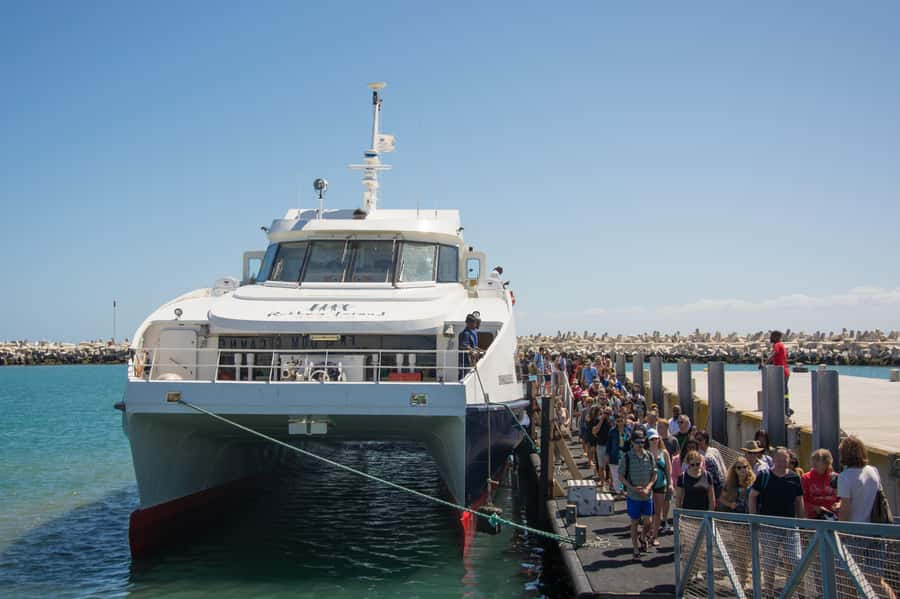
You start at the Nelson Mandela Gateway to Robben Island. Build in some breathing room because you’re told to arrive about 30 minutes early. That buffer matters more than you’d think, since missing the early window can set the whole day off.
The ferry ride itself is short—listed as 30 minutes each way—so it works as a quick “transition moment” rather than a full sightseeing cruise. But that transition is the whole point. You’re leaving the busy city area behind and moving toward a place where the island’s purpose was isolation and control. Even if the ride is more cramped than you hoped (some boats may feel tighter than others), you still get that unmistakable shift from ordinary Cape Town scenery to something heavier.
If you’re the type who likes to take photos, you’ll get at least a photo stop once you’re on the island. Still, don’t plan to squeeze in lots of scenic wandering during the ferry window. This tour is about structure: get you there, get you informed, and keep the flow moving.
A few more Cape Town tours and experiences worth a look


Robben Island Museum and Mandela’s Cell: Why This Stop Matters
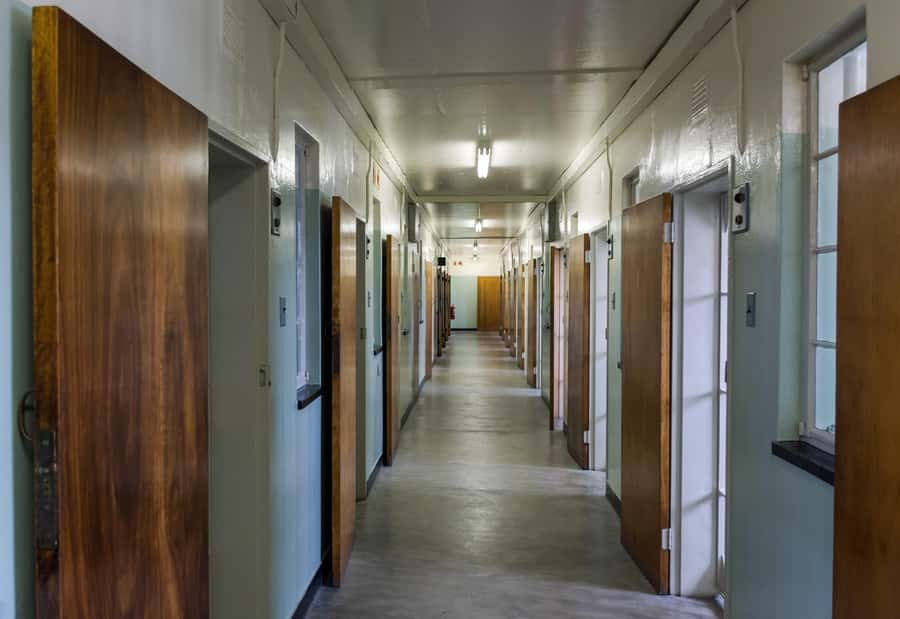
The core of the tour is the museum time and the prison portion—specifically seeing Mandela’s prison cell. This isn’t a “look at a replica” stop. It’s a visit to the real place tied to South Africa’s struggle against apartheid, and it’s built to show you the conditions and daily reality rather than only the big political headline.
What makes the museum visit stand out is the guide style. You’re not just getting facts; you’re getting a realistic sense of how imprisonment functioned on the ground. The tour is led at the museum by an ex-political prisoner, so the storytelling tends to come with practical details—how people were treated, what daily routine could feel like, and how the island’s geography shaped that experience. In a world full of dry museum explanations, this one tends to feel direct.
A second detail I appreciate: the cell area is treated as a moment you’ll actually notice. You’re not just pointed through it. You should plan to move slowly enough to absorb it. If you rush because your group is moving fast, you’ll lose what this part is trying to give you.
Sound can make or break the museum portion, though. If you’re seated too far back or the guide is difficult to hear, you may miss parts of the explanation—especially in tighter indoor spaces. Bring your patience, and if you can, choose a spot where you can hear clearly.
The Island Bus Tour: Fast Orientation Without Guesswork
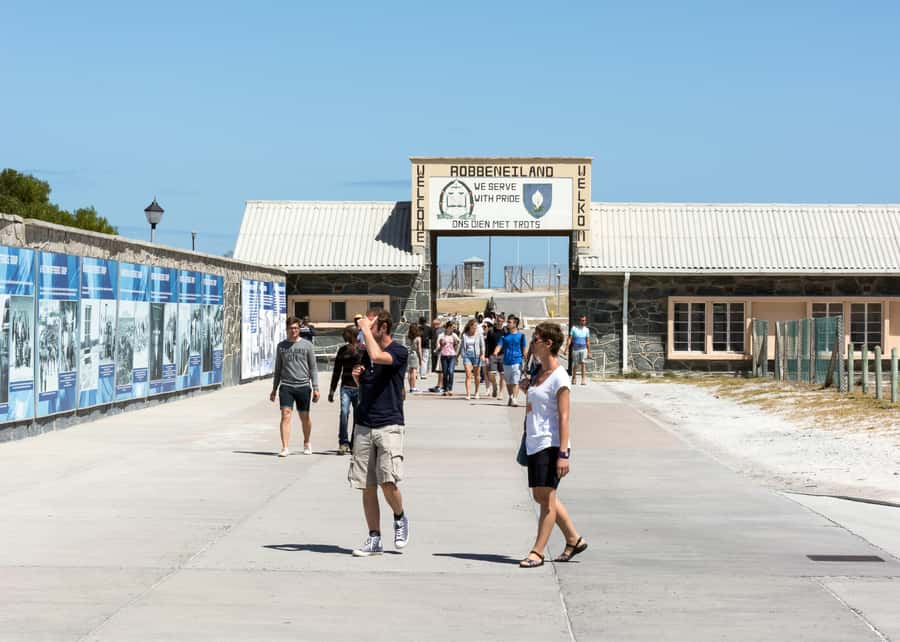
Before the prison visit, you’ll take a bus tour of the island. This part is underrated. Robben Island has a specific layout, and without that quick orientation, the museum can feel disconnected from the island itself.
The bus component is designed to connect the dots: where key areas sit, how the island was used, and what daily life meant in terms of movement and control. Your guide—also connected to the prison story in the way the tour is structured—helps put you in the right mental frame before you reach the museum buildings.
One thing to watch: bus touring can mean you spend time standing or shifting from one segment to the next. If you’re prone to getting restless in transit, plan for that. Also, if your group language level is mixed, you might experience a lot of general storytelling that doesn’t always translate into clear, specific answers. Still, when sound and pacing are good, the bus part is a helpful way to understand what you’re about to see.
The Long March to Freedom Walk and Photo Stops
This tour includes a historical walk in the footsteps of Nelson Mandela, connected to the idea of the Long March to Freedom. The value here is the connection between the prison story and the wider movement toward liberation. It’s not only about what happened behind bars; it’s about how political resistance kept pushing forward.
You’ll also have at least one photo stop on Robben Island. Think of those moments as chances to re-orient yourself, not long breaks. Wear shoes you’re comfortable walking in, because even if the walk segment isn’t described as a long hike, it still involves moving around an active tour route.
If you’re hoping for lots of unscheduled free time, you may feel a bit constrained. This is a tour with a timeline, and the walking and photos are slotted into that plan.
Meeting Up, Timing, and the Real-Life Logistics
This experience is set up to be smooth: you can skip the ticket line, and your ticket is handled digitally. Still, don’t treat the day like a casual hop-on activity. You have a ferry, set departure, and set visit blocks.
A few practical points you should take seriously:
- Bring your passport (the tour asks for it).
- Your digital ticket is sent, but the operator also requests you contact them after booking with participants’ full names and country of birth to make sure tickets are valid.
- You should go straight to the boat departure line at the gateway. No scavenger hunt, no wandering.
Timing is another issue worth respecting. Some departures may run behind schedule, and that can change the felt duration of the ferry ride. Even when the route is listed as 30 minutes, real-world factors can stretch it, and that can then push you through subsequent stops faster than you’d like.
What I’d do if I were traveling with you: aim for calm energy. Eat before you go. Bring water if you can (food and drinks aren’t included). And if you end up with a delay, stay flexible. The schedule stress tends to show up at the cell area because groups can’t linger.


Price and Value: Is $84 Worth It?
At $84 per person, you’re paying for more than transport. You’re paying for a guided museum and prison visit connected to the ex-prisoner perspective, plus the ferry and the island bus tour included in the ticket.
That said, the value question is real. Some people feel the ticket price is high compared with buying South African government tickets directly, especially when third-party operators bundle and resell. I don’t think that automatically makes the tour bad. But it does mean you should be honest about your priorities: if your top goal is the prison experience with a guide, paying for that structure may feel worth it. If your goal is only to visit at the lowest possible cost, you’ll want to compare options before you commit.
My balanced take: for first-time visitors who want everything lined up (ferry + museum + cell + guided context), $84 can be a fair trade. For budget travelers, it can feel steep—so shop with your own comfort level.
Guide Quality and Group Pacing: What You Should Expect

This is the one area where the experience can vary. The tour is guided, and the guide is presented as an ex-political prisoner for the museum portion. That’s a major plus when the delivery is clear and audible. When it works well, it’s powerful because it turns history into something you can actually understand.
But you should also plan for how groups are managed. Some reports describe situations where the guide was hard to hear, where the narration felt more like a fast lecture than a clear explanation, or where certain group members were separated and missed part of a stop. That doesn’t mean the tour lacks substance—it means the logistics of sound and crowd movement can affect your personal experience.
If you want the best chance of getting the full value:
- Stay close enough to hear the guide during the museum and cell time.
- Don’t rely on the group to pace itself politely; be ready to adjust.
- If a cell stop feels rushed, focus on what you can absorb in the moment rather than trying to catch every sentence.
Also, you might encounter specific names of staff that help with flow. One guide name that stood out in the overall experience was Shorty, praised for organization around the ferry segment. That’s a good reminder: the day depends on the people running it as much as the historic site itself.
Who This Robben Island Tour Fits Best
This tour fits best if you want a guided, structured Robben Island visit in about 4 hours. It’s ideal for:
- First-time Cape Town visitors who want the Mandela prison story without arranging transport and timing on your own
- People who prefer guided context over reading wall text
- Travelers who value a human, lived-experience perspective during the museum visit
- Anyone who wants a clear route: ferry, bus orientation, museum and cell, then the historical walk
It may be less ideal if you’re very sensitive to crowds, sound issues, or tight pacing. Because the experience is timeline-driven, you won’t have long, open-ended freedom to roam.
Should You Book This Robben Island Tour?
I’d recommend booking if you’re coming to Cape Town for the first time and you want Robben Island handled in a straightforward way: ferry included, museum guided, cell visit included, and a guided walk that connects the prison story to the larger idea of freedom. The key value is not just the location—it’s the way the tour is organized around explanation and guided movement.
I’d hesitate if you’re extremely budget-focused (because some people feel the ticket price is steep compared with cheaper direct options) or if you know you struggle with hearing guides in group settings. In that case, compare other ticket routes and decide whether you’d rather prioritize cost or a bundled guide experience.
If you do book, you’ll get the most from it by showing up early, staying attentive at the museum and cell stops, and giving yourself permission to absorb the site slowly, even inside a structured timeline.
FAQ
How long is the Robben Island boat trip and museum tour?
The total experience is listed as 4 hours, including the ferry time and the on-island museum and tours. Start times depend on availability.
Where do I meet for the ferry?
You meet at the Nelson Mandela Gateway to Robben Island and proceed directly to the boat departures line.
Do I need a passport?
Yes. The tour asks you to bring your passport. A digital copy of your ticket is used for entry, but you’re still advised to carry your passport/ID.
Is food and drinks included?
No. Food and drinks are not included, so you’ll want to plan accordingly before or during the day.
Is the tour accessible for wheelchair users?
Yes. The tour is listed as wheelchair accessible.
What language is the tour guide?
The live tour guide is in English.