REVIEW · CAPE TOWN
Cape Town: Heart of Cape Town Medical Museum Entrance Ticket
Book on GetYourGuide →Operated by City Pass Cape Town · Bookable on GetYourGuide
A hospital visit with world-changing stakes. The Heart of Cape Town Medical Museum brings the 1967 first successful heart transplant to life inside Groote Schuur Hospital. I especially love the chance to see original operating rooms arranged as they were on the day of the operation, and I like that the museum experience is led by a trained, certified guide who helps you understand what you’re looking at. One consideration: this is history with real medical intensity, so it’s not the best fit for kids under 10.
What makes this ticket feel like more than sightseeing is the setting. The story unfolds at the Charles Saint Theatre at Groote Schuur, tied to the date 3 December 1967 and the surgeon most people associate with the breakthrough: Professor Christiaan Neethling Barnard. Add a small group limit (10 people) and an English-speaking guide, and you get a visit that moves at a human pace instead of a rushed line.
If you want a hands-on, feel-good afternoon, this may not be your style. But if you’re the type who likes seeing how big moments in science actually happened—room, equipment layout, and people behind the scenes—you’ll likely come away with a clearer, more personal sense of the achievement.
In This Review
- Key highlights to look for
- Why Groote Schuur Hospital makes this story hit harder
- Walking through the Charles Saint Theatre and the original 1967 operating rooms
- What the guided tour adds (and why the group stays small)
- The museum story: first heart transplant, full human context
- How to plan your day around a 1.5-hour hospital museum visit
- Price and value: does $22 make sense here?
- Who should book the Heart of Cape Town Medical Museum ticket?
- Small details that make your visit smoother
- Should you book this Heart of Cape Town medical museum experience?
- FAQ
- How long is the guided tour?
- Where does the tour start?
- What is included in the ticket price?
- What is not included?
- Is the tour in English?
- How big is the group?
- Is the museum wheelchair accessible?
- What ages is the tour suitable for?
- Are you able to cancel for a refund?
- Can I reserve without paying right away?
Key highlights to look for
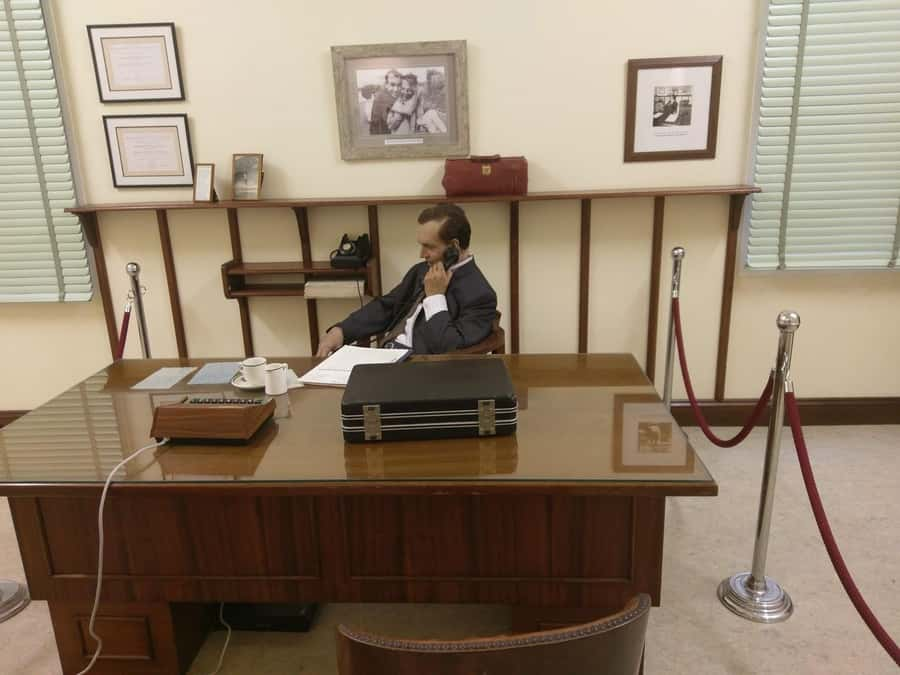
- Original operating rooms presented as they were on the day of the transplant
- The 1967 Charles Saint Theatre setting tied to the first successful heart transplant
- English guided tour with a trained, certified guide for context as you go
- A film element that helps set the mood and background of the event
- Small group size (max 10) for better questions and less crowd noise
- Emotional, human explanations that connect the surgery to the people involved
Why Groote Schuur Hospital makes this story hit harder
Groote Schuur Hospital isn’t just a backdrop here—it’s part of the meaning. This ticket takes you to the exact medical environment where the breakthrough took place, so the museum doesn’t float in a vacuum. You’re standing where the decision-making, the pressure, and the equipment all had to come together in real time.
That matters because medical history is easy to read about and hard to picture. When a museum anchors the story in the operating spaces themselves, you naturally slow down and pay attention. You’re not only learning what happened; you’re seeing the physical layout that shaped how the operation could be carried out.
The museum also focuses on more than one name. It honors the broader team who played major roles in the world’s first successful heart transplant, which helps you understand this was a milestone built on many skills—not only one dramatic moment.
A few more Cape Town tours and experiences worth a look

Walking through the Charles Saint Theatre and the original 1967 operating rooms
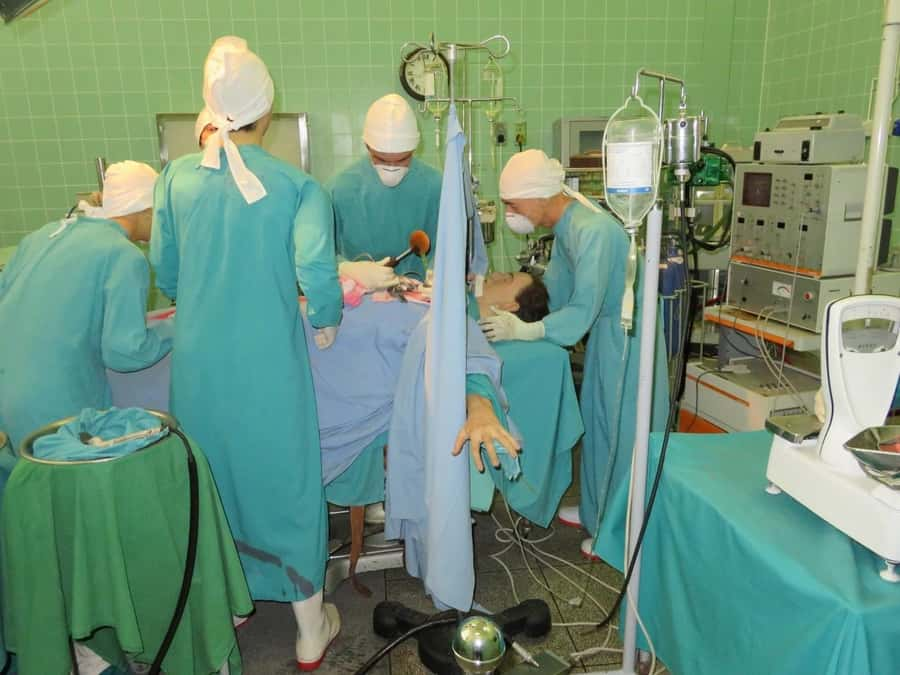
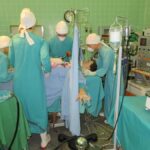
This is the main event. The visit is built around the drama of that day, staged in the restored, original spaces tied to the Charles Saint Theatre and the operating rooms as they were arranged on 3 December 1967. In plain terms: you’ll see the rooms in a way that’s meant to feel close to what the operation involved.
I like this approach because it gives you a visual timeline. You can look at how the spaces relate to each other and how the flow of an operation would have worked. Even if you don’t have a medical background, seeing the setting helps you understand why the breakthrough was so hard-won.
The experience also includes the story of the operation led by Professor Christiaan Neethling Barnard. That connection gives you a reference point as you move through the museum—especially if you’ve heard the name before but never had a clear sense of where and how it happened.
One detail that stands out from people who love the visit is how “close-up” the decisive surgical scenes feel in these original locations. The museum doesn’t just show images; it presents key operational areas, including spaces associated with both organ removal and the transplantation itself. That’s a big part of why the experience lands as emotional, not just educational.
What the guided tour adds (and why the group stays small)
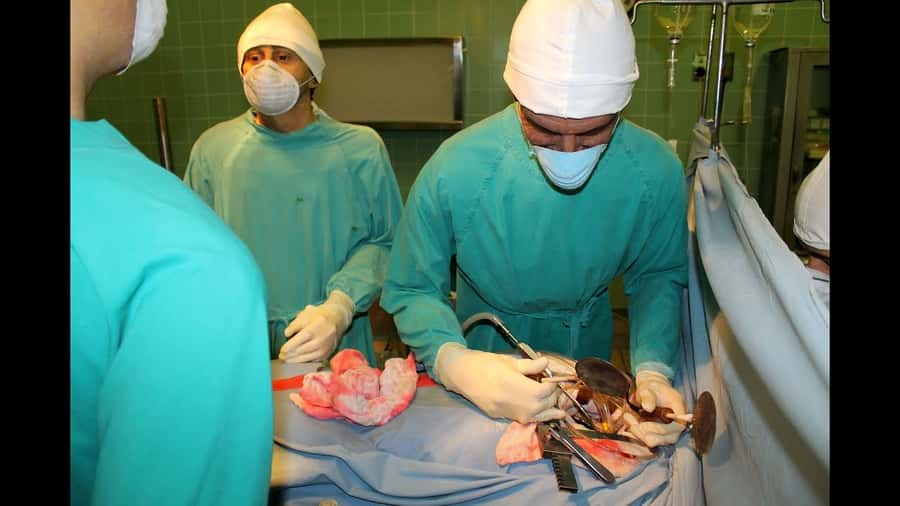
A museum can be informative on its own. Here, the guide turns it into something you’ll actually remember. The tour is led by a trained, certified guide in English, and that human element matters because you’re seeing technical and historical material side by side.
With a small group limit of 10 participants, you’re less likely to feel like you’re competing for attention. It also makes the pacing more realistic for a museum centered on a serious event. Instead of a rapid checklist, you get room for questions and for the guide to point out what’s important where you’re standing.
I also appreciate that the guide helps you connect what you’re seeing in the rooms to the larger story of the breakthrough—how the surgical feat pushed boundaries of science and opened a new medical era. That kind of framing is what keeps the visit from becoming a collection of exhibits with no “so what.”
The tour runs about 1.5 hours inside the hospital-based museum area. For most people, that’s a sweet spot: enough time to take in the key moments without leaving you tired or emotionally wrung out.
The museum story: first heart transplant, full human context
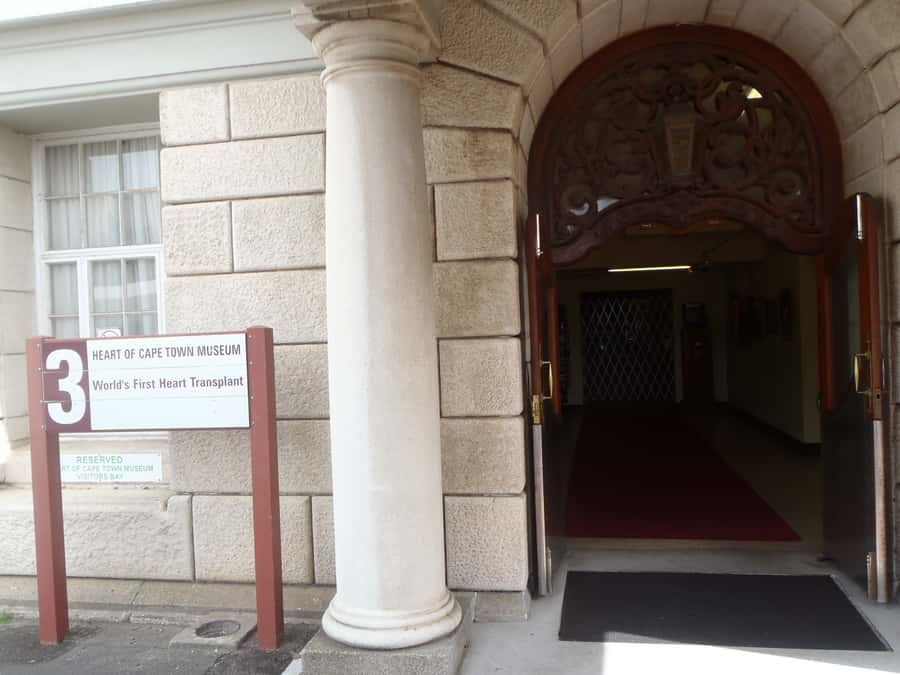
This museum doesn’t treat the first successful heart transplant as a clean, clinical event. It frames it as a major turning point, shaped by people who played essential roles. You get a sense of the atmosphere around the day—what made it historic, and why it mattered to medicine and beyond.
One of the most praised parts is how the museum handles storytelling: it includes a film component that adds drama and context, then follows with exhibits and background materials connected to the transplant and the people involved. People specifically highlight the mix of background reporting and press-style content, plus the chance to view the decisive operational scenes in the original spaces.
That combination is smart for visitors. If you only saw the operating rooms, you might struggle to fully understand the “why” behind the layout and what decisions came next. If you only read history, you might never feel how real the moment was. Putting both together gives you a fuller picture, even if you’re just casually curious.
And if you care about Cape Town as a place of global significance, this is one of those stops that gives you substance. You’re not just collecting a photo; you’re collecting an understanding of a landmark event tied to a real institution.
How to plan your day around a 1.5-hour hospital museum visit
Your visit is set up for a one-day experience, with the guided portion lasting about 1.5 hours. You’ll start at Groote Schuur Hospital in Observatory, and you’ll return to the same location after the tour.
That simplicity helps. You’re not dealing with transfers, multiple distant stops, or a half-day sprint across town. It’s a strong option if you want one meaningful activity that you can build a plan around.
One practical note: food and drinks aren’t included. So I’d plan on either grabbing something nearby before or after. Since the experience is emotionally serious, it also helps to keep yourself fed and hydrated—especially if you’re pairing it with other city activities.
If you’re using this as part of a broader Cape Town day, consider keeping the rest of your schedule calm. After walking through original operating rooms tied to a breakthrough, you’ll probably want quiet time or a simple low-pressure activity to reset.
You can also read our reviews of more museum experiences in Cape Town

Price and value: does $22 make sense here?
At about $22 per person, this ticket feels fair because you’re paying for two things that usually cost extra when separated: museum access and a guided interpretation.
Entrance fees are included, so you’re not stuck figuring out separate admission while your time window ticks away. The guide is also included, which is key here. For a topic this specific—medical history anchored in one hospital—the value is in understanding what you’re looking at. A self-guided visit would likely feel more abstract.
The duration also supports the price. A 1.5-hour guided tour is not just a quick look; it’s long enough to take in the major spaces and the story thread. And the small group limit is part of that value: it’s easier to get answers without feeling like you’re shouting through a crowd.
On the other hand, you should only book if you’re genuinely interested in medical history and the transplant story. If you want light entertainment or a high-energy attraction, you may feel the cost is too high for what you were hoping for.
Who should book the Heart of Cape Town Medical Museum ticket?
This ticket is best for visitors who like real places tied to real events—especially when the event changed global medicine. If you’re a science/history person, or you enjoy museums that rely on setting and context, you’ll likely love it.
It’s also a solid fit if you want a structured experience with a guide. The tour is live and English-speaking, with small-group size and a clear focus on the original operating rooms and the people behind the first successful heart transplant.
It’s not suitable for children under 10, so family planning matters. And because the visit includes detailed depictions of decisive surgical scenes and an emotionally charged story, younger kids (even older ones who handle intense material differently) might find it too intense.
In short: it’s an “I’m here to learn and reflect” outing, not a “quick photo and move on” stop.
Small details that make your visit smoother
Since the meeting point is Groote Schuur Hospital (Main Rd, Observatory), plan to arrive with enough time to find your start point without stress. This is a hospital setting, and even when things are visitor-friendly, you’ll enjoy the day more if you don’t feel rushed before you begin.
Wear comfortable shoes. You’ll be moving through museum spaces inside a functioning hospital environment, and the key exhibits are in areas you’ll want to take your time with.
Finally, come prepared to ask questions. With only up to 10 participants and a guide who’s there to explain what you’re seeing, it’s worth using the moment to clarify anything you’re wondering about—especially around what makes the 1967 event so historically important.
Should you book this Heart of Cape Town medical museum experience?
If you’re interested in the first successful heart transplant and you want to understand it in context—where it happened, what the operating rooms were like, and how the breakthrough unfolded—this is a strong yes.
I’d also recommend booking if you value guided interpretation. The guided tour is a big part of the experience, and the small group size helps it feel personal instead of rushed. At roughly $22, you’re paying for access plus expert context, not just entry into a display space.
Skip it only if you want something casual and kid-friendly, or if you dislike museum topics that are serious and emotionally intense. Otherwise, this is one of those Cape Town experiences where the location and the story join up in a way you can’t fake with a textbook.
FAQ
How long is the guided tour?
The guided portion is about 1.5 hours. It’s designed as a one-day experience.
Where does the tour start?
The meeting point is Groote Schuur Hospital, Main Rd, Observatory, Cape Town, 7925, South Africa.
What is included in the ticket price?
Your ticket includes entrance fees and a guided tour.
What is not included?
Food and drinks are not included, and hotel pickup and drop-off are not included.
Is the tour in English?
Yes, the live tour guide provides the tour in English.
How big is the group?
The group is limited to 10 participants.
Is the museum wheelchair accessible?
Yes, it is wheelchair accessible.
What ages is the tour suitable for?
The experience is not suitable for children under 10.
Are you able to cancel for a refund?
You can cancel up to 24 hours in advance for a full refund.
Can I reserve without paying right away?
Yes. The option to reserve now & pay later is available, so you can keep plans flexible.