REVIEW · BUCHAREST
Bucharest: Parliament, Ceausescu House & Village Museum Tour
Book on GetYourGuide →Operated by Tour & trips srl · Bookable on GetYourGuide
Bucharest politics in giant marble, then rural calm. I like how this day ties the Palace of Parliament to the peaceful Dimitrie Gusti Village Museum, so you see Bucharest’s power story and Romania’s everyday roots in the same route. One thing to factor in: entrance tickets aren’t included, and on Mondays the Ceaușescu House is closed, so the day shifts.
In practice, the tour is built for comfort. You get picked up from central areas and ride by modern bus or minivan, with a live guide speaking English/Italian/Spanish (and Bulgarian listed as well), plus optional smartphone audio in many languages. In several guided experiences like this, the guide is often praised for being friendly, interactive, and quick to answer questions—names like Gabriel come up a lot, with a serious-but-funny style.
Expect a walking and photo-heavy day, not a “sit and watch” one. Wear comfortable shoes, bring water, and keep your camera ready for both the big-city monuments and the open-air village streets.
In This Review
- Key things I’d watch for before you go
- How the day flows: Parliament, Ceaușescu’s House, then village Romania
- Entering the Palace of Parliament: what to look for beyond the photos
- Ceaușescu House: luxury details that feel chilling in context
- Dimitrie Gusti National Village Museum: slower, calmer, and very “Romania”
- Getting there smoothly with a modern bus or minivan
- Meeting point and route clarity: where you should stand at the start
- Price and value: what the $1.27 figure really means for your budget
- Timing realities: how long it can feel once you’re inside
- What to bring (so you don’t waste time in the gift-shop trap)
- Who this tour suits best in Bucharest
- Should you book this Bucharest Parliament, Ceaușescu & Village Museum tour?
- FAQ
- What languages is the live guide available in?
- Is there an audio guide, and what do I need for it?
- Are entrance tickets included in the tour price?
- How long is the tour?
- Is Ceaușescu House open every day?
- What should I bring?
Key things I’d watch for before you go
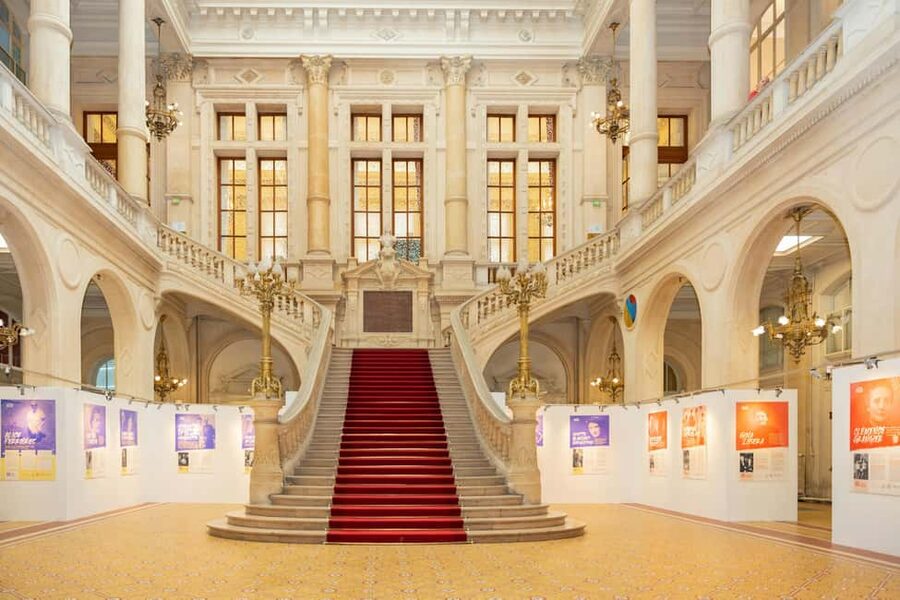
- Palace of Parliament first, village museum last: the order matters because you’ll read the city’s political ambition before switching gears to rural life.
- Small-group feel: you’re not stuck in a huge crowd, and that makes questions and pacing easier.
- Smartphone audio guide option: in 24 languages, as long as you bring your own headphones.
- Ceaușescu House can be a Monday wildcard: it’s closed on Mondays, so don’t plan on it being the centerpiece that day.
- Tickets are extra: the tour helps with ticket handling, but you should budget for entrances separately.
How the day flows: Parliament, Ceaușescu’s House, then village Romania
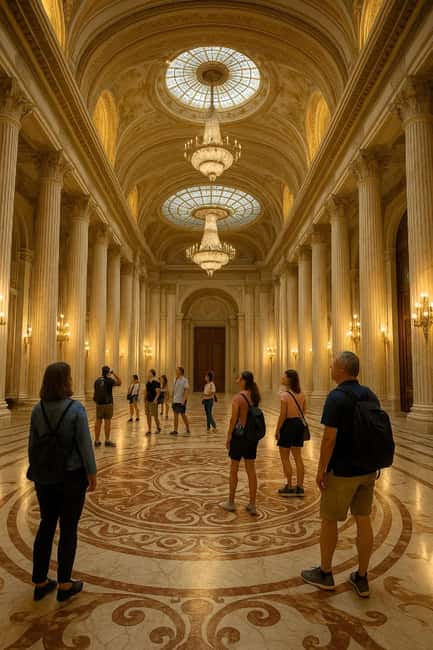
This is a classic “power-to-people” Bucharest route. You start at the biggest political monument in town, move to Ceaușescu’s private world, then end in a museum designed to slow you down and let you walk through traditional Romanian life.
The timing is built around a few transport legs (short van rides) and then on-foot touring blocks with photo stops and guided time. The whole experience is listed at 6 to 12 hours, but real-world pacing can run shorter depending on the day’s entry timing and how long you spend at each stop.
If you want a single, structured day that covers major Bucharest themes—state power, dictatorship-era luxury, and rural tradition—this format works. If you prefer a deep, unhurried museum marathon, you might want to pair it with a separate visit day so you’re not rushing through anything.
You can also read our reviews of more museum experiences in Bucharest

Entering the Palace of Parliament: what to look for beyond the photos
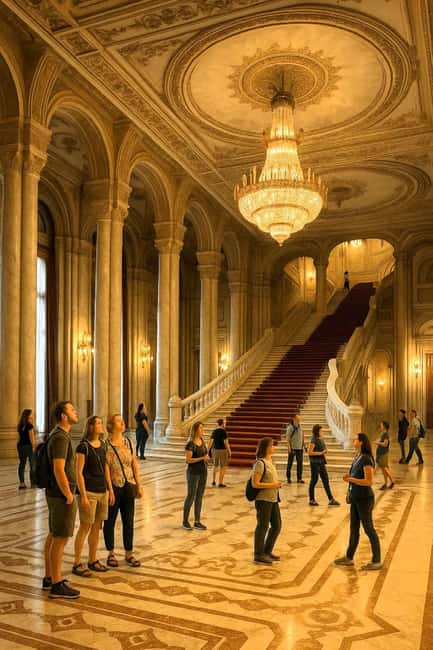
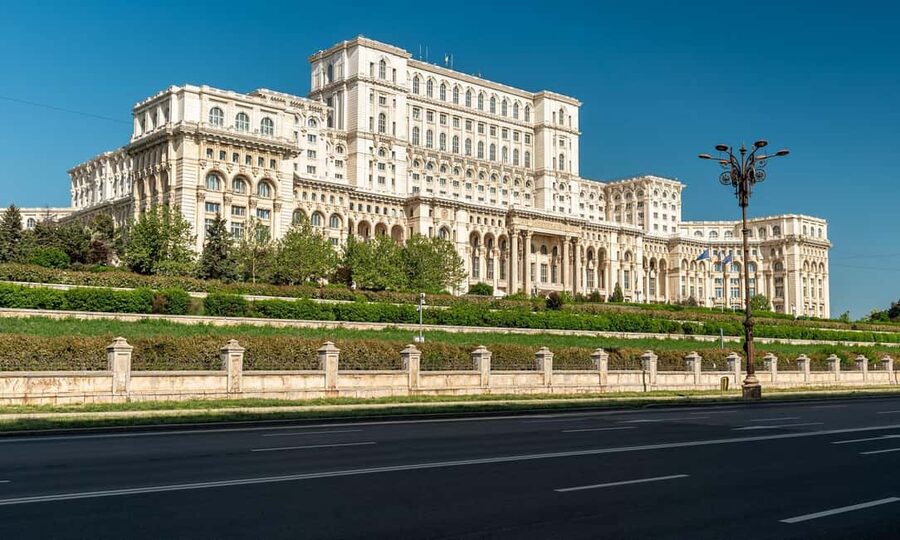
The Palace of Parliament is the headline. It’s colossal, built to impress, and it shows you how political power can become physical architecture. When you tour it with a guide, you’ll get context for the building’s scale and controversy—why it was pursued, what it cost, and how that ambition shaped Bucharest’s modern identity.
What I’d focus on during your visit is “reading the room.” Big buildings like this can turn into simple wow-photo moments, unless someone gives you the keys. A good guide does that—explaining the symbolism of grandeur, the contrast between official display and everyday life, and how the building functions as a message.
You also get a bit of flexibility inside the schedule. The day includes guided time, free time for your own pace, and time built in for photos and a short break. That helps because the palace can be tiring: lots of standing, lots of stairs or floors, and lots of details that blur together if you don’t have breaks.
A practical note: since entrance tickets aren’t included in the tour price, your “Palace time” will depend on whether you’ve already secured tickets through the provided assistance. The tour is designed to help you avoid long delays, but you should still plan for some timing variability.
Ceaușescu House: luxury details that feel chilling in context
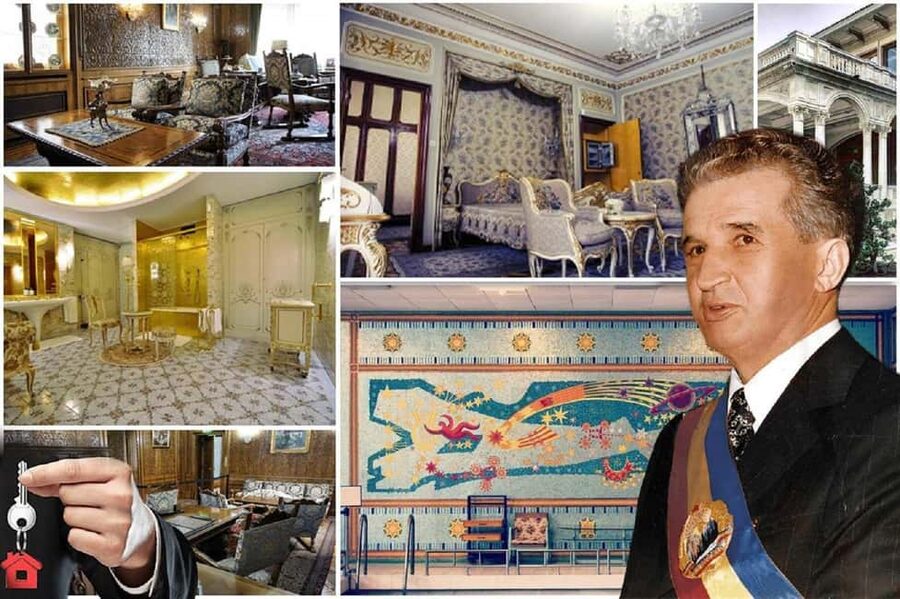
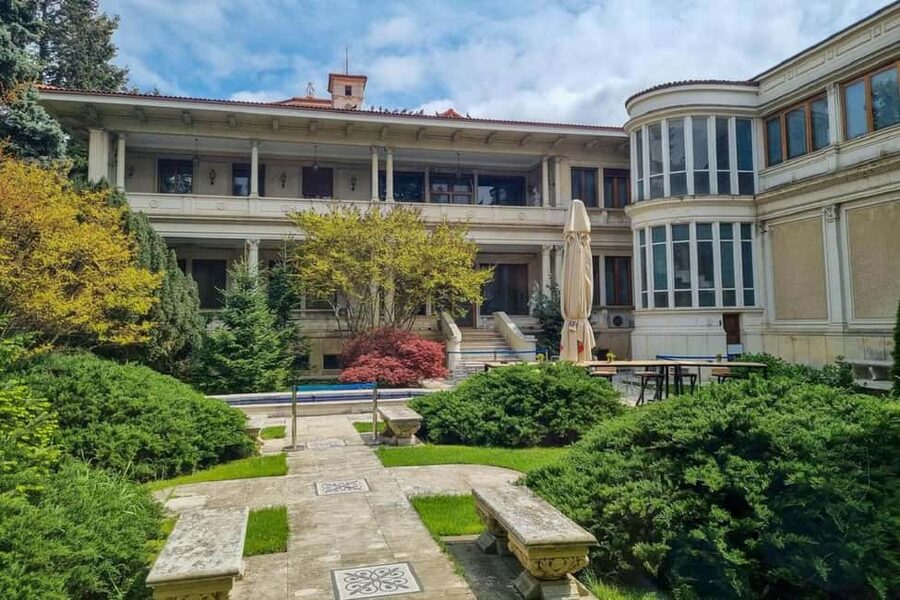
After Parliament’s public face, the tour heads to Ceaușescu’s House—the private residence associated with Nicolae Ceaușescu. This part of the day shifts the mood fast. You’re going from state theater to personal comfort, and that contrast is exactly what makes this stop hit.
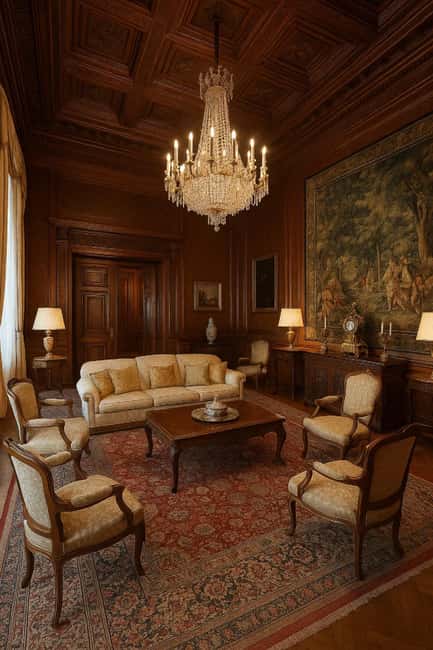
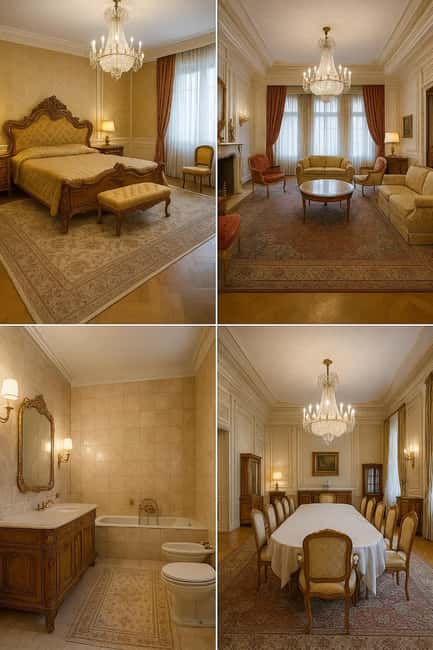
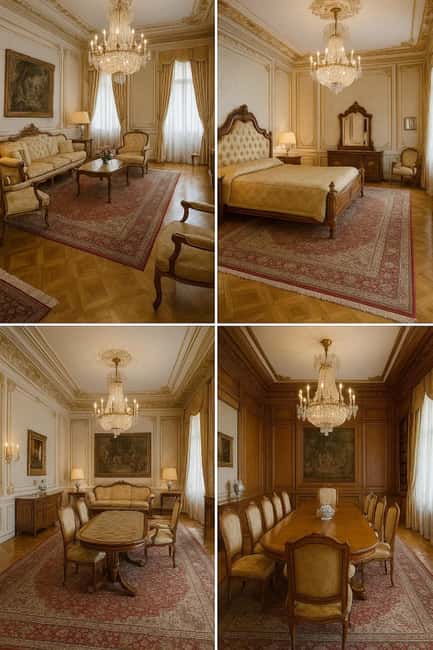
The standout here is the interior: opulence with golden accents, priceless art, and luxurious furnishings. You’re not just looking at pretty rooms. With a local guide, you’ll see the deeper point—the way power lived in excess while most people experienced something very different.
This is also where your guide’s storytelling style matters. One of the most praised elements of this tour experience is how the guide answers questions and explains details in a way that’s easy to follow. If you like history that comes with real-world context—how design, objects, and personal space reflect control—this stop delivers.
Important logistics to know upfront: Ceaușescu House is closed on Mondays. On those days, the itinerary continues with the other attractions and you’ll get additional time to explore them. So if Ceaușescu House is your top priority, aim for a day other than Monday.
Dimitrie Gusti National Village Museum: slower, calmer, and very “Romania”
Then you get the reset. The Dimitrie Gusti National Village Museum is an open-air museum, and it changes the pace in the best way. Instead of one monumental building, you walk through traditional homes, farms, and churches brought from different regions.
What makes this museum special is how it turns “Romanian rural life” from a vague phrase into physical spaces you can see and compare. A guided walk helps you connect architecture and daily habits—how people lived, how communities worked, and how religion and work shaped village rhythm.
I also like that it’s calmer than the palace portion. You’ll get breaks and free time here too, so you can wander at your own pace and stop for photos without feeling like you’re always chasing the group.
If you’re the type of traveler who wants meaning, not just sights, this stop balances the day. It gives you something tangible to contrast with the earlier sections: the everyday world beside the machinery of power.
Getting there smoothly with a modern bus or minivan
This tour is set up for low friction. You’re picked up from central locations, then transported by modern bus or minivan between stops. The ride time is short—around 10 to 20 minutes between major locations—so you’re not spending the day stuck in traffic while waiting for the next door to open.
The small-group vibe matters more than you’d think. In bigger groups, you often lose time to regrouping and waiting. Here, the format keeps movement efficient and makes it easier to ask questions while you’re walking between points of interest.
Still, be realistic: a city day tour can run late if entry lines, security checks, or scheduling timing shifts. One practical tip—arrive early to the meeting point, and don’t assume the start will always be exactly on the dot.
Meeting point and route clarity: where you should stand at the start
Your meeting point is listed clearly: University Square, in front of the National Theatre, Bucharest. That’s the spot to find your guide and group before boarding the van/bus for the first main stop.
The tour also mentions pickup from central locations, so you might notice that some travelers are collected near where they’re staying. But since the official meeting point is spelled out, I’d treat University Square as the anchor. If you’re navigating with GPS, double-check you’re aiming for the National Theatre frontage.
Starting location is also given as Bulevardul Regina Elisabeta 3 in the detailed schedule. That may reflect a common pickup staging area. The simplest approach: show up at the official meeting point, then follow the guide’s instructions for the first transfer.
Price and value: what the $1.27 figure really means for your budget
The listed price is extremely low on paper: $1.27 per person. In the real world, though, value comes from what’s included.
What you do get for your payment:
- transfers by modern bus/minivan
- a small-group live guided tour for the major indoor stops
- guided time with an English/Italian/Spanish-speaking guide
- audio guide availability on your smartphone (24 languages)
What’s not included:
- entrance tickets to the attractions (the tour assists with securing them)
- food and drinks
- personal expenses
So the “value math” looks like this: you’re paying for guidance, pacing, and transportation, while you still need to budget for entries and meals. If you’re trying to keep a tight day-trip budget, plan ahead and expect additional costs for ticketed sites.
Also, “skip the ticket line” is promised. That can be a big deal in Bucharest, because time turns into money fast when you’re in a packed schedule. Even with line-skipping, still keep your own expectations flexible around exact arrival times and how long you choose to linger in each location.
Timing realities: how long it can feel once you’re inside
The tour is labeled 6 to 12 hours. The actual feel will depend on three things:
- how quickly you get through entrances and security
- how much time you take during free-photo and shopping moments
- whether you’re moving fast or stopping often for questions and details
There are also little clues in the provided scheduling pattern: each transfer has a short buffer, and the stops have guided time plus breaks. That structure is good. It means you’re not constantly rushing, but you’re still doing a full day’s worth of sightseeing.
One practical takeaway: if you’ve got evening plans, build in slack. A day that’s advertised as 6 hours can run shorter on some schedules, but it can also stretch if entry timing shifts or you linger for photos. I’d keep dinner plans later rather than right after the stated end.
What to bring (so you don’t waste time in the gift-shop trap)
Keep your packing simple:
- comfortable shoes (you’ll walk and stand)
- camera
- water
And bring headphones for the optional audio guide. The audio guide is available in 24 languages on your smartphone, but you supply the headphones. This matters because it lets you continue learning even during free time.
A small but real comfort tip: carry a bit of cash/card for snacks or shopping, because food and drinks aren’t included. If you skip meals waiting for a later break, you’ll feel it by the time you reach the museum portion.
Smoking is not allowed, so plan for that if you’re traveling with smokers in the group.
Who this tour suits best in Bucharest
This is a strong fit if you want:
- a single day that covers the Palace of Parliament, Ceaușescu House, and the Village Museum
- a guided story that explains what you’re seeing, not just where to stand for photos
- a comfortable group format with transport handled for you
It’s also a good pick for first-time Bucharest visitors who want a structured introduction to Romania’s complicated past—politics and dictatorship-era luxury on one side, village life on the other.
You might consider a different plan if:
- you dislike history content that deals with political oppression (the Ceaușescu portion will be emotionally heavy)
- you want long, slow museum time with minimal movement
- you’re traveling on a Monday and Ceaușescu House is non-negotiable for you
Should you book this Bucharest Parliament, Ceaușescu & Village Museum tour?
If you want a well-paced day that pairs Bucharest’s biggest political monument with the more human scale of the village museum, I think this is an easy yes. The biggest strengths are the combination of stops and the guide-led explanation that turns giant spaces and lavish rooms into something understandable.
Before you book, do two quick checks:
- Confirm you can handle ticket entries being extra (even if line time is managed).
- If you’re traveling on a Monday, accept that Ceaușescu House will be closed and the day will shift toward the other sites.
If that works for your schedule and mood, this is a smart, cost-effective way to see Bucharest’s “power and people” story in one trip.
FAQ
What languages is the live guide available in?
The live guide is listed as English, Italian, Spanish, and Bulgarian.
Is there an audio guide, and what do I need for it?
Yes. An audio guide is available in 24 languages through your smartphone. You need to bring your own headphones.
Are entrance tickets included in the tour price?
No. Entrance tickets are not included, but the tour will assist you in securing them for a smoother visit.
How long is the tour?
The duration is listed as 6 to 12 hours. Check available starting times for the exact schedule.
Is Ceaușescu House open every day?
No. Ceaușescu House is closed on Mondays. The tour continues with the other attractions and you’ll have additional time to explore them.
What should I bring?
Bring comfortable shoes, a camera, and water.