REVIEW · BEIJING
Beijing: Lama Temple, Confucius Temple and Guozijian Museum
Book on GetYourGuide →Operated by Fun Beijing Travel · Bookable on GetYourGuide
A sandalwood giant and a quieter Beijing
This 4-hour Beijing tour packs three major cultural stops into one smooth day, mixing temple worship you can actually watch with the exam-and-philosophy legacy of Confucius and the everyday feel of Hutong alley life. I like that it starts with hotel pickup and ends with time to keep exploring, so you’re not stuck fighting logistics mid-day.
Two things I really like: the Lama Temple visit. You get to see the famous huge wooden Buddhas (including the giant white sandalwood Maitreya), plus you’ll watch locals worship inside the courtyards and halls, which makes the religion feel real instead of museum-flat. I also love the switch from grand temples to the small-scale world of the Hutong alleys, where your guide helps you read the street-level history of Beijing.
One consideration: this is a temple-focused route, and it can get crowded—especially in peak hours—so you’ll want comfortable shoes and patience while groups move through interior spaces.
In This Review
- Key highlights worth your time
- From your hotel to Lama Temple: the day starts easy
- Lama Temple: the sandalwood Buddhas and worship you can actually watch
- Confucius Temple and Guozijian Museum: ideas tied to empire, not just plaques
- The Hutong alleys: where Beijing life still shows up between landmarks
- Price and logistics: is $80 really good value for four hours?
- What to do with your photos and your questions
- Dim sum option and planning your next stop
- Should you book this Beijing temples and Hutong tour?
- FAQ
- How long is the tour?
- Where does the tour start?
- Is the guide English-speaking?
- Are entrance fees included?
- Do I need to buy tickets or wait in lines?
- Can I choose private transportation?
- Is there a dim sum option?
- FAQ
- How far in advance can I cancel for a full refund?
Key highlights worth your time
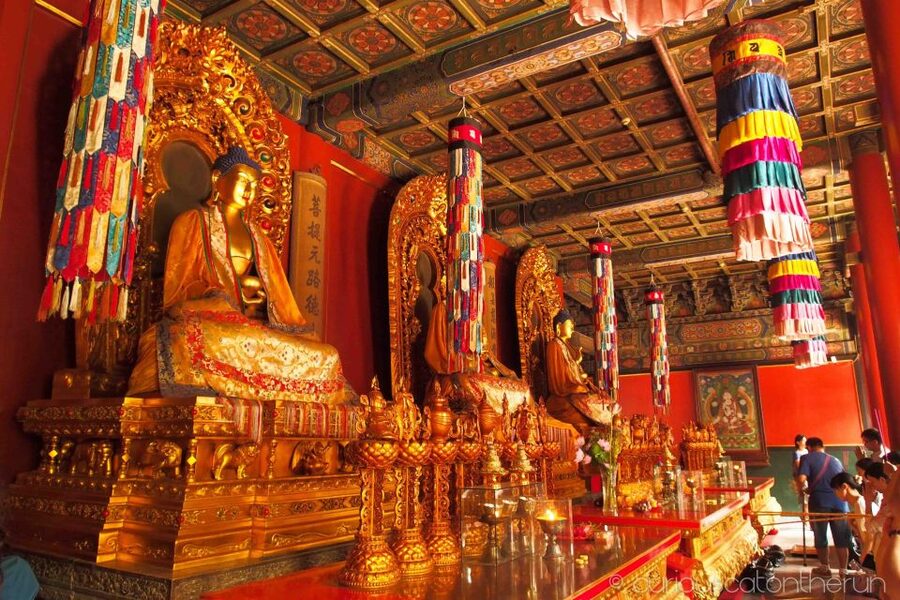
- 54-foot sandalwood Buddha views at Lama Temple, with room to take it in calmly
- Worship in action as locals light incense and move through the halls while your guide explains what you’re seeing
- Confucius Temple + Imperial College (Guozijian): learn why this academy mattered across Yuan, Ming, and Qing dynasties
- Guozijian Museum context tied to Kublai Khan’s grandson (built in 1306) and the imperial exam tradition
- Hutong alley wandering that shifts the day from ideas and statues to daily Beijing life
- Optional dim sum pairing if you want a food finish without planning it yourself
From your hotel to Lama Temple: the day starts easy
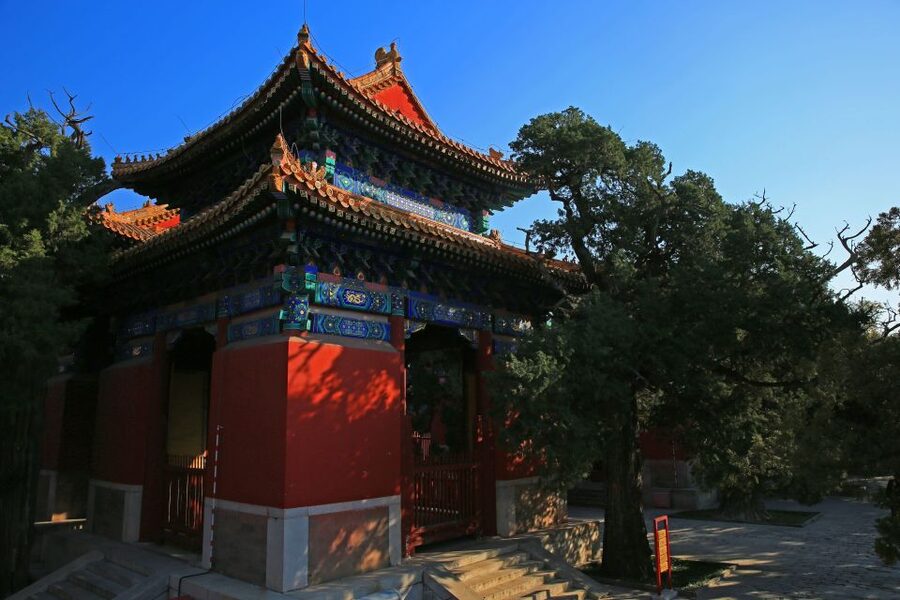
This tour is built around one simple idea: don’t waste your morning figuring out how to hop between major sites. Your guide meets you in your hotel lobby and holds a sign with your name, then you head straight toward Lama Temple by taxi or subway. If you choose the private car option, the trip is even more straightforward—helpful when Beijing traffic or transfer lines would otherwise eat time.
I like this structure because it protects the vibe of the day. Temple visits work best when you’re not rushing between stations, and you’re not arriving already tired. With hotel pickup included, you can also travel lighter—no need to plan what to do the moment you get off at a station and start hunting for a landmark.
The tour is also designed as a private group. That matters more than it sounds. When you’re walking through places where people are worshipping and taking photos, a smaller group tends to move with less friction, and your guide can adjust pace to the crowd.
You can also read our reviews of more museum experiences in Beijing
Lama Temple: the sandalwood Buddhas and worship you can actually watch
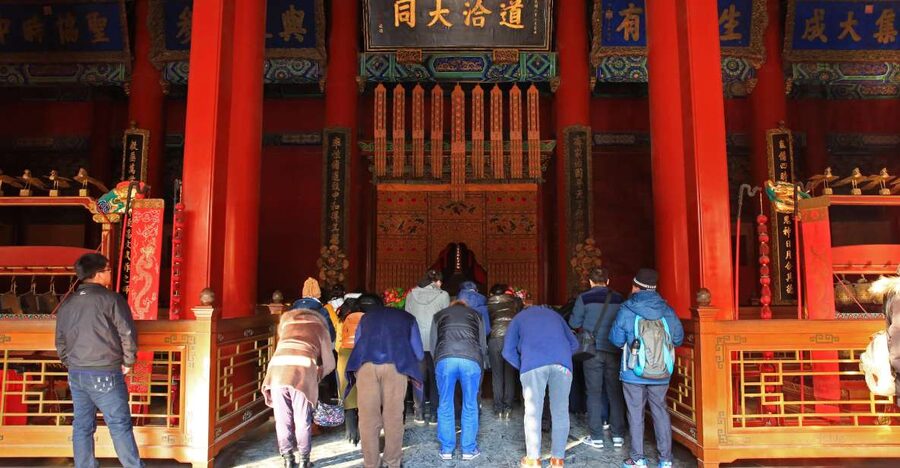
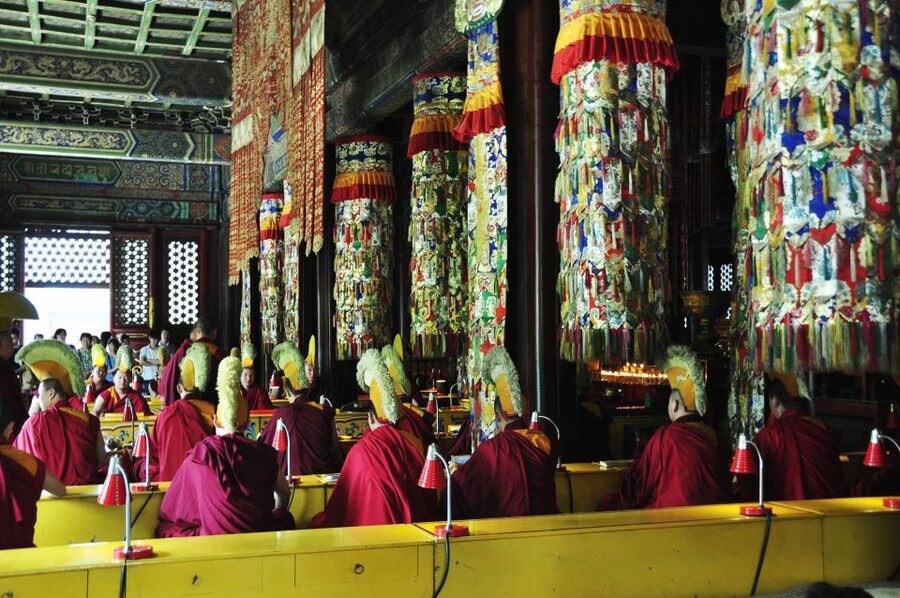
Lama Temple is the kind of place where one detail can set the tone for the whole visit. You’ll be guided through multiple courtyards and halls, learning stories behind different Buddhist statues as you go. The atmosphere tends to feel reverent and active at the same time, because you’re not only looking—you’re also witnessing.
Here are the two moments you’ll remember:
First, the scale. The tour highlights the 54-foot-high sandalwood Buddha, and even if you’re already good with big-ticket monuments, this one is in a different category. Your guide’s narration helps you understand why the artistry and size matter, not just that it’s large.
Second, the standout wooden Buddha: the Maitreya statue in the hall carved from a single precious white sandalwood log from Nepal. The description given by the tour is that it’s the biggest wooden Buddha in the world. What makes it special is not only the material story—it’s how the tour sets you up to notice details as you move through the hall.
What I find valuable here is the emphasis on everyday practice. You’ll watch how locals worship—how people position themselves in front of statues, how they behave in the courtyards, and how the space is used during the visit. Even if you’ve read about Buddhism before, seeing worship in motion helps you connect the religion to real people and real routines in Beijing, not just “heritage” on a timeline.
A quiet drawback to keep in mind: Lama Temple is popular. On crowded days, your guide’s job becomes managing flow—keeping your group moving while giving you enough time to understand what you’re looking at. If you’re someone who hates waiting in lines or getting shoulder-to-shoulder near major sights, plan on going slow indoors and focusing on the stories your guide gives you.
Guide quality can make a real difference here. In past tours run by Fun Beijing Travel, guides like Anne, Aurora, and Ranee were praised for clear English and for patient pacing when it got busy. Even if you don’t get the same guide, look for the same strengths: someone who can explain what you’re seeing in plain language and keep your group on track.
Confucius Temple and Guozijian Museum: ideas tied to empire, not just plaques
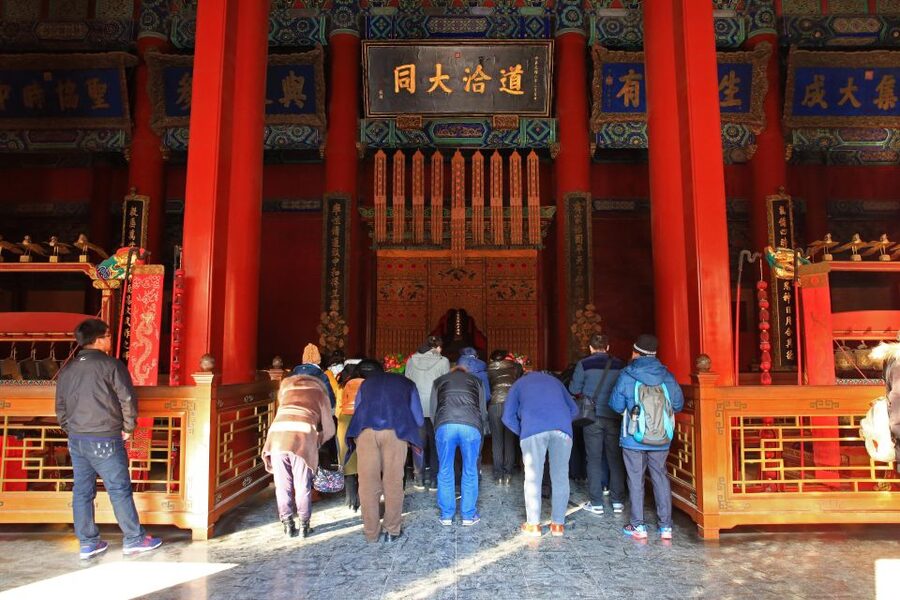
After Lama Temple, the tour shifts from Buddhist spaces to Confucian tradition. This part matters because it shows you a different side of China’s intellectual life. Instead of focusing on statues and rituals, you’re walking through the story of education—how knowledge was organized and tested for imperial life.
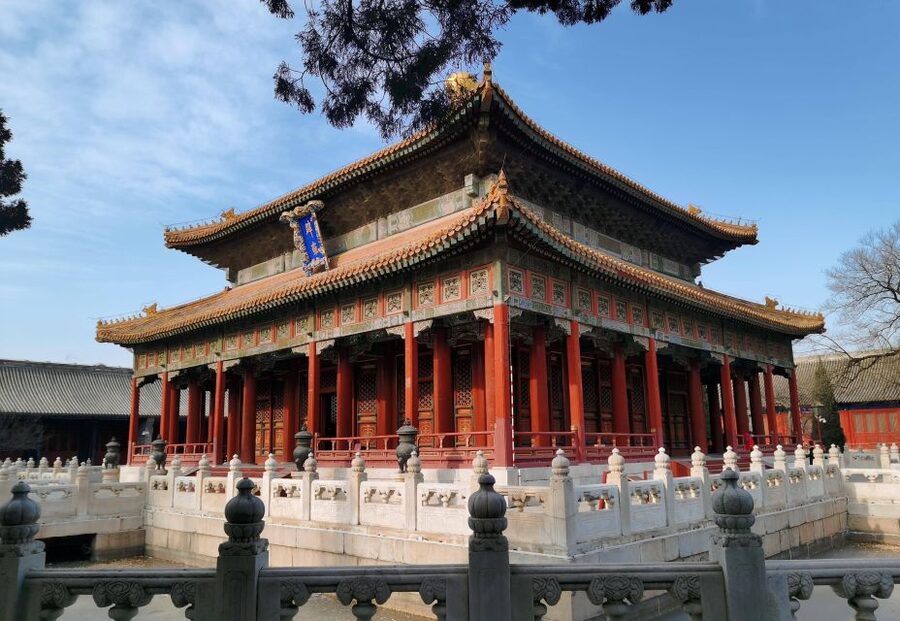
You’ll head to the Temple of Confucius and the Imperial College, also known as the Guozijian Museum. The tour notes that this former college was built by the grandson of Kublai Khan in 1306. More than a date on a wall, this gives you a sense of continuity: the academy is described as the supreme institution across the Yuan, Ming, and Qing dynasties. In other words, this wasn’t a one-time project. It was part of the machinery of governance and learning for centuries.
What you’ll experience here is a guided walk that connects architecture and setting to purpose. Your guide will share stories behind the site and explain why the imperial academy became such an important idea in Chinese society—an approach that turns Guozijian from “a museum building” into a place with a job.
One small caution: you’ll likely spend a lot of time reading your guide’s context because this type of site rewards understanding. If you’re the type who prefers fast photo stops, you may feel like you’re waiting for explanations to catch up. If you’re willing to slow down and listen, this is where the tour earns its educational value quickly.
The Hutong alleys: where Beijing life still shows up between landmarks
Then comes the best mood change of the day: walking into the Hutong lanes. Instead of grand halls and symmetrical courtyards, you’ll move along quieter alleyways and get a sense of how neighborhoods live day to day.
The tour describes strolling around Hutong alleys to learn the history of Beijing’s Hutong street life and to see how locals live in Hutong. I like this transition because it prevents the day from becoming all “top sights.” It’s also the moment when the city starts to feel less like a route and more like a place.
If you want a practical way to take in the neighborhood: listen to what your guide says, then watch the street rhythm for yourself—how people use the space, how lanes connect, and how the built environment shapes daily routines. Even when you’re not interacting with residents, the alley layout and the flow of movement usually make the story clearer.
The tour also mentions that after your main stops, you can spend more time exploring Wudaoying Hutong. That’s a nice option because it gives you freedom after the guided part. You’re not locked into an exact ending location. Your guide will also suggest how to reach your next destination, which helps if you have a plan later that same day.
Price and logistics: is $80 really good value for four hours?
At $80 per person for a roughly 4-hour experience, the real question is what you get for your time and energy. Here’s how I’d judge the value based on what’s included:
- Hotel pickup means you don’t start the day hunting for a meeting point.
- English-speaking guide reduces the mental overhead of translating labels and guessing context at major heritage sites.
- Entrance fees are included, so you avoid the “what’s paid and what isn’t” scramble.
- Skip the ticket line can matter a lot at busy sites, especially when you want the day to feel smooth.
- You can add a private car option for easier transfers, which is often worth it if you’re optimizing for comfort over subway navigation.
The biggest value driver isn’t just convenience—it’s pacing. You’re seeing Lama Temple, then Confucius Temple and Guozijian, then Hutong alleys. Doing that on your own would be doable, but it would likely mean more time spent managing transit, tickets, and context. With a guided route, you buy back attention: you can focus on the stories and details your guide gives you as you walk.
The tradeoff is simple: you’re on a structured schedule. If you love wandering and don’t like following a plan, you might find a guided pace too tight. That said, the tour does give you a chance to linger later at Wudaoying Hutong, which softens the rigidity.
If you’re watching group dynamics, remember it’s listed as a private group, which usually means less waiting and more flexibility than large group bus tours.
What to do with your photos and your questions
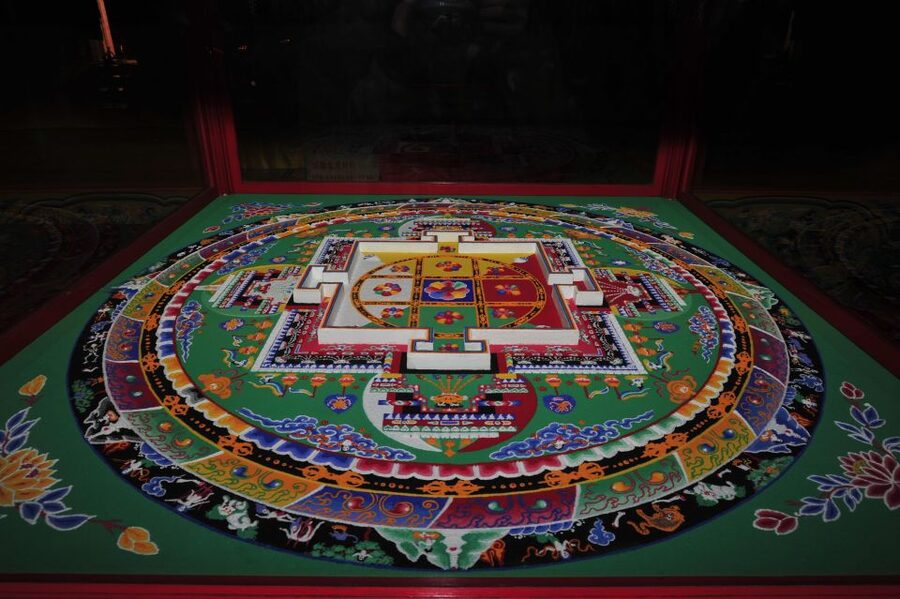
This is the kind of tour where you’ll take photos, but the tour becomes better when you treat photos as prompts, not the whole point. When your guide talks about the Buddhas—especially the white sandalwood Maitreya—try to connect the material story to what you see in front of you.
At Confucius Temple and Guozijian, your photos will come out more meaningful if you pay attention to the “why” behind the academy setting and its long dynasty role. If the building looks impressive but you don’t know why it mattered, your photos may feel like you captured a façade instead of a story. The guide’s narrative is the bridge.
And on Hutong streets, you’ll get better results from short bursts of looking than from constant filming. Watch how lanes work, then snap a photo that shows the feeling of the alley.
As for questions: ask your guide what to watch for in each hall before you enter. That one habit usually turns a crowded temple visit from “where do I look” into “I know what the guide wants me to notice, so I see it.”
Dim sum option and planning your next stop
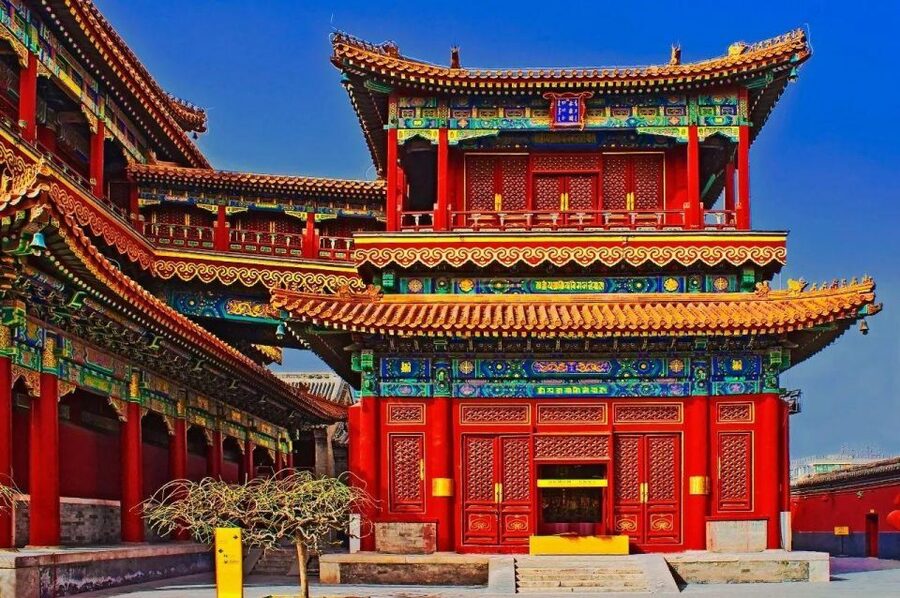
If you’re trying to keep the whole day cohesive, the tour offers an optional way to add food: you can combine the walk with a delicious dim sum meal. That’s a smart add-on when you don’t want to coordinate lunch around timing, distance, and where you’ll find something good.
After the tour ends, your guide can suggest how to reach your next destination. I like that detail because it turns the tour from a standalone activity into part of a bigger itinerary. If you’re stacking multiple neighborhoods in Beijing, having that “what next” advice saved you a lot of guesswork.
Should you book this Beijing temples and Hutong tour?
Book it if you want a four-hour hit of three very different Beijing experiences: Buddhist worship and monumental statues at Lama Temple, education and philosophy tied to imperial history at Confucius Temple and Guozijian Museum, then the human-scale street life of Hutong alleys.
I’d especially recommend it if:
- you want an English guide to explain what you’re seeing
- you’d rather avoid ticket lines and transit friction
- you enjoy context, not just sightseeing
- you like the idea of a private group, not a crowd-control situation
Skip it (or at least rethink it) if:
- you don’t like structured timing at busy sites
- you’re comfortable navigating on your own and reading context independently
- you prefer only one neighborhood per day instead of a packed route
If you care about guide quality, lean into it. In past runs with Fun Beijing Travel, guides such as Anne, Cassie, Mike, Aurora, and Ranee were specifically praised for English clarity, patience in crowds, and good explanations. When a tour guide does that right, this itinerary becomes more than a list of sights—it becomes a way to understand Beijing as it has been lived and taught.
FAQ
How long is the tour?
The tour duration is 4 hours.
Where does the tour start?
Your guide meets you in your hotel lobby holding a sign with your name.
Is the guide English-speaking?
Yes, the tour includes an English speaking live guide.
Are entrance fees included?
Entrance fees are included.
Do I need to buy tickets or wait in lines?
The tour includes a skip-the-ticket-line benefit.
Can I choose private transportation?
Yes. You can go by taxi or subway, or choose a private car option for easier transfer.
Is there a dim sum option?
Yes. There is an option to combine the tour with a dim sum meal.
FAQ
How far in advance can I cancel for a full refund?
You can cancel up to 24 hours in advance for a full refund.