REVIEW · BEIJING
Beijing:Jingshan Park (Palace Museum Garden) Ticket
Book on GetYourGuide →Operated by PANDA HAPPY JOURNEY IN CHINA · Bookable on GetYourGuide
Jingshan Park is your best altitude upgrade in Beijing. I love how this small, central park turns into a viewpoint, a history lesson, and a breather from the city all at once. The ticket includes entry and an English PDF guidebook, and the park’s highest point gives you a clear, eye-level look across the Forbidden City complex.
Two things I especially like: the panoramic viewpoints from Prospect Hill and the calm imperial-garden strolls around the pavilions and halls. One thing to think about is timing—if you go later in the day, certain spots get crowded, and the evening light show can concentrate people in the same areas.
In This Review
- Key things to know before you go
- Where Jingshan Park fits in Beijing (and why the view matters)
- What your ticket includes (and what it does not)
- The “entrance to viewpoints” flow: a smart way to spend your 4 hours
- 1) Arrive early and get your bearings
- 2) Walk the imperial-garden paths (before you climb)
- 3) Climb Prospect Hill for the Forbidden City panorama
- 4) Circle the pavilions and halls at the top areas
- 5) Take your time, then re-walk down through the grounds
- The imperial meaning behind the scenery (so it feels more than pretty)
- Timing tips: morning calm vs afternoon crowding vs evening lights
- Go early for quiet and cooler walking
- If you go afternoon, expect denser spots
- Evening light show: pretty, but it concentrates crowds
- Ticket value: why this feels like a bargain
- How to use the QR code and PDF guide effectively
- Who this is best for (and who might want something else)
- Things to watch out for
- Should you book this Jingshan Park ticket?
- FAQ
- FAQ
- How long is the Jingshan Park visit?
- Where is Jingshan Park located?
- How much does the ticket cost?
- What’s included with the ticket?
- Is a live tour guide included?
- Does the ticket let me skip the ticket line?
- Will I need my passport or ID?
- Do I need to reserve in advance?
- Can I cancel and get a full refund?
- Is there flexibility with payment?
- When should I go to avoid crowds?
Key things to know before you go
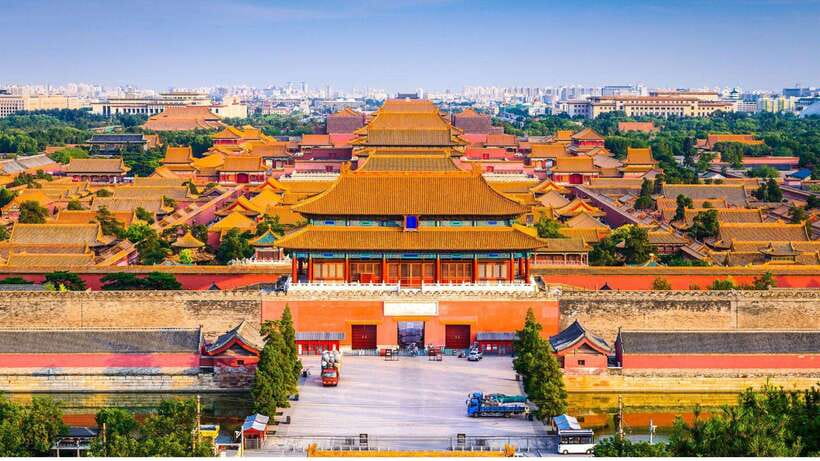
- Prospect Hill viewpoint: climb the artificial hill for the classic Forbidden City panorama
- Imperial-era landmarks: see pavilions and halls tied to Qing ceremonies
- Self-guided flexibility: choose a PDF-led visit or a guided option if offered
- Skip-the-line entry: arrive with your QR code to enter faster
- Afternoon crowd control: early mornings feel cooler and quieter, especially before 7am
- Evening light show: some areas light up at night, so expect denser foot traffic
Where Jingshan Park fits in Beijing (and why the view matters)
Jingshan Park sits right in the center of Beijing, close enough that it works as an easy add-on before or after the Forbidden City. The big reason to come is simple: Jingshan is the highest point in central Beijing, so you see the Forbidden City from above, looking down its red-roofed courtyards and major halls.
When you’re inside Beijing’s major sights, orientation is everything. A view from Jingshan helps you understand how the Forbidden City is laid out. Even if you only spend a few hours, you get a “big picture” that makes later walking through the palace grounds feel less random.
I also like that the park isn’t just stairs and photo spots. The grounds feel like a real pause: trees, winding paths, and a more relaxed pace than the main imperial sites around you.
A few more Beijing tours and experiences worth a look
What your ticket includes (and what it does not)
This experience is fundamentally straightforward: you’re buying Jingshan Park entry plus an English PDF guidebook. There’s no built-in audio guide included, and a live tour guide isn’t listed as part of the basic package.
That said, the offering mentions flexible options—so you may be able to choose self-guided or a guided version depending on what you booked. If you do have access to a guide, it’s helpful for moving efficiently and understanding what each pavilion and hall is meant to represent.
The practical payoff is that you don’t waste time at the gate. The experience notes skip the ticket line, and you’ll typically show a QR code at entrance after the provider sends it to you in advance.
The “entrance to viewpoints” flow: a smart way to spend your 4 hours
Even though this is a park ticket (not a strict bus-and-brochure day tour), you can still build a smooth route. I’d plan on moving in this general order so you don’t backtrack.
1) Arrive early and get your bearings
I strongly recommend aiming for the morning, ideally early enough to beat the strongest crowds. One reason is comfort: the park can feel much cooler early, and the paths feel easier to walk when the day isn’t in full swing. If you’re chasing that quiet, before-7am timing is a good target.
At arrival, follow the entry instructions you get with your QR code and PDF. The main goal is to get into the park with minimal friction so you can spend your time on views and landmarks rather than figuring out where to go first.
2) Walk the imperial-garden paths (before you climb)
Before you start climbing, take time to enjoy the garden layout. The park is described as a tranquil imperial garden, and that matters because the climb can be tiring.
The grounds are where you feel the contrast between “Beijing city day” and “imperial retreat.” If you rush straight to the top, you may miss the calmer pacing that makes Jingshan pleasant even when you’re not hunting photos.
You can also read our reviews of more museum experiences in Beijing
3) Climb Prospect Hill for the Forbidden City panorama
The star move is the artificial hill known as Prospect Hill. From the top, you get wide views across the Forbidden City’s complex of courtyards and palace buildings. This is the part that turns a park visit into a “why didn’t I do this sooner” moment.
The viewpoint also gives you a clearer sense of scale. The Forbidden City can feel like an endless grid when you walk it at ground level. From above, the main axes and major courtyards start to click.
4) Circle the pavilions and halls at the top areas
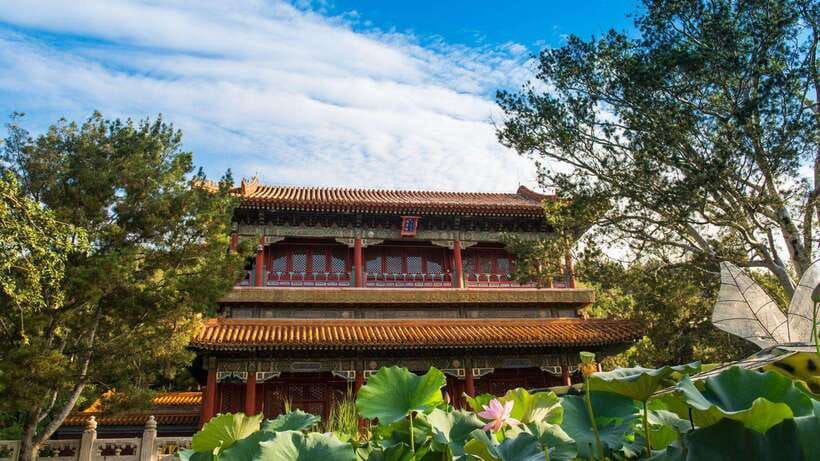
Jingshan isn’t just one lookout. It includes several named landmarks tied to imperial design and ceremony. In a practical route, you’ll want to spend time at the viewpoints connected to these spots:
- Hall of Imperial Longevity
This is one of the key structures you’ll see around the imperial-era core of the park. It helps you understand the park’s ceremonial role, not just its scenic one.
- Pavilion of Imperial Scenery
Think of this as a named “frame” for the view. Imperial pavilions often functioned as planned stops—places where watching and reflecting were part of the event.
- Pavilion of Happiness and Longevity
This reinforces the park’s cultural messaging through architecture and naming. Even if you skim the PDF quickly, the names make it easier to follow what the site is “saying.”
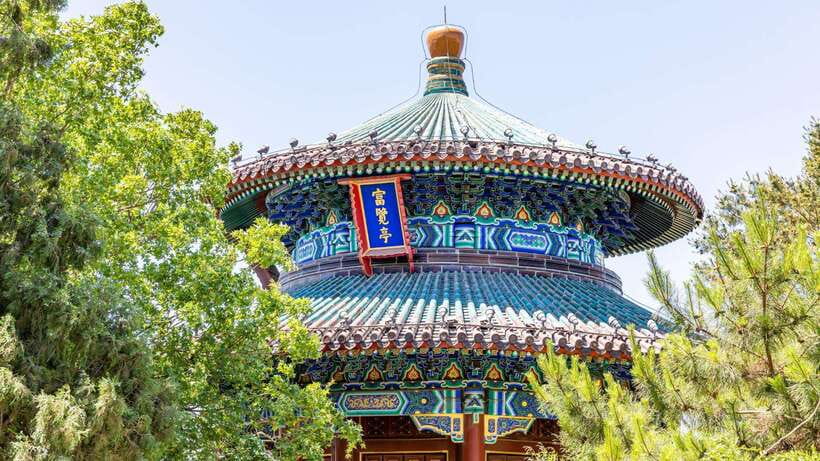
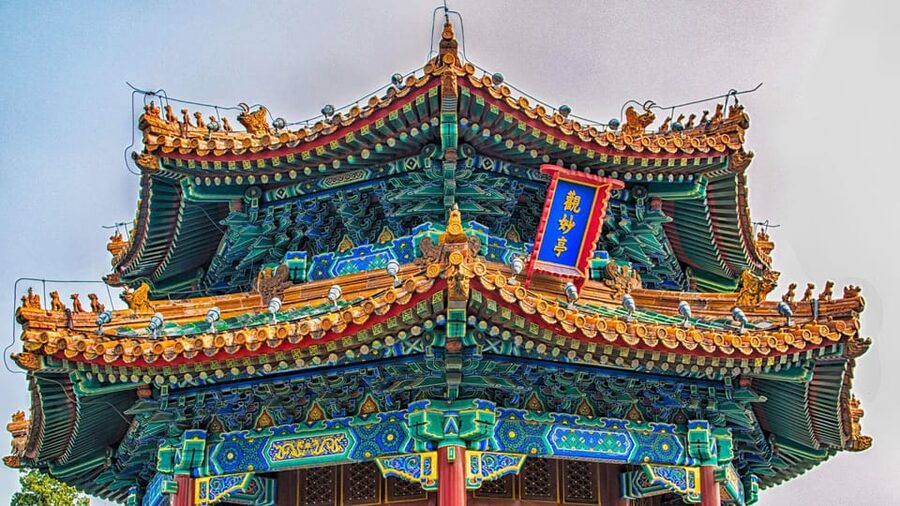
- Pavilion of Viewing Splendor
This one is basically a viewpoint intent built into the name. Plan a slow moment here, because this is where people naturally stop for pictures and gazing.
5) Take your time, then re-walk down through the grounds
If you’re trying to cover the park quickly, it’s tempting to treat it like a quick climb and leave. I don’t think that’s the best use of your time. The peaceful garden paths are a real part of the experience.
Also, if you’re doing the Forbidden City the same day, your pace matters. A calm descent and slow walk can reset you before your next stop.
The imperial meaning behind the scenery (so it feels more than pretty)
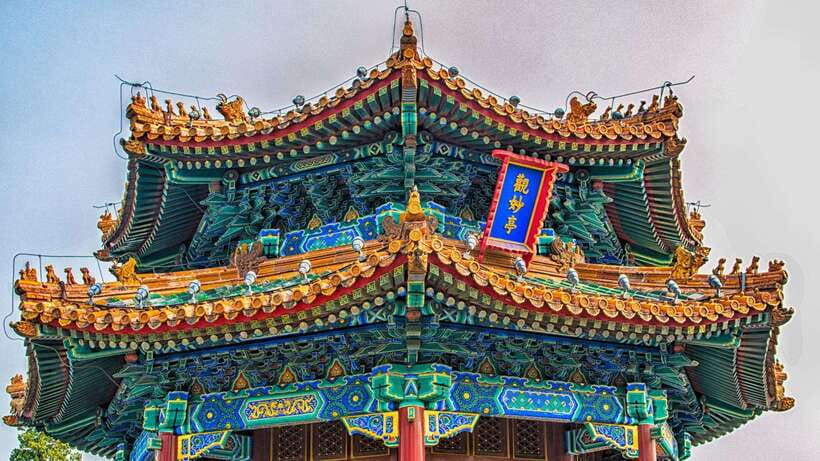
The views are the headline, but the park’s historical role adds weight. Historically, Jingshan was tied to imperial ceremonies—especially ancestral worship and memorial services for Qing emperors and empresses.
That’s why the named halls and pavilions feel more deliberate than a random collection of viewpoints. The site is essentially a designed space for reflection and ceremony, placed at the highest point so the emperor’s symbolic presence was reinforced by location.
If you read even a few pages in your English PDF guidebook, you’ll get more out of the visit. You’ll recognize what you’re standing in front of and why it’s placed where it is. And that turns your climb into something more satisfying than just taking photos.
Timing tips: morning calm vs afternoon crowding vs evening lights
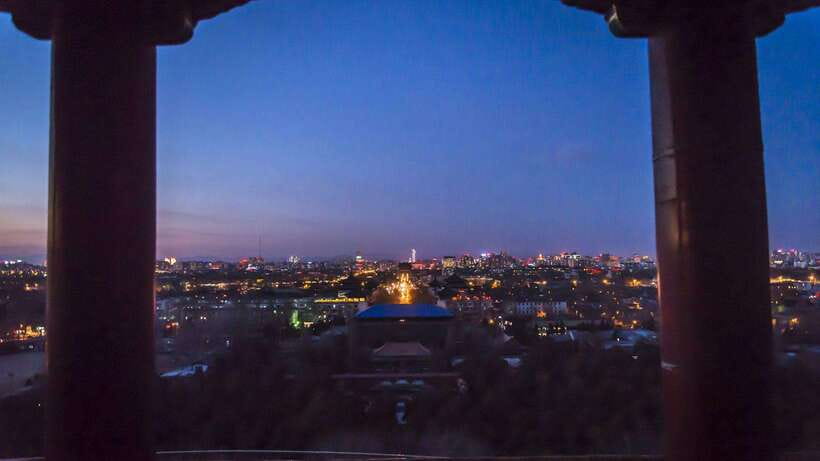
Timing really changes the feel of Jingshan.
Go early for quiet and cooler walking
If your schedule allows it, I’d pick early morning. The park can feel notably peaceful when you arrive well before the day warms up. Early entry also helps you avoid the most congested areas near popular viewpoints.
If you go afternoon, expect denser spots
In the afternoon, you’ll likely find more people. That doesn’t ruin the visit, but it does affect how long you’ll be able to linger at the best angles. If your plan includes photography, aim to move a bit earlier than your ideal photo time.
Evening light show: pretty, but it concentrates crowds
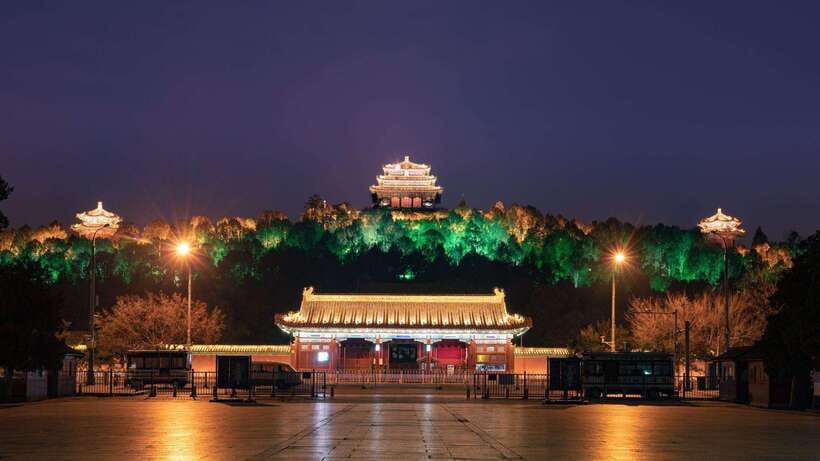
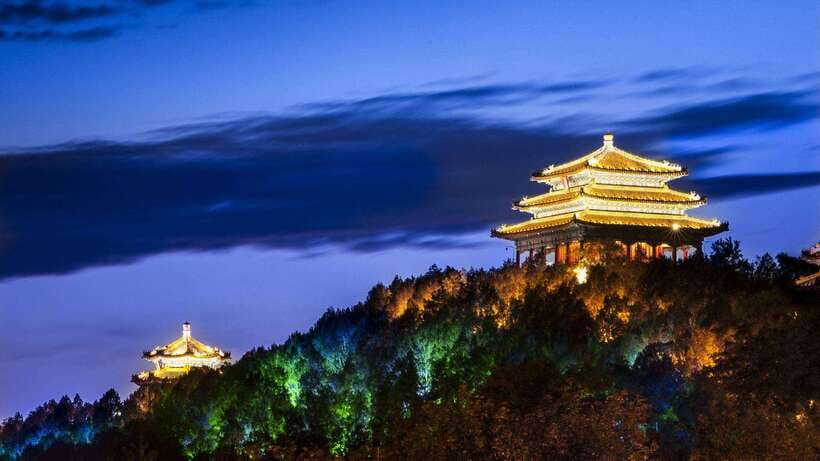
The experience highlights a light show and cultural performance in the evening. If you’re interested in that, understand the trade-off: night lighting often pulls visitors into specific areas, making crowds thicker around the illuminated sections.
This can still be worth it if you want the full experience, but I’d manage expectations: you may spend more time waiting for space at the best-lit spots.
Ticket value: why this feels like a bargain
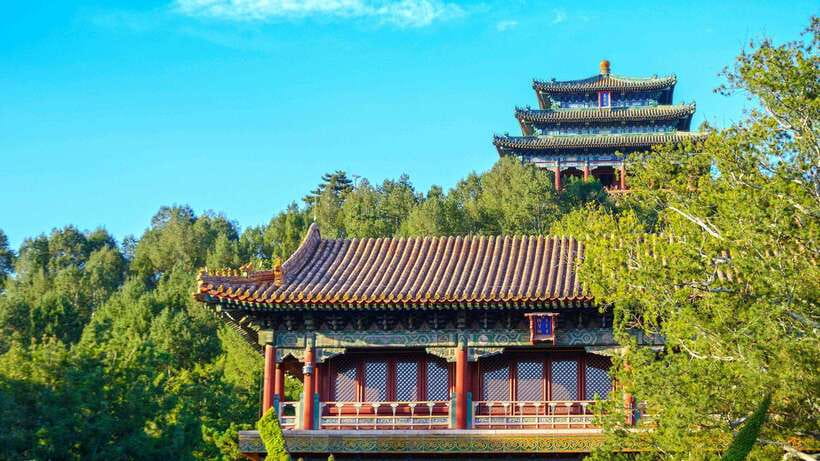
At about $6 per person and including entry plus an English PDF guidebook, this is one of the simpler buys in Beijing. The value isn’t only the price. It’s that the park gives you a major viewpoint for very little time cost.
You can spend your 4-hour window on the parts that matter: the climb, the imperial landmarks, and the garden calm. If you’re trying to fit major Beijing sights into a packed itinerary, this kind of short, high-impact stop pays off.
Also, the ability to skip the ticket line is a quiet but real benefit. In big cities, small time savings compound.
How to use the QR code and PDF guide effectively
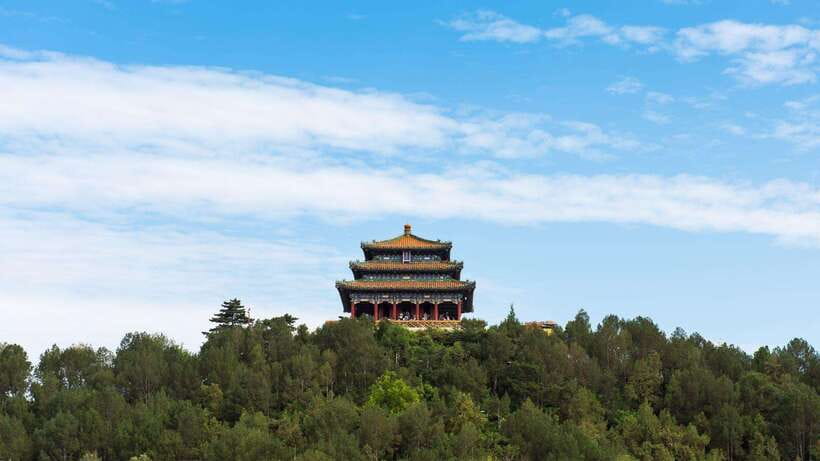
This is one of those experiences where preparation helps more than it sounds. The provider communicates in advance, typically sending a QR code you can show at the entrance, and you’ll get the English PDF guidebook.
I recommend doing two things before you arrive:
- Screenshot or save the QR code so you’re not stuck with weak signal.
- Skim the PDF just enough to know the names of the pavilions and halls you want to hit, especially the ones tied to viewpoints.
You don’t need to read everything word-for-word. Even a quick scan helps you stop at the right places without wandering too much.
If you opt for a guided version and you end up with a strong English-speaking guide, you’ll likely move more confidently and understand little details you might otherwise miss. There’s at least one reported example of a guide named Jay who handled history storytelling and crowd navigation well, including pointing out lesser-known corners. (Still, your actual guide experience depends on what you booked.)
Who this is best for (and who might want something else)
Jingshan Park is a great match if you:
- Want a Forbidden City view without spending a whole day on platform lines and timed tickets
- Like short cultural stops that teach something while staying relaxed
- Prefer flexibility and the option to go at your own pace with a PDF guide
It’s not as perfect if you:
- Need a full live narration experience as part of the ticket (a live tour guide is not listed as included)
- Are only interested in a “single photo spot” and hate walking through gardens and pavilions
Things to watch out for
A few practical considerations can make your day smoother:
- Crowd peaks are real: sunset and evening areas can get packed fast, so plan your lingering accordingly.
- Climbing is part of the deal: Prospect Hill is the key; wear comfortable shoes.
- Night lighting changes the flow: if you go for the light show, accept that movement may slow around the best-lit sections.
Should you book this Jingshan Park ticket?
If you want a high-value, low-stress way to see Beijing’s imperial core from above, I think this is a smart book. The price is low, the entry is simple, and the park’s design gives you both the big panorama and the calmer garden pacing.
Book it if you’re planning a Forbidden City day and want a viewpoint that helps the whole experience make sense. Skip it only if you’re looking for a fully guided, narrated package with audio and live commentary included, because the basics here are entry + PDF, not a full guided tour package.
FAQ
FAQ
How long is the Jingshan Park visit?
The duration listed for this experience is 4 hours.
Where is Jingshan Park located?
It’s in Beijing, China, in the central area of the city.
How much does the ticket cost?
The price is listed as $6 per person.
What’s included with the ticket?
You get Jingshan Park entry and an English PDF guidebook.
Is a live tour guide included?
A live tour guide is not listed as included, and an audio guide is also not included.
Does the ticket let me skip the ticket line?
Yes, the experience notes that you can skip the ticket line.
Will I need my passport or ID?
Yes. The instruction is to bring your passport or ID card.
Do I need to reserve in advance?
You’ll need to reserve to get the QR code and use the entry process described for this experience.
Can I cancel and get a full refund?
Yes. Free cancellation is offered up to 24 hours in advance for a full refund.
Is there flexibility with payment?
Yes. The experience offers reserve now and pay later.
When should I go to avoid crowds?
If you want a quieter experience, going very early (before 7am) is recommended. If you go later, especially for sunset or evening areas, you should expect it to be more crowded.