REVIEW · UBUD
ARMA Museum Visit
Book on Viator →Operated by Arma Museum & Resort · Bookable on Viator
Art in Ubud is not just wall décor. ARMA is a full arts center, so your admission ticket buys you time with paintings, special exhibits, and even cultural performances when they’re scheduled.
I really like two things about this setup: you get guaranteed entry (so you spend less time waiting around) and you can explore independently instead of being pulled along with a group. One possible drawback: because you’re on your own, you’ll want to go in with at least a bit of art curiosity—or you might move through faster than planned.
In This Review
- Quick hits before you go
- ARMA in Ubud: what this ticket really gets you
- Guaranteed entry and your “no-group” advantage
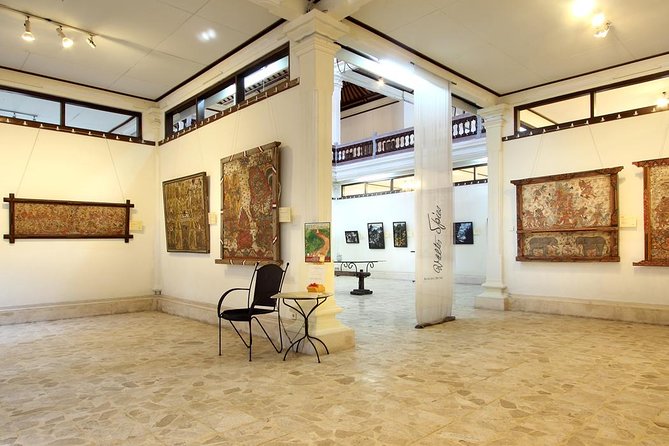
- What you’ll find inside ARMA’s art spaces
- A closer look at Batik and contemporary art—how to enjoy it
- Performances, classes, and the “arts center” feel
- Using your time well: 30 minutes vs 2 hours
- If you only have 30 minutes
- If you have closer to 2 hours
- Price and value: is $9.38 worth your time?
- Pairing ARMA with an easy Ubud day
- Who should book (and who might skip it)?
- Should you book this ARMA museum admission?
- FAQ
- How long does the ARMA museum visit take?
- What does the ticket cost?
- What’s included with the admission?
- Where is ARMA located?
- Do I need to join a group tour?
- Is a guide provided?
- Is lunch included?
- What’s the cancellation policy?
Quick hits before you go
- Guaranteed entry to the Agung Rai Museum of Art (ARMA), cutting down on line time
- Self-paced visit so you can linger at the art that grabs you
- Coffee and/or tea included when you redeem your ticket
- Art plus cultural programs: exhibitions, plus performances and classes when available
- On-site convenience—there’s an on-site restaurant option worth factoring into your day
ARMA in Ubud: what this ticket really gets you
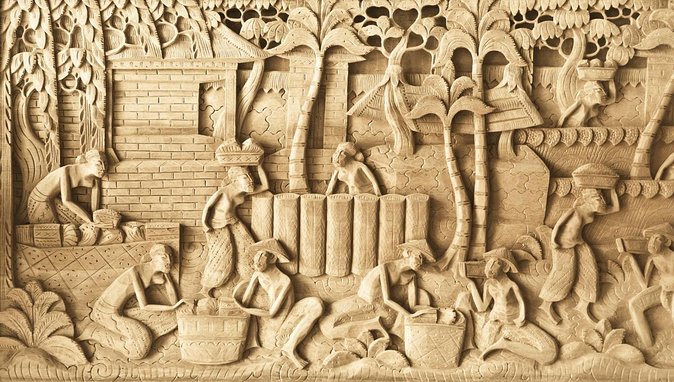
ARMA, short for Agung Rai Museum of Art, sits in Ubud and works like more than a standard museum. Yes, it’s built for art viewing—paintings, including traditional Batik-style works and more contemporary pieces—but it’s also designed as a center for visual and performing arts.
That matters because this ticket doesn’t only cover galleries. It also gives you access to a place that supports activities around Balinese and Indonesian culture: special temporary exhibitions, plus things like theatre performances, dance, music, and painting classes (depending on what’s on during your visit). If you like museums that feel connected to everyday culture—rather than sealed in glass—you’ll feel at home here.
This is also a smart buy if Ubud days tend to sprawl. Your visit can stretch from about 30 minutes to 2 hours, which means you can fit it into a half-day plan if you want a calmer break from temples and scooters.
Guaranteed entry and your “no-group” advantage
The main practical win is the ticket itself. Booking ahead is meant to guarantee you entry, so you don’t lose precious Ubud time to queues. For a museum day, that’s huge. You’re not standing around hoping you’ll make it in before the energy in your day runs out.
Then there’s the format: you explore at your own pace. That’s ideal when:
- you want to spend extra time at one section (Batik and painting styles can reward slow looking)
- you’re traveling with someone who likes different art speeds
- you don’t want the pressure of “keep up with the group”
The experience may be operated by a multi-lingual guide, but the core value still reads as flexible self-use. If a guide is involved, think of it as a bonus, not the main event.
What you’ll find inside ARMA’s art spaces
Inside ARMA, the focus stays on art and culture, with both permanent and rotating elements. Expect to see:
- A permanent collection of artworks, including Batik paintings and contemporary masterpieces
- Special temporary exhibitions, which are where you can catch something different each trip
- A museum layout that also connects to other cultural formats—performing arts and learning activities
This is where the ticket becomes more than a checklist item. The museum is set up to let you connect the dots between traditional craft and modern interpretation. That’s especially useful for first-timers in Indonesian art, because you can compare styles without needing an advanced art course.
Also, ARMA includes useful extras that make a visit feel complete: a bookshop, a library, and a reading room. If you like to leave a museum with something to bring home (or with a quiet place to reset), this is a nice touch.
A closer look at Batik and contemporary art—how to enjoy it
The collection ranges from traditional Batik paintings to contemporary works, and that mix is what helps ARMA feel like a living art scene. Batik has a visual rhythm—pattern, repetition, and symbolic choices—that rewards slow attention. Contemporary pieces then act like a conversation partner, showing how artists build on identity, technique, and culture in newer ways.
Here’s how I’d approach it so you get more out of the time:
- Start with Batik-style works if you want an easy entry point. Look for repeating motifs and how color choices shift the mood.
- After that, move toward contemporary art. Try to notice what feels carried forward (subject matter, cultural themes) versus what feels newly interpreted.
- If you’re not a museum person, pick one theme to follow instead of trying to see everything. That could be color, people, textiles, or the way artworks use space.
You won’t need to be an art expert. The payoff here is simply being in an art setting where both tradition and modern perspectives are in the same visit window.
Performances, classes, and the “arts center” feel
One reason ARMA stands out as a place to spend real time is that it’s not only a gallery. The museum describes itself as a center where visitors can enjoy theatre performances, dance, music, and painting classes.
Your visit might include some of that, or you might mainly catch the art spaces. The key is that the museum is structured so those cultural events are part of the overall experience. Even if you catch only a hint of the arts schedule, it changes the mood from quiet viewing to something more community-linked.
If you’re planning your day around this, keep it simple: arrive with flexibility. Ubud schedules can shift, and the best museum energy usually comes from not forcing your timing too tightly.
Using your time well: 30 minutes vs 2 hours
The ticket window gives you a lot of control. Here’s a practical way to think about your visit length:
If you only have 30 minutes
Do a quick circuit:
- Focus on the permanent collection highlights (especially Batik-style pieces).
- Choose one temporary exhibition area to sample.
- Skip deeper stops like the reading room unless you’re truly enjoying the calm.
This works if you mainly want a taste and you’re heading to other Ubud sights next.
If you have closer to 2 hours
Now you can settle in:
- Spend time with Batik paintings and comparable artworks in the same section.
- Browse any special temporary exhibition at a slower pace.
- Stop for the included hot drink, then revisit whichever artwork pulled you in.
This is also the time to check the bookshop. Even if you buy nothing, it helps you connect the museum visit to the broader art world.
Price and value: is $9.38 worth your time?
At $9.38 per person, this is priced like a straightforward admission deal—yet it includes a couple of meaningful perks. The hot drink (coffee and/or tea) is small, but it turns the visit into more of a comfort pause rather than just a “walk-through and go.”
The bigger value is what the ticket protects:
- Guaranteed entry reduces wasted time in queues.
- Self-paced exploration means you control how much you see.
- The venue itself covers more than paintings, with an arts-center setup that includes temporary exhibitions and cultural programming.
So the real question isn’t only the price. It’s whether you’ll use the flexibility. If you like art, or you want an authentic cultural stop that isn’t only about temples and viewpoints, this ticket can feel like a bargain. If you’re burned out on museums that day, you may still enjoy it—but you’ll likely want a shorter visit and clear “what I’m here for.”
Pairing ARMA with an easy Ubud day
The experience reads well as part of an art-and-culture loop. One review specifically notes the museum and restaurant feel like a first-class setup, and that the location is close to other nice things to do. Even without turning your day into a strict itinerary, ARMA can act as a grounding stop: calm, cultural, and comfortably spaced from the usual Ubud rush.
A practical way to build the day:
- Schedule ARMA around the time you’d otherwise browse cafés.
- Pair it with another nearby Ubud activity that fits your walking/driver plan.
- Leave a bit of buffer so you don’t rush through the art just to make the next reservation.
Who should book (and who might skip it)?
This ticket is a strong match if you:
- want Southeast Asian art with both traditional and contemporary works in one place
- like the idea of a museum that connects to cultural programs like performances and classes
- prefer self-paced sightseeing
- want a low-cost art stop that still feels substantial
It’s less ideal if you:
- hate museums unless there’s a very clear, single highlight you’re chasing
- only want a quick photo-and-leave experience
- don’t care about art styles and just want spectacle
If you’re somewhere in the middle—curious but not obsessed—ARMA is still worth it because the format helps you control the pace. You can sample first, then decide if you want to keep going.
Should you book this ARMA museum admission?
I’d book it if you value time and flexibility. The combo of guaranteed entry, self-paced exploration, and an included coffee or tea makes this feel efficient for Ubud planning. At $9.38, you’re not taking a huge budget risk either, so you can pair ARMA with other plans without stress.
Skip it only if you know you’re in a “no museums today” mood. Otherwise, ARMA is the kind of cultural stop where slowing down actually pays off.
FAQ
How long does the ARMA museum visit take?
The duration is approximately 30 minutes to 2 hours.
What does the ticket cost?
The price is $9.38 per person.
What’s included with the admission?
Coffee and/or tea is included.
Where is ARMA located?
ARMA is in Ubud, Indonesia.
Do I need to join a group tour?
No. The experience is designed for you to explore at your own pace without waiting for a group.
Is a guide provided?
The experience may be operated by a multi-lingual guide.
Is lunch included?
No, lunch and other food/drinks are not included.
What’s the cancellation policy?
Free cancellation is available up to 24 hours in advance for a full refund.