REVIEW · RAVENNA
Classis Museum & Basilica of Sant’Apollinare Entry Ticket
Book on GetYourGuide →Operated by Arcadia Tour Operator e DMC · Bookable on GetYourGuide
Ravenna’s mosaics hit harder when you pair them with real context. This Classis Museum & Basilica of Sant’Apollinare in Classe ticket lets you see the famous 6th-century basilica mosaics and then connect them to Ravenna’s maritime world at the Classis Museum—so your visit feels like one story, not two disconnected stops.
I especially love the apse mosaics at Sant’Apollinare in Classe—those vivid biblical scenes and symbolic figures are the kind of detail you notice more the longer you stand there. I also like that the museum is modern and structured, using a timeline and clear sections for daily life and spirituality, so you’re not just looking at artifacts without clues.
One practical drawback: transfer isn’t included, and Classe is a separate stop from central Ravenna. You’ll want to plan your bus/taxi schedule so you don’t feel rushed between the museum and the basilica.
In This Review
- Quick highlights you’ll feel on the ground
- Classis Museum: a modern museum that explains Classis without boredom
- The realistic pacing
- Basilica of Sant’Apollinare in Classe: the mosaics are the main event
- What to notice first
- The apse mosaics: where your eyes should stay
- How visitors often experience it (and why you’ll like it too)
- Timing it right: opening hours and last entry
- A smart day flow
- Ravenna to Classe: how to handle transport since it’s not included
- My practical rule
- Ticket value: $11 for two very different kinds of value
- Who should book, and who might want a different plan
- Little etiquette that improves the visit (more than you’d expect)
- Should you book this ticket?
- FAQ
- What does the Classis Museum and Basilica ticket include?
- How long is the ticket valid?
- What are the basilica opening hours?
- What are the Classis Museum opening hours?
- When is the last entrance?
- Is this experience wheelchair accessible?
- Are transfers or a tour guide included?
- Is there free cancellation?
Quick highlights you’ll feel on the ground
- Apse mosaics with Transfiguration imagery and figures in prayer, plus symbolic lamb motifs
- 6th-century architecture paired with 7th-century panels that include Constantine IV
- A Classis Museum layout that’s easy to follow, with timeline milestones and sea-themed visuals
- Exhibits that connect Ravenna to its maritime identity through a large mosaic symbolizing the sea bond
- A visit rhythm that works even on lighter-traffic days, with few queues reported
Classis Museum: a modern museum that explains Classis without boredom
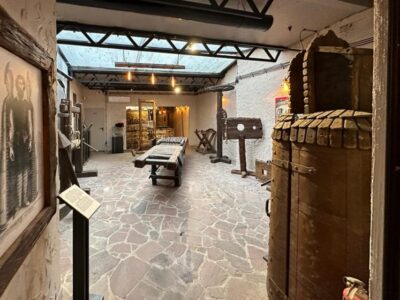
If you like museums that tell you what you’re looking at, this one is built for you. The Classis Museum (Museum of the City and Territory) focuses on Ravenna and its broader area, with an approach that’s organized by chronological milestones and designed for learning, not just display. It has even been recognized for innovation in 2021, and you can feel that in how the exhibits are laid out.
Start by looking for the museum’s big visual anchors. There’s a large mosaic symbol meant to show Ravenna’s indissoluble connection to the sea, and it sets the tone fast. Then you can use the timeline for orientation—one reason this ticket works well is that the museum helps you “decode” what you’ll see later at Sant’Apollinare in Classe.
What I’d focus on inside:
- Timeline and key epochs: You’ll get a clearer sense of when things happened, not just what’s on the walls.
- Sea and the Classis theme: Classis ties into the Roman story of Ravenna’s power and maritime role, and the museum keeps pulling that thread.
- Daily life + spirituality: The museum isn’t only about churches and rulers. You’ll also see reconstructions related to worship spaces and residences of citizens, plus sections that connect everyday life with religious culture.
- Tech-enhanced exhibits: The museum description highlights innovative technologies. Even if you don’t use every interactive tool, the point is that the museum doesn’t feel static.
A small but helpful detail: one review notes the museum is in a former zuccherificio setting—basically an old sugar-industry building. That kind of reuse gives the place character, and it can make the museum feel more grounded than a brand-new white box.
A few more Ravenna tours and experiences worth a look
The realistic pacing
The museum’s official hours are 10:00 to 15:00 every day, with last entrance 30 minutes before closing. That means you should plan on arriving with enough time to actually read at least a few sections, not just stamp your ticket and sprint. If you show up late, you’ll lose the benefit of its structured flow.
Basilica of Sant’Apollinare in Classe: the mosaics are the main event
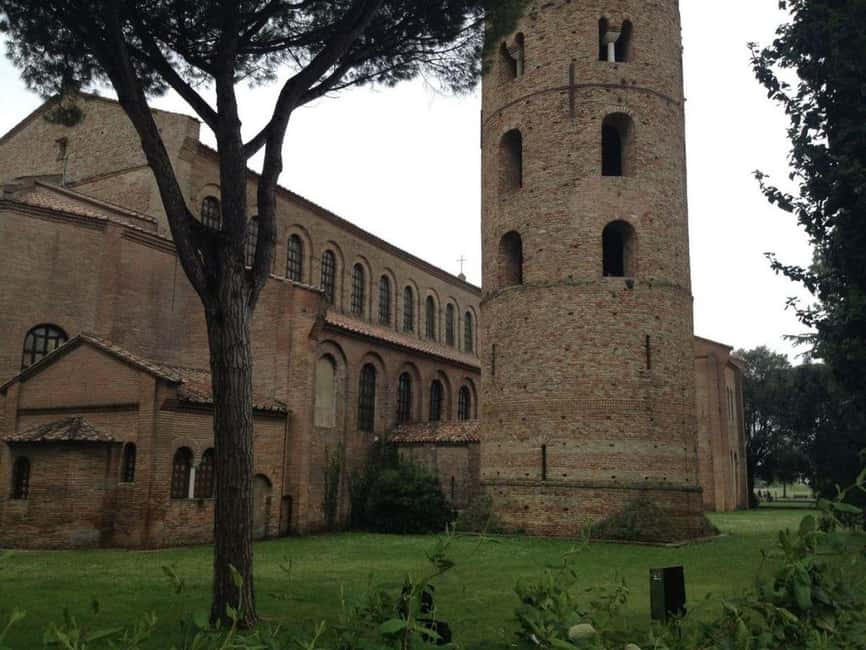
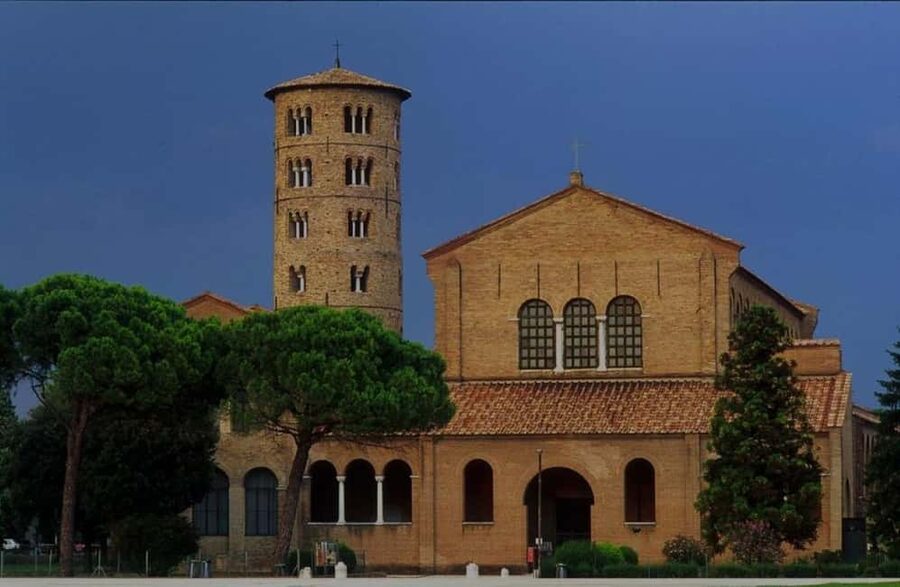
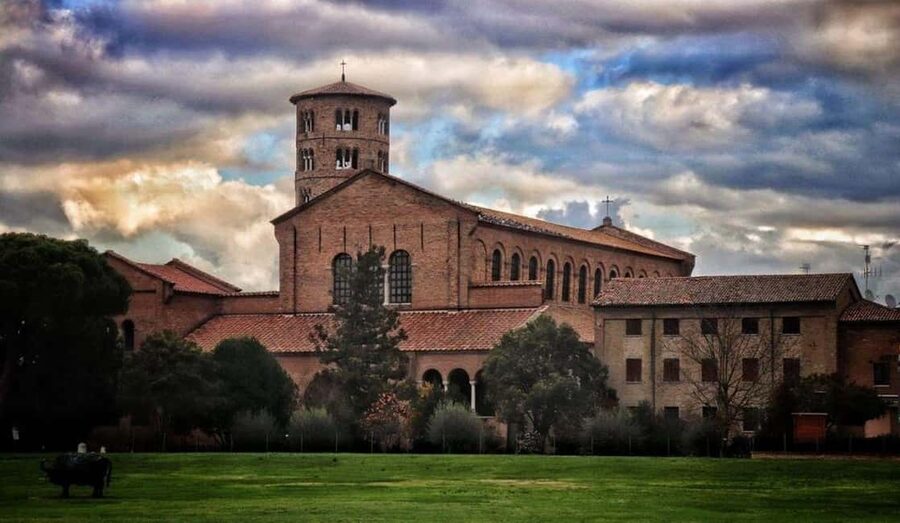
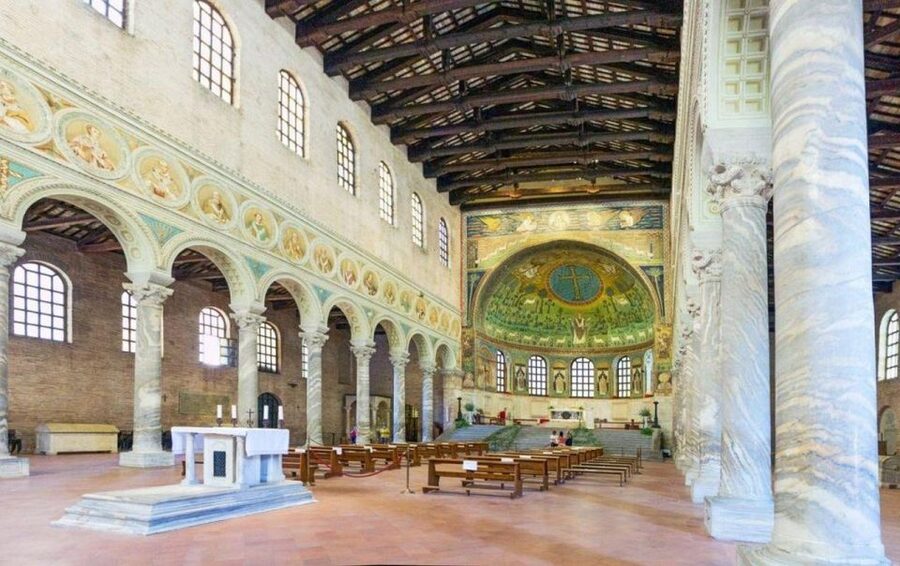
After the museum, the basilica hits differently. Sant’Apollinare in Classe is a 6th-century masterpiece, and the big reason it’s famous is the mosaics. This ticket gives you time to walk the side aisles and take in the basilica’s atmosphere the way it was meant to be experienced—slowly, looking up.
What to notice first
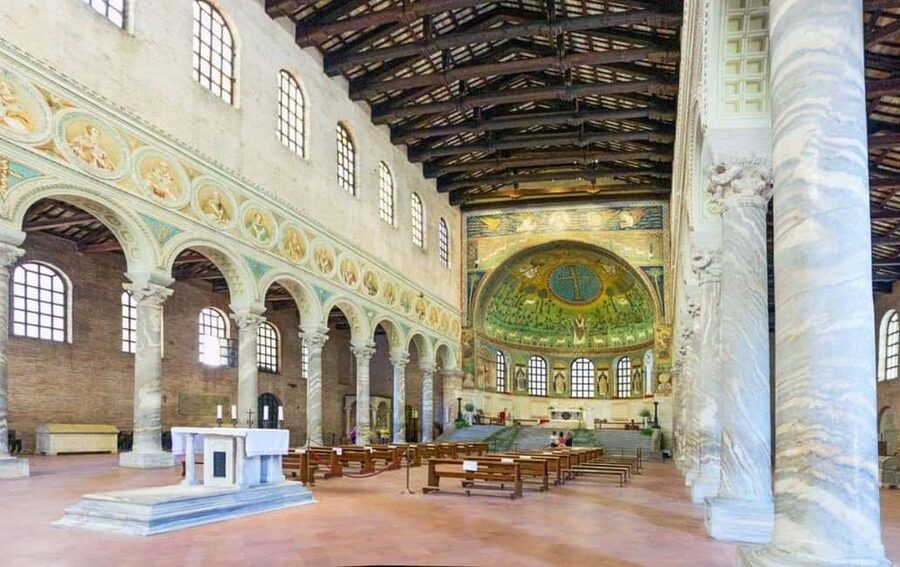
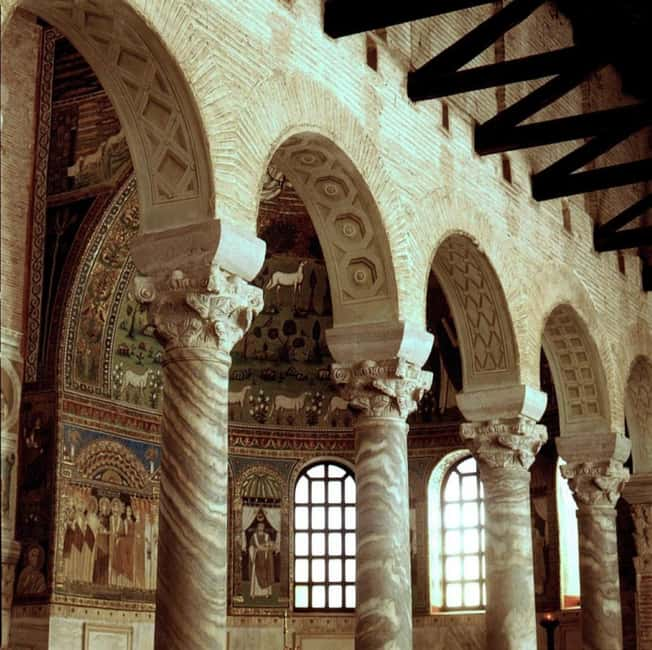
I’d start with the big picture: the basilica’s interior is all about light and pattern. Then look for the side aisles where you can see ancient marble sarcophagi and fragments of original mosaics that once belonged to the basilica’s earlier flooring. Those fragments matter because they help you understand the mosaics weren’t just painted for decoration—they were part of a larger sacred design.
The apse mosaics: where your eyes should stay
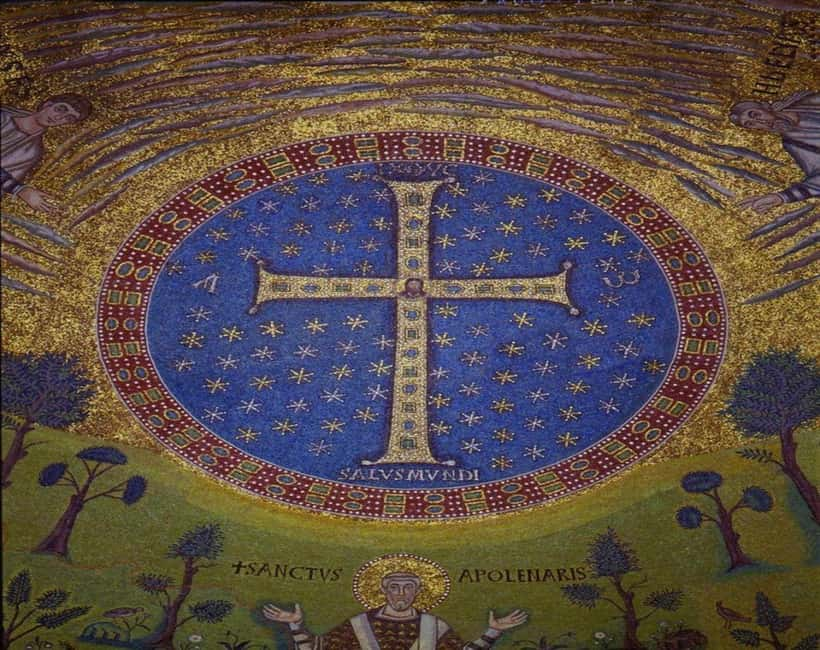
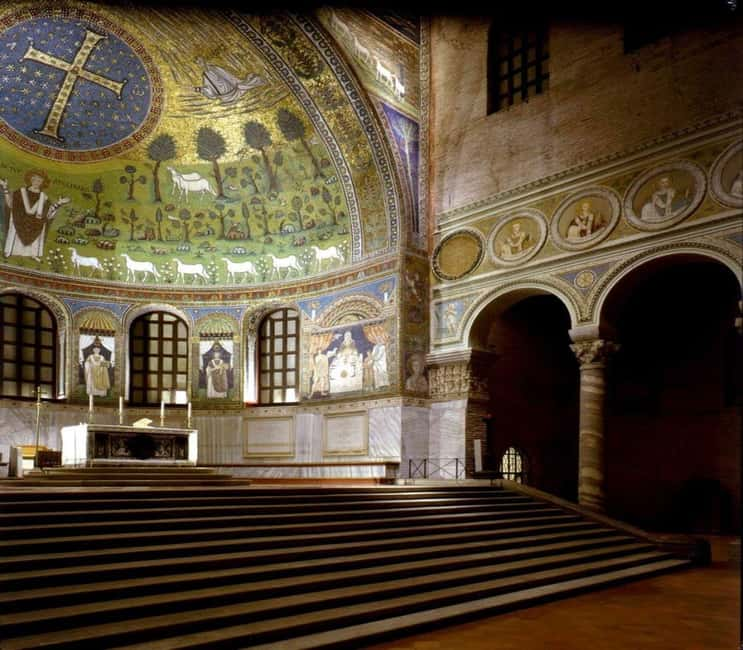
The apse mosaics are the moment. The description points to representations tied to the Transfiguration of Jesus, alongside Sant’Apollinare shown in prayer, surrounded by symbolic lambs. The colors and small details are exactly what make this kind of art feel alive. If you only glance once and move on, you miss what makes Ravenna’s mosaic tradition so compelling—this is art designed for lingering.
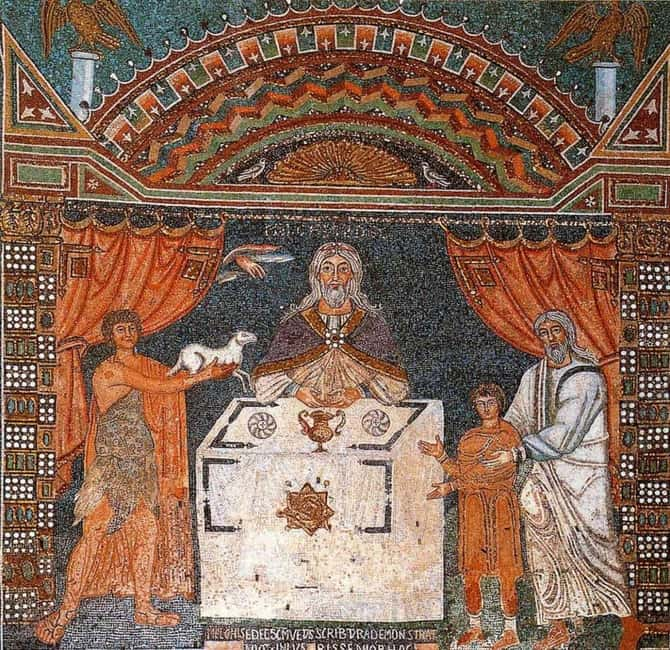
There’s also mention of 7th-century panels with scenes and figures, including the Byzantine Emperor Constantine IV, plus biblical figures such as Abraham, Abel, and Melchizedek. This is one reason the museum pairing makes sense. It helps you recognize the time layer: you’re not just looking at one era’s taste, you’re seeing the basilica’s story stretch across centuries.
How visitors often experience it (and why you’ll like it too)
One review described both sites as having no queues and fewer visitors during a late-day visit. That’s not guaranteed, but it lines up with why Classe can feel calmer than central Ravenna. If you can choose timing, you often get a better experience by going when the light is kind to mosaics and when families are less concentrated.
Timing it right: opening hours and last entry
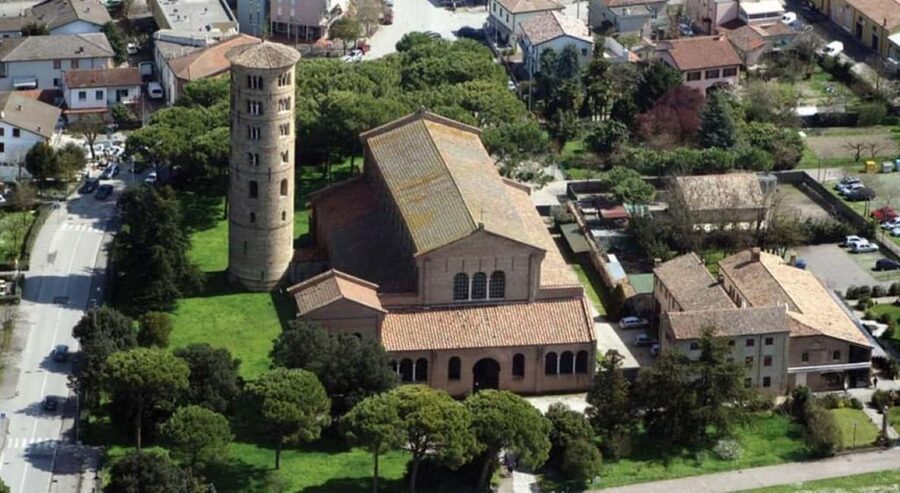
This is a one-day ticket, but the hours matter because the Classis Museum has a shorter window than the basilica.
Here are the key hours you should work around:
- Basilica of Sant’Apollinare in Classe:
- Monday to Saturday: 08:30–19:00
- Sunday and bank holidays: 13:30–19:00
- Classis Museum: 10:00–15:00 (every day)
- Last entrance: 30 minutes before closing for both sites
A smart day flow
If you’re there on a day when the basilica opens in the morning (Mon–Sat), I’d usually do:
1) Basilica first (start closer to 08:30 if possible)
2) Museum around midday, aiming to arrive with time to actually read
If you’re visiting on Sunday or a bank holiday, the basilica opens later (13:30), so your museum slot becomes the “anchor.” In that case, you may prefer to start at the museum near 10:00, then go to the basilica as soon as it opens.
Ravenna to Classe: how to handle transport since it’s not included
One big thing to plan for: transfer between museums is not included. Classe is not across the street from central Ravenna, so you’ll need your own plan—bus, taxi, or rideshare.
A helpful tip from a real-world visit: one reviewer took the number 4 bus from Ravenna, about 20 minutes. That’s the kind of info that helps you budget real time. If you’re using public transit, give yourself a cushion. Even a small delay can squeeze your time because the museum closes at 15:00.
My practical rule
Treat the museum as time-critical and the basilica as time-flexible (especially on Mon–Sat). That way, if transit runs slow, you don’t end up missing the one stop that shuts earlier.
Ticket value: $11 for two very different kinds of value
At about $11 per person, this ticket is strong value because you’re paying for two kinds of payoff:
- Art and architecture at Sant’Apollinare in Classe, where the “product” is your experience of mosaics and space
- Interpretation at the Classis Museum, where the “product” is understanding why those mosaics belong to this place
If you’re the type who enjoys monuments but hates feeling lost, the museum’s role is key. The museum is described as structured with essential chronological nodes, a timeline, and sections on daily life and spirituality. That kind of context makes the basilica more than a pretty church—it becomes a readable chapter in Ravenna’s story.
Also, the experience isn’t described as difficult to manage. One review noted the museum isn’t hard to find, and both sites had minimal waiting. While queue levels can change, the overall setup sounds like a visitor-friendly pairing.
Who should book, and who might want a different plan
This ticket is a good match if:
- You want Ravenna UNESCO-style mosaics, but you also want the “why”
- You like self-guided experiences with clear exhibit structure (timeline, themes, sections)
- You prefer sites that often feel calmer than the busiest city-center stops
You might think twice if:
- You strongly prefer a guided tour to connect everything for you (this ticket is entry only)
- You don’t want to plan transport between Ravenna and Classe, since transfers aren’t included
- You only have a short window in the day and can’t fit the museum’s 10:00–15:00 schedule
Little etiquette that improves the visit (more than you’d expect)
Even without a guide, you can get more out of the ticket by using your time well.
For the basilica:
- Take your time standing in front of the apse mosaics. The key figures (and the lamb symbolism) make more sense once you slow down.
- Walk the side aisles enough to notice the marble sarcophagi and mosaic fragments—those details are part of the basilica’s physical “memory.”
For the museum:
- Use the timeline early. Then you’ll read the exhibits with a sense of sequence.
- Don’t feel like you need every section. Pick the ones that connect to the sea and to spiritual life, because those are the strongest links to the basilica.
Should you book this ticket?
Yes—if you want one of the best Ravenna pairings of mosaics + context at a fair price. The basilica is the star, but the Classis Museum makes that star shine brighter by giving you a clearer timeline, a sea-focused Ravenna identity, and themed sections on life and belief. Just plan your transport between Ravenna and Classe since transfers aren’t included, and aim to fit the museum window before it closes at 15:00.
FAQ
What does the Classis Museum and Basilica ticket include?
It includes entry to both the Classis Museum and the Basilica of Sant’Apollinare in Classe.
How long is the ticket valid?
The ticket is valid for 1 day, with availability depending on starting times.
What are the basilica opening hours?
From Monday to Saturday, it’s 08:30–19:00. On Sunday and bank holidays, it’s 13:30–19:00.
What are the Classis Museum opening hours?
The Classis Museum is open every day from 10:00 to 15:00.
When is the last entrance?
The last entrance is 30 minutes before closing time.
Is this experience wheelchair accessible?
Yes, it is listed as wheelchair accessible.
Are transfers or a tour guide included?
No. Transfer and tour guide are not included, so you’ll need to arrange getting between the sites yourself.
Is there free cancellation?
Yes. You can cancel up to 24 hours in advance for a full refund.