REVIEW · AMSTERDAM
Amsterdam: Nxt Museum ‘Still Processing’ Exhibition Ticket
Book on GetYourGuide →Operated by Nxt Museum · Bookable on GetYourGuide
The idea of machine-made images sounds cool, until you notice how your own eyes help finish the job. Still Processing at Nxt Museum turns that question into a hands-on, art-and-tech walk through image processing and sound-and-light installations.
I like that the exhibition is built around big, sensory experiences—six large-scale works on music, movement, performance, and education. I also like the real-world pause option: an in-house place to grab a bite or drink. The one drawback to consider is that the museum can feel small for the price, so set expectations for a focused visit rather than a long, wandering day.
In This Review
- Key highlights to plan for
- Still Processing: art built from how your brain sees images
- A self-guided route through six large installations (and how to pace it)
- 3D-rendered environments and AI projections: where reality gets converted
- Kinetic light and sound that runs late: the best reason to go
- The in-house restaurant option, plus the no food rule
- Price and value: when $29 makes sense (and when it might not)
- Practical rules you need to know before you arrive
- Who this experience is best for (and who should skip it)
- Should you book Nxt Museum’s Still Processing?
- FAQ
- How long is the Nxt Museum Still Processing ticket valid?
- Is a guide included with the ticket?
- Where is the entrance for Nxt Museum in Asterweg?
- Is Nxt Museum wheelchair accessible?
- Can I take photos with flash or use a tripod?
- Is the exhibition suitable for people with epilepsy?
Key highlights to plan for

- Six large-scale new media installations built around how images are created and perceived
- Sound-and-light works that run until late, so plan your timing if you want the full effect
- A theme that’s actually useful: machine algorithms vs human perception, and what gets lost
- Works mixing AI projections, 3D-rendered environments, and kinetic light
- Strict photo rules (no flash) that help keep the sensory vibe intact
- Not for everyone: the show is not suitable for people with epilepsy
Still Processing: art built from how your brain sees images
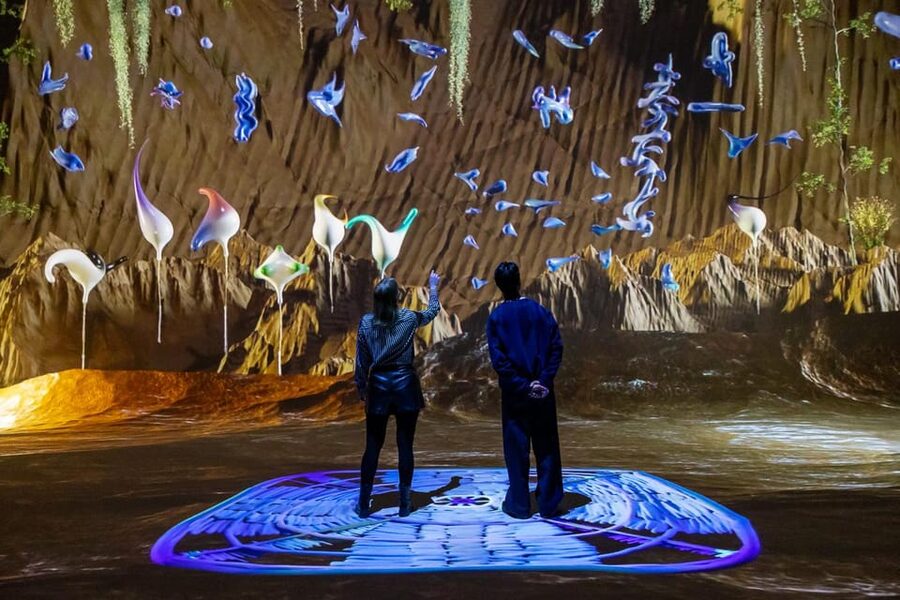
Still Processing is an exhibition about evolution—how image processing changes from algorithm to perception, and back again. The show runs from February 7 to October 5, and it asks some blunt questions: How do you perceive images? How do machine systems influence what you think you’re seeing? And when reality gets converted into data, what disappears along the way?
What I appreciate is that this isn’t just abstract tech talk. The exhibition turns the topic into a set of spaces where your senses do the interpreting. You’re not only looking at visuals; you’re watching how the room, the light behavior, and the sound shape your sense of space and meaning.
And the experimental setup fits the Nxt concept: this is an art space at the intersection of art, technology, science, and sound. If you like modern art that tries to explain its own rules (even if those rules are a little strange), you’ll likely have a good time here.
A few more Amsterdam tours and experiences worth a look



A self-guided route through six large installations (and how to pace it)
There isn’t a guided tour included. Your ticket gives you entry only, so you’ll move at your own speed and spend time where things click for you.
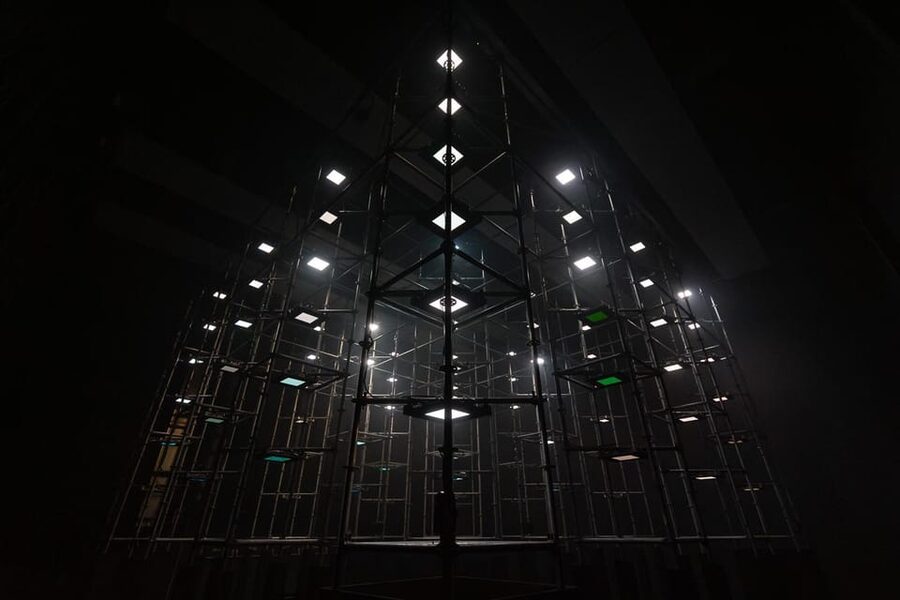
The exhibition is described as six large-scale installations, featuring multiple new media artists and programs focused on:
- music
- movement
- performance
- education
Even without a schedule, you can still make your visit feel intentional. Here’s a simple pacing approach:
- Start by scanning the full exhibition layout first, so you know which spaces feel like the biggest wow-factor.
- Then give each installation a steady block of time. Some of the effects likely make more sense after your eyes and ears adjust.
- If you’re sensitive to overstimulation, don’t force a marathon. The show blends visual change with sound, and it’s meant to be experienced, not checked off.
One practical point: there’s no mention of an audio guide, so if you want clarity on the ideas, you’ll rely on what you can read on-site and what you notice in the installations themselves.
3D-rendered environments and AI projections: where reality gets converted
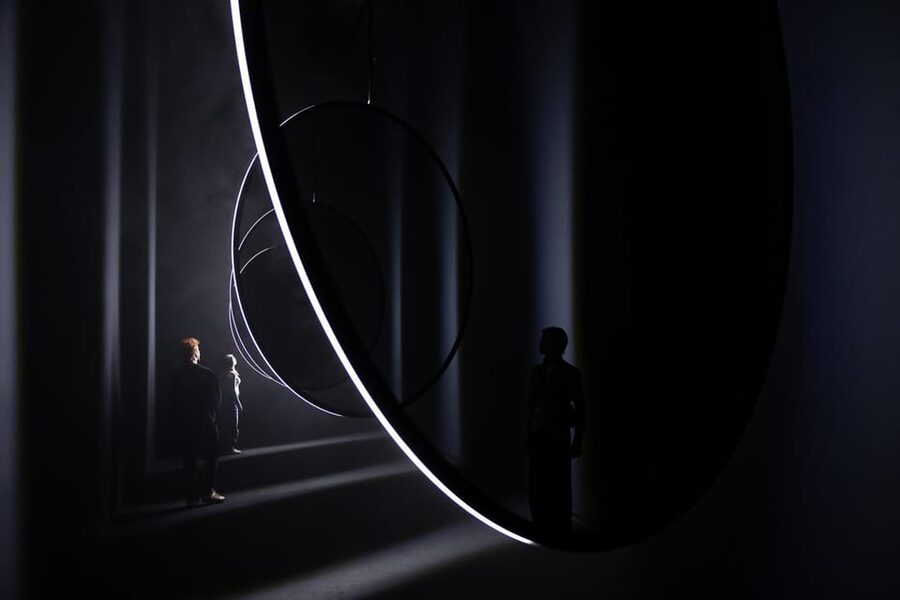
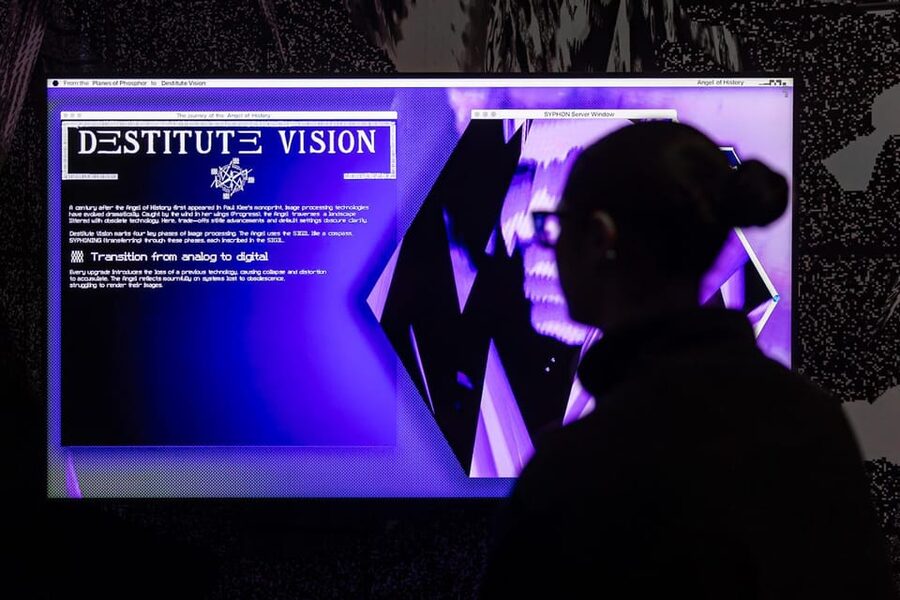
A big chunk of Still Processing centers on the way machines generate and transform images. You’ll encounter concepts like AI-generated projections and 3D-rendered environments, which are basically two different paths from data to image.
What that means for you in the room:
- You’re likely looking at images that have been computed, not captured.
- The visuals may behave more like systems than like paintings—responding to conditions, patterns, or processing logic (even if the logic isn’t spelled out).
- Your perception becomes part of the experience. The exhibition is explicitly interested in how humans perceive—and how that perception can differ from the machine’s “version” of the world.
If you’re the type who enjoys the question of how tech shapes culture—especially how images train your brain—you’ll find this theme satisfying. It’s also a good option if you want something beyond the usual museum format: this show is less about a timeline of art and more about an active question.
Kinetic light and sound that runs late: the best reason to go
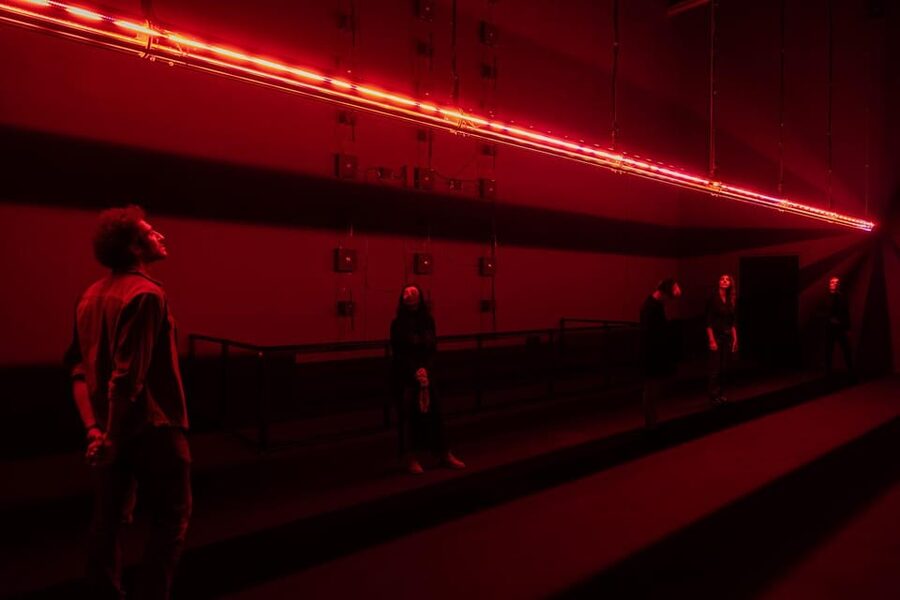
The museum highlights that interactive works include sound & light until late. That detail matters. Effects that depend on light behavior and audio feedback often hit harder when the museum is less busy and the lighting conditions inside the installation are doing their job.
So I’d plan your visit with this in mind:
- Aim for later in the day if you can.
- Keep some time buffer so you’re not rushing through the final rooms.
There’s also a stated focus on sensory experiences that blur the boundaries between real and imagined. In plain terms: you may leave wondering what you believed at first glance, and what changed as sound and light interacted with your attention.
The in-house restaurant option, plus the no food rule
Nxt Museum says you can enjoy a bite or drink at the in-house restaurant. At the same time, it also states that food and drinks are not allowed inside the exhibition spaces.
That might sound contradictory, so treat it like a “confirm at the entrance” situation:
- Don’t plan on carrying snacks into the galleries.
- If you want food or drinks, plan to use the in-house restaurant instead of bringing your own.
This is still useful information because it affects comfort. If you’re coming from a long day of walking around Amsterdam, you’ll want a real meal break option—then you can return to the installations without worrying about rules.
You can also read our reviews of more museum experiences in Amsterdam






Price and value: when $29 makes sense (and when it might not)
The ticket is $29 per person for 1 day. On paper, that price positions Nxt Museum as a premium, experience-focused stop rather than a bargain museum.
So here’s how to judge value before you buy:
- If you want experimental, tech-and-senses art, the price can feel reasonable because you’re paying for interaction: installations that use music, movement, performance, sound, and light.
- If you’re hoping for a large museum you can spend hours roaming, you might feel shortchanged. One downside that shows up in the overall rating context is that the experience can feel smaller than expected, with some people enjoying only their favorite installation.
My practical advice: treat it like a concentrated stop. Build your day around this museum, not around the idea that you’ll fill the whole day with galleries and then also have time for lots of extra rooms.
Also note the format: there’s no guide included. That can lower the value for some people who like explanations. If you’re comfortable exploring modern installations without a structured walkthrough, you’ll probably get more out of it.
Practical rules you need to know before you arrive
These are the kinds of rules that can ruin your mood if you ignore them:
- Flash photography is not allowed. Your phone’s camera can be useful, but expect restrictions on lighting-heavy shots.
- Tripods are not allowed. Keep your setup simple.
- Pets are not allowed, though assistance dogs are allowed.
- The museum is wheelchair accessible.
- It is not suitable for people with epilepsy.
There’s also a “host or greeter” available in English and Dutch, which can help if you need basic orientation. Language support matters in a tech-art space, where rules and flow can be less obvious than in traditional museums.
The meeting point is straightforward: go to the entrance of Nxt Museum in Asterweg, and look for signage pointing you to the entrance on the right-hand side of the building.
If your plans are flexible, the booking info includes reserve now & pay later and free cancellation up to 24 hours in advance—handy if you’re juggling museum time blocks.
Who this experience is best for (and who should skip it)
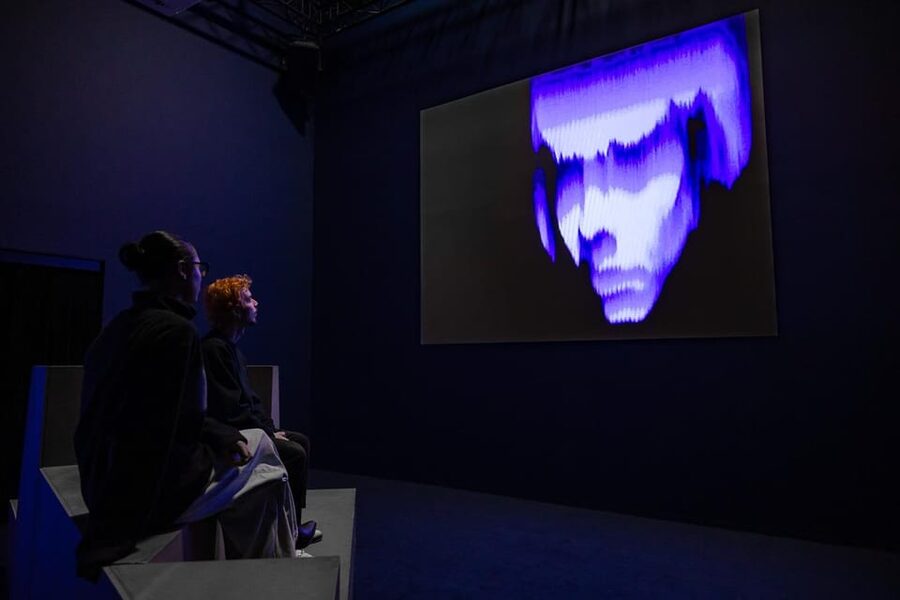
Still Processing is built for people who enjoy ideas expressed through tech and senses. It’s a strong fit if you like:
- modern art that uses tech as the medium, not just the theme
- sound-and-light experiences
- questions about how images are manufactured and how perception responds
- art that mixes education with experimentation
It may not be the best pick if:
- you need a guided narrative to follow complex concepts
- you want a very long, sprawling museum visit
- you’re dealing with epilepsy-related sensitivity (the show is explicitly not suitable)
It’s also a good choice for couples or small groups who can take their time in each installation, because you’ll get more from pausing, watching, and letting the sound and light do the explaining.
Should you book Nxt Museum’s Still Processing?
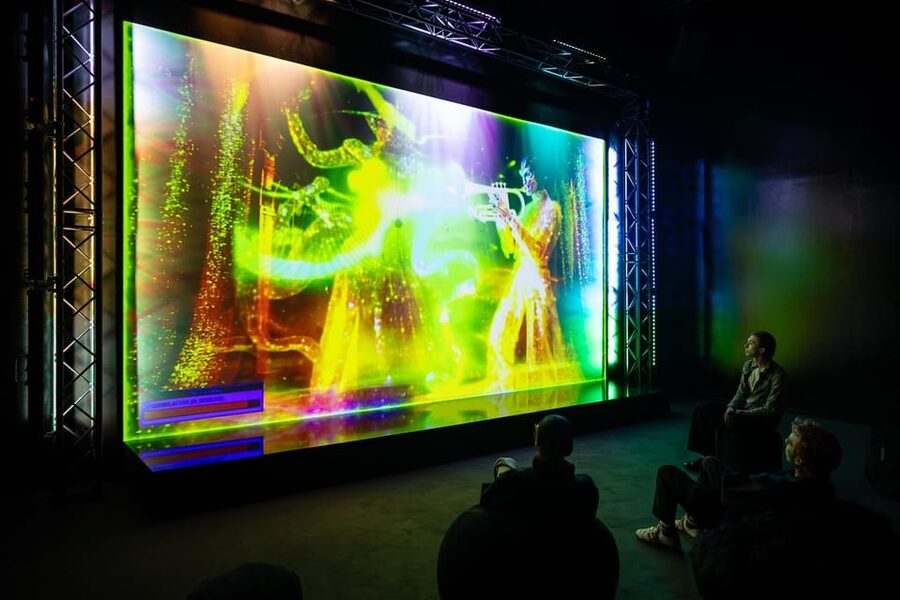
Book it if you want a focused, sensory art stop where image processing becomes something you feel through light and sound. The theme is smart, and the show is set up to make you question what you see and why.
Skip or rethink it if you’re expecting a large, easy-to-navigate museum with lots of explanation built in. At $29 for entry only, you’ll want to be the type of person who enjoys figuring things out on your own.
If you’re a tech-curious art fan and you can time it for the sound-and-light works later in the day, this is the kind of Amsterdam experience that can stick with you.
FAQ
How long is the Nxt Museum Still Processing ticket valid?
The ticket is valid for 1 day. You’ll want to check availability for the starting time you choose.
Is a guide included with the ticket?
No. The ticket includes entry only, and a guide is not included.
Where is the entrance for Nxt Museum in Asterweg?
Go to the entrance of Nxt Museum in Asterweg. Look for signage on the front of the building that points you to the entrance on the right-hand side.
Is Nxt Museum wheelchair accessible?
Yes. The venue is wheelchair accessible.
Can I take photos with flash or use a tripod?
No. Flash photography is not allowed, and tripods are not allowed.
Is the exhibition suitable for people with epilepsy?
No. It is not suitable for people with epilepsy.