REVIEW · BOWLING GREEN
Skip the Line: Historic RailPark and Train Museum Ticket with Guided Tour
Book on Viator →Operated by Historic RailPark Train Museum · Bookable on Viator
Old trains run better than old stories. This 45-minute Historic RailPark and Train Museum experience in Bowling Green pairs quick entry with a guided walk through real cars on display, including the kinds you usually only see in photos. I really like the value at $22 and the way the railcar tour makes transportation history feel practical and physical, not just talked about.
One thing to consider: the museum portion isn’t huge, so if you’re expecting a long, deep museum day, you may wish you’d given yourself more time.
In This Review
- Key things to know before you go
- Bowling Green’s L&N Depot: what you’re stepping into
- What you actually get for $22 (and why it’s a fair deal)
- The 45-minute plan: how the timing works
- Stop 1: Historic RailPark & Train Museum—what to look for
- The cars on the track: the part you’ll remember
- Guided railcar tour: why the guide matters
- Family-friendly logistics: making it easy on your schedule
- Value vs. expectations: who this tour is best for
- Price, comfort, and planning tips that help
- Should you book this RailPark skip-the-line tour?
- FAQ
- How long is the Skip the Line Historic RailPark and Train Museum ticket with guided tour?
- Where does the tour take place?
- What’s included in the $22 ticket?
- Is food or drink included?
- Is the tour offered in English?
- What should I wear?
- Can I cancel and get a full refund?
Key things to know before you go
- Skip-the-line style ticket with instant confirmation and a mobile ticket you can use right away
- Built around a railcar walk, not just a gallery visit, so the time feels focused
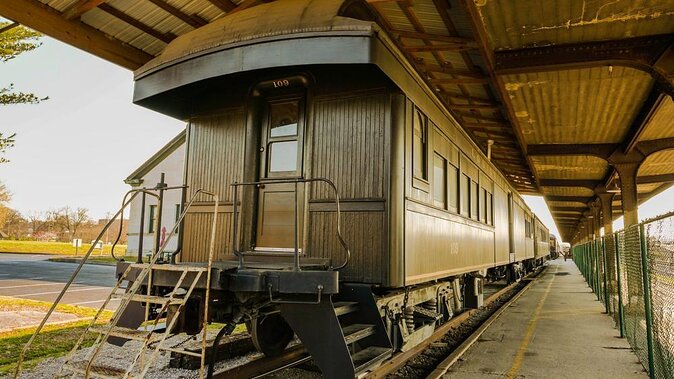
- 450 feet of track behind the museum with big-name cars and engines on display
- Great family fit, with plenty to see without needing a history degree
- Runs multiple times through the day, so you can match it to your schedule
Bowling Green’s L&N Depot: what you’re stepping into
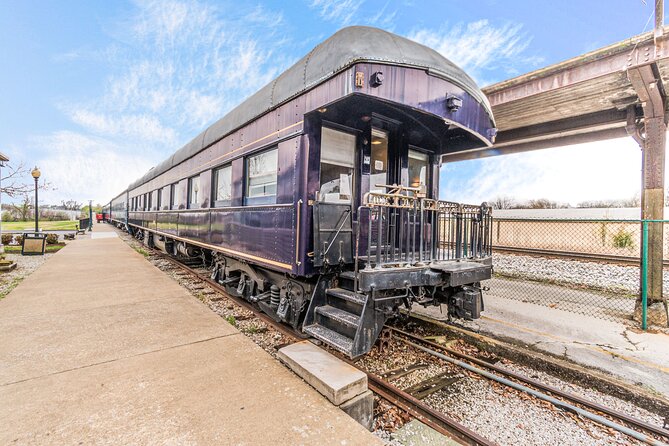
Bowling Green sits between two major transportation corridors, and the RailPark’s setting reflects that. The centerpiece is the L&N Depot, built in 1925 to replace an older station. At its peak, more than 20 trains per day used this spot, feeding travel between Louisville, Kentucky and Nashville, Tennessee.
That context matters, because the museum isn’t just showing old stuff for the sake of it. You’re seeing how trains connected work, mail, people, and commerce. Even if you don’t care about rail jargon, the story clicks: the rail line moved the daily rhythms of a region.
This is also where the smart timing of the tour helps. In about 45 minutes, you’ll get enough background to understand what you’re looking at, then you’ll see the standout rolling stock up close.
You can also read our reviews of more tours and experiences in Bowling Green.

What you actually get for $22 (and why it’s a fair deal)
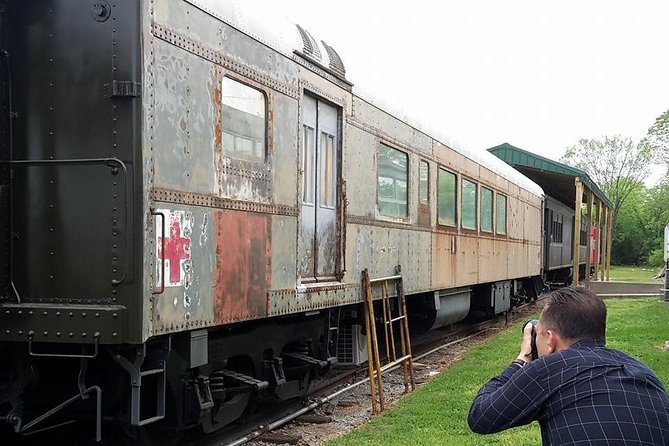
At $22 per person, the ticket is positioned as a quick, high-value introduction: it includes both the self-guided museum time and the guided railcar tour. That combo is important. You’re not paying for only one portion, and you’re not stuck reading labels the whole time.
A guided component can make or break a short attraction. Here, it helps you make sense of what’s on the track—especially the specialized cars. One of the most praised parts is the opportunity to walk through the actual mail and passenger cars, which turns history into something you can physically explore.
You’ll also notice what isn’t included: food and drinks. That’s normal for a short tour, but it means you should plan on grabbing a snack before or after.
The 45-minute plan: how the timing works
This tour runs about 45 minutes (approx.), and it’s offered multiple times during the day. That matters if your day is already packed or if you’re traveling with kids. A shorter session is easier to manage, and it reduces the risk that you’ll lose momentum halfway through.
The experience includes:
- Admission to the self-guided museum portion
- A guided railcar tour portion
Because it’s structured like that, you’ll feel a bit of a rhythm: you start with the museum context, then you move to the cars. If you like your sightseeing organized—but not rushed—this format tends to hit the sweet spot.
One practical note: the experience is offered in English, so language will be straightforward.
Stop 1: Historic RailPark & Train Museum—what to look for
You’ll begin at the Historic RailPark & Train Museum, in the L&N Depot area. This is where the big theme takes shape: transportation history, plus the cultural and socioeconomic impact of rail travel in the region.
Here’s what’s especially useful once you’re inside:
- The museum galleries focus on regional and national importance, so you’re not only learning Bowling Green’s story—you’re also seeing how rail fits into a larger picture.
- The placement is handy. Right behind the museum, you’ll find the standout rail assets on display, so the tour doesn’t feel like two unrelated stops.
Be aware of the main drawback: the exhibit area is described as small, at least compared to big-city museums. That doesn’t automatically mean it’s a waste of time. It usually means the labels and galleries are designed to feed directly into what you’ll see outside. Just manage your expectations: this is a focused rail experience, not a half-day museum marathon.
The cars on the track: the part you’ll remember
Right behind the museum is 450 feet of track with a lineup of impressive rail equipment. This is the moment the guided portion shines. Walking through cars changes everything—you notice details you’d miss from behind glass.
Here are some of the notable items you can expect to encounter:
- An E8 engine
- A Railroad Post Office car, including the kind of mail-delivery setup that powered the rhythm of travel
- The Duncan Hines Diner
- A 1949 Pullman diner
- The Pine, a 1953 Pullman Sleeper
- The 353 Presidential office car
Among the most praised parts is the mail car experience. If you’re curious how mail delivery worked before modern sorting and logistics, this is a tangible way to understand it. You can physically walk through the space and connect the idea of moving letters on schedule to the actual design and layout of the car.
Then there are the passenger cars. Pullman-era equipment is a great contrast point because it shows the passenger side of rail travel—comfort, routine, and the tech that made long-distance journeys feel manageable.
And yes, it’s fun. More than one detail gets described like stepping back in time, but in a good way: you’re not stuck in a lecture. You’re moving through the artifacts.
Guided railcar tour: why the guide matters
Even with an included self-guided museum portion, the guided tour is what makes the short time feel worth it. A guide can point out what to notice—like how certain cars were built for specific jobs, or why certain features mattered for daily operation.
This is also where you’ll get the real connections: how the rail line supported regional life, how mail traveled, and how those specialized cars played a role in the wider system.
A helpful bonus is that many visitors enjoy this as an educational experience that still feels playful. You’ll get facts, but you’ll also get a sense of what the cars were for. That’s the difference between reading about a subject and understanding it.
If you’re bringing kids, this is often the easier pitch. They can see engines, cars, and distinctive interiors without needing to sit still for long.
Family-friendly logistics: making it easy on your schedule
For families, the most important question isn’t the history. It’s whether the plan fits into real life. This one usually does because it’s short, it’s timed across the day, and it focuses on things you can look at while moving.
A few practical tips:
- Wear smart casual clothing. You don’t need formal attire, but you also don’t want to show up in beachwear.
- Comfortable shoes help. You’ll be walking around the museum area and railcar space.
- If your group has mixed ages, the lineup of cars tends to keep attention. Engine + mail car + diner + sleeper is a pretty strong combo.
Also, service animals are allowed, and the site is near public transportation, which can help if you’re not driving.
Value vs. expectations: who this tour is best for
This ticket works best if you want:
- A short, organized rail history experience
- A mix of museum context plus an actual walk-through of cars
- A strong focus on transportation, mail, and passenger equipment
It’s less ideal if you want a large, slow museum day. Since the exhibit portion can feel small, this isn’t the place to plan an extended self-guided wander. Think of it as a rail-focused “great hits” tour.
Here’s who tends to enjoy it most:
- Train lovers who want to get inside real cars
- History fans who like practical explanations
- Families looking for a kid-friendly, time-efficient outing
- Anyone curious about how mail and passenger service worked back then
Price, comfort, and planning tips that help
Let’s talk about money and time in plain terms. For $22, you’re paying for two things: access plus guidance. When both are included, the price usually feels fair—especially because the railcar portion is the highlight, and that’s where walking through the cars does the heavy lifting.
You don’t need to budget for snacks inside the experience, because food and drinks aren’t included. If you’re going with kids, plan a snack stop nearby, either before you start or right after you finish.
Duration is about 45 minutes. That’s long enough to learn and walk, but short enough that you can keep your day moving. If you’re visiting Bowling Green for a broader itinerary, this is the kind of stop that won’t derail your schedule.
Should you book this RailPark skip-the-line tour?
If you like trains and you want a guided, walk-through rail experience without committing to a long museum day, I’d book it. The combination of a museum introduction and a guided railcar tour makes the time feel efficient, and the standout cars—especially the mail car and the Pullman-era equipment—are the kind of details you’ll remember.
If you’re expecting a massive museum with lots of gallery time, you might find the museum portion more brief than you want. But if your goal is to see the cars and understand what they did, this is a solid use of your time in Bowling Green.
FAQ
How long is the Skip the Line Historic RailPark and Train Museum ticket with guided tour?
The experience lasts about 45 minutes (approx.).
Where does the tour take place?
It takes place in Bowling Green, USA.
What’s included in the $22 ticket?
The ticket includes admission for both the self-guided museum portion and the guided railcar tour, plus all taxes, fees, and handling charges.
Is food or drink included?
No. Food and drinks are not included.
Is the tour offered in English?
Yes, it’s offered in English.
What should I wear?
The dress code is smart casual.
Can I cancel and get a full refund?
Yes. You can cancel for a full refund up to 24 hours before the experience’s start time.