
REVIEW · SARAJEVO
Sarajevo: Tunnel Museum Yugoslavia War Tour with War Veteran
Book on GetYourGuide →Operated by Dream Balkans Travel · Bookable on GetYourGuide
A single tunnel explains a whole siege. This Sarajevo Tunnel of Hope War Tour is built around the people who lived the siege, with a war veteran guide (many groups are led by Adnan or Mustafa) connecting the city’s streets and slopes to what happened in the early 1990s. You’ll pass key sites like Sniper Alley, then move from storytelling to the real physical evidence you can still see today.
I especially like the mix of places: one hour inside the Tunnel of Hope Museum, then the open-air viewpoint work up on Trebević Mountain. The other thing I love is that it’s not just dates and facts; it’s the why, tied to geography, survival, and daily life during the siege.
One drawback to consider: this is heavy, emotional history. If you’re hoping for a light, sightseeing-only morning, you might find the tone on the solemn side, and you will do walking at a few stops.
In This Review
- Key highlights at a glance
- Sarajevo Tunnel Tour: what makes it hit so hard
- The ride there matters: a 25–30 minute primer before the museum
- Tunnel of Hope Museum: Sarajevo Rose, the short film, then the 1-hour briefing
- Sniper Alley and Sarajevo’s streets: seeing the siege logic in plain sight
- Trebević Mountain: viewpoints, the destroyed Osmice, and the 1984 Olympic leftovers
- Jewish cemetery: unusual tombstones and the stećak connection
- Yellow Fortress and Shehidi Cemetery: Sarajevo’s layered identities
- The guide factor: why a veteran-led tour is different
- Price and value: how $36 for 4 hours holds up
- Pacing and what you’ll likely feel along the way
- What to do before you go (and what to bring)
- Should you book this Sarajevo Tunnel of Hope war tour?
- FAQ
- FAQ
- How long is the Sarajevo Tunnel Museum War Tour?
- What language is the tour guide?
- How much does it cost?
- What major stops are included besides the Tunnel of Hope Museum?
- Does the tour include the Tunnel of Hope Museum entrance fee?
- Is pickup available?
- Where do I meet the tour?
- Can I cancel and get a refund?
- Is a ticket line skipped?
Key highlights at a glance
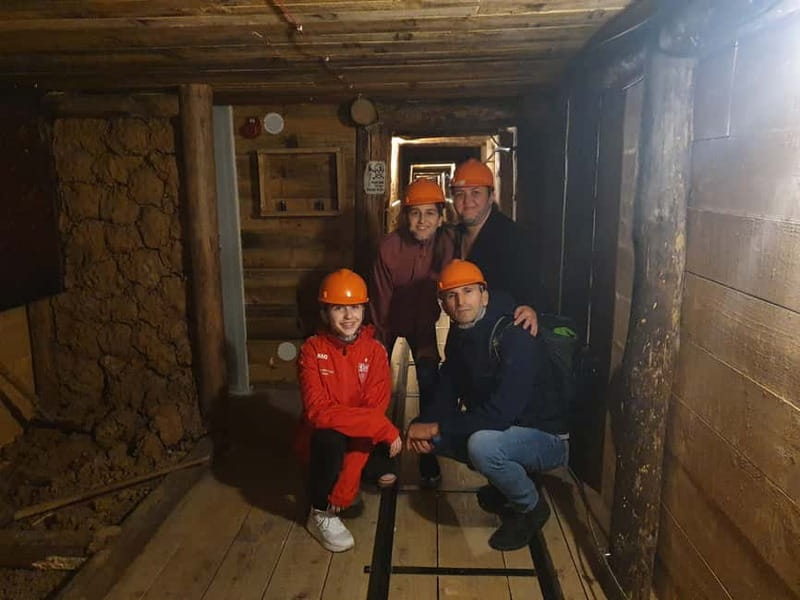
- Firsthand siege perspective with a war veteran guide who explains both tactics and lived experience
- Tunnel of Hope Museum at Sarajevo Rose, including a short movie and a full guided presentation
- Trebević Mountain viewpoints plus the chance to see and walk in the destroyed hotel-restaurant Osmice
- Pass-by Sniper Alley, so the story connects directly to what you see outside the museum
- The second largest Jewish cemetery in Europe, known for distinctive tombstones shaped by stećak influence
- Yellow Fortress and Shehidi (Martyr) cemetery, ending at the resting place of Alija Izetbegović
Sarajevo Tunnel Tour: what makes it hit so hard
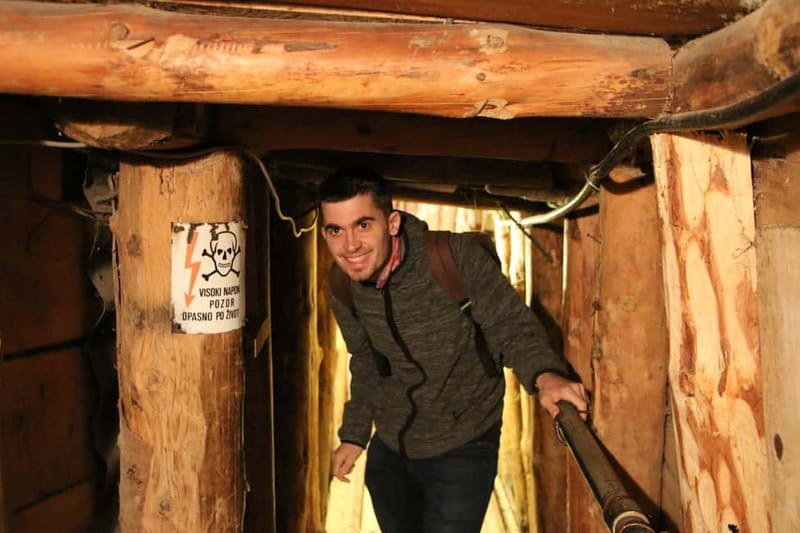
If you only do one history stop in Sarajevo, this is the one that gives you the strongest sense of place. The tour revolves around the Tunnel of Hope Museum, but it doesn’t treat the tunnel like a stand-alone exhibit. The guide builds a map in your head first, then uses the tunnel as the anchor.
The most powerful part is the guide. In this kind of tour, facts matter, but what changes the experience is how the story is told. You hear clear explanations, and you also get the human weight behind them—many groups are guided by veterans and survivors such as Adnan, Mustafa, or other Dream Balkans Travel guides (you may meet names like Samira, Halid, Edu, Adis, or Senk depending on your departure).
The pacing is also smart. You don’t just rush from one stop to the next. You get transportation time with a short introduction, then guided time inside the museum, then open-air viewpoints where the siege logic becomes obvious.
You can also read our reviews of more museum experiences in Sarajevo
- Fall of Yugoslavia, Sarajevo War Tour with Tunnel of Hope Museum and Frontlines
★ 5.0 · 1,314 reviews
The ride there matters: a 25–30 minute primer before the museum
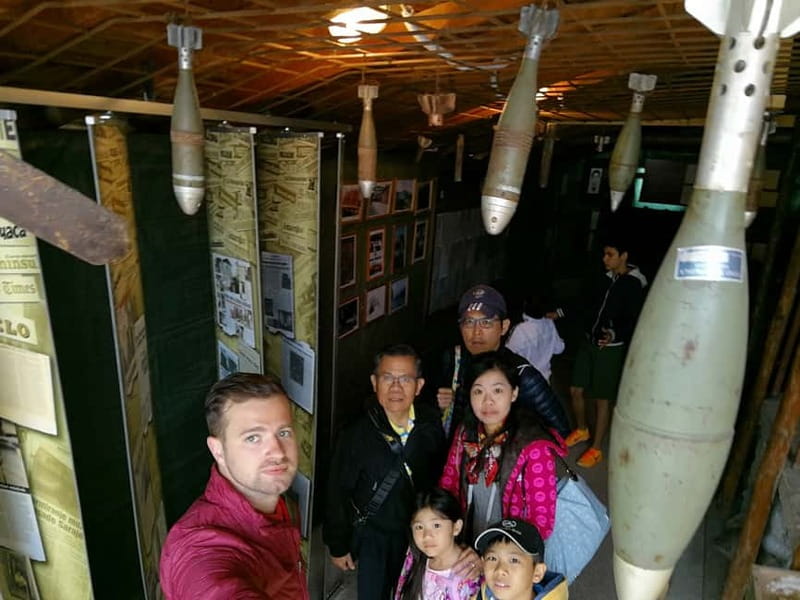
Before you even reach the tunnel, you’ll spend about 25 to 30 minutes in an air-conditioned vehicle. That ride isn’t filler. It’s where the guide sets the scene—war context, what was where, and which buildings or areas mattered.
This matters because Sarajevo’s terrain does a lot of the explaining on its own. Once you understand the city’s slopes and the importance of high ground, the later stops make more sense. It’s also why the tour works so well if you’re new to the Balkans or you only know the broad headlines.
If you like to ask questions, this is usually the best moment. You can’t interrogate a tunnel exhibit the way you can talk to a guide while looking out a window.
Tunnel of Hope Museum: Sarajevo Rose, the short film, then the 1-hour briefing
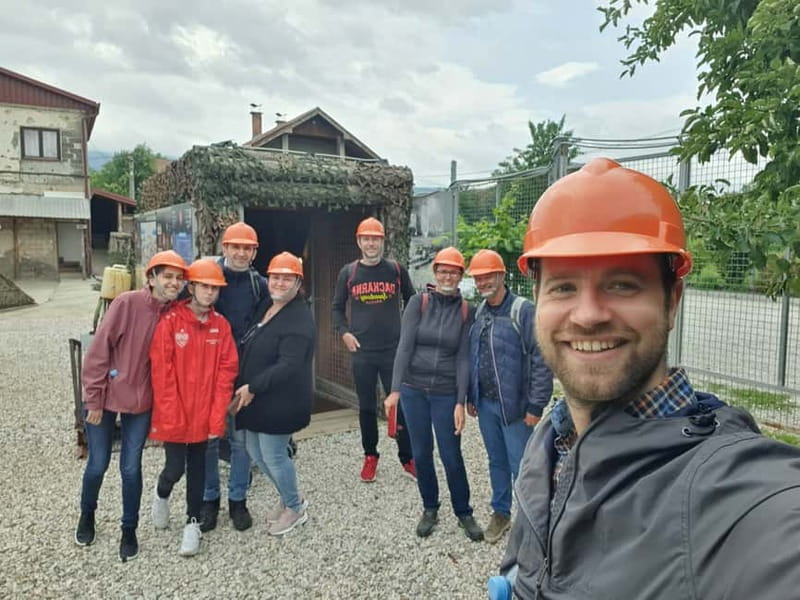
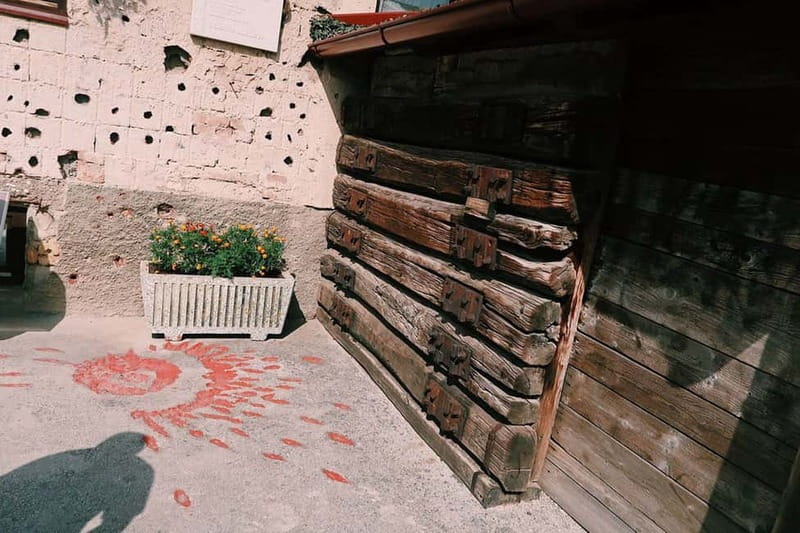
The tour’s core is the Tunnel of Hope Museum—and the entrance detail is unforgettable. Before you go in, you’ll notice the mark in front called Sarajevo Rose, a visual reminder of how the tunnel has become a symbol beyond the war.
Inside, you first watch a short movie. After that, there’s a guided presentation lasting about one hour. Expect an explanation of how the breakup of Yugoslavia fed into conflict across the region—Slovenia, Croatia, Bosnia and Herzegovina—and then why Sarajevo’s tunnel became so important.
Here’s what you should take away: the tunnel wasn’t just an engineering feat. It was a lifeline for supplies, communication, and survival. The museum’s job is to teach you the big picture, but you’ll get more from it if you pay attention to the guide’s emphasis on logistics—how siege conditions shape everyday decisions.
Also, you avoid waiting in line. The tour includes entry to the museum (depending on your selected option), with a skip-the-ticket-line setup so you can spend your time on the guided content instead of queueing.
Sniper Alley and Sarajevo’s streets: seeing the siege logic in plain sight
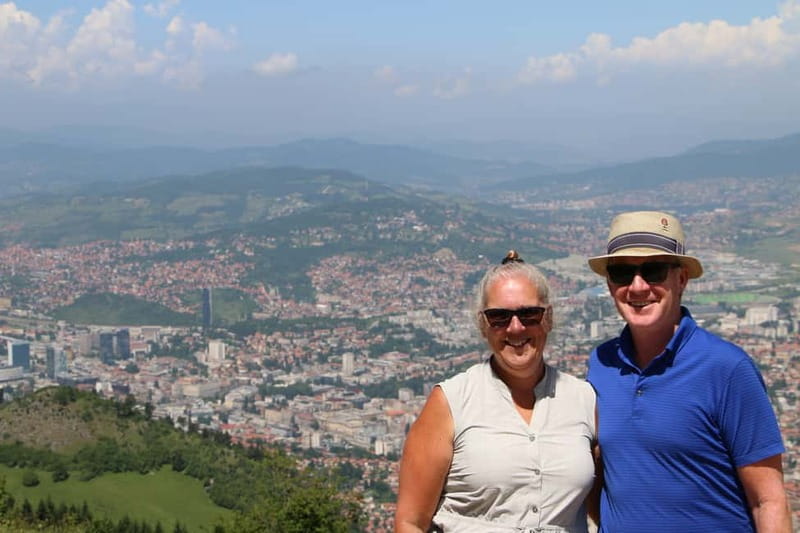
One of the tour’s quietly smart features is that it uses the city itself as a classroom. You’ll pass by Sniper Alley, which puts a label on a space you might otherwise walk past without understanding its role.
This is where the earlier vehicle primer pays off. The guide helps you connect sightlines, elevation, and control of movement. In other words, you start recognizing why some areas were more dangerous, and why the siege wasn’t only about bombs—it was also about who could see and who could move.
If you’re sensitive to heavy topics, take your time here. You don’t have to rush through it. You can also ask the guide what they mean by terms like high ground or front line, and they can translate it into what you’re physically looking at.
Trebević Mountain: viewpoints, the destroyed Osmice, and the 1984 Olympic leftovers
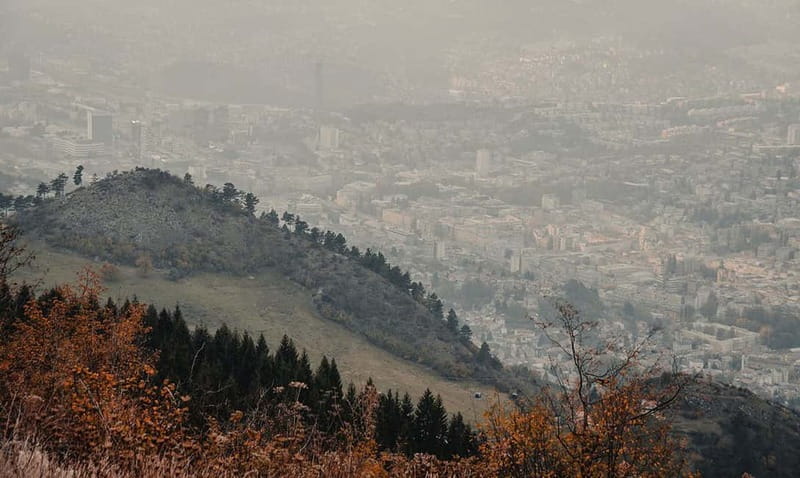
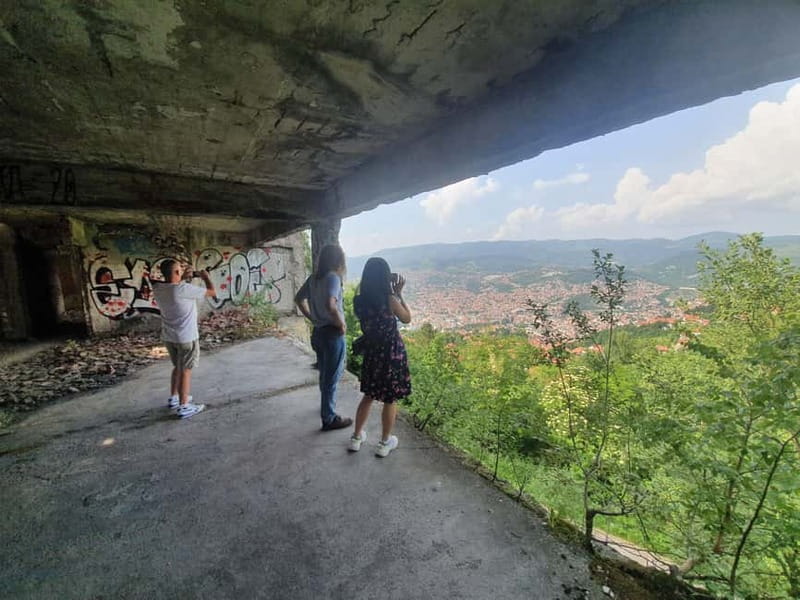
Next comes Trebević Mountain, the closest big mountain to central Sarajevo and a front-line area during the siege. You’ll reach it by vehicle, then pause at vantage points where you can appreciate the city’s layout from above.
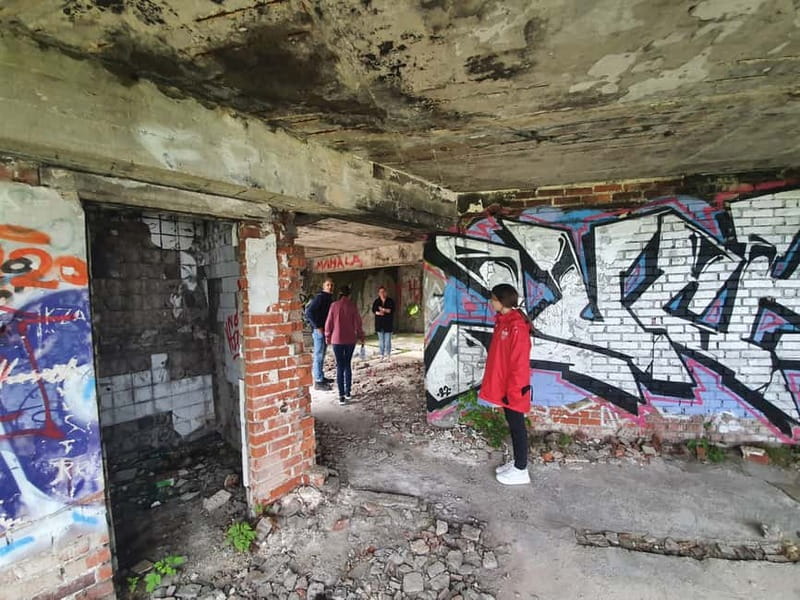
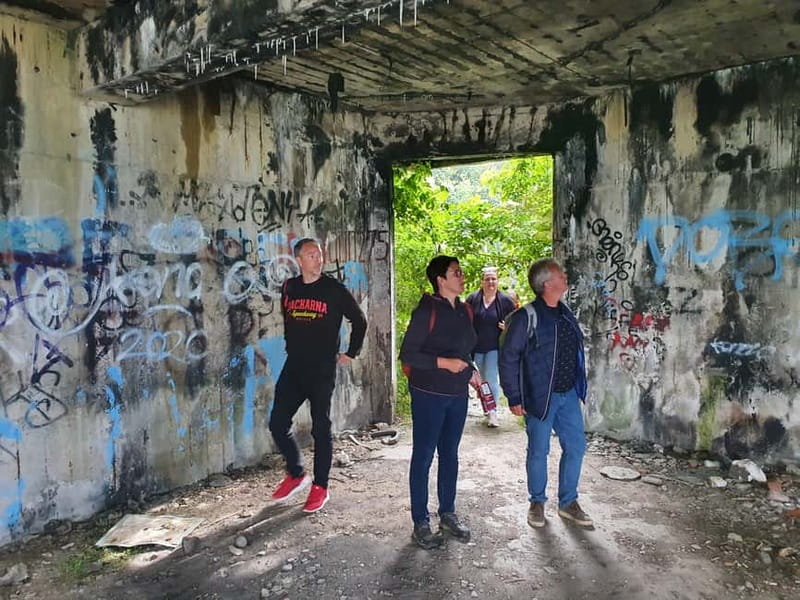
The tour includes a standout stop: the chance to see and walk around the destroyed hotel-restaurant Osmice. This is one of those places where your mind automatically shifts from sightseeing mode to survival mode. The walls and the damage aren’t just background; they’re part of the story the guide has been building.
From Trebević you’ll also get panoramic views that are beautiful in the classic postcard sense—but also unsettling when the guide explains why those views were so strategically valuable. It’s the same skyline, two different interpretations: scenery and position.
Just below Trebević is the setting for a stop tied to the 1984 Winter Olympics: the bobsleigh and luge track. You’ll visit the abandoned Olympic track, with photo time and guided interpretation, plus some free time on site. Even if you’re not a sports person, it’s an interesting contrast: Sarajevo can host major international events, and yet still be pulled into war.
Jewish cemetery: unusual tombstones and the stećak connection
One of my favorite stops on this tour is the Jewish cemetery—specifically, the fact that it’s often described as the second largest Jewish cemetery in Europe. It’s not a quick roadside glance either. You’ll have photo stop time and a guided visit.
What makes it special is the cemetery’s distinctive tombstones, some with shapes that aren’t common elsewhere. There’s a belief that the forms were influenced by medieval Bosnian tombstones known as stećak. Even if you’ve never heard of stećak before, the guide’s explanation helps you see cultural continuity in materials and symbols.
A practical note: cemeteries ask for a slower pace. Don’t try to multitask here. Let the guide lead, then take a few minutes to just look.
If you’re traveling with people who usually skip religious or memorial sites, this stop can win them over because the visuals are so specific and the story explains how the cemetery fits into Bosnia’s broader identity.
Yellow Fortress and Shehidi Cemetery: Sarajevo’s layered identities
After the cemetery, the tour continues through Sarajevo’s older districts, including the Yellow Fortress (also referred to as Yellow Bastion). This stop is about more than one structure. It’s where you see how Ottoman-era and later histories overlap in the city’s fabric.
Then you finish at the Shehidi (Martyr) cemetery. This is a meaningful end point because it shifts from survival under siege to remembrance and nationhood. In the heart of the cemetery is the grave of Alija Izetbegović, described as the first president of independent Bosnia and Herzegovina.
This final area gives you something a tunnel alone can’t: a sense of what the siege era meant afterward—how people carried memory forward, and how Sarajevo’s story continues through commemorations tied to political life.
It’s also a good emotional landing. By the time you reach Shehidi, you’ve already walked through the tunnel story, the high-ground story, and the city’s visible scars. The cemetery helps turn understanding into reflection.
The guide factor: why a veteran-led tour is different
A lot of city tours can list what happened. This one focuses on how a siege works and how a city survives it. That’s why the guide makes such a difference.
Many departures are led by war veterans and survivors, including people like Adnan and Mustafa, who share firsthand experiences of fighting and life during the siege. Other guides named in past departures include Samira, Halid, and Senk, and the common thread is the same: personal perspective paired with structured explanation.
In plain terms, you’ll get two benefits at once:
- The geography stops being abstract, because the guide connects it to what they saw.
- The history stops being a lesson, because it becomes something you can ask questions about in real time.
If you want to understand how possession of high ground affected central Sarajevo, this is one of the best ways to do it in a short time window. The tour is built for comprehension, not just attendance.
Price and value: how $36 for 4 hours holds up
At $36 per person for about 4 hours, the value comes down to what’s included versus what you’d otherwise pay and schedule yourself.
You get:
- A small-group tour
- An English live guide (with an emphasized storytelling, not just lecturing)
- Air-conditioned transport
- Stops built around major siege sites, not a random mix of monuments
- Tunnel of Hope Museum entry fee (listed as 10 EUR if that option is selected)
You also get skip-the-ticket-line access, which saves time and keeps the museum experience focused on the guided part.
If you plan to visit the Tunnel of Hope on your own, you’d still need someone to explain the siege logic and point out why certain viewpoints matter. This tour sells that context, and for many people that context is the whole point.
The other value driver is the guide being a war veteran or survivor. That’s not something you can reliably DIY in Sarajevo.
Pacing and what you’ll likely feel along the way
The tour is short enough to fit into a busy Sarajevo itinerary, but it’s not a “hit-and-run” tour. You’ll spend real guided time at the tunnel and cemetery stops, plus viewpoint time on Trebević.
Expect a tone that shifts from historical explanation to reflection. The Osmice ruins stop in particular can feel visually shocking because it’s close to the ground truth of what buildings took during the siege.
There’s also a practical rhythm: vehicle segments for orientation, guided interpretation for the heavy stops, and outdoor breaks for photo stops and views.
One more thought: because the subject matter is so serious, ask questions when they come to you. Guides often handle them respectfully and clearly, and that turns the tour from a one-way story into your own understanding.
What to do before you go (and what to bring)
This tour doesn’t ask for special gear, but it does ask for comfort and respect.
- Wear comfortable shoes for the portions where you’ll walk, including inside the tunnel area and at the Osmice ruins.
- Bring a light layer. Trebević and the cemetery areas can feel cooler depending on the season.
- Have a phone ready for photos, but don’t turn everything into a picture shoot. Some moments are best absorbed without a screen in front of your face.
- Come with at least a basic question: what caused the tunnel to become essential, or how did high ground change day-to-day survival? The guide will be able to connect those dots.
And if you’re visiting with kids, this can work surprisingly well because the guide often explains with clarity and personal framing. That said, it’s still a war-focused tour, so you’ll need to judge your group’s readiness for the topic.
Should you book this Sarajevo Tunnel of Hope war tour?
I’d book it if you want a fast, high-impact way to understand the siege without drowning in museum-only facts. The Tunnel of Hope is the center, but the surrounding stops give you the context you’d otherwise miss—Sniper Alley as an example of sightlines, Trebević as the high-ground reality, and the Jewish cemetery and Shehidi site as reminders that Sarajevo’s identity is bigger than the war.
I’d think twice if you prefer light entertainment, or if you don’t want solemn historical material in a single sitting. This tour is structured, guided, and emotional. It’s not trying to be fun.
If you’re curious about what it meant to live through those years, and you like getting the story from someone who experienced it, this is one of the best value ways to do it in Sarajevo.
FAQ
FAQ
How long is the Sarajevo Tunnel Museum War Tour?
The tour lasts about 4 hours.
What language is the tour guide?
The tour is in English unless you request otherwise.
How much does it cost?
The price listed is $36 per person.
What major stops are included besides the Tunnel of Hope Museum?
You’ll visit or pass several siege-era and Sarajevo landmarks, including Trebević viewpoints, the destroyed hotel-restaurant Osmice, the abandoned Olympic bobsleigh and luge track, the Jewish cemetery, and the Yellow Fortress and Shehidi cemetery.
Does the tour include the Tunnel of Hope Museum entrance fee?
The Tunnel of Hope Museum entrance fee is listed as included as 10 EUR if that option is selected.
Is pickup available?
Pickup is optional. For the private option, pickup is available from your hotel in Sarajevo.
Where do I meet the tour?
You meet at the Info Bosnia Tourist Information Center on the main pedestrian street near the Sarajevo Meeting of Cultures mark.
Can I cancel and get a refund?
Yes. Free cancellation is available up to 24 hours in advance for a full refund.
Is a ticket line skipped?
Yes, the tour includes skipping the ticket line.
You Might Also Enjoy



More Museum Experiences in Sarajevo
- Fall of Yugoslavia, Sarajevo War Tour with Tunnel of Hope Museum and Frontlines
★ 5.0 · 1,314 reviews
More Tours in Sarajevo
- Fall of Yugoslavia, Sarajevo War Tour with Tunnel of Hope Museum and Frontlines
★ 5.0 · 1,314 reviews
More Tour Reviews in Sarajevo
- Fall of Yugoslavia, Sarajevo War Tour with Tunnel of Hope Museum and Frontlines
★ 5.0 · 1,314 reviews
Not for you? Here's more nearby things to do in Sarajevo we have reviewed
- Fall of Yugoslavia, Sarajevo War Tour with Tunnel of Hope Museum and Frontlines
★ 5.0 · 1,314 reviews