REVIEW · TORONTO
Royal Ontario Museum Admission
Book on Viator →Operated by Royal Ontario Museum · Bookable on Viator
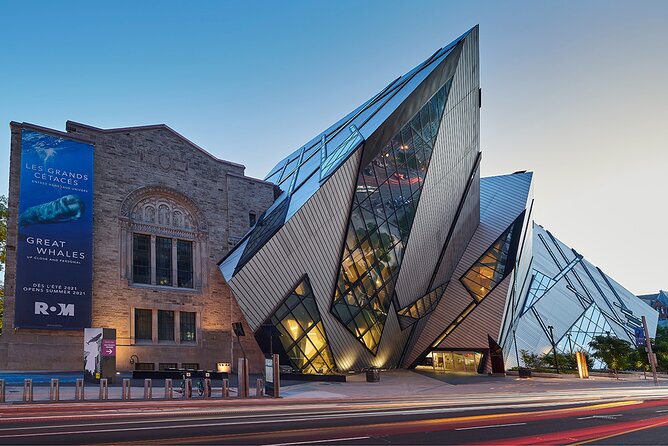
Toronto’s ROM is a whole world in one building. This admission is a smart way to skip long ticket lines with a mobile ticket, then wander at your own speed through Canada’s largest museum of art, culture, and nature. I especially like the museum’s huge scope across 30+ galleries (dinosaurs to mummies, Indigenous objects to meteorites) and the family pull of Gordo the Barosaurus, the biggest real fossil dinosaur skeleton mounted in Canada. The main drawback to plan around is the ROM is big and can feel noisy or partially restricted during construction, so you’ll want a simple route if you’re visiting with little kids.
For families, couples, and history-lovers, this is one of those places where good pacing matters more than rushing. Most people are happiest when they give themselves at least three hours, with 2 to 3 hours working if you’re selective and focused.
If you book with a tour package that includes a docent or guide, I’d lean into that help. One review mentioned a docent-led tour and another noted a guide named John from QueenTour, both of which can help you find the best highlights faster.
In This Review
- Key things to know before you go
- Royal Ontario Museum in Toronto: a big, satisfying visit in 3 to 4 hours
- Getting in smoothly: mobile ticket entry and museum screening
- What 30+ galleries feel like: the museum’s best strength is variety
- Gordo the Barosaurus and dinosaur-focused floors for families
- Art and world cultures: Chinese highlights and Indigenous artifacts
- Natural history and earth science: fossils, meteorites, and immersive options
- Temporary exhibitions upgrade: when it’s worth paying more
- Roman, ancient history, and the surprise exhibits you’ll remember
- Food and gifts: Druxy’s ROM Cafe and ROM Boutique
- Parking, construction noise, and practical comfort tips
- Value and timing: what $19.53 gets you (and how to stretch it)
- Who this Royal Ontario Museum admission is best for
- Should you book ROM admission for your Toronto trip?
- FAQ
- How much does Royal Ontario Museum admission cost?
- How long should I plan to spend at the Royal Ontario Museum?
- Is this experience offered in English?
- Do I get a mobile ticket?
- What does general admission include?
- Are special temporary exhibitions included?
- Where is the Royal Ontario Museum located?
- Is there screening when I enter the museum?
- Can I bring a service animal?
- What is the cancellation window for a full refund?
Key things to know before you go
- Mobile ticket entry helps you get moving without line stress
- 30+ galleries cover art, culture, and natural history in one stop
- Gordo the Barosaurus is a must for dinosaur fans of all ages
- Over 18 million objects sit behind the scenes, even if you only see a slice
- Special temporary exhibitions often require an upgrade for the full wow-factor
- Plan for construction noise and occasional closed-off areas
Royal Ontario Museum in Toronto: a big, satisfying visit in 3 to 4 hours
The Royal Ontario Museum (ROM) is one of Toronto’s best “one ticket, many moods” attractions. You walk into a museum that mixes natural history and world cultures, so your brain keeps getting new prompts: fossil fossils, ancient art, modern questions, then back to dinosaurs again.
This admission product is built for self-guided wandering. That’s good news because the ROM is huge, and the best experience comes from matching your route to your interests. If you’re a family, you can slow down for the kid magnets. If you’re a history buff, you can spend longer with the galleries that connect to your background knowledge.
The typical time target is 3 to 4 hours, and that sounds right. If you try to “do it all,” you’ll either skim or end up exhausted. I prefer aiming for “do the best parts well,” then adding a temporary exhibition upgrade only if you’re sure it’s your kind of thing.
You can also read our reviews of more museum experiences in Toronto

Getting in smoothly: mobile ticket entry and museum screening
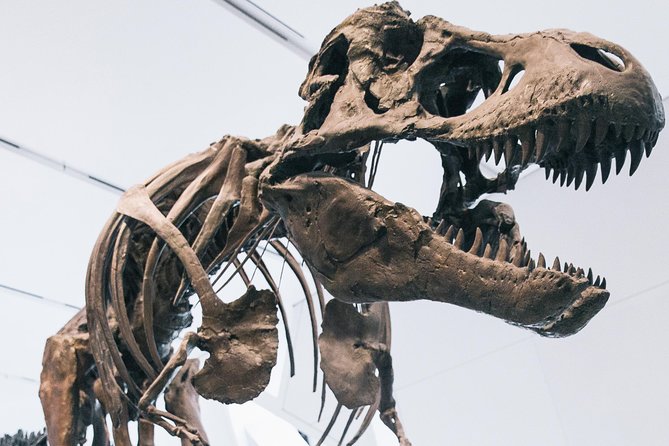
This is a straightforward entry experience. You get a mobile ticket, then you head to the ROM and go through screening. The ROM uses metal detectors and mandatory bag checks at all entrances. The practical takeaway is simple: travel light.
Bring a minimum of belongings if you can. Less stuff means faster checks and less time hovering near entrances. Also, if you’re traveling with a stroller or bags, consider how you’ll keep things tidy for the checks, since crowded entry points can turn a calm day into a slow one.
Good to know: service animals are allowed, and the ROM is near public transportation, so you don’t have to rely on a car to make this work.
What 30+ galleries feel like: the museum’s best strength is variety
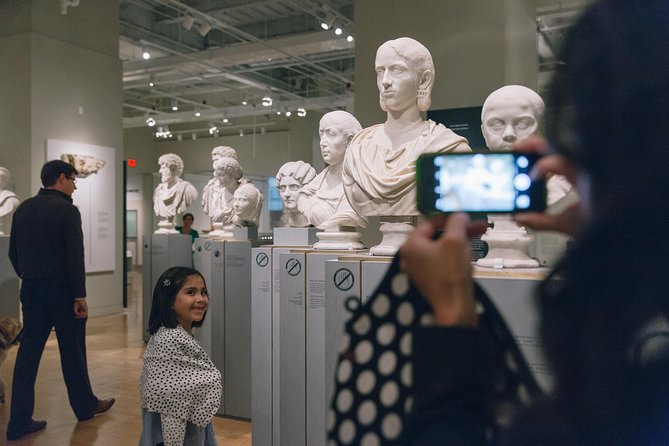
General admission covers the museum’s core galleries, over 30 areas. That matters because the ROM doesn’t try to be only one thing. You might start with natural history, then jump to human cultures, then circle back through science and materials.
From what you can expect in the collections, the ROM covers everything from dinosaurs to mummies, Chinese architecture and Chinese artifacts, Indigenous objects, plus natural history objects like meteorites and display cases featuring precious items. That mix is the ROM’s superpower: you don’t need to choose between “art day” and “science day.”
In practice, this means you can build a route in layers:
- One “kid anchor” (dinosaurs, fossils, or interactive family spaces if you find them)
- One culture anchor (Chinese, Indigenous, or ancient history areas)
- One science anchor (earth/nature displays, meteorites, fossils)
A bonus from the reviews: people consistently praise how the galleries feel organized and informative, and that the map can help you flow between floors and sections. If you like to follow logic, you’ll find the ROM easier than you might expect for such a large building.
Gordo the Barosaurus and dinosaur-focused floors for families
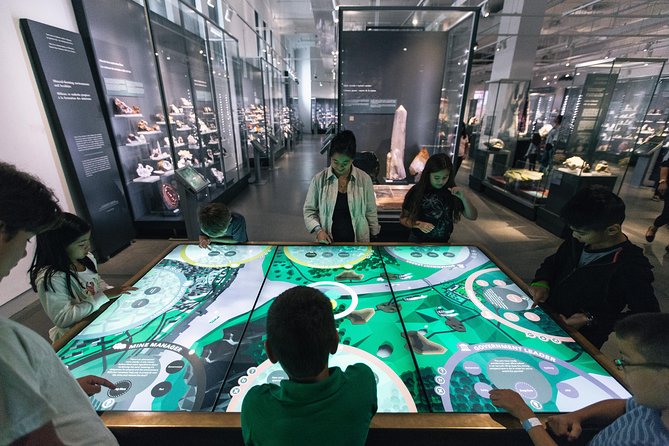
If you’re bringing kids, plan around dinosaurs early. One family tip that sticks: the toddler area and dinosaur exhibits can be on higher floor levels, so if you don’t notice them right away, you might end up finding them late and running out of time.
Now add Gordo the Barosaurus, the museum’s headline fossil dinosaur skeleton. The key value here isn’t just that he’s impressive. It’s that dinosaur galleries give kids a reason to slow down. They can’t help but look, point, and ask questions, and that turns a museum visit into a shared activity instead of a march of chores.
Family reality check: because the museum is large, you’ll want comfortable footwear and a plan for breaks. If you have toddlers, bring snacks and plan to slow your pace. The more you move between floors with a stroller or with energy levels that dip fast, the more the visit will start to feel longer than the clock says.
Art and world cultures: Chinese highlights and Indigenous artifacts
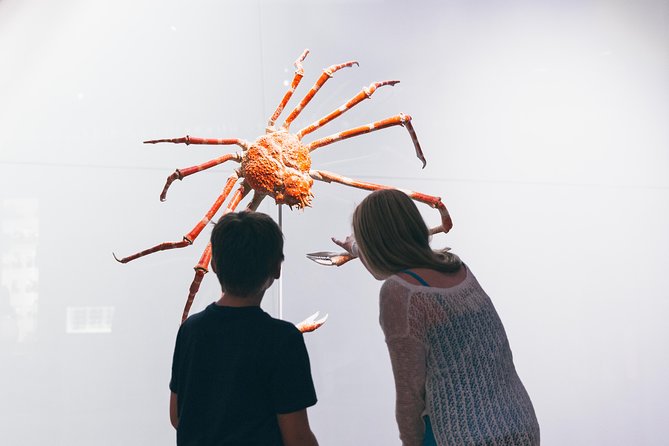
The ROM’s collections can feel like multiple trips in one. Reviews highlight how Chinese-themed galleries can be especially engaging, especially for visitors who have personal or cultural background with the art and artifacts.
You may see elements like Chinese architecture and collections connected to historical periods. One review even called out a Ming dynasty-style Zu Dashou tomb, which is the kind of specific display that can turn a general “we saw Chinese stuff” day into a “we learned a story” day.
Indigenous collections are also a major part of the ROM experience, and people mention the First Nations art and artifacts as a reason they’d return. This matters because world culture museums work best when you don’t treat them like decoration. Even short stops with labels and display context help you understand what you’re looking at and why it’s significant.
Practical tip: if you only have a few hours, you’ll get more from the visit by choosing 2 culture stops and giving each one real time. Otherwise, the sheer number of galleries can lead to decision fatigue.
Natural history and earth science: fossils, meteorites, and immersive options
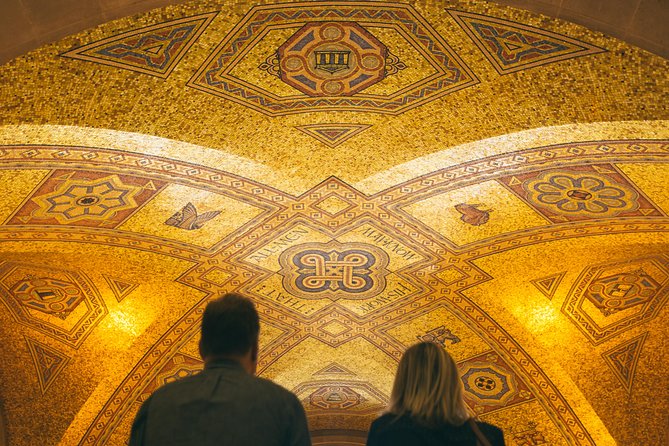
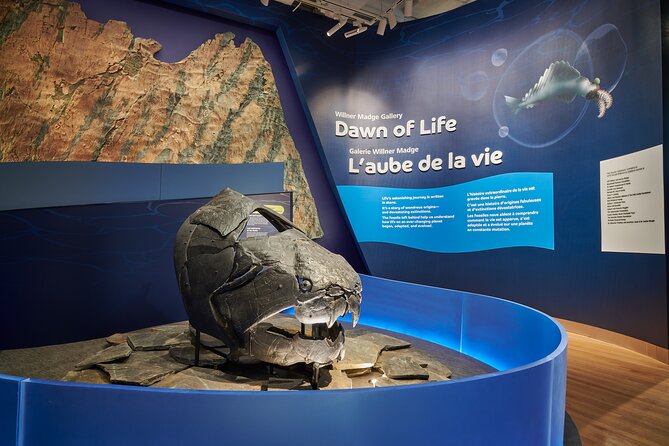
For natural history lovers, the ROM has a lot to hold your attention: fossils, animal-related displays, and earth science materials like meteorites. Even if you aren’t a science person, these galleries tend to hook you because they’re visually strong and often easy to interpret.
You should also know about special exhibits. Reviews mention an Earth immersive journey, plus other special-feel exhibitions like Wild Cats or a Cat exhibition. Those are great examples of the kind of temporary experiences the ROM offers, but they generally require an upgrade beyond general admission.
The value question is: is an immersive temporary exhibition worth it to you? If you love visual presentation with sound and imagery, it often is. If your priority is core galleries and you’re already pressed for time, general admission may be enough.
Temporary exhibitions upgrade: when it’s worth paying more
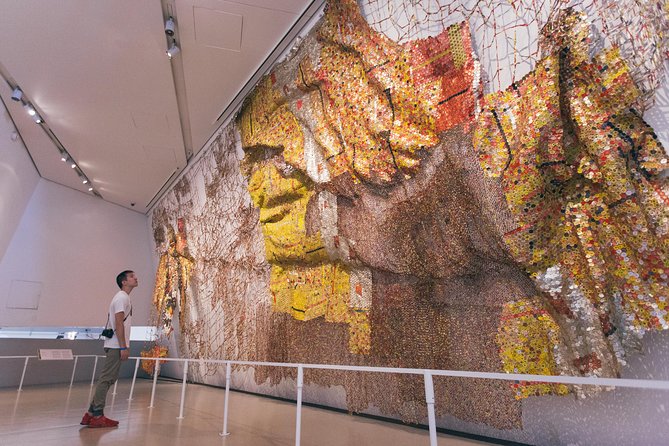
The ROM gives you general admission, and then you can upgrade to include special, temporary exhibitions. Some visitors suggest paying for the extra exhibits because they add standout beauty and special experiences.
Here’s how I’d decide:
- Choose the upgrade if a temporary exhibition is a “must” for your group (especially if you’re chasing a specific theme like earth visuals or animal-related programming).
- Skip the upgrade if you’re mainly there for core galleries and you’re already planning a full day in Toronto.
- Consider skipping parts of the visit if construction or closed areas reduce what you can access that day. Paying more for an experience that may be partly unavailable feels bad.
Also, many visitors do show up for the ROM thinking it’s mostly dinosaurs. Then they get surprised by other areas, like ancient history exhibits, Roman collections, or medical/history-style displays. That’s why upgrading can be optional: the core museum already has many high points.
Roman, ancient history, and the surprise exhibits you’ll remember
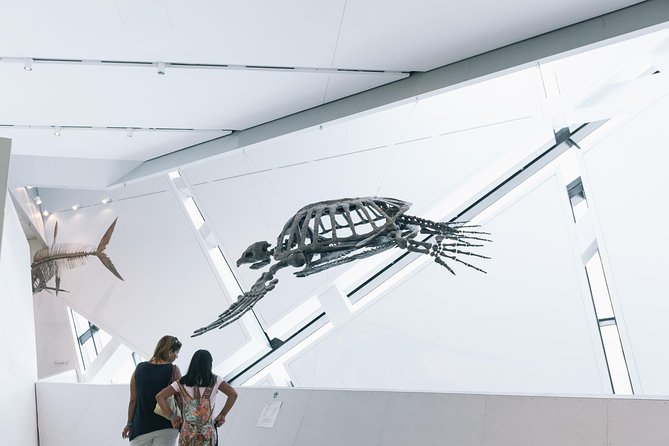
One of the most fun parts of the ROM is how often you find something that wasn’t on your mental checklist. People mention Roman exhibits, and there was a comment about a death exhibit. Even without knowing the exact display ahead of time, ancient history galleries have a way of giving you a focused thread.
Another review called out an exhibit about the autopsy of a 15-year-old boy who contracted malaria, which is a reminder that the ROM’s story-telling isn’t limited to objects from long ago. It connects natural history, medicine, and human experience in a way that can feel both educational and unexpectedly emotional.
If you’re visiting with adults who like history and context, build your day around “curiosity pockets.” Spend long enough at one or two galleries for the labels to sink in. That’s where the ROM starts to feel more than a walking tour.
Food and gifts: Druxy’s ROM Cafe and ROM Boutique
You’ll likely want a break, especially if you’re walking multiple floors. Druxy’s ROM Cafe is the in-house option mentioned in the info, and reviews note it as a convenient place to refuel.
If you love bringing home a small souvenir that actually fits the theme, the ROM Boutique is also worth a quick stop. Reviews mention books, artwork, stationery, ceramics, home décor, and other personal items. It’s usually easier to buy something meaningful here than to hunt around for a last-minute gift elsewhere.
Food tip: if you’re with kids, plan snacks and keep your lunch simple. The ROM is big, and hunger can quietly turn into crankiness fast.
Parking, construction noise, and practical comfort tips
Let’s be real: the ROM visit can be noisy or disrupted in spots. One review noted the museum is under construction and can be noisy, with some areas restricted. That means your plan should be flexible. If you hit closed-off sections, don’t fight it. Swap to another floor or another collection theme.
Parking is another friction point. A family review mentioned there is no on-site parking, but prepay parking garages are around the area. If you’re driving, I’d check garage options ahead of time so you don’t lose time searching in Toronto traffic.
And yes, wear comfortable shoes. The ROM is massive and you’ll want the stamina to actually read the details where you stop. Reviews are consistent on this point, because the museum’s scale makes foot fatigue a real factor.
Value and timing: what $19.53 gets you (and how to stretch it)
At $19.53 per person, this ticket price is the biggest selling point for visitors who want a top-tier museum without blowing the budget. You’re paying for general admission to the museum’s core galleries: that’s the bulk of what people come for, especially if dinosaurs, global cultures, and natural history are on your list.
Timing also drives value. If you show up with only 60 minutes in mind, you’ll leave feeling like you missed the point. But if you plan for 3 hours or more, general admission becomes a very strong deal.
Based on the experiences shared, many people land between 2 and 3 hours when they’re selective. That can work if:
- you have a clear target (dinosaurs, Chinese culture, ancient history)
- you’re comfortable skipping some galleries
- you aren’t trying to cover every floor in one go
If you want the “most people wish they had more time” experience, schedule a longer window and keep some energy for temporary exhibits if they’re calling your name.
Who this Royal Ontario Museum admission is best for
This is a great fit if you’re:
- Traveling with kids who love dinosaurs and quick-to-grasp visual displays
- Interested in art and culture but also want science and nature mixed in
- Visiting Toronto for a short time and want one admission ticket that covers many interests
- The type who likes reading labels and building understanding through self-guided wandering
It may be less ideal if:
- you’re expecting a tight, guided, step-by-step route
- you’re short on time and hate choosing between highlights
- construction closures would be a deal-breaker for you (since some areas may be affected on certain days)
Should you book ROM admission for your Toronto trip?
Yes, I’d book it if you want a high-value museum day with strong variety. General admission already includes the core galleries across art, culture, and nature, and the dinosaur centerpiece with Gordo gives families a built-in anchor.
I’d consider adding the temporary exhibition upgrade only if a specific special exhibit matches your interests, because reviews suggest those add serious wow-factor. If you don’t upgrade, you’ll still find plenty to keep you busy for 3 to 4 hours.
If your schedule is tight, plan your time like you’re choosing neighborhoods, not checking off items. Pick one kid-friendly focus, one culture focus, and one natural history focus. That approach helps you enjoy the ROM instead of racing through it.
FAQ
How much does Royal Ontario Museum admission cost?
The price is $19.53 per person.
How long should I plan to spend at the Royal Ontario Museum?
Plan for about 3 to 4 hours.
Is this experience offered in English?
Yes, it is offered in English.
Do I get a mobile ticket?
Yes, the admission is a mobile ticket.
What does general admission include?
General admission includes access to over 30 galleries covering art, culture, and nature.
Are special temporary exhibitions included?
General admission is included, but special temporary exhibitions typically require an upgrade to your ticket.
Where is the Royal Ontario Museum located?
It’s in the center of Toronto.
Is there screening when I enter the museum?
Yes. There are metal detectors and mandatory bag checks at all entrances.
Can I bring a service animal?
Yes, service animals are allowed.
What is the cancellation window for a full refund?
Free cancellation is available up to 24 hours in advance for a full refund. If you cancel within 24 hours, you won’t receive a refund.