REVIEW · ROME
Rome: Private Capitoline Museums Tour
Book on GetYourGuide →Operated by Rome Guides · Bookable on GetYourGuide
Michelangelo’s square sets the tone fast. You’ll start in Capitoline Square, built to frame the Roman past like a living stage, then step into the museum to connect myths, emperors, and real artifacts into one clear story. Two things I really like: the guide-driven walkthrough of the museum highlights and the payoff at the end—views over the Roman Forum that make everything click.
One thing to consider: this tour isn’t a fit if you have limited mobility. There’s one elevator, but it doesn’t serve all levels, and the general setup isn’t designed for wheelchair users.
You’ll also feel the difference a good local guide makes. Names like Vincenzo and Martina come up in past groups for a reason: fast pacing, high energy, and explanations that give you context while you’re looking at the objects—not after.
In This Review
- Key highlights you won’t want to miss
- Starting on Capitoline Square (where the views start working)
- Entering the oldest European public collection of antiquities
- The She Wolf: the symbol of Rome in the flesh
- Marcus Aurelius Exedra: how power becomes design
- The Capitoline Temple of Jupiter ruins and what they add
- The best finale: Roman Forum views from inside the museum
- Price and value: is $135.94 per person worth it?
- Who this private tour fits best (and who should skip it)
- Should you book this Capitoline Museums private tour?
- FAQ
- How long is the Capitoline Museums private tour?
- Where do we meet the guide?
- Is hotel pickup or private transportation included?
- Are tickets included in the price?
- Is video recording allowed inside the museum?
- Is this tour suitable for wheelchair users?
Key highlights you won’t want to miss
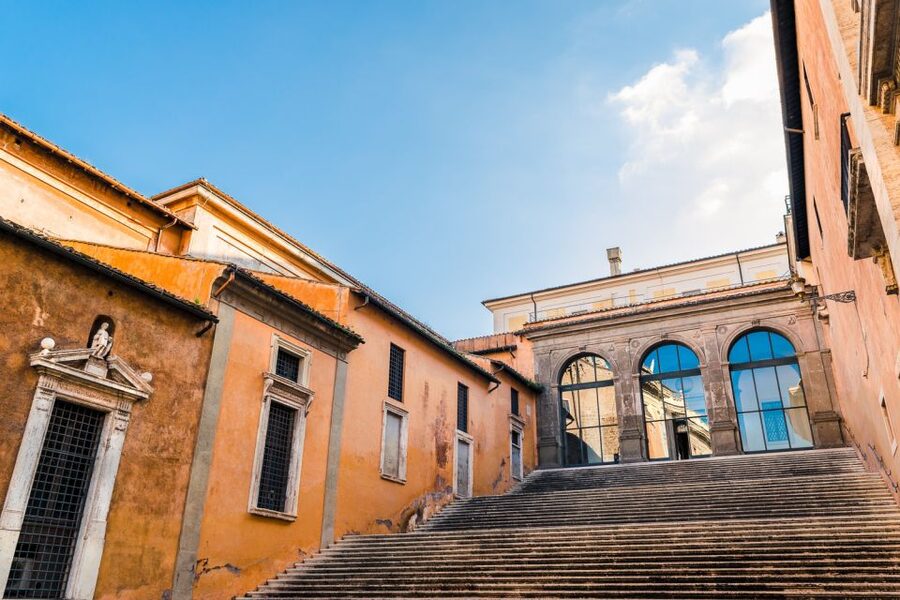
- Capitoline Square: Michelangelo’s design makes the whole area feel like an open-air museum
- Europe’s oldest public antiquities collection: you’ll see how the display was built to make Roman pieces fit together
- The She Wolf: Rome’s symbol of survival and identity, right where you can really study it
- Marcus Aurelius focus: the bronze statue and the Marcus Aurelius Exedra connect art, power, and empire
- Roman Forum views: the museum ends with a perspective you can’t easily get on your own
Starting on Capitoline Square (where the views start working)
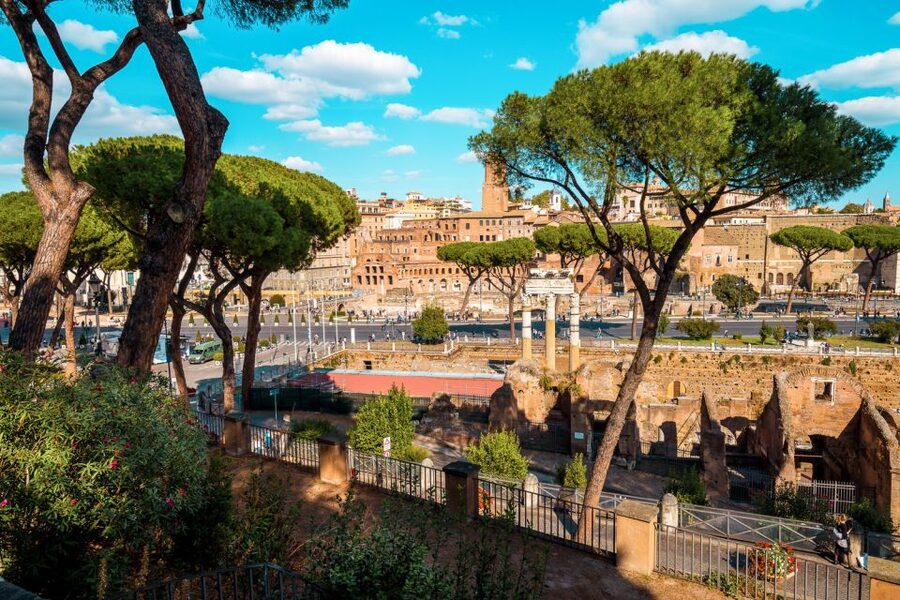
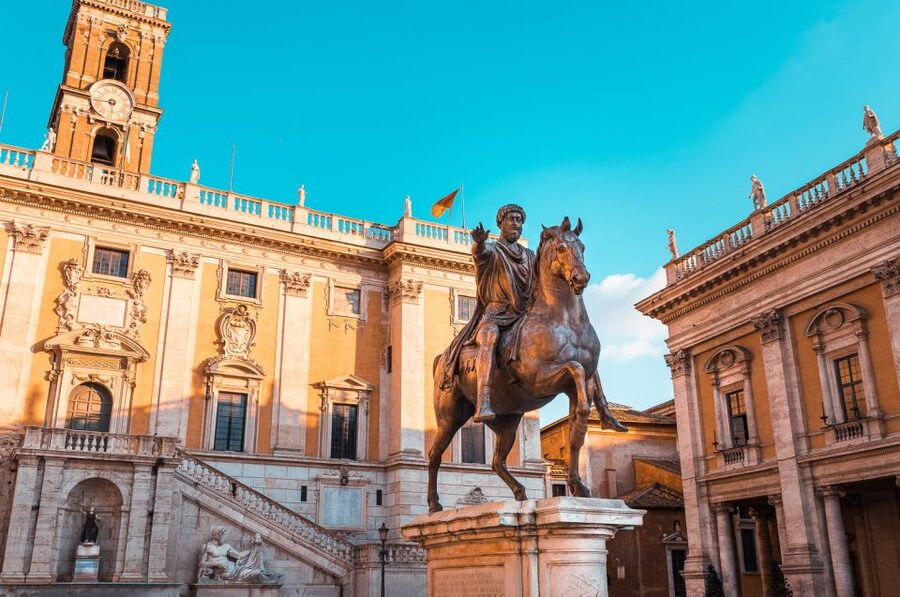
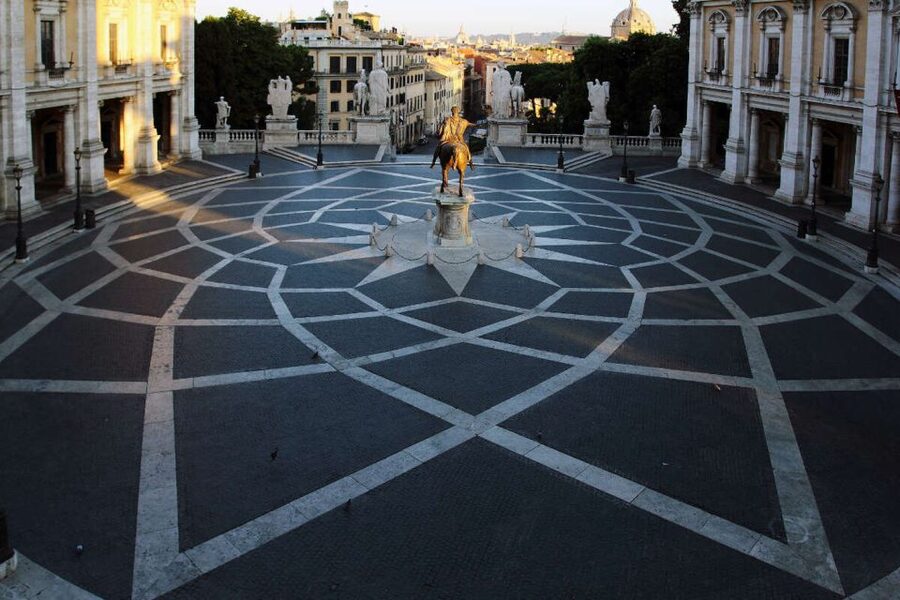
Your tour begins in the middle of Capitoline Square, in front of the statue of Marcus Aurelius. Your guide will be holding a sign with your name, and they’ll issue your tickets on the spot. It’s a smart start point because you’re orienting yourself in the exact space the museum was built to interpret.
Capitoline Square is famous for a reason: Michelangelo’s plan is all about framing. Even before you go indoors, you get a visual rhythm—pathways, viewpoints, and a sense of how Rome’s public spaces were designed to impress. I like that you don’t waste time trying to figure out what’s important. From your first minutes, the guide points you toward what to look for.
This is also where the tour’s private format helps. You can move at a human pace. If you stop to ask a question—about mythology, about emperors, about why certain objects matter—the guide can adjust without herding a big crowd.
Practical tip: your meeting spot is in the middle of the square. If you’re arriving early, take a minute to stand back and spot your guide’s sign before you get pulled into the flow of other people.
You can also read our reviews of more private tours in Rome

Entering the oldest European public collection of antiquities

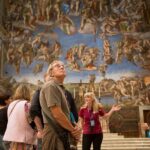
Once you’re inside, you’re entering a collection with serious pedigree: the oldest European public collection of antiquities, established at the end of the 15th century by Pope Sixtus IV. The big idea is that the museum layout was meant to help you “assemble” Rome mentally. Instead of isolated Roman objects, you get a guided sense of how marble and bronze pieces connect to each other and to the city’s story.
I like that the tour doesn’t treat the museum like a checklist. The guide helps you see how the pieces are meant to work together—myth next to history, emperor imagery next to the architectural setting. That approach matters, because the Capitoline Museums can feel dense if you’re just wandering.
Expect to spend time on major statues and key themes. You’ll also hear context that makes the material less abstract: what you’re looking at, why it was prized, and what it symbolized for ancient Rome and later collectors.
What can be a small snag: the visit is structured around highlights and movement through levels of the museum. There’s one elevator, but it doesn’t serve all levels, so the building can be harder if you need step-free access.
The She Wolf: the symbol of Rome in the flesh
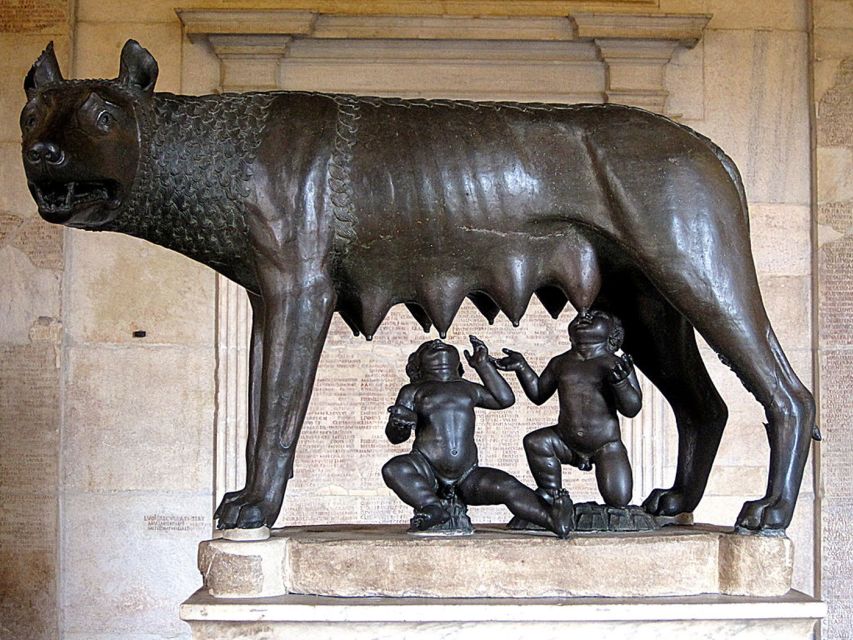
One of the emotional hits of the tour is the famous She Wolf—Rome’s symbol of identity and endurance. It’s the kind of object that can feel famous in photos but stronger in person. Standing close, you can actually appreciate the sculptural details and the way the story of Rome is anchored in a single image.
This stop is also a reminder of how the Capitoline Museums function. You’re not just looking at Roman artifacts; you’re seeing how later Rome (and later Europe) kept the myth alive by preserving and displaying it.
I recommend treating this as more than a photo-op. Ask the guide what this symbol meant in the broader Roman imagination, and what the museum wants you to understand when you see it among other major works. A private guide can tailor the pacing—lingering when you want to look carefully, speeding up if you just want the main story.
Also note the tour rules: no video recording is allowed, so plan on still photos if you want them. (And keep in mind that some areas inside may feel crowded if you stop for long.)
Marcus Aurelius Exedra: how power becomes design
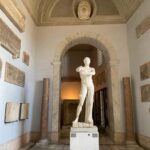
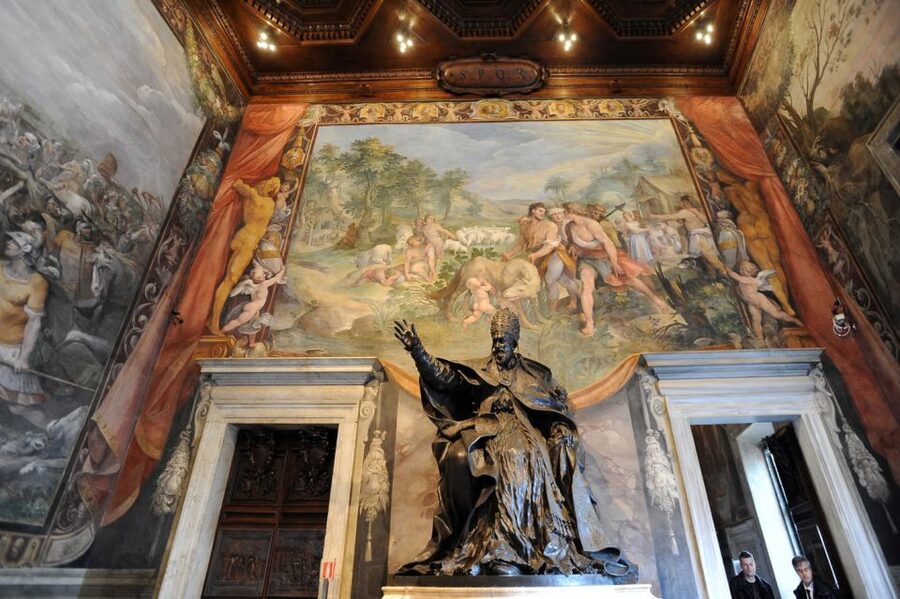
After the She Wolf, you’ll move into the Marcus Aurelius area. The highlight here is the Marcus Aurelius Exedra and the bronze statue of Marcus Aurelius dating to the 2nd century A.D. Even if you’re not a Roman-history superfan, the atmosphere changes when you get to this work. It’s emperor imagery presented through architecture, so you’re not just seeing a figure—you’re seeing how the display frames authority.
The Exedra itself matters. It’s like an architectural “stage” for the statue, and the guide will help you read that design: why it’s placed where it is, how it supports the storytelling of the museum, and how the bronze statue’s presence would have signaled leadership and legitimacy.
In the same stop area, you’ll also get context on the archaeological ruins of the ancient Capitoline Temple of Jupiter. That’s an important bridge: the tour keeps tying objects back to where they originally belonged conceptually, even if what you’re seeing today is partly reconstructed and curated for visitors.
If you’re the type who likes to understand the why behind great art displays, this is a prime moment. A good guide connects the dots so the statue doesn’t feel like a random masterpiece.
The Capitoline Temple of Jupiter ruins and what they add
At this point in the tour, you’ll shift from sculpture to the feeling of place. You’ll be able to admire the archaeological ruins of the ancient Capitoline Temple of Jupiter. This is where the museum becomes more than a room of objects—it becomes a way to sense the city’s ceremonial center.
A drawback to keep in mind: the museum space can be visually busy, and the ruins are one more layer of interpretation. If you like slow, quiet looking, you may want to pace yourself here and not rush the context. But for most people, the tour’s momentum helps. The guide’s job is to keep you from getting lost in details while still letting you feel the scale.
This part of the tour is also helpful if you’re mixing museums with walking Rome later. It gives you a mental map of what you’ll recognize when you explore the Forum area on your own.
You can also read our reviews of more museum experiences in Rome

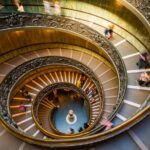
The best finale: Roman Forum views from inside the museum
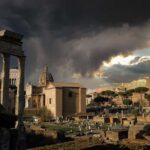
The tour ends with a powerful payoff: incredible views over the Roman Forum from the museum. This is exactly the kind of moment I like to save for a guided visit. Looking at the Forum is much easier after you’ve seen the museum context—emblems, emperors, civic themes—because your brain starts organizing what you’re seeing.
If you’ve only ever stared at the Forum from street level, this viewpoint can feel like a “wide-screen” upgrade. You get a sense of how the city’s political and cultural life spread out, and you’re better able to imagine the scale of what you saw in the museum.
Even better: the tour is private and ends back at the meeting point. That keeps things simple, so you’re not stranded wondering where to go next. Many people use the end of this tour as a springboard into their next Rome walk, because you’ll recognize more and feel less like you’re just following signs.
Price and value: is $135.94 per person worth it?
At $135.94 per person for a private 2.5-hour tour, you’re paying for two things: access (tickets included) and interpretation (a professional local guide). You’re also paying for time efficiency. The Capitoline Museums can be overwhelming without a plan because there are multiple highlights and the storytelling matters.
Here’s how I judge value for this kind of tour:
- If you want the highlights with context, the guide adds real value. This isn’t just “see object, take photo.” It’s why objects are important and how the museum pieces fit.
- If you’re the type who enjoys reading museum placards and moving at your own speed, you might find it less necessary. But the time you save can still be meaningful, especially on a trip where every day counts.
What’s not included is typical but important to factor in: hotel pickup and drop-off, private transportation, and food and drinks aren’t part of the price. So budget for your own getting-there and plan a snack or drink around the tour window.
In short: it’s a good value if you want a guided “best-of” that sets you up to understand what you’ll see next in Rome.
Who this private tour fits best (and who should skip it)
This tour is a smart choice if you want an efficient Rome hit. You’ll love it if:
- You want a structured tour of major museum highlights, not a self-guided scavenger hunt
- You’re interested in Roman symbols and emperors—especially the She Wolf and Marcus Aurelius
- You value a guide who explains context in a way that makes the museum feel like one story
It’s less ideal if:
- You have limited mobility or need wheelchair-friendly access. It’s not recommended for people with limited mobility, and it’s not suitable for wheelchair users. One elevator exists, but it doesn’t serve all levels.
- You travel with a lot of stuff. Luggage or large bags aren’t allowed, so travel light.
If you’re traveling in English or Italian, you’re covered: the tour runs with a live guide in English and Italian. And because it’s private, the pacing can feel more natural than large group tours.
Should you book this Capitoline Museums private tour?
If you’re trying to choose a museum experience that actually pays off in understanding, I think this one is worth booking. You get the best-of highlights—Capitoline Square, the museum’s foundational collection, the She Wolf, the Marcus Aurelius focus, and then Forum views that connect everything.
I’d book it if you want a guide-driven experience that helps you make sense of what you see, rather than just collecting photos. I’d skip it if mobility access is a concern or if you prefer fully independent museum wandering.
FAQ
How long is the Capitoline Museums private tour?
The tour lasts 2.5 hours. Starting times depend on availability.
Where do we meet the guide?
Meet your guide in front of the statue of Marcus Aurelius, in the middle of the square. The guide will hold a sign with your name and issue your tickets.
Is hotel pickup or private transportation included?
No. Hotel pickup/drop-off and private transportation are not included.
Are tickets included in the price?
Yes. The tour includes tickets, along with a professional local guide and a private tour.
Is video recording allowed inside the museum?
No. Video recording is not allowed.
Is this tour suitable for wheelchair users?
No. It is not suitable for wheelchair users, and it is not recommended for people with limited mobility. There is one elevator, but it does not serve all museum levels.