REVIEW · SHARM EL SHEIKH
Pyramids Of Giza And Egyptian Museum Day Tour By Bus From Sharm
Book on Viator →Operated by Sun Tours Egypt · Bookable on Viator
Seeing the pyramids means an early start. That’s the deal with this Sharm el Sheikh to Cairo day trip: you ride a coach system (hotel pickup in an air-conditioned van, then onto the main bus) to fit in the Egyptian Museum, the Pyramids of Giza, and the Sphinx in one packed day. I like that you’re not doing this solo—there’s a private Egyptologist guide to keep the history straight and help you move through the sites with purpose. I also like that lunch and the Papyrus Museum are included, so you’re not constantly hunting for food or tickets. The main drawback is timing and comfort: it’s a long day, and the bus ride and crowded museum stop can make everything feel a bit rushed, especially in hot weather.
Because this is a bus day trip, the rhythm matters. You’ll spend real time at the big moments—about 1.5 hours at the Pyramids and 30 minutes at the Sphinx—but the day is built around getting you there and back. Keep one eye on your day plan, and another on your water bottle, sunscreen, and patience.
In This Review
- Key things to know before you go
- A one-day Cairo hit: what makes this tour work
- Getting from Sharm to Cairo: long hours and convoy timing
- Egyptian Museum stop: how to handle crowds and limited time
- Optional Nile River boat time: nice if you want a break from monuments
- Pyramids of Giza and the Sphinx: the best “big moment” pacing
- Photo and add-on expectations
- Papyrus Museum and the Cairo shopping pause
- Price and the real cost of a budget Cairo day
- Who this price works best for
- What the “private Egyptologist guide” changes for you
- Comfort and timing: the two things to watch
- Who should book this Sharm-to-Giza day trip?
- Should you book this day tour or pick a different format?
- FAQ
- Is hotel pickup and drop-off included from Sharm el Sheikh?
- What sites are included in the day?
- Are entrance fees included in the tour price?
- Does the tour include lunch?
- Is a Nile River boat ride included?
- Do I need an Egyptian visa to travel from Sharm to Cairo?
- How many people are in the group?
Key things to know before you go
Hotel pickup and air-conditioned transfers from Sharm help you start without the stress of finding your own way to Cairo.
One-hour museum time can be tight if you like reading every label, so plan what you want to see first.
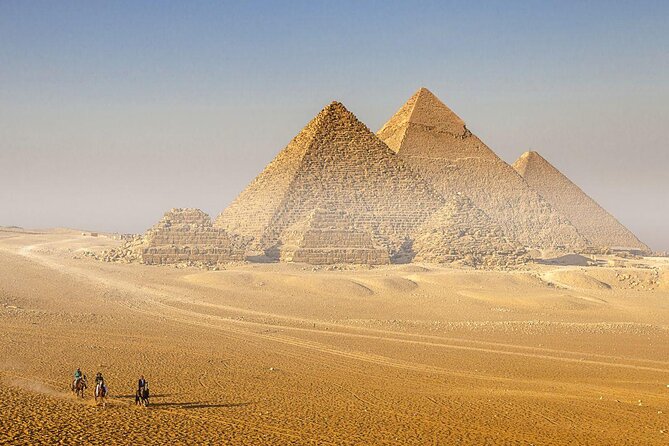
Pyramids plus Valley Temple access gives you a better Giza experience than just a quick “look-and-go.”
Entrance tickets are extra (paid cash in the bus), so you need a realistic day budget, not just the headline price.
Optional Nile boat time is available, but it’s not included in the base price.
A one-day Cairo hit: what makes this tour work
This tour is basically a “high impact” itinerary: it tries to squeeze the Egyptian Museum and the Great Pyramids area into a single day from Sharm. That’s not for people who want to slow down. It is for people who want the big landmarks, plus some context, without paying for flights and separate overnight stays.
What makes it appealing value is how much you get for the base price. You’re paying for transportation, a guide, and key inclusions like lunch and the Papyrus Museum. Even with extra site fees, this format often lands cheaper than piecing together Cairo travel on your own—especially if you don’t want to manage buses, tickets, and meeting points.
The tradeoff is energy. You’re in motion for a lot of hours, and you’ll feel it in your legs and your attention span. If you love museums and hate feeling rushed, you may find the pacing a little too fast.
You can also read our reviews of more museum experiences in Sharm el Sheikh


Getting from Sharm to Cairo: long hours and convoy timing

The drive from Sharm to Cairo is longer than “normal sightseeing traffic.” You’re dealing with convoy-style touristic police security, which can add waiting time. So even if you’re motivated and early, expect a slow start.
You’ll begin with pickup from your hotel in an air-conditioned van, then transfer to the main bus waiting near the old market. That means the day starts with small steps, not just hopping on one vehicle and staying there the whole time. It’s not a deal-breaker, but it’s worth knowing because it affects how you plan your bathroom breaks, snacks, and phone battery time.
Practical tip: bring water and small snacks even though lunch is included. A long day + heat + waiting time can turn “I’ll just be fine until lunch” into a grumpy afternoon.
Egyptian Museum stop: how to handle crowds and limited time

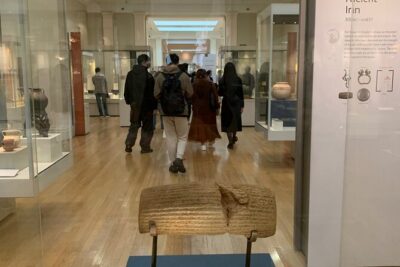
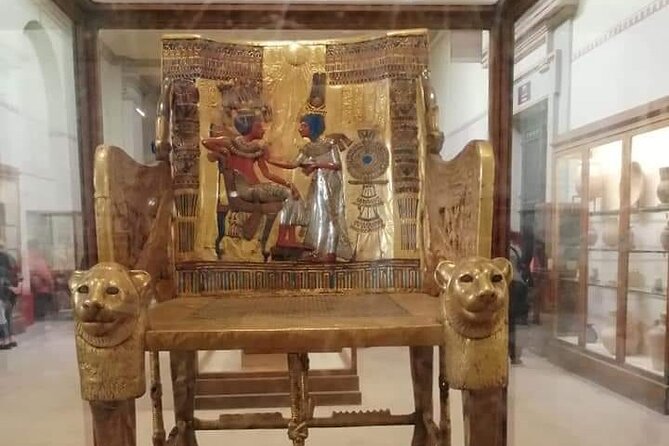
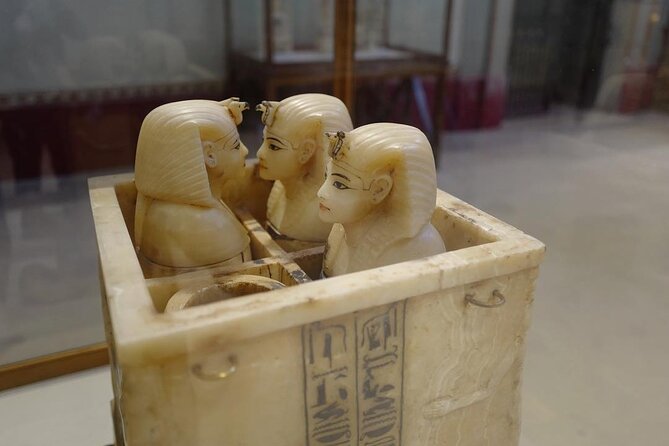
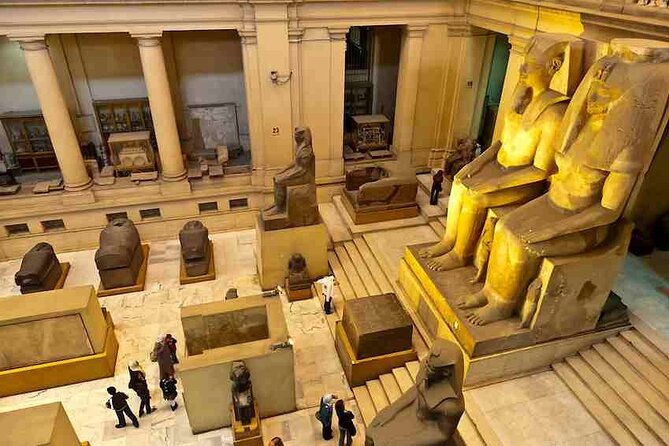
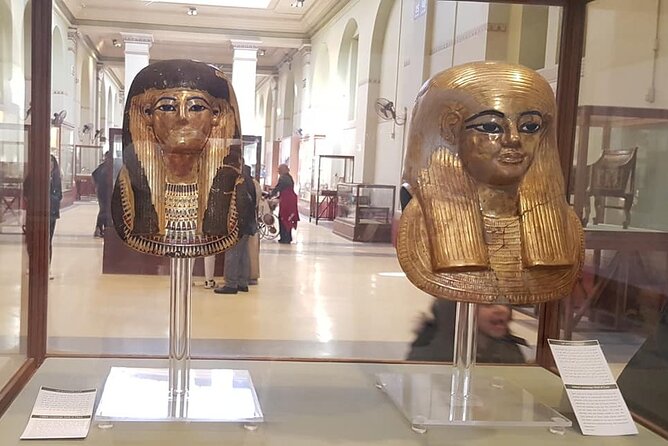
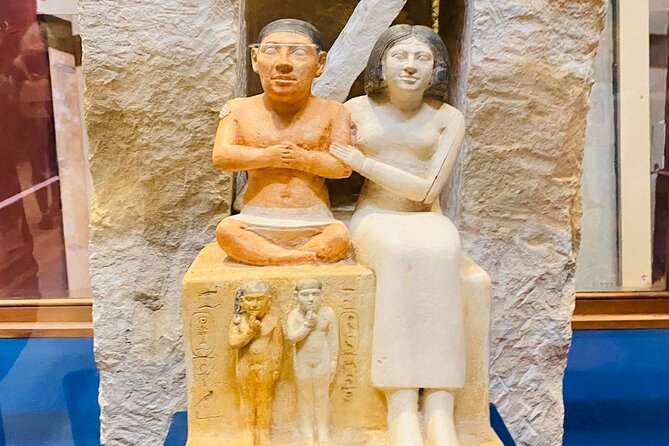
The Egyptian Museum is one of those places where you can lose an entire day easily. This tour gives you about 1 hour, which is both the best and the worst part of this stop. Best, because you’ll still get in and see major highlights. Worst, because you probably won’t see everything you dreamed about.
You’re told it’s the oldest archaeological museum in the Middle East and that it spans from the Predynastic Period through the Greco-Roman era. You’ll also be in the building that was chosen via an international competition in the late 1800s and inaugurated in 1902—so the museum itself is part of the experience, not just the artifacts.
Inside, the workable strategy is to pick your must-sees before you go. With only an hour, you won’t have the luxury of wandering randomly. If you’re the kind of person who likes a clear plan, a guide helps a lot here—this is where their explanations can turn “I saw a room of stuff” into “I understand what I’m looking at.”
Reality check: the museum can feel overcrowded and hot, and the time can pass quickly. If you prefer slow viewing, this time window may feel like a sprint.
Optional Nile River boat time: nice if you want a break from monuments
Between Cairo and Giza, the schedule includes a Nile River stop where a boat ride is optional, not included. Even without the boat, you get a chance for a different kind of photo and a mental pause from pyramid and museum density.
The Nile gets introduced with its Greek and Egyptian names, and the context is simple but useful: it’s not just a backdrop, it’s the lifeline that shaped how Egypt built, farmed, and organized society. A short boat ride—if you choose it—can add variety to the day’s pace.
If you’re trying to keep costs down, you can skip the boat time and use that hour for a slower walk, rest, and maybe a quick snack. If you want a break where you’re not staring at stone slabs, it’s a good add-on.
Pyramids of Giza and the Sphinx: the best “big moment” pacing
This is the headline act: Giza Plateau plus the Sphinx. The schedule gives around 1.5 hours at the Pyramids and about 30 minutes at the Sphinx. There’s also mention of visiting the Valley Temple facing the Great Sphinx, described as VIP excursions—so you’re not limited to only the most basic viewpoints.
The Great Pyramid is presented as the largest of the three main pyramids, connected to Khufu and built around 2560 BCE, and it’s noted as the only surviving Wonder of the ancient world. That’s the kind of fact your guide can turn into something practical: where to stand for the best lines, what you’re actually seeing, and how to interpret the site without getting lost in the chaos.
Then you reach the Sphinx: a monumental statue with the body of a lion and a human head, tied to debates about age and original builder. The Sphinx stop is short, but it’s usually long enough to get the iconic views and some understanding of why this figure still sparks questions.
Practical tip: wear shoes you can walk in comfortably. You’ll likely move over uneven ground and deal with lots of photo stops. If heat is an issue (and it often is), start sunscreen early and reapply.
Photo and add-on expectations
The tour doesn’t include things like camel rides, and any optional desert rides aren’t built into the base price. Still, in this area it’s common to encounter offers for extra experiences aimed at getting different angles of the pyramids. If you’re tempted, treat them like add-ons, not necessities.
Papyrus Museum and the Cairo shopping pause
The Papyrus Museum is included and listed as free admission, with about an hour on the schedule. This is one of those stops people either love or skim. The value here is that you’re connecting a modern product—paper-making and papyrus traditions—to ancient Egyptian life. Since the day is otherwise all about monuments, this stop adds variety without requiring extra tickets.
After that, you’ll have some time for shopping at Cairo’s famous bazaars, and there’s also mention of papyrus institutes. This is where you can pick up small souvenirs, watch how things are made, and take a breather from heavy walking.
Smart shopping approach: set a spending limit before you start. Bazaar pricing can vary a lot, and the day is packed—so you don’t want to decide on your budget while you’re tired in the heat.
Price and the real cost of a budget Cairo day
The base price is listed at $30 per person, which sounds like a steal for a Sharm-to-Cairo day. But you have to factor in the required entrance fees you’ll pay on the day: 40€ EUR per person, paid cash in the bus, described as obligatory for tickets covering the Pyramids/Sphinx and Egyptian Museum area.
That’s why I tell people to think of the price as two parts:
- The tour price for transport, guide, lunch, and included stops (like Papyrus Museum).
- The on-day site fees for the actual entrances.
If you’re budgeting tightly, this is the number to plan around. Also keep a little buffer for any additional charges that can show up during a long day, especially when the itinerary is trying to hit several major sites.
Who this price works best for
This is a strong value option if you:
- want pyramids + museum in one shot
- don’t mind a long day
- prefer a guided route over DIY Cairo logistics
If you’d rather slow down, spend more time at the museum, and avoid extra cash handoffs, a different format (like staying overnight) can feel less stressful, even if it costs more.
What the “private Egyptologist guide” changes for you
A guide matters more than people expect on a day like this. At the museum, they help you prioritize so your short time becomes meaningful. At Giza, they help you navigate the site and interpret what you’re seeing so you don’t just end up with photos and a headache.
One neat detail from past experiences: guides can include people like Sima, who’s been praised for being professional and accurate. That kind of guide presence is a big reason this kind of tour can feel smoother than DIY.
Still, your experience depends on your day. If crowds and heat push everything forward, even a great guide can only do so much. The best you can control is your own preparation: hydration, sunscreen, and the ability to accept that it’s fast.
Comfort and timing: the two things to watch
Two practical concerns come up again and again with this style of tour.
First is bus comfort. One report noted uncomfortable seats and very limited legroom. If you have long legs or you’re sensitive to cramped seating, you should plan for it. Bring a small neck pillow or something that helps your posture, and try to sit in a way that keeps your legs as comfortable as possible.
Second is time management. There can be stretches where the schedule feels tight or waiting happens due to transport logistics and crowd flow. Since you’re on a fixed itinerary, you can’t “fix” the timing once you’re in Cairo. You can only plan your expectations.
My advice: treat this as a “see the big things” day, not a leisurely sightseeing day. If you go in with that mindset, you’ll be happier.
Who should book this Sharm-to-Giza day trip?
This tour makes sense for:
- first-timers who want Great Pyramids of Giza and the Egyptian Museum without overnight planning
- travelers who like a clear route with a guide to keep facts straight
- budget-minded visitors comparing it to pricier flight-and-hotel combinations
It might not be ideal if you:
- need lots of quiet time in museums
- get worn down easily by long days, heat, and crowds
- hate cramped transport or want more control over pacing
Should you book this day tour or pick a different format?
If your top goal is to check off the pyramids and see major museum highlights while staying in Sharm, this is a solid way to do it. The biggest strengths are the included guide support, lunch, and the added Papyrus Museum stop, which keeps the day from being only stone-and-stone. The main reason to book is simple: value plus structure.
But don’t ignore the downsides. You’re paying extra for entrance fees, the museum time is limited, and hot crowded conditions can make the day feel rushed. If that sounds like your worst nightmare, consider a slower approach in Cairo instead.
If you do book, go prepared: prioritize what you want most at the museum, bring water and sunscreen, and accept that the day is designed to fit major sights, not to linger.
FAQ
Is hotel pickup and drop-off included from Sharm el Sheikh?
Yes. The tour includes hotel pick up & drop off using an air-conditioned vehicle.
What sites are included in the day?
You visit the Egyptian Museum, the Pyramids of Giza, the Great Sphinx, and the Egypt Papyrus Museum. The plan also includes the Valley Temple facing the Sphinx.
Are entrance fees included in the tour price?
No. The tour lists entrance tickets as not included, with 40€ EUR per person to be paid in cash in the bus for the sites.
Does the tour include lunch?
Yes. Lunch is included on the way.
Is a Nile River boat ride included?
No. The Nile boat ride is listed as not included and described as optional.
Do I need an Egyptian visa to travel from Sharm to Cairo?
Yes. The tour notes that an Egyptian visa is required.
How many people are in the group?
The tour has a maximum of 30 travelers.