REVIEW · CAIRO
Private day tour to Giza Pyramids, Sphinx Egyptian Museum and Citadel
Book on Viator →Operated by Egypt Tours Online · Bookable on Viator
First impressions matter, and this day hits the big icons fast. I like the way the schedule stitches together Giza’s pyramids and Sphinx with museum time and Old Cairo-style stops, so the day feels like a story instead of random sightseeing. I also like that you get private A/C transportation plus a real guide with an Egyptology focus, which makes what you’re seeing click. One thing to keep in mind: the plan includes entrance for basic areas, but it does not include going inside the pyramids.
The pacing is mostly timed visits, with about 2 hours at the Egyptian Antiquities Museum and shorter museum-to-mosque-to-bazaar transitions after that. In a review experience of this tour, Karim (the guide) was specifically praised for answering questions and adding extra context, which is exactly what turns Giza from photos into history. The main drawback is practical: you should expect a long day and some tight stop windows, so this works best if you’re okay with moving on rather than lingering.
In This Review
- Key points you’ll care about
- Why this 8:00 am Cairo plan feels efficient
- Price and value: the $8 figure and what’s included
- Getting met in Cairo: guide pickup and smooth transfers
- Stop-by-stop: Giza Pyramids, Sphinx, and the Valley Temple
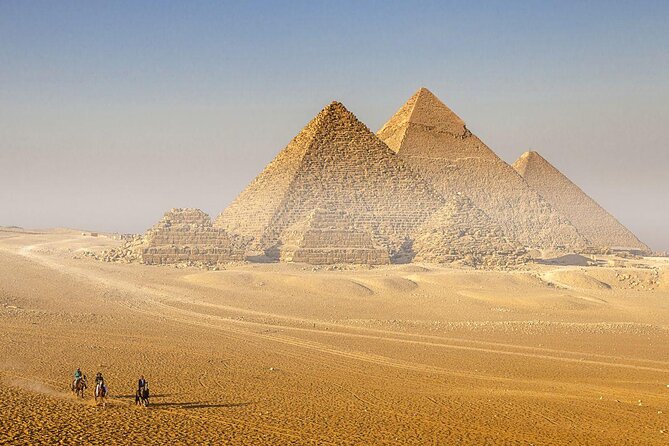
- 1) The Pyramids of Giza (Cheops, Chephren, Mykerinos)
- 2) Close look at the Sphinx
- 3) Valley Temple of Khafre
- The faster Sphinx and pyramid viewpoints that keep you moving
- Great Sphinx (second stop, about 30 minutes)
- Great Pyramid of Cheops (about 30 minutes)
- Khafre’s Pyramid and Menkaure’s Pyramid (about 30 minutes each)
- A plateau overview and a panoramic view for the “whole picture” moment
- Egyptian Museum of Antiquities: where the day becomes understandable
- Cairo Citadel and Mohamed Ali’s Alabaster Mosque
- Lunch at a local restaurant, then Khan el-Khalili for buying time
- What this private tour gets right for first-timers
- The main considerations before you book
- Should you book this private day tour?
- FAQ
- What time does the tour start?
- How long is the day tour?
- Is this a private tour?
- Will I be picked up from the hotel?
- Are entrance fees included?
- Do we go inside the pyramids?
- What’s included for food and drinks?
- What are the main stops during the day?
- Is there an Egyptologist-style guide?
- What is the cancellation policy?
Key points you’ll care about
- Egyptologist-style guiding: You’re not just handed a map; you get explanations and answers.
- Private A/C transfers: Easier comfort on Cairo traffic days, especially on a 9-hour timeline.
- Giza highlights without inside-pyramid tickets: You’ll see the big monuments and Valley Temple, but not enter pyramids.
- Egyptian Antiquities Museum + Tutankhamen-focused displays: Museum time is long enough to matter.
- Citadel stop + Alabaster Mosque: A strong cultural contrast to Giza.
- Khan el-Khalili end stop: Time to browse crafts like brass and perfumes before you’re done.
Why this 8:00 am Cairo plan feels efficient
This tour starts at 8:00 am, which is the right choice in Cairo. You’ll miss some of the worst heat and crowds, and you’ll get to Giza before the day gets fully loud. The whole experience runs about 9 hours, so it’s long enough to cover multiple areas, but not so long that you lose the afternoon.
The bigger win is how the stops connect. You begin with the Giza pyramid complex, move to a museum where you can connect objects to people and beliefs, then shift to the Cairo Citadel and end with Khan el-Khalili. That flow helps you build context instead of collecting snapshots.
You can also read our reviews of more private tours in Cairo

Price and value: the $8 figure and what’s included
The price listed is $8.00 per person, which is unusually low for a private day with a guide, private vehicle, and museum coverage. That can be a good sign for value, but I’d treat it as a prompt to double-check inclusions at booking.
Here’s what you know from the tour info:
- Included: tour guide, private A/C latest-model vehicle transfers, bottled water, and private tour setup where only your group participates.
- Included at meals: lunch is included at a local restaurant (koshari is mentioned), but beverages aren’t included.
- Included on the sightseeing side: entrance fees are said to be included for basic areas, plus snacks are noted as included.
Here’s what to keep straight:
- Not included: entering pyramids.
- Entry fees are described as basic area only, so if you want pyramid interiors, you’d need something extra not covered here.
So, the practical value is strongest if you want Giza’s monuments, Sphinx, Valley Temple, and museum highlights with minimal hassle—without paying for inside-pyramid access.
Getting met in Cairo: guide pickup and smooth transfers
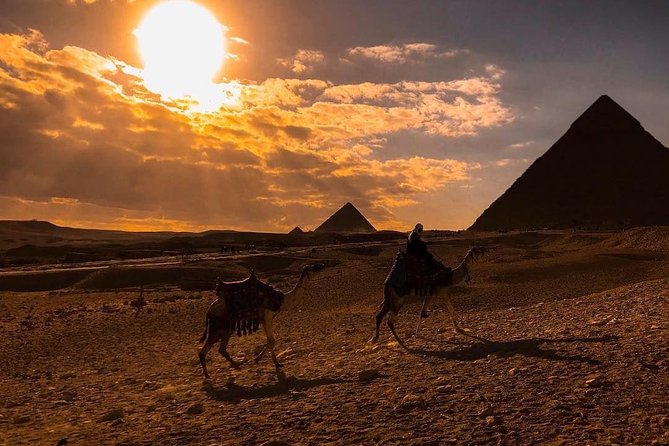
The day starts with a name-sign pickup outside the passenger area at Cairo Airport as soon as you reach. That detail matters because it reduces the awkward part of day tours—figuring out which van you’re supposed to be in.
Once you’re connected with the guide, you’ll transfer to Giza by private A/C vehicle. This helps you arrive with less fatigue, which is important because the tour mixes big outdoor time at Giza with indoor museum time afterward.
One small real-world detail from a praised experience: even with Cairo traffic, the driver was described as good. That’s the kind of thing you feel immediately once you’re riding through the city.
Stop-by-stop: Giza Pyramids, Sphinx, and the Valley Temple
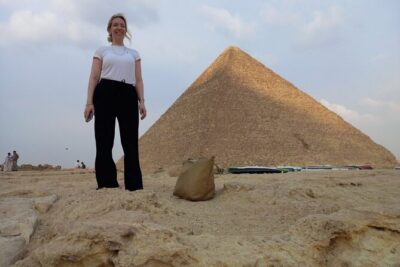
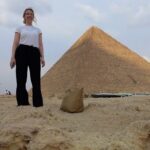
1) The Pyramids of Giza (Cheops, Chephren, Mykerinos)
You’ll start at the Pyramids of Giza, with time focused on:
- Great Pyramid of Cheops (Khufu)
- Pyramid of Chephren (Khafre)
- Pyramid of Mykerinos (Menkaure)
The tour highlights the scale right away. Cheops is described as the most colossal pyramid ever built, and you’ll also be shown the famous trio that anchors the whole UNESCO-level view.
You can also read our reviews of more museum experiences in Cairo




2) Close look at the Sphinx
After the pyramids, you go to a close-up look at the Sphinx. The description ties it to King Chephren, describing the lion body and the face associated with Chephren. This is one of those stops where the guide makes a difference, because the Sphinx is easy to treat like a single photo subject unless you understand its relationship to the surrounding funerary landscape.
3) Valley Temple of Khafre
Next comes the Valley Temple, linked to Khafre’s mortuary complex, where the dead body of the king was mummified. Whether or not you care about every historical nuance, the Valley Temple stop is valuable because it expands Giza beyond pyramids-as-monuments. It shows that the complex was part of a larger ritual system.
Time on this first Giza block is listed as about 2 hours, which is enough to see a lot without feeling like you’re being rushed off immediately.
The faster Sphinx and pyramid viewpoints that keep you moving
After the big first Giza sweep, the itinerary includes shorter stops that are basically “keep the storyline going” moments.
Great Sphinx (second stop, about 30 minutes)
This is listed again as a dedicated time segment. Think of it as a chance to return for a different angle or to take in details you missed the first time. If you’re the kind of person who likes walking a bit to find your best viewing position, these extra minutes help.
Great Pyramid of Cheops (about 30 minutes)
There’s also a focused segment on Cheops with details that connect you to the idea of how we actually know about rulers. The description notes:
- a preserved ivory figurine linked to Khufu
- and that many other reliefs and statues are known only in fragments
That kind of info is useful because it answers the implied question: how can we talk about these kings with confidence if so much is lost? You get context, not just a stare-at-the-stone moment.
Khafre’s Pyramid and Menkaure’s Pyramid (about 30 minutes each)
Khafre’s complex includes elements like a valley temple, Sphinx temple, causeway, mortuary temple, and the king’s pyramid. The notes even reference statues found in a well during an 1860 floor discovery by Mariette. Menkaure’s complex is described with valley temple, causeway, mortuary temple, and an added smaller ante-temple.
Even if you don’t remember every temple name, the takeaway is clear: Giza wasn’t one building. It was a whole planned complex that connected sacred and practical spaces.
A plateau overview and a panoramic view for the “whole picture” moment
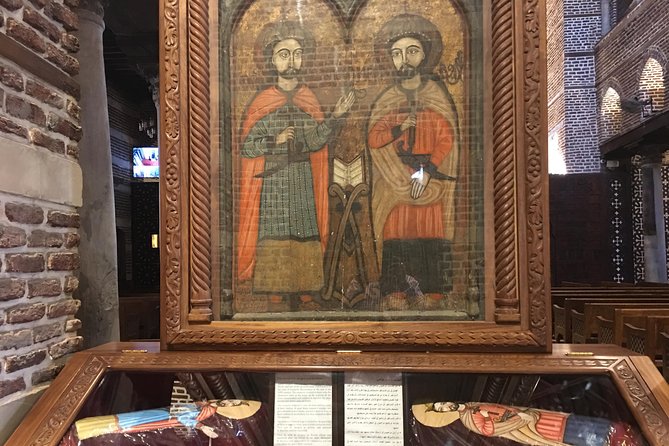
There’s a specific Gizeh Plateau stop, with a definition of the plateau as a limestone platform and part of the broader pyramid fields linked to the UNESCO World Heritage context. The itinerary also calls out that it sits about 60 meters above sea level, which feels like a small detail until you’re standing on the ground and realizing why the views are so open.
Then you get a Panoramic View of the Pyramids stop. This is one of those practical additions that I appreciate on a schedule like this. When you’re surrounded by huge structures and your brain is switching between guide facts and camera framing, a panoramic pause helps you reset. You step back, take in the geometry, and the rest of the monuments start making more sense as a group.
Egyptian Museum of Antiquities: where the day becomes understandable
After the outdoor time, you move to the Museum of Egyptian Antiquities for about 2 hours. The key value here is that it gives you a place to connect objects to the stories you heard at Giza.
The tour description frames the museum as holding a rare collection of 5,000 years of art, including over 250,000 genuine artifacts. That’s a lot of material, and it would be easy to feel overwhelmed—so 2 hours is a smart limit.
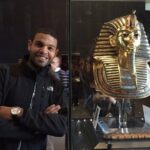
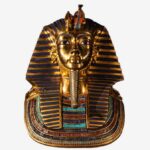
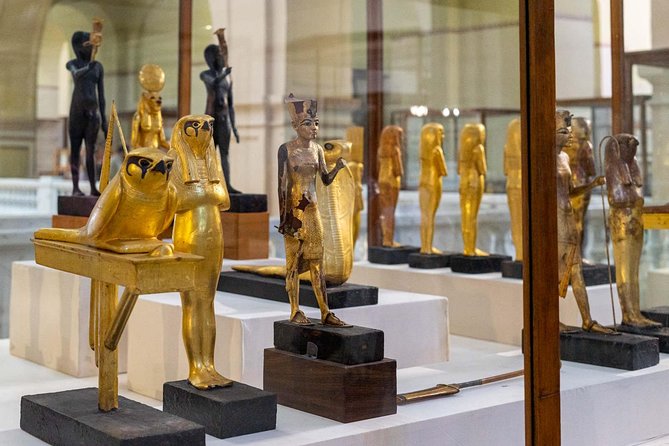
The standout focus is the Tutankhamen collection area:
- treasures, gold, and jewelry
- related to the items enclosed in his tomb for over 3,500 years
- discovered in the 1920s when the tomb was excavated
This is the kind of stop that pays off even if you’re not a hardcore Egyptology fan. The pyramids can feel like remote stone until you see the human side—objects made for ritual, status, and remembrance. If you came to Cairo for iconic monuments, the museum is how you justify the day beyond the photos.
Cairo Citadel and Mohamed Ali’s Alabaster Mosque
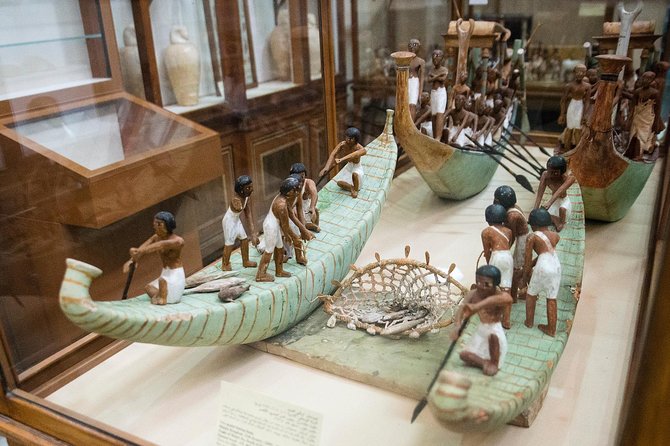
Next up is Cairo Citadel, with a visit to the Alabaster Mosque of Mohamed Ali Pasha, built in 1835. This stop shifts you from ancient funerary architecture and museum objects to Ottoman-era religious and political symbolism.
Why it works on this itinerary: it changes the time period without feeling random. By the time you reach the citadel, you’ve already spent the morning thinking about how rulers were represented—here you see a later ruler’s legacy written into architecture.
Time here is about 1 hour, so you’ll want to prioritize what you care about: views, mosque interior details (as permitted), and the general feel of the citadel area.
Lunch at a local restaurant, then Khan el-Khalili for buying time
Lunch is included between visits at a local restaurant. The info notes koshari as the example lunch, and it also says that beverages aren’t included. Even if you’re not a fan of koshari, the bigger point is that you’re not trapped doing quick convenience-store grabs while the day keeps moving.
After lunch, the tour ends with Khan el-Khalili bazaars for about 1 hour. The description calls out shops known for brass ware, copper, perfumes, leather, silver, gold, and antiques. One practical note: one hour in a market is enough to browse and pick up a couple of things, but not enough to shop like you’re trying to outfit a household.
This is a nice final stop because it gives you an easy “I’m in Cairo” souvenir moment without adding another long museum level.
What this private tour gets right for first-timers
This tour fits especially well if:
- you’re in Cairo for a short window and want Giza + museum + citadel + bazaar in one day
- you prefer a guide-led experience where questions get answered
- you want private transportation to reduce stress in traffic
It’s also a good match for people who like structure. The itinerary has clear timed segments: pyramids and Sphinx time blocks, 2 hours at the museum, and defined blocks for citadel and the market.
The main considerations before you book
A few practical points can affect your satisfaction:
- No pyramid interiors: you’ll see the pyramids and complex, but you won’t go inside any pyramid based on what’s included.
- Short stop windows: many stops are about 30 minutes. If you like slow wandering, you may feel the pace.
- Entrance is basic area: you should plan on that if you were hoping for extra access.
If you show up with realistic expectations—monuments outside plus museum time—this tour makes a lot of sense.
Should you book this private day tour?
I’d book it if you want a guided, first-timer-friendly Cairo day with Giza highlights, Egyptian Antiquities Museum, and a Citadel + Khan el-Khalili finish, all wrapped in private A/C transport and bottled water. The price looks like a standout value on paper, but do check what’s covered under entrance fees (basic areas) and confirm that you don’t need inside-pyramid access.
If you’re the type who dreams of spending hours at Giza alone or going inside multiple pyramids, you’ll likely want a different format with more flexible time and included interior tickets. For a solid, organized one-day overview with context from an Egyptology-focused guide like Karim, this is the kind of tour that gets you the story, not just the scenery.
FAQ
What time does the tour start?
The tour starts at 8:00 am.
How long is the day tour?
It runs for about 9 hours (approx.).
Is this a private tour?
Yes. It’s listed as a private tour/activity, and only your group participates.
Will I be picked up from the hotel?
Pickup is offered. The day also notes meeting the guide at Cairo Airport outside the passenger area with your name sign.
Are entrance fees included?
Entrance fees are included for basic area only. Inside the pyramids is listed as not included.
Do we go inside the pyramids?
No. The tour info explicitly says entering any pyramid is not included.
What’s included for food and drinks?
Lunch is included at a local restaurant (koshari is mentioned). Beverages aren’t included. Snacks and bottled water are also included.
What are the main stops during the day?
The day includes Pyramids of Giza, Sphinx, Egyptian Museum of Antiquities, Cairo Citadel (Alabaster Mosque of Mohamed Ali Pasha), and Khan el-Khalili.
Is there an Egyptologist-style guide?
Yes, the tour includes a guide with Egyptology education.
What is the cancellation policy?
The tour offers free cancellation up to 24 hours in advance for a full refund.