
REVIEW · PLZEN
Pilsen: Brewery Museum Entrance with a Glass of Beer
Book on GetYourGuide →Operated by Pilsner Urquell Brewery · Bookable on GetYourGuide
Beer history gets real fast in Plzeň.
This Brewery Museum visit works because it ties Czech beer-making to actual spaces: a preserved 15th-century brewing house with medieval cellars, working explanations you can follow at your pace, and an end reward of a cold Pilsner Urquell pour.
What I like most is the hands-on feel of the tour, especially the medieval details you’d never guess from just looking at a modern bar. I also really value that the entrance includes a 0.3L beer tasting for adults, so you’re not left wondering if the visit is “just a museum.”
The only real drawback to consider is that this experience isn’t set up for wheelchair users, and if you rely on the audio guide route, it’s worth being ready to follow the in-room English/Czech/German signage too.
Key things to know before you go
- A preserved 15th-century house makes the history feel physical, not just explained.
- You’ll walk through medieval beer-making ideas, including beer drunk through a reed.
- The tour points out practical brewing elements like grain steeping and germination in the threshing yard.
- You’ll see iconic specifics such as the Gothic malt house and the smallest jug in the world.
- If you’re 18+, you end with a beer voucher for 0.3L of Pilsner Urquell at nearby restaurants.
In This Review
- Brewery Museum in a preserved 15th-century house
- SmartGuide in English or German, plus signage you can still use
- Medieval beer rituals: drinking through a reed and hidden cellars
- From early-1900s beer pubs to late Gothic malt work
- The smallest jug in the world and the lesson behind it
- Your Pilsner Urquell tasting: how the voucher works (18+)
- Price and what you actually get for about $7
- Who this fits best (and who should plan alternatives)
- Should you book the Brewery Museum beer tour in Plzeň?
- FAQ
- Where is the meeting point for this experience?
- How much does the experience cost?
- How long does the experience take?
- What languages are available for the tour guide?
- Do I get a beer tasting, and how much is it?
- Where can I exchange my beer voucher?
- Is the beer voucher available for minors or school groups?
- Is this experience suitable for wheelchair users?
- What’s included with the ticket?
Brewery Museum in a preserved 15th-century house
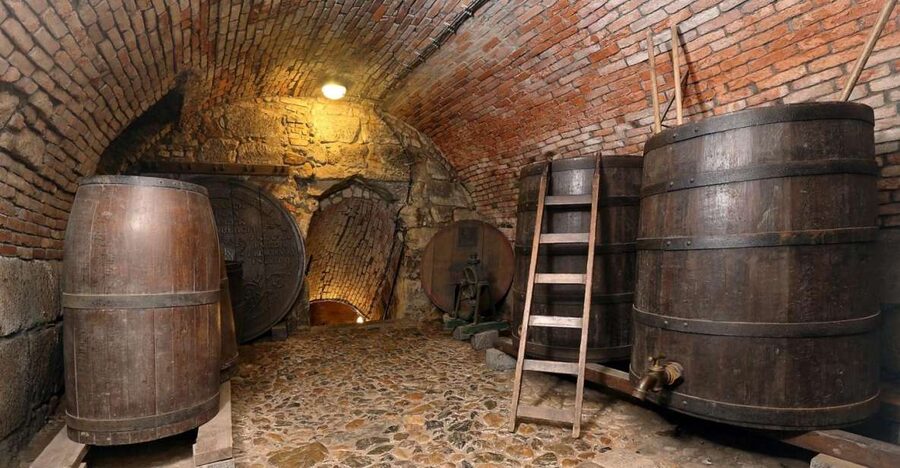
The Brewery Museum in Plzeň is a good choice when you want beer history without wandering through a huge, overwhelming complex. The venue matters: the tour takes place in a 15th-century house that’s been preserved in its original form, so you’re surrounded by the kind of setting that makes old beer traditions feel believable.
You start by getting oriented at the museum itself, and from there the visit moves through time. You’ll be guided through what brewing and beer culture looked like in different eras, from medieval practices to period pub scenes. The overall vibe is compact and focused. One review described it as a small museum in the area, and that matches what I’d expect: you don’t need half a day to “power through” exhibits.
If you’re traveling with limited time in Plzeň—maybe you’re also doing brewery-related stops or touring the city center—this fits well as a concentrated hit of context. It’s also a relief if you don’t want a lecture that stretches forever. You’re moving through rooms and features as you go, which makes the subject easier to remember later when you’re back at a bar.
Practical note: your meeting point is at the Brewery Museum, Veleslavínova 58/6, Vnitřní Město, 301 00 Plzeň 3 (listed as 301 14 in the address line). Go early enough to get your ticket sorted and find the right entrance area before your start time.
SmartGuide in English or German, plus signage you can still use
This tour is set up for independent listening via the SmartGuide app. If you’re a foreign visitor, you download the SmartGuide application and activate the English or German content using a QR code you get at the ticket office, either with your ticket or your e-ticket.
Here’s my practical advice: don’t assume audio will be perfect in every moment. One reviewer had trouble accessing the audio guide in English, and in hindsight they found the printed or room signage in English (along with Czech and German) was enough. That’s a good heads-up for you. If your phone acts up, you still won’t be stranded.
So think of SmartGuide as the bonus layer, not the only layer. Use it when it’s smooth, then switch to the signs when you need to. That keeps you from losing momentum, especially in areas like cellars and back rooms where you may be moving slightly slower.
Also, because this is Czech beer culture, small language details can help you connect what you see to the terms being used. SmartGuide lets you do that in English or German, and even if you skip audio entirely, the tour still gives you the core story.
Medieval beer rituals: drinking through a reed and hidden cellars
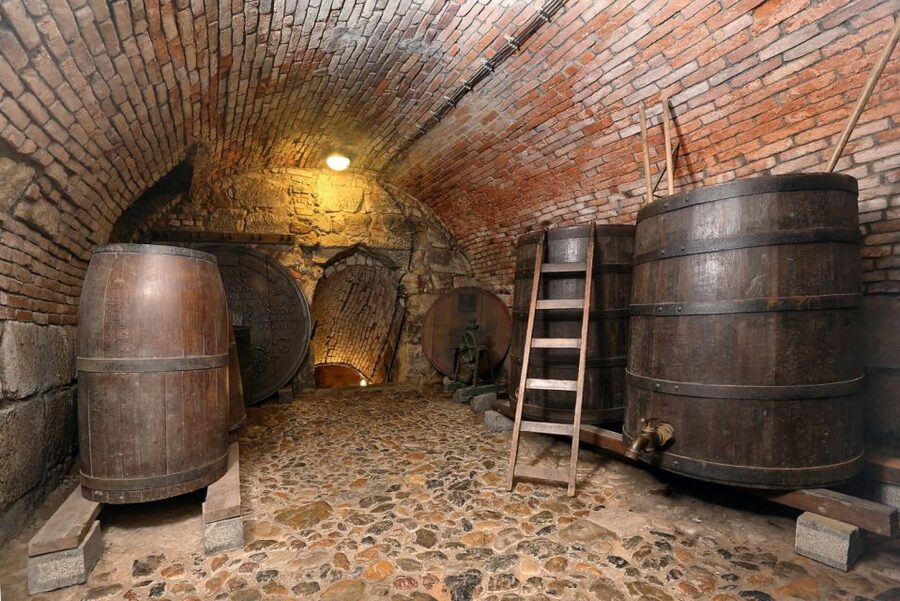
The medieval part of the tour is where the experience gets genuinely memorable. You’ll learn about beer as it existed in earlier times, including the detail that beer was sometimes drunk through a reed. That kind of practical, almost strange-for-modern-drinkers fact is exactly why this museum works. It shows you that beer wasn’t just a drink—it was a technology and a routine.
From there, you’ll go into the medieval brewing spaces, including cellars hidden under the 15th-century brewing house. These hidden rooms help explain why beer-making was tightly connected to storage, temperature control, and process steps. Even without a technical background, seeing the physical layout makes the explanations stick.
What I like about this portion is that it doesn’t treat the past like a storybook. It treats it like daily life and production. You come away understanding that medieval beer culture developed for real needs—how you kept beer, how you served it, and how you fit it into local habits.
If you’re the type of traveler who enjoys learning by walking through places rather than just reading panels, the cellar element is the payoff. And if you’re more casual, the reed detail still gives you something concrete to talk about later.
From early-1900s beer pubs to late Gothic malt work
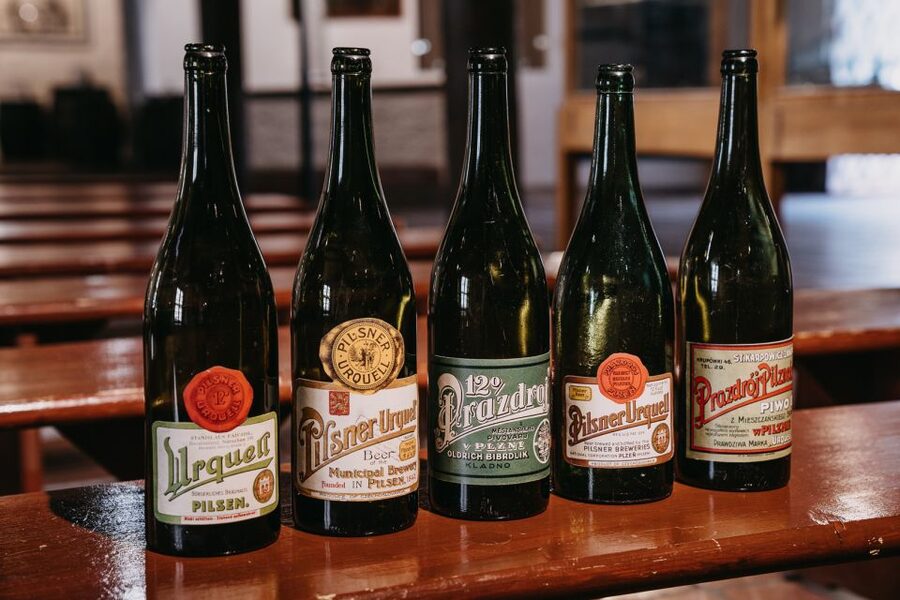
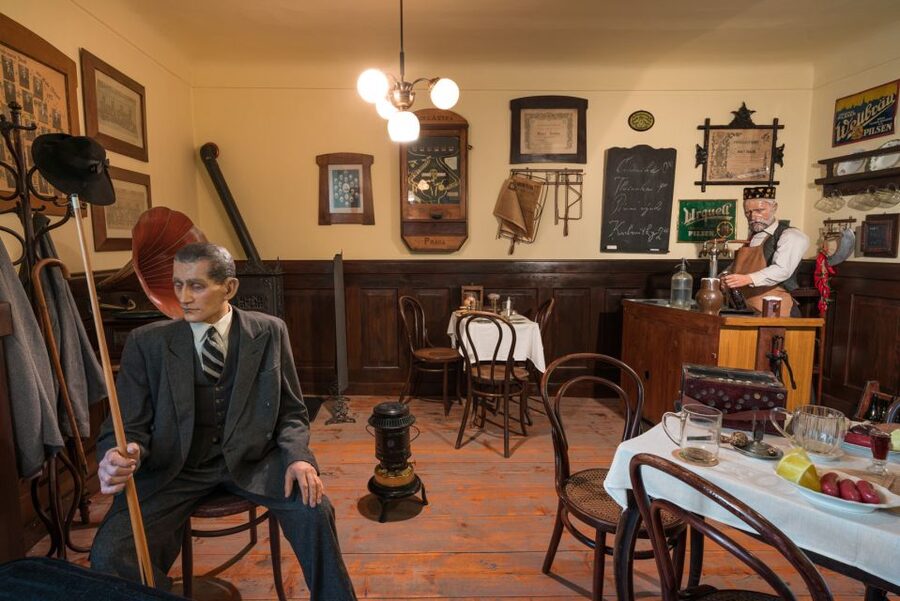
One of the clever parts of the tour is how it jumps between time periods so you don’t end up with a single-theme museum that stays stuck in the far past. After the medieval sections, you also get scenes of authentic beer pubs from the beginning of the 20th century.
That matters because it links “beer history” to something you recognize: a pub atmosphere, the way people socialize around beer, and how brewing meets daily culture. It also gives you a sense of continuity—how traditions change, but beer still stays central.
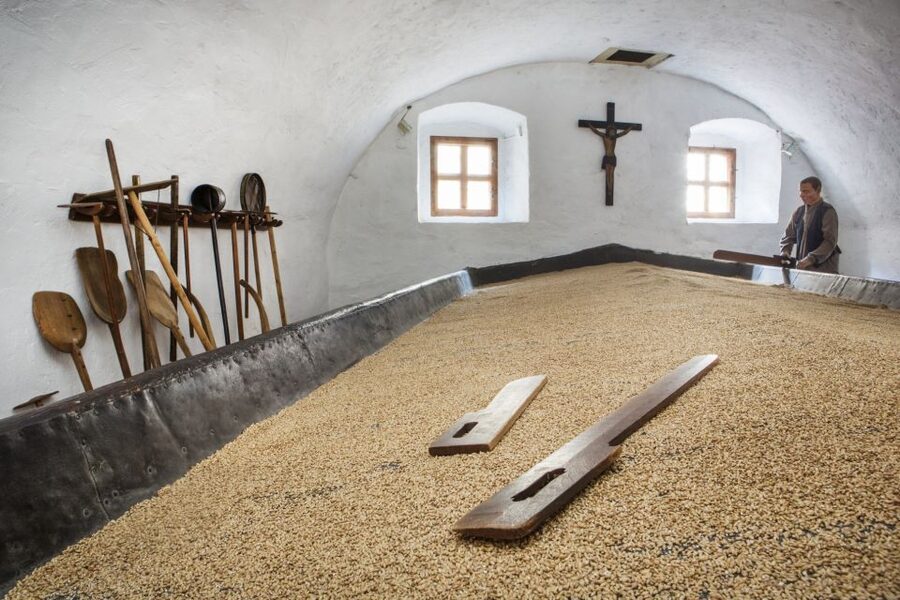
Then the tour moves into the late Gothic side, focused on production rather than people watching. You’ll explore a late Gothic malt shop, which is part of the threshing yard where grain steeping and germination took place. If you’ve ever wondered how beer transforms from grain into something drinkable, this is the portion that answers the question in plain physical terms.
This section is valuable because it helps you see brewing as a series of steps, not magic. You’re shown where key work happened in the process—steeping and germination—which are the kinds of details that separate a “beer museum” from a “how beer gets made” experience.
The smallest jug in the world and the lesson behind it
The tour includes a stop that’s built for curiosity: you’ll discover the smallest jug in the world, plus you’ll see a Gothic malt house as part of the story.
I like these small-but-specific highlights because they give you a memory anchor. Even if you forget some of the broader timeline, you’ll probably remember the smallest-jug fact. Those tiny details are often what make a museum visit feel real, especially after a long day of sightseeing.
The Gothic malt house piece, on the other hand, gives the curiosity context. Instead of showing you one random artifact, the tour uses it to point back to the brewing workflow: malt preparation and the physical environments where grain work happened. That keeps the weird “wow” from staying just weird.
If you’re a beer nerd, you’ll appreciate how the tour keeps returning to the production side. If you’re more of a casual beer fan, it’s still approachable because the tour frames these features as answers to practical questions: how did people make beer, and what did they use to do it?
Your Pilsner Urquell tasting: how the voucher works (18+)
The tour ends with a beer reward. If you’re aged 18 or over, you receive a beer voucher that you can exchange for 0.30 liters of Pilsner Urquell at select restaurants: Na Spilce, U Salzmannů, or Na Parkánu.
This is a smart setup for you because it lets you match the tasting to your day. Maybe you want to continue exploring nearby areas, or maybe you want a relaxed sit-down instead of finishing your museum visit and rushing back out. The voucher approach gives you a little flexibility.
Two practical considerations:
- The tasting is only for adults 18+.
- School groups with minors won’t be provided beer tasting.
So if you’re traveling with younger family members, plan on a museum-focused visit without expecting alcohol service. (You can still enjoy the history; the voucher system just changes the end part.)
One more small tip: when you go to exchange the voucher, treat it like a proper tasting moment, not a rushed gulp. The tour gives you enough context to make the beer comparison more interesting. You’ll understand what you’re drinking in relation to the brewing past you just saw.
Price and what you actually get for about $7
At $7 per person, this is one of the cleaner values in the “beer + history” category. You’re not just paying for access to a building—you’re getting a guided walkthrough experience plus the adult tasting included in the price.
Also, the museum itself is described as not a big stop compared to major museums. That matters for value. You’re spending money, but you’re spending it on time you can actually use. You don’t feel like you need to “cover everything.” Instead, the tour guides your attention to the main points: medieval brewing, pub culture from the 20th century, the Gothic production spaces, and standout artifacts like the smallest jug.
If you’re the type who enjoys learning and then translating it to what you later eat or drink, the included 0.3L tasting is the right kind of payoff. You end the experience with a product tied to the place and story you just absorbed.
If you’re price-sensitive and want one beer-related activity that doesn’t require a full-day time commitment, this is a strong pick—especially if your Plzeň itinerary already includes city walking or other brewery stops.
Who this fits best (and who should plan alternatives)
This tour is best for you if you want:
- Czech beer history that’s connected to buildings, not only text
- A fairly direct route through medieval ideas, pub culture, and production steps
- A guaranteed adult tasting outcome (0.3L) after the tour
It also works well if you’re traveling with mixed interests—someone who cares about beer will enjoy the process and Pilsner Urquell tasting, while someone who cares about culture will appreciate the pub scenes and historical setting.
A note if you’re traveling with limited mobility: it’s not suitable for wheelchair users, so plan another option if that affects your group.
If you’re a “download an audio app and forget everything else” type, you might want a backup mindset. Keep an eye on room signage in English, Czech, and German in case audio access is glitchy at any point.
Should you book the Brewery Museum beer tour in Plzeň?
Yes, I think you should book it if you want a focused, high-value beer-history stop in Plzeň that ends with an actual taste of Pilsner Urquell. The biggest reasons are practical: the preserved 15th-century setting, the clear path through key eras, and the fact that the price includes both entry and the 0.3L tasting for adults.
If you dislike smaller museums and want giant, hour-after-hour exhibition halls, you might find it calmer than you expected. But if you want a smart way to learn why Czech beer culture looks and tastes the way it does, this is an easy yes.
If you want, tell me your travel dates and whether you’ll be in Plzeň for a few hours or a full day, and I’ll suggest a tight route that pairs this with the best nearby stops.
FAQ
Where is the meeting point for this experience?
The meeting point is the Brewery Museum, Veleslavínova 58/6, Vnitřní Město, 301 00 Plzeň 3, Czech Republic.
How much does the experience cost?
The price listed is $7 per person.
How long does the experience take?
It is listed as a 1-day experience.
What languages are available for the tour guide?
Foreign visitors can use the SmartGuide app, with tours available in English or German.
Do I get a beer tasting, and how much is it?
Yes. If you are 18 or older, you receive a voucher exchangeable for 0.30 liters of Pilsner Urquell beer.
Where can I exchange my beer voucher?
You can exchange the voucher at Na Spilce, U Salzmannů, or Na Parkánu.
Is the beer voucher available for minors or school groups?
No. In line with the stated policy, visitors under 18 are not served alcohol, and a school group with one or more minors will not be provided with beer tasting.
Is this experience suitable for wheelchair users?
No. It is not suitable for wheelchair users.
What’s included with the ticket?
The ticket includes entrance to the Brewery Museum plus the Pilsner Urquell beer tasting (0.3 liters) for eligible visitors.