REVIEW · QUEBEC
Canadian Museum of History (Canadian Children’s Museum included)
Book on Viator →Operated by Canadian Museum of History · Bookable on Viator
History has a gravity inside this museum. I love how the museum’s dramatic design by Douglas Cardinal makes Canada’s past feel physical before you even start reading. The world’s largest indoor collection of totem poles in the Grand Hall is also an instant crowd-pleaser. One thing to consider: this is more self-directed museum time than a highly staged, interactive guide experience.
For the heart of the visit, I’m drawn to the Canadian History Hall—a signature exhibit that traces the story from time immemorial to today. You’ll see how achievements, major events, and major shifts are presented through multiple perspectives, including some darker chapters, using authentic artifacts and story-driven interpretation.
A practical drawback to plan around: your experience depends a lot on the quality of your on-site reading and your willingness to ask questions. Also, if you’re using a mobile ticket, I recommend double-checking it before you arrive, since ticket timing can matter.
In This Review
- Key Highlights You’ll Actually Notice
- A Museum You Can Spot by Style Alone
- Grand Hall Totem Poles: A Canada-Scale Photo Stop
- Canadian History Hall: Canada’s Story in Real Time
- First Peoples Focus: Artifacts With a Point
- CINÉ+ and the Canadian Children’s Museum (Included)
- 2 to 3 Hours: How to See the Best Parts Without Feeling Rushed
- Admission Value: What’s Included, What Isn’t
- Who This Museum Visit Fits Best
- Should You Book the Canadian Museum of History Ticket?
- FAQ
- What language is the experience offered in?
- How long should I plan for the visit?
- What’s included with the admission ticket?
- Are children free?
- Is transportation or a guided tour included?
- What’s the cancellation policy?
Key Highlights You’ll Actually Notice
- Douglas Cardinal’s architecture turns the museum into part of the storytelling
- World-class Grand Hall totems give you an instant sense of scale and craft
- Canadian History Hall links people, events, and the big currents that shaped Canada
- Multiple perspectives on First Peoples including both achievements and harder histories
- Included special access to CINÉ+ and the Canadian Children’s Museum
A Museum You Can Spot by Style Alone
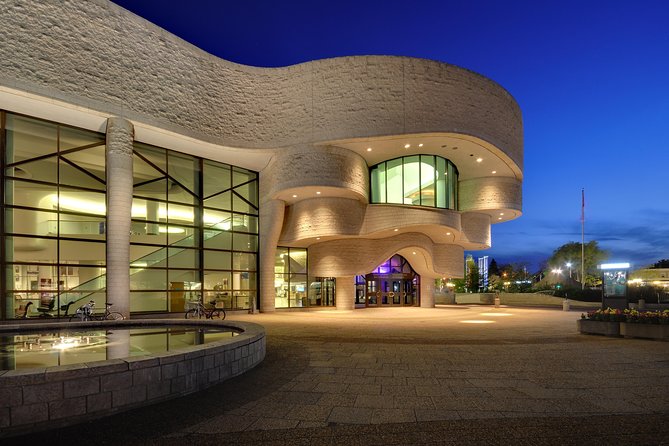
The Canadian Museum of History is the kind of place where the building helps you get in the mood. The architecture, designed by Canadian architect Douglas Cardinal, isn’t background noise. It shapes how you move, how you look up, and how the exhibits feel when you finally start exploring.
Location is also practical. It’s near downtown Ottawa and Parliament Hill—close enough that it can fit cleanly into a busy day. Starting at 9:00 am is a smart move if you want a calmer feel for the early galleries and the major photo moments without fighting the largest crowds.
Even if you’re not a museum person, this place works because the big wow-factor isn’t hidden. The collection spaces are designed so that you’re not hunting for the point of the visit—you’re guided there by layout and by what’s visible as you enter.
Grand Hall Totem Poles: A Canada-Scale Photo Stop
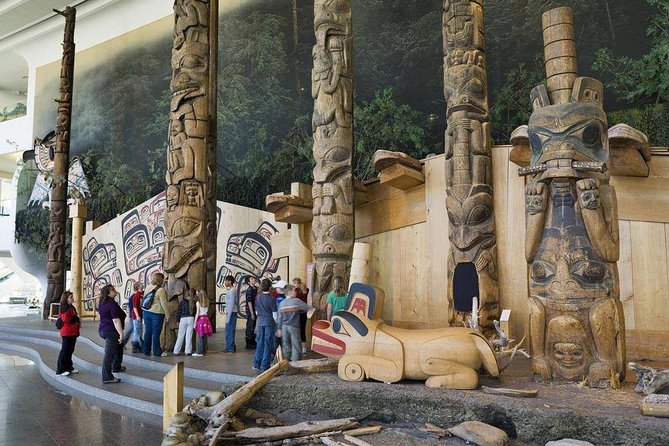
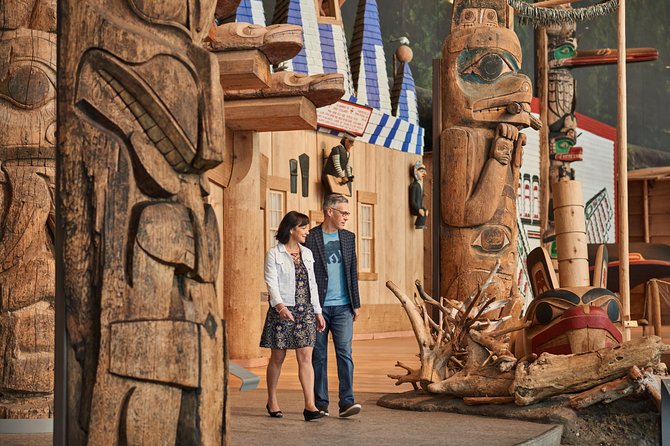
If you only remember one thing, make it the Grand Hall. This is where you find the museum’s signature claim: the world’s largest indoor collection of totem poles. Even if you’ve seen totems before, the indoor scale here hits differently. It’s not just a display—it’s a room-sized statement about artistry, history, and how meaning lives in carved form.
Here’s how I’d approach it so you get more than a quick snapshot:
- Look first for the overall arrangement. Notice how multiple poles create a “story wall” effect.
- Then slow down for details like faces, shapes, and the way each pole feels distinct.
- If you’re with kids, give them a simple mission: pick one totem shape they recognize and tell you what it reminds them of.
One consideration: because this collection is so central, it can become your busiest zone. If you’re sensitive to crowds, plan to spend less time here at peak moments and return later if the museum timing lets you.
Canadian History Hall: Canada’s Story in Real Time

The Canadian History Hall is the museum’s signature exhibition for a reason. It’s built around the idea that Canadian history isn’t one straight line. Instead, it’s layered—shaped by events, personalities, and historical currents from time immemorial to the present.
What I like most is that it doesn’t treat history like a list of dates. It’s story-forward. You’ll move through major periods and themes while seeing how different communities experienced change—sometimes through milestones and achievements, and sometimes through the darker chapters that Canada also has to face.
The exhibit also leans into a key framing idea: multiple perspectives. That matters because it changes how you read what you’re seeing. Rather than one authority telling you what happened, you get a more human sense of how different people understood events and how power, culture, and identity shifted over time.
Practical tip: budget time for reading. This hall works best when you slow down for the context panels and artifact labels. If you rush, you’ll still see plenty, but you’ll miss the meaning that makes the whole thing stick.
First Peoples Focus: Artifacts With a Point
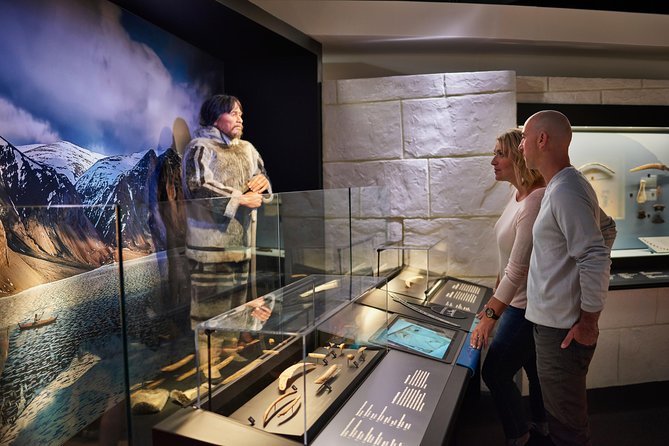
A big part of the museum’s pull is its focus on First Peoples and the cultural heritage across Canada. You’ll encounter authentic artifacts tied to Indigenous cultures from across the country, with the museum presenting achievements alongside stories that reflect historic realities.
This is the kind of exhibit where your mindset matters. If you approach it like a checklist—just trying to finish fast—you’ll likely skim past what makes the objects powerful. If you approach it like you’re learning how traditions and identities have endured and changed, it clicks.
I also like how the museum’s messaging points to continuity as much as change. You’re not only seeing “then and now” in separate boxes. You’re seeing how history, knowledge, and community identity travel through time—sometimes disrupted, sometimes carried forward.
One more reality check: the museum is wide. You may not be able to see everything thoroughly in the standard visit window. That’s normal. The smarter play is to pick what you care about most—First Peoples artifacts, the history timeline, or the family-friendly exhibits—and let the rest be “browsing.”
CINÉ+ and the Canadian Children’s Museum (Included)
A big value factor here is that your admission ticket includes more than the main galleries. You get access to CINÉ+ and the Canadian Children’s Museum as part of your ticket.
This matters because kids often define the pace of a visit. When there’s family-focused space included, your day doesn’t become a constant compromise. If your group includes children, the Children’s Museum gives you an on-ramp where they can experience history and culture in a kid-friendly way rather than only through long interpretive panels.
For adults, CINÉ+ can be the useful break between the heavier historical sections. A film-based component gives your brain time to reset while still keeping you in the museum mindset.
If you’re planning your schedule, treat CINÉ+ and the Children’s Museum as “time anchors.” They help structure a visit that might otherwise feel like a blur. Even if you don’t plan every minute, knowing those add-ons are included reduces stress and helps you keep moving without feeling like you’re missing paid extras.
2 to 3 Hours: How to See the Best Parts Without Feeling Rushed
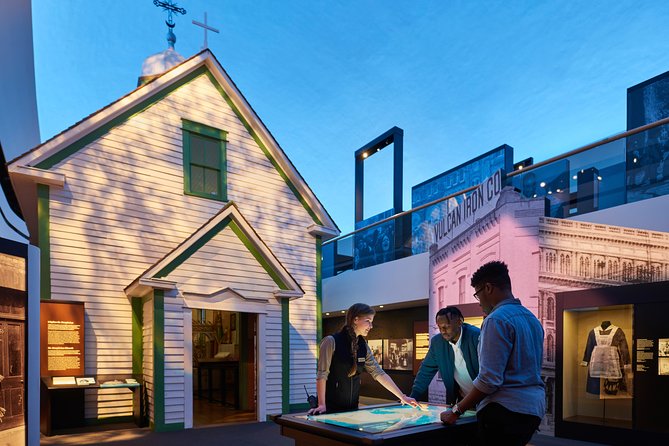
A 2 to 3 hour visit can absolutely work, but only if you plan for a smart pace. The museum is large, and the content isn’t shallow—so your goal shouldn’t be to see everything. Your goal is to land on the exhibits that match your interests.
Here’s a simple strategy that fits the time window:
- Start with the Grand Hall so you get the totem poles early while energy is high.
- Move into the Canadian History Hall next, and commit to reading the most important context sections rather than trying to absorb everything.
- Save CINÉ+ and the Canadian Children’s Museum for when your group’s attention starts to dip.
If you have flexible time, I’d give yourself more than the minimum. The museum’s most memorable parts are the ones that reward slower attention. A longer visit lets you circle back for details, not just main themes.
Group size is capped at 30 travelers, which can help keep the museum experience from feeling chaotic. Still, major exhibition areas can get busy, so arriving at 9:00 am is a small edge.
Admission Value: What’s Included, What Isn’t
When you’re deciding whether this is worth it, don’t just think about the ticket itself. Think about what comes with it.
Your ticket includes:
- Admission to special exhibitions
- Access to CINÉ+
- Access to the Canadian Children’s Museum
That bundling is the core value. You’re not paying separately to keep the day interesting for different ages. And since food and drinks aren’t included, it’s easier to decide where you want to grab a snack based on your own preferences and timing.
What’s not included:
- Food and drinks
- Transportation to/from the attraction
- Guided tours
That last point is important. If you want an escort who tells the story step-by-step, this ticket is not built around that. You’ll be exploring on your own, using the exhibits’ interpretive materials and any staff help you can get.
Who This Museum Visit Fits Best
This works best for:
- Families with children who need included activities beyond the main exhibits
- People who want a serious look at Canada’s story without turning it into a classroom
- Travelers who enjoy cultural heritage through artifacts, not just architecture and gift shops
- Anyone who likes the idea of seeing First Peoples perspectives directly within a national history setting
It also suits mixed groups. Adults get the history and artifacts; kids get a dedicated space designed for them. And because service animals are allowed and the site is near public transportation, it’s easier to plan around real-world logistics.
One more practical thought: since your participation depends on general museum entry, it’s not a specialized activity. Most people can enjoy it at their own pace.
Should You Book the Canadian Museum of History Ticket?
I’d book it if you want a high-quality mix of major national storytelling, standout Indigenous cultural artifacts, and built-in family options without paying for extras at the gate. The included CINÉ+ and Canadian Children’s Museum make this ticket feel like more than a basic entry pass.
I’d hesitate if you’re expecting a fully guided, highly interactive experience. This is best when you’re happy to slow down, read labels, and let the exhibits do the teaching.
If you’re planning a first visit to this museum, come early, prioritize the Grand Hall and the Canadian History Hall, and give yourself room for the included add-ons. You’ll leave with more than photos—you’ll have a clearer sense of how Canada’s story is told and retold through people, objects, and perspective.
FAQ
What language is the experience offered in?
The experience is offered in English.
How long should I plan for the visit?
Plan for about 2 to 3 hours.
What’s included with the admission ticket?
The admission ticket includes access to special exhibitions, including CINÉ+ and the Canadian Children’s Museum.
Are children free?
Yes. Children ages 2 and younger are free.
Is transportation or a guided tour included?
No. Food and drinks, transportation to/from the attraction, and guided tours are not included.
What’s the cancellation policy?
You can cancel for a full refund up to 24 hours in advance. Cancellations made less than 24 hours before the start time are not refunded.