REVIEW · BARCELONA
Picasso Small Group Walking Tour with Museum Skip the Line Ticket
Book on Viator →Operated by Turisme de Barcelona · Bookable on Viator
Picasso in Barcelona feels personal fast. This small-group walk connects his early years (1895 to 1905) to real street corners, then ends with skip-the-line entry to the Museu Picasso. I love how the route is built around places Picasso actually used as a young artist, not just random big sights. I also like that the museum visit is guided toward the works that matter most for understanding how his style formed—guides such as Alex and Iris are frequently praised for making the art feel readable.
One thing to keep in mind: the museum building can run warm. If you’re sensitive to heat, plan for water breaks and light layers, so the “skip-the-line” part doesn’t turn into “skip-your-comfort.”
In This Review
- Key takeaways before you go
- Picasso’s Barcelona, 1895–1905: what this walking route really delivers
- Meeting at Plaça de Catalunya and the timing reality of a 2-hour tour
- El Quatre Gats and the art-school trail: the stops that make Picasso feel human
- The Frisos at Col·legi d’Arquitectes: why those three friezes are a big deal
- La Ribera quarter stroll: the calm in the middle of all that art
- Skipping the line at Museu Picasso: how you actually use that time
- Inside the museum: using a guide to spot Picasso’s early evolution
- Group size, pace, and guide performance: what you can count on
- Price and value: is $48.06 a good deal for this combo?
- What might not fit you (and how to adjust)
- Who should book this Picasso walking tour?
- Should you book? My quick decision guide
- FAQ
- How long is the Picasso Small Group Walking Tour with Museum skip the line ticket?
- Where does the tour start and where does it end?
- Is the tour in English?
- What’s included in the price?
- What isn’t included?
- How big is the group?
- Is the Picasso Museum entrance really skip-the-line?
- What’s the total cost per person?
- What’s the cancellation policy?
Key takeaways before you go
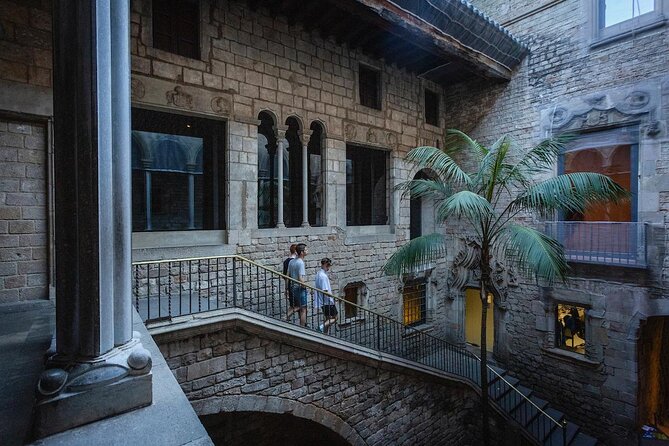
- 1895–1905 focus: you walk Picasso’s early Barcelona chapter, not a generic greatest-hits route.
- Skip-the-line at Museu Picasso: you trade waiting for time watching and learning inside.
- Street stops that explain the art: El Quatre Gats, Llotja Mar, and the Frisos friezes give context before you hit the galleries.
- Small group (max 10): easier pace, and questions usually get answered instead of swallowed.
- Museum highlights tied to early work: the guide points you toward key paintings during the most formative years.
- Language is listed as English: double-check your ticket details if you’re picky about language accuracy.
Picasso’s Barcelona, 1895–1905: what this walking route really delivers
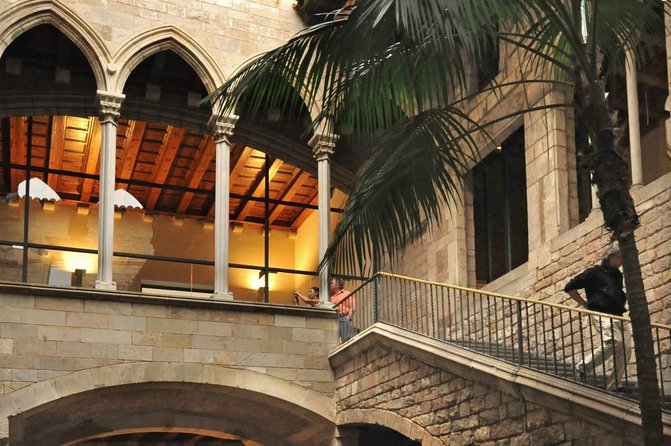
This tour is built like a guided story. You’re not just moving between landmarks—you’re moving through Picasso’s early development in Barcelona, when the city’s art culture helped shape what he became.
You start in central Barcelona and walk through the bohemian lanes he would have known during the time window of 1895 to 1905. Expect stops that connect daily life—cafés, art schools, and neighborhoods—to artistic growth you can then recognize in the museum.
The payoff for you is simple: you see Barcelona with a “why” attached. Without that context, the Picasso Museum can feel like a lot of paintings in a lot of rooms. With the context, the museum becomes easier to follow.
A few more Barcelona tours and experiences worth a look


Meeting at Plaça de Catalunya and the timing reality of a 2-hour tour
Meeting point is the Oficina d’atenció turística at Pl. de Catalunya, 17. It’s central and easy to reach with public transport, which matters because this is a tight, two-hour format (approx.).
A 2-hour tour means the pace is purposeful. You’ll spend time walking, then time inside the museum using your guide’s route through the highlights. You shouldn’t plan to wander off for photos at every corner—this is a structured “see and understand” outing.
Also, the tour ends at Carrer de Montcada, 23 in Ciutat Vella (close to the museum area). So when you’re done, you’re already in the right neighborhood to keep exploring on your own.
El Quatre Gats and the art-school trail: the stops that make Picasso feel human
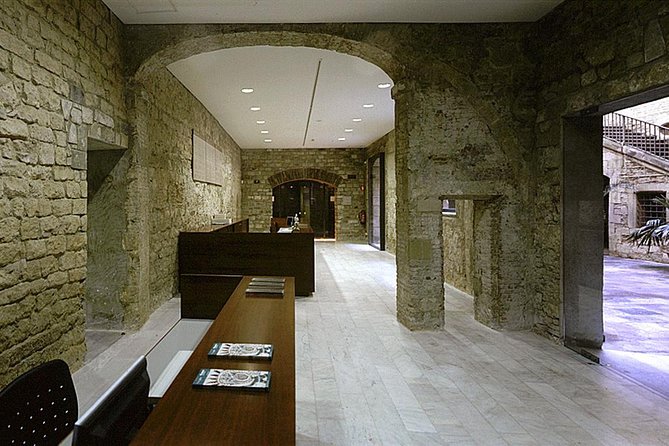
The first walking stops do a smart thing: they set up Picasso’s world before you see his work in a museum. That’s why places like El Quatre Gats matter. It was a well-known café connected to the city’s creative community, and it’s one of those Barcelona locations that instantly signals: this is where ideas gathered.
Then comes Llotja Mar, described as an art school where Picasso honed his craft. For you, this isn’t just trivia. It’s a way to connect an artist’s training and surroundings to the choices you’ll later see reflected in early works.
The Frisos at Col·legi d’Arquitectes: why those three friezes are a big deal
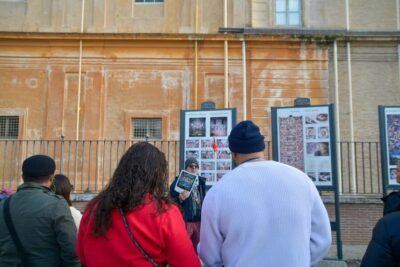
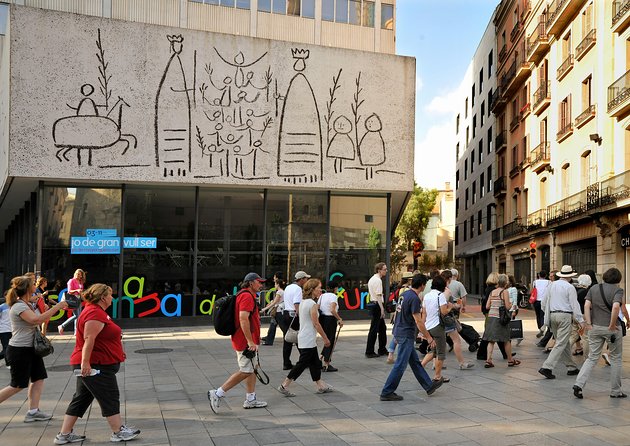
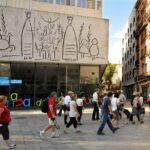
One stop gets specific—and that’s great for anyone who likes detail: the Frisos del Col-legi d’Arquitectes, which include three friezes described as Picasso’s only open-air works.
This is the kind of detail that makes the walk feel different from “we passed some buildings.” You get a concrete, physical connection to Picasso’s output outside a museum space, and that can make the later museum viewing click faster.
And because you’re seeing it outside first, you’ll likely notice how museum works feel more “framed” and curated once you enter. Outside, the art is part of the street. Inside, it’s the story laid out on walls.
La Ribera quarter stroll: the calm in the middle of all that art
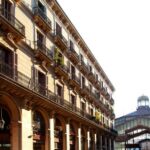
After the earlier stops, you make your way through La Ribera toward the Picasso Museum. This isn’t presented as a “rest stop.” It’s a transition—walking through the neighborhood texture while the guide ties together how Barcelona shaped Picasso’s early years.
This section helps you reset your brain. Museum entrances and ticket lines can spike your stress fast. A neighborhood walk in between makes the museum feel less like a chore and more like the next chapter of the story.
If you like photography, you’ll have chances here, but the tour is still guided. Don’t expect a “photo safari” pace—think of it as a steady walk with moments to look closely.
You can also read our reviews of more walking tours in Barcelona
Skipping the line at Museu Picasso: how you actually use that time
The museum is famous, and long lines are a real thing. The tour includes museum admission with skip-the-line entry, which is the practical win.
For you, skipping the line is mostly about control. You avoid burning your best museum energy standing still. You also keep your momentum—walking context first, then museum time right after.
Your group size is capped at 10 travelers, which generally keeps the inside pacing more manageable. The guide can move you toward the highlights without constantly stopping and re-starting for crowd control.
Inside the museum: using a guide to spot Picasso’s early evolution
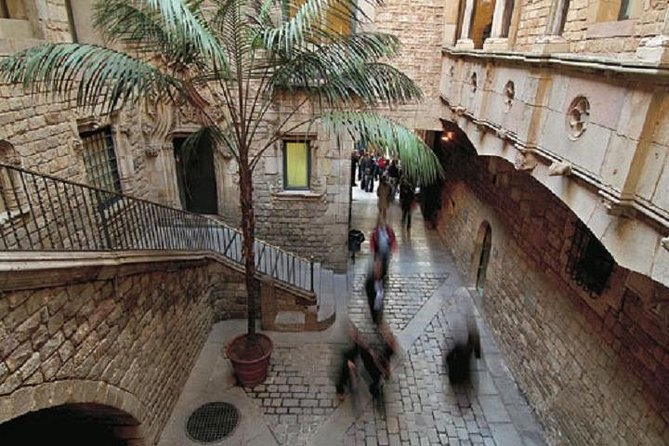
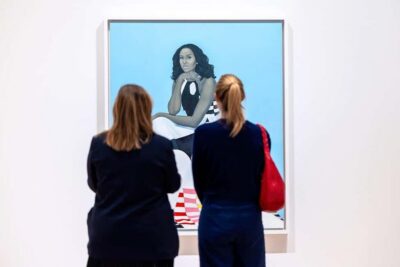
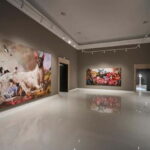
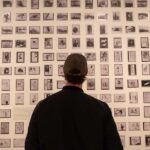
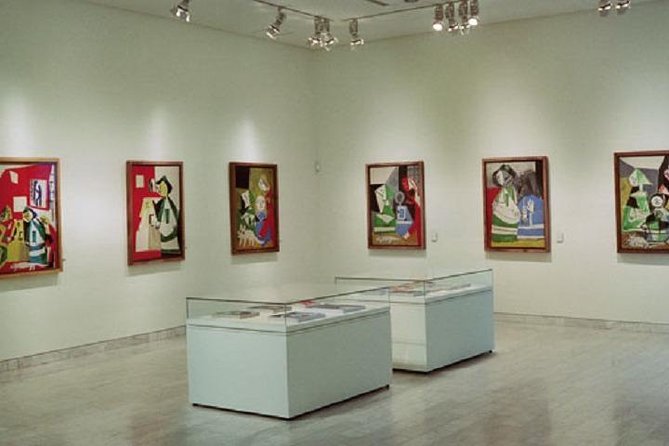
Once inside, you explore more than 4,000 Picasso works. That’s a lot of art. Without guidance, you could easily wander and miss the thread that connects Picasso’s early style and subject choices.
This tour aims at exactly that thread. Your guide helps you navigate the museum’s main highlights, with many of the works connected to Picasso’s formative early years.
A good sign of value is that the tour doesn’t just say “see masterpieces.” It points you toward specific parts of the collection that match what you just learned walking around Barcelona. So when you see an early work on the wall, you have a story in your head already—cafés, training, neighborhood influences, and the era.
Group size, pace, and guide performance: what you can count on
You’re told the tour maximum is 10 travelers. In practice, that usually translates to easier questions and a guide who can keep everyone together without sounding like a broken megaphone.
The guide experience is a major factor in the reviews you can use as signals. Names like Alex, Iris, Pilar, Marco, Sylvia, Alli, and Danielle show up with praise for being engaging and for keeping a good pace. The strongest repeated theme is simple: guides explain the paintings in a way that feels approachable, not like a lecture you need to study for.
If you’re the type who likes to ask questions, this setup usually helps. The small-group format gives you a better chance of getting answers instead of watching the tour wheel forward without you.
Price and value: is $48.06 a good deal for this combo?
At $48.06 per person, you’re paying for two things:
1) a guided walk connecting Picasso’s early Barcelona to specific locations, and
2) museum admission that includes skip-the-line entry.
Here’s the value logic. If you bought the museum ticket alone, you’d still be dealing with the uncertainty of arrival time and potential queue time. If you did a generic walking tour without a museum plan, you’d miss the structured “what to look for” inside.
This package also saves you decision fatigue. You don’t have to figure out which early works to prioritize. Your guide is steering you toward the highlights tied to the young Picasso story.
Is it expensive compared with a free self-guided walk? Sure. But if you want time efficiency and you care about understanding, it’s a solid spend.
What might not fit you (and how to adjust)
The only clear “watch-out” from the info you have is comfort inside the museum. One review note flagged the museum as warm, so if heat is a problem for you, go early in the day if you can, and wear light layers.
Language is another practical concern. The tour is offered in English, but there have been cases where language issues caused frustration for some participants. To protect your plans, check your confirmation details when you book, and be ready to show your ticket at the start.
Finally, this is not a long “linger” tour. If you want an unstructured walk with optional museum time, you may find two hours feels quick. If you want a guided story with a clear endpoint, you’ll like the format.
Who should book this Picasso walking tour?
This is a great fit if you:
- want a focused Picasso introduction centered on his early years in Barcelona
- like walking tours that explain context, not just photos and street names
- want to see the Picasso Museum without losing time in lines
- enjoy art more when someone helps you understand the “how” and “why”
It’s also a nice choice if you like pairing neighborhoods with a museum. The La Ribera portion and the Gothic-area vibe described in the tour experience make Barcelona feel like part of the artwork, not just the background.
Should you book? My quick decision guide
Book it if you want a time-smart introduction to Picasso that turns the museum into a story you can follow. The skip-the-line entry plus the guided focus on early highlights is the key combo.
Skip it (or consider a different format) if you prefer total freedom to wander slowly, or if heat inside museums will make the visit uncomfortable.
If you’re on the fence, aim for an early slot and bring your curiosity. This tour rewards attention, not speedrunning.
FAQ
How long is the Picasso Small Group Walking Tour with Museum skip the line ticket?
It’s listed as about 2 hours (approx.).
Where does the tour start and where does it end?
The meeting point is Oficina d’atenció turística, Pl. de Catalunya, 17. The tour ends at Carrer de Montcada, 23 in Ciutat Vella.
Is the tour in English?
Yes, it’s offered in English.
What’s included in the price?
The tour includes a professional guide and admission to the Picasso Museum (with the skip-the-line ticket).
What isn’t included?
Food and drinks are not included, and there is no hotel pickup or drop-off.
How big is the group?
The tour has a maximum of 10 travelers.
Is the Picasso Museum entrance really skip-the-line?
Yes, the tour includes a skip-the-line museum entry ticket.
What’s the total cost per person?
The price is listed as $48.06 per person.
What’s the cancellation policy?
You can cancel for a full refund up to 24 hours before the experience starts.