REVIEW · 911 MEMORIAL POOLS
New York City: 9/11 Tour with Museum and Observatory Tickets
Book on GetYourGuide →Operated by Thermo Sage Inc. · Bookable on GetYourGuide
A 9/11 tour that also earns your skyline time. This one pairs a focused, emotionally heavy Ground Zero walk with National 9/11 Memorial Museum and One World Observatory tickets, so you get both story and perspective.
What I like most is the way the guided portion keeps you oriented with clear, specific details like Stairwell B and the Angel-of-the-Stairwell-B story, before you branch off on your own.
Two things I really appreciate: the live guide leads you along the responder path inside the World Trade Center area, and the stops connect to big, concrete artifacts in the Museum and big, concrete views from the Observatory. One consideration: museum + observatory are self-guided, so you’ll want to pace yourself and plan for security screening at the Observatory during busy hours.
In This Review
- Key Highlights You’ll Feel Fast
- Meeting at 20 Dey Street and Getting Your Bearings
- The 2-Hour Guided Walk Through the World Trade Center Complex
- Memorial Plaza After the Walk: Where the New Complex Fits In
- Your Self-Guided National 9/11 Memorial Museum Plan
- One World Observatory: The 47-Second Elevator and Clear-Day Views
- Price and Timing: Is $132 Good Value?
- What the Guide Style Adds (and Why It Matters)
- Who This 9/11 Tour Fits Best
- Should You Book This Tour?
- FAQ
- What’s the total time for this NYC 9/11 tour?
- Where do we meet for the tour?
- Are the 9/11 Museum and One World Observatory guided?
- What’s included in the ticket package?
- Is there security to enter the Observatory?
- Is the tour wheelchair accessible?
Key Highlights You’ll Feel Fast
- Stairwell B focus: learn how people inside the building endured the collapse sequence
- Memorial-to-skyline flow: solemn sites first, then a clear-day view from One World Observatory
- Specific stories you can picture: including the Angel of Stairwell B and the 9/11 Surfer reference
- Artifacts included: the Museum visit is built around wreckage findings, not vague generalities
- 47-second elevator ride: a short, intense way to shift from history to the present view
- Security reality check: Observatory entry can mean up to a 20-minute wait in high season
Meeting at 20 Dey Street and Getting Your Bearings
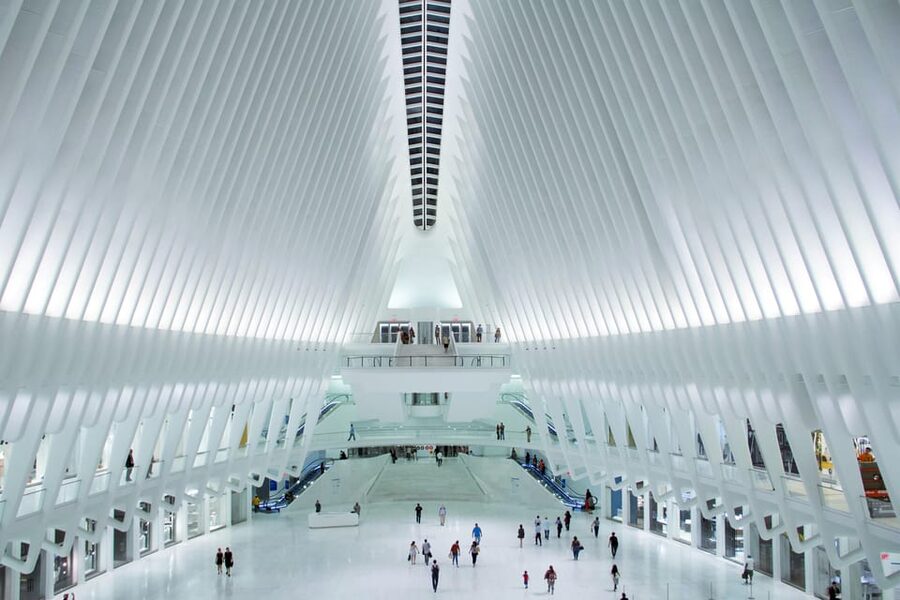
This tour starts at a simple, easy-to-find spot: Starbucks at 20 Dey Street. That matters because Ground Zero can feel like a maze when you first arrive, and you don’t want your first ten minutes to be spent hunting for the right entrance.
From the beginning, the structure is smart. You get a live English guide for the key on-foot part, and that guide does something important: they set the stage before you go into the Museum at your own pace. In other words, the walking portion works like the map and the Museum works like the rest of the lesson.
If you’ve ever felt overwhelmed by NYC’s size, you’ll appreciate that this one is tightly organized. You’re not trying to figure out which corners matter. You’re shown what to look for, and why.
A few more 911 Memorial Pools tours and experiences worth a look
The 2-Hour Guided Walk Through the World Trade Center Complex
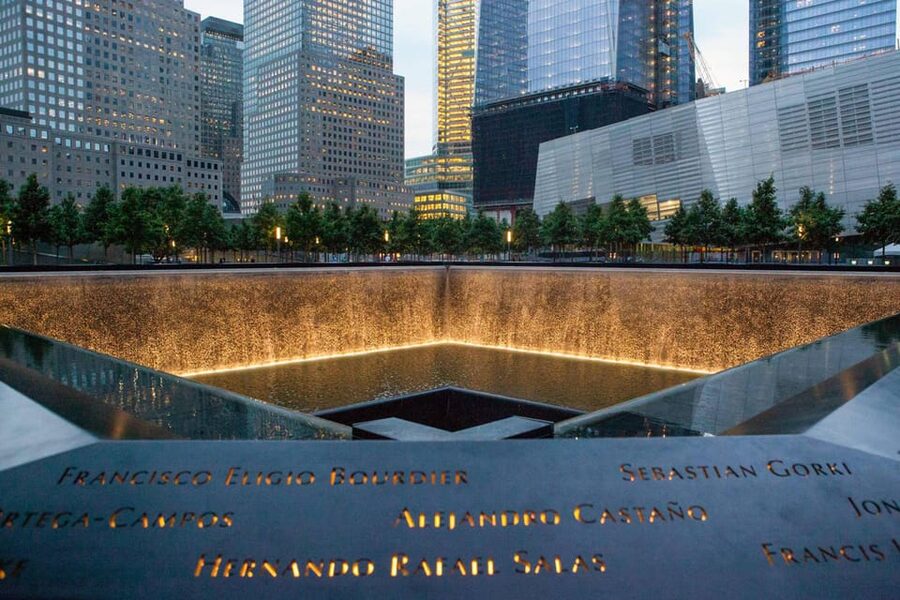
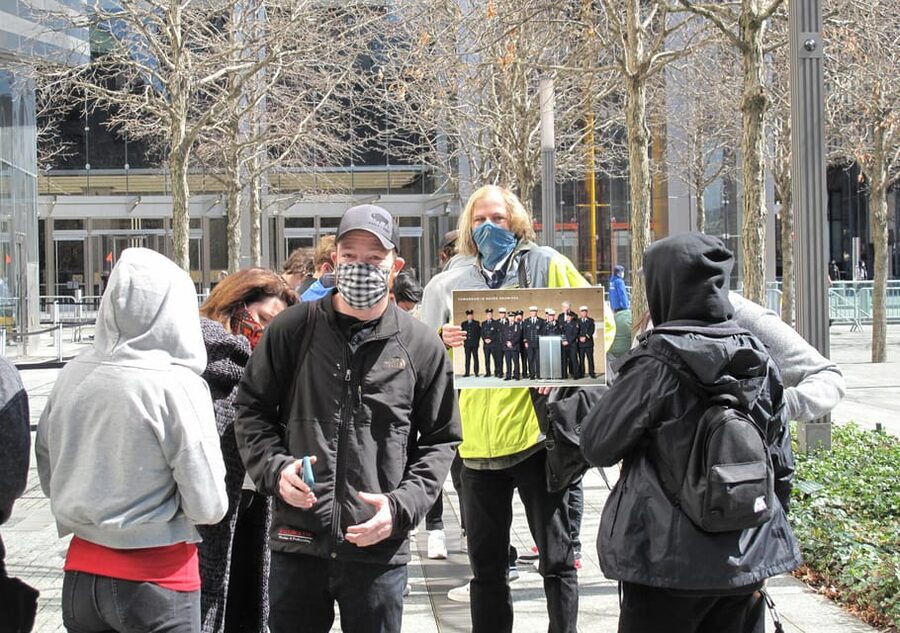
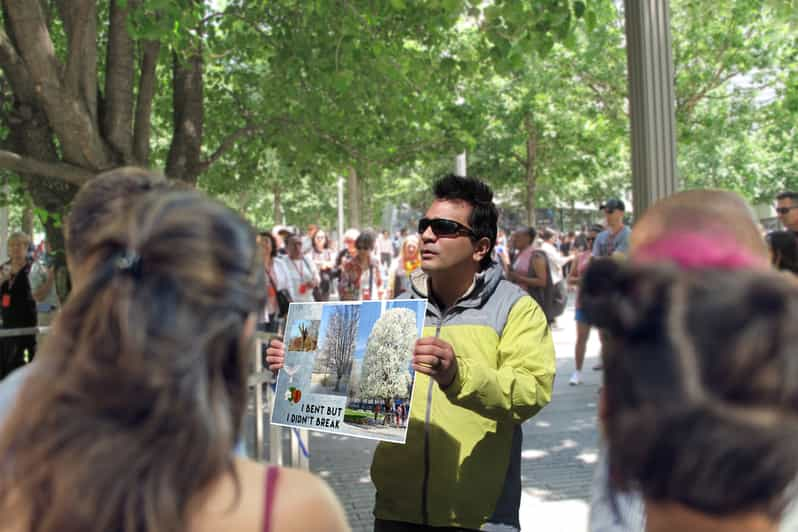
The heart of the experience is the two-hour guided walking tour through the World Trade Center complex area. This is where the event becomes real in a way that you can’t get from a website or a quick stop. The guide follows the path taken by first responders and zeroes in on how people in Stairwell B withstood the collapse while still inside the building.
The stories are specific, and that specificity is what makes the walk stick. You’re not just told that there was bravery. You’re shown how the situation unfolded and how different choices and conditions shaped what happened next. The highlights you’re likely to hear include the Angel of Stairwell B story and the mention of the 9/11 Surfer who rode the long descent of imploding debris.
A big plus is that the guide uses photos and memoirs to walk you through the timeline. Several guides in this tour’s orbit (names like Andrew, Richard, Chris, and Tyrell come up) are described as clear in delivery, open to questions, and willing to share the small details you might miss on your own. Some guides also bring a controlled touch of humor, which can help when the subject matter gets heavy. The goal is not to lighten the tone. The goal is to keep you able to follow the story without losing your footing emotionally.
A practical note: because it’s a guided walk, you’ll want comfortable shoes. This is not the time for blisters. You’ll likely be standing and looking often, not just strolling.
Memorial Plaza After the Walk: Where the New Complex Fits In
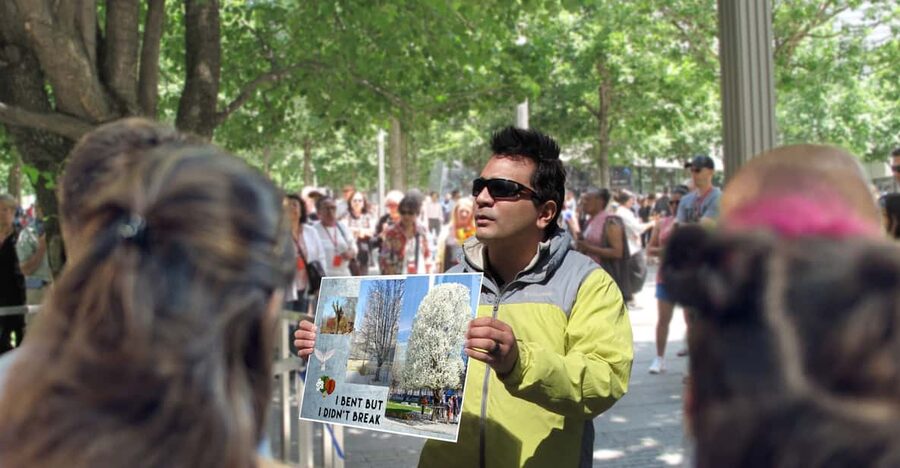
After the guided portion, the tour ends at Memorial Plaza. This is a useful transition. During the walk, you’re following events and locations tied to what happened. At Memorial Plaza, you shift into the context of what came next.
You’ll learn how the new World Trade Center complex was designed and constructed. That part matters because NYC doesn’t just rebuild buildings. It rebuilds meaning. And even if you already know that the site changed dramatically, it helps to understand the planning mindset behind what you see today.
This is also the moment to start shaping your own Museum timing. Since you’ll go on your own from here, you can decide how long you want at the Memorial area before you head inside. If you’re the type who needs a buffer after a moving experience, Memorial Plaza gives you a natural place to pause.
Your Self-Guided National 9/11 Memorial Museum Plan
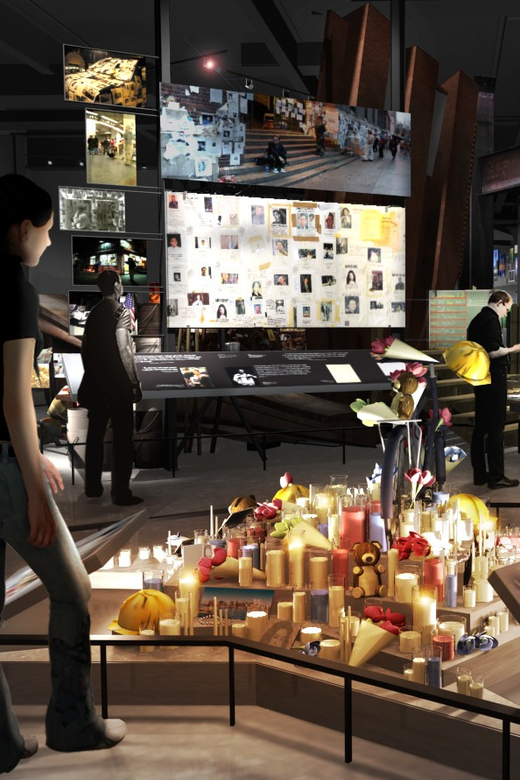
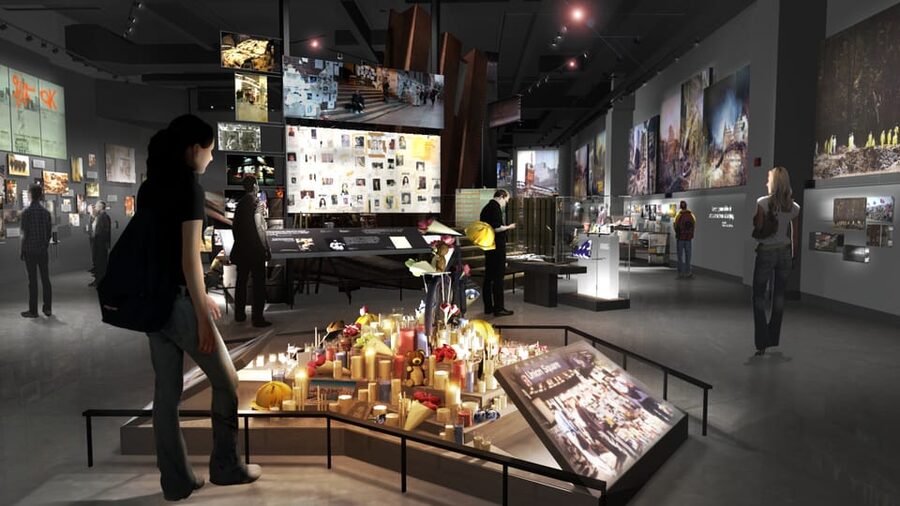
The National 9/11 Memorial Museum admission ticket is included, and you’ll enter on your own after the walking tour. That’s not a drawback if you go in with a plan. The Museum can feel like a lot, and self-guided time lets you focus where your attention pulls you.
What helps here is that the guided walk sets up what you’ll see. You’re primed to connect the stories from Stairwell B and the surrounding events to the objects and evidence inside. The Museum visit is designed around artifacts found in the wreckage from the former Twin Towers, including the mention of planes that hit the towers. That’s the kind of concrete detail that makes the story less abstract.
If you like structure, create simple goals for yourself:
- Pick 2 or 3 sections to linger in, instead of trying to see everything equally.
- Take breaks if you need them. This Museum is built for reflection, and your attention may slow down when you reach more intense sections.
- Use the guided walk as your timeline anchor, so you don’t feel lost.
One practical detail: the Museum portion includes skip-the-ticket-line benefits through the overall package. That can save you time when lines snake around the site.
One World Observatory: The 47-Second Elevator and Clear-Day Views
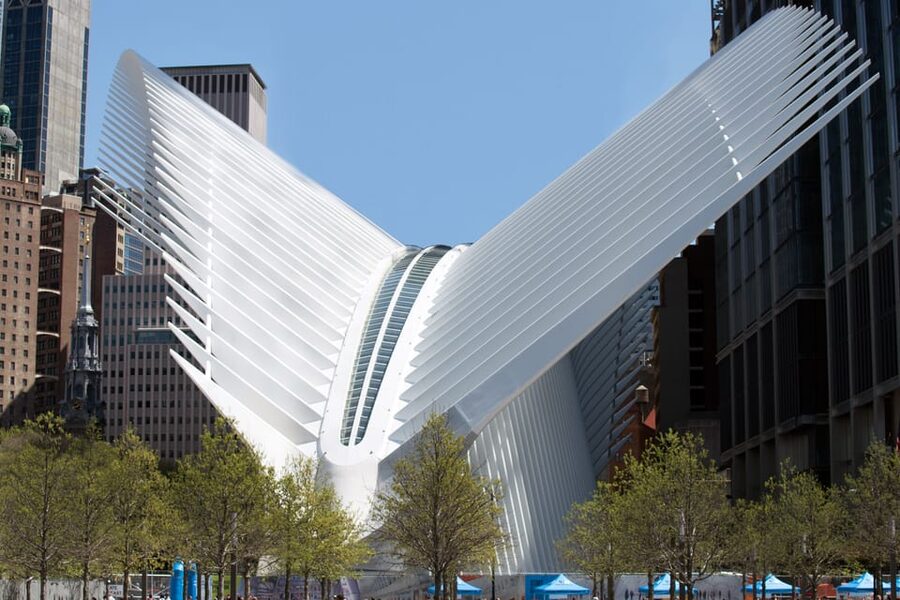
After the Museum, you continue to One World Observatory, still self-guided, until closing time. This part is different in tone, and that contrast is part of why the tour works.
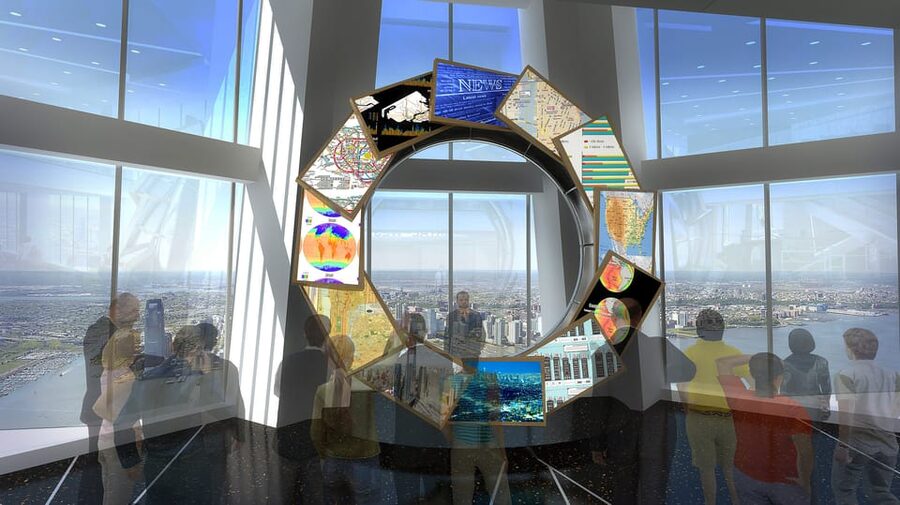
First, there’s the elevator. You take a 47-second ride up to the observation deck. The monitors during the ride show the transformation of Manhattan as you go. It’s a short, high-impact moment where you feel the vertical shift from the Ground Zero story to the city’s ongoing life.
Then you get the views. On a clear day, you can see up to four different states from the deck. Even if the weather isn’t perfect, it’s still a chance to look at New York from the place where the city’s scale becomes obvious again. The key is to hold both ideas in your head at once: the place carries enormous loss, and the city continues to exist around it.
Security is the one part you should take seriously. You’ll need to pass through airport-style security to enter the Observatory, and during high season the wait can be up to 20 minutes. That doesn’t mean it’s a disaster. It means you should avoid arriving flustered and you should plan your internal timing so you’re not rushing at the very end.
Price and Timing: Is $132 Good Value?
At $132 per person for a 390-minute (about 6.5 hour) block, this price is mostly paying for three things bundled together:
- a 2-hour guided walking tour of the key Ground Zero areas,
- Museum admission, and
- One World Observatory admission.
You’re also getting skip the ticket line for the included attractions, which is a real time-saver at a busy site. When you factor in that the Observatory has security screening and the Museum has a lot to process, the longer total time makes sense. This isn’t a quick hit. It’s built for the pace of a reflective visit.
The value angle for me is the pairing: you don’t just read about what happened, and you don’t just stare at a skyline. You connect the locations, then you see the preserved evidence, then you end with a view that puts the modern city back into focus.
If your schedule is tight or you dislike self-guided time, the tour might feel like too many modes: guided walking first, then two self-guided attractions. But if you’re okay managing your own museum pacing, it’s a solid use of time.
What the Guide Style Adds (and Why It Matters)
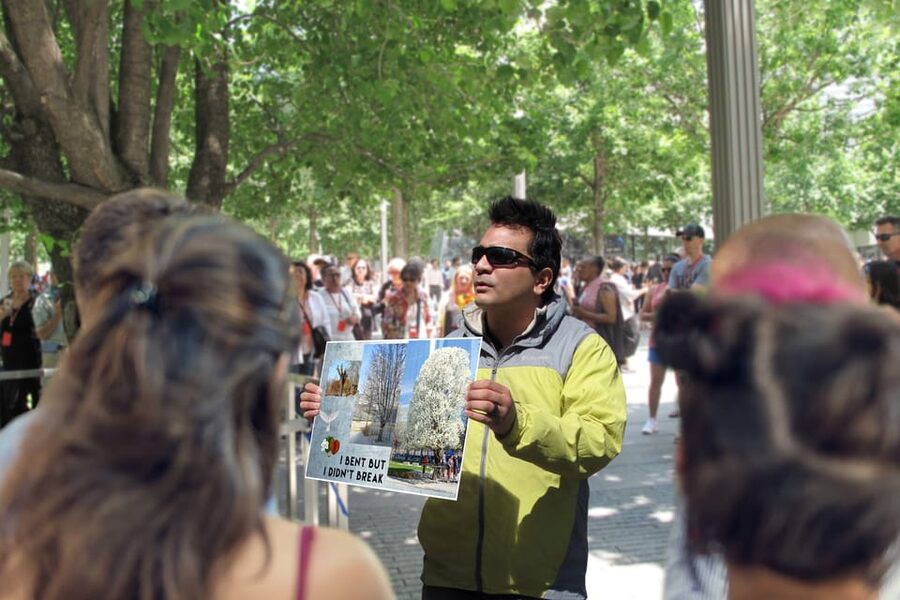
The walking portion is where you’ll feel the biggest difference between an organized tour and an independent wander. The guide doesn’t just recite facts. The best guide moments here come from the way they handle three things:
- clear speaking (so you can hear every key location),
- pictures and memoir references (so the story becomes visual), and
- room for questions (so you can clear up confusion immediately).
Some of the tour leaders people have encountered by name include Andrew, Richard, Chris, and Tyrell. The common thread described is a mix of careful explanation and engagement, with guides also being mindful about not duplicating what you’ll already see in the Museum or the Observatory. That keeps the guided time from turning into a preview of every exhibit.
I like this approach because it protects your Museum visit. If the Museum were already fully explained during the walk, you’d feel like you’re repeating. Instead, you walk in with a clearer sense of context, then you choose what to focus on.
Who This 9/11 Tour Fits Best
This is a strong match if:
- you want a guided orientation for the on-site story before you enter the Museum,
- you prefer a route that mixes history and the present skyline,
- and you’re willing to self-guide for the Museum and Observatory portions.
It may not fit as well if:
- you need every minute tightly guided and don’t want any planning responsibility,
- or you’re highly sensitive to long emotional content and would rather do only one attraction.
For families, the length can be a factor, but one key advantage is that the experience can work for younger people too. People have specifically noted that the site and Museum visit can hold attention even for teens, especially because the walk includes concrete details and then the Museum provides physical artifacts.
Should You Book This Tour?
I’d book this if you want the best of both worlds: a moving Ground Zero walkthrough with specific Stairwell B framing, followed by a Museum visit centered on wreckage artifacts, and capped with a clear-day chance to see far beyond NYC from One World Observatory.
I’d think twice only if you hate self-guided pacing or you’re arriving during high season when security waits at the Observatory can stretch to around 20 minutes. If you’re flexible and you like a structured day with room to breathe, this one is a worthwhile use of a half day in New York.
FAQ
What’s the total time for this NYC 9/11 tour?
The duration is listed as 390 minutes, which includes the guided walking portion plus your self-guided time at the Museum and the One World Observatory.
Where do we meet for the tour?
Meet at Starbucks Coffee Shop at 20 Dey Street.
Are the 9/11 Museum and One World Observatory guided?
No. The 2-hour guided walking tour is with a live guide, but the National 9/11 Memorial Museum and One World Observatory portions are self-guided.
What’s included in the ticket package?
You get the 2-hour guided walking tour plus admission tickets for the National 9/11 Memorial Museum and One World Observatory. The package also notes skip the ticket line.
Is there security to enter the Observatory?
Yes. You’ll need to pass through airport-style security to enter the Observatory, and in high season the wait can be up to 20 minutes.
Is the tour wheelchair accessible?
Yes. The experience is listed as wheelchair accessible.