REVIEW · LOS ANGELES
Los Angeles: Holocaust Museum LA Admission Ticket
Book on GetYourGuide →Operated by Holocaust Museum LA · Bookable on GetYourGuide
A visit here changes the way you think. Holocaust Museum LA, founded by survivors in 1961, uses powerful storytelling and interactive tech in the middle of Pan Pacific Park.
I really like how the museum pairs big-picture education with human moments—especially the holographic “eternal survivor” experience where you can ask questions and get responses. I also appreciate the care put into the collection itself, including the West Coast’s largest collection of rare Holocaust-era artifacts, which makes the history feel specific rather than vague.
One thing to consider: the galleries deal with very heavy material. Also, you can’t bring food or drink into the galleries (water is the exception), so plan ahead to stay focused and comfortable during security and your visit.
In This Review
- Key things that make Holocaust Museum LA hit hard (and on purpose)
- Finding Holocaust Museum LA in Pan Pacific Park (and getting your bearings fast)
- Tickets, security, and the $10 Grove parking trick
- The museum’s “route”: start with the audio tour, then follow the exhibits
- The holographic eternal survivor experience: questions with real emotional weight
- West Coast rare artifacts: why physical objects matter here
- Audio tour narration by Mayim Bialik: clear guidance, respectful pacing
- Weekends: free docent-led tours at 1:30 PM
- Rules that shape your comfort level: food, water, and photography
- Price value: is $15 worth it?
- How long to plan for and how to avoid rushing
- Should you book Holocaust Museum LA admission?
- FAQ
- Where is Holocaust Museum LA located?
- How much does admission cost?
- What does my admission ticket include?
- What languages is the audio guide available in?
- Is there an interactive holographic experience?
- Are docent-led tours available?
- Can I take photos or record video?
- Are food and drinks allowed inside?
- Do I need ID to enter?
Key things that make Holocaust Museum LA hit hard (and on purpose)
- Holographic eternal survivor conversation: an AI-style interaction designed for learning, not shock.
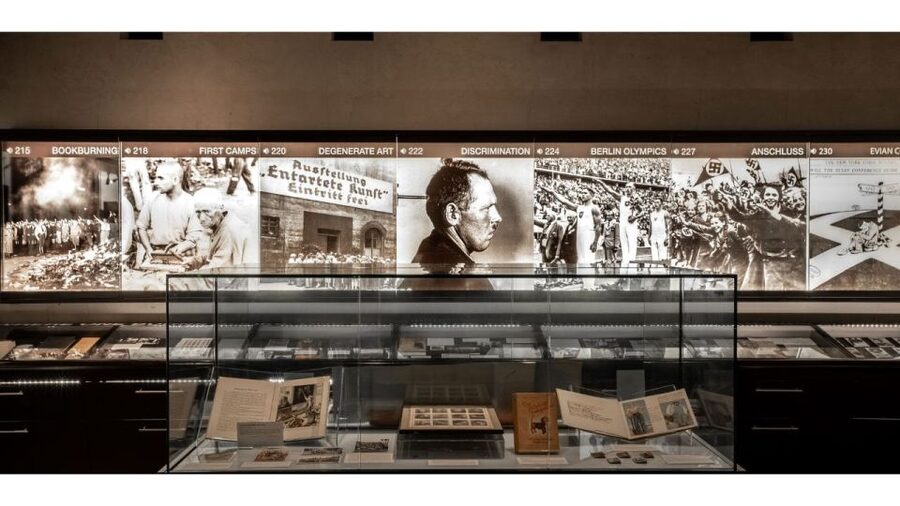
- West Coast rare artifacts collection: everyday objects and materials that ground the story.
- Audio tour with actress Mayim Bialik: clear guidance that helps you move at your own pace.
- Saturday and Sunday docent tours at 1:30 PM: structured context when you want it.
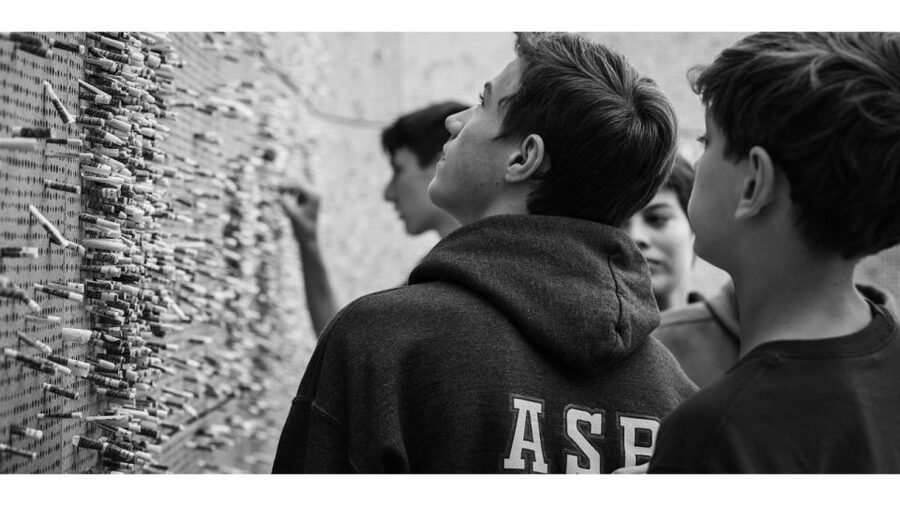
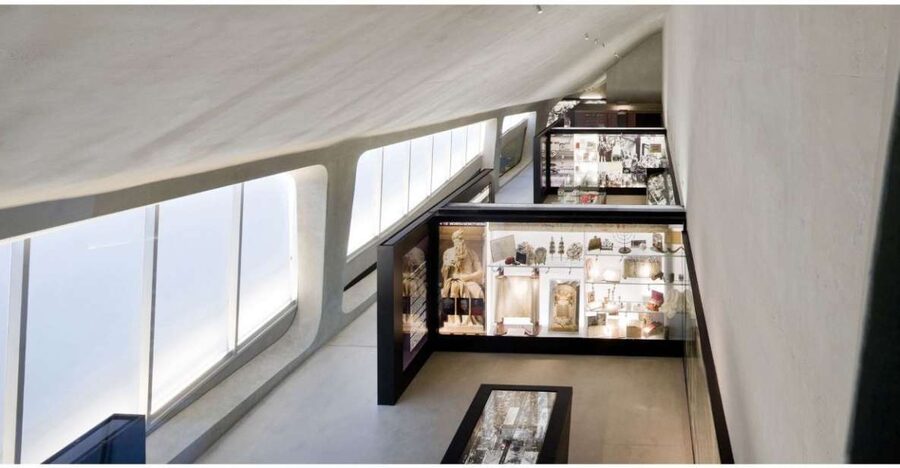
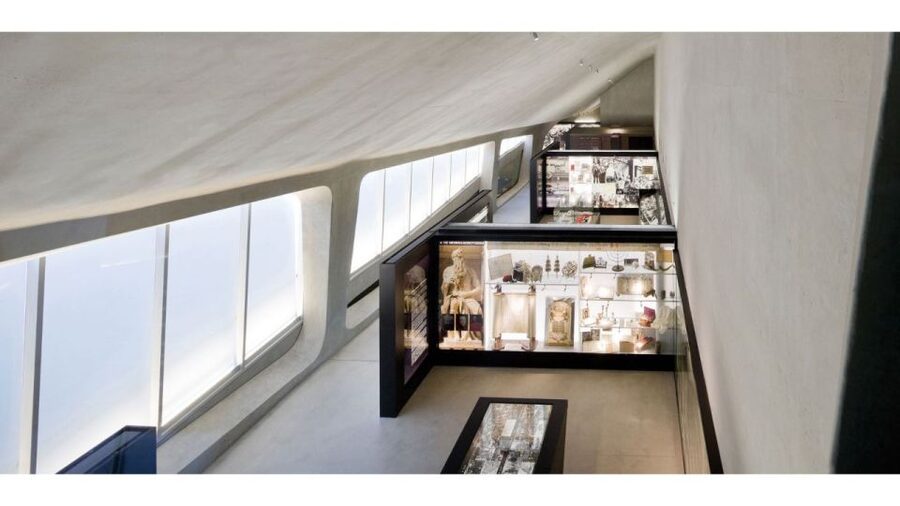
- Architectural design that guides your journey: the building itself feels like part of the lesson.
- Photography allowed without flash: you can capture memories for later without interrupting others.
Finding Holocaust Museum LA in Pan Pacific Park (and getting your bearings fast)
Holocaust Museum LA is in the northwest corner of Pan Pacific Park, just south of the Post Office and across the street from The Grove shopping center. That matters because the museum sits in a part of LA that’s easy to reach and easy to build into a day.
Before you go in, I’d give yourself a few minutes to slow down and orient. The setting is calm on the surface, but the experience inside is not. That contrast is part of what makes the museum effective: you arrive in a normal LA environment, then you step into a space built to take you through war, cruelty, responsibility, and the hard-earned hope that comes after.
The basics are straightforward: you’ll enter, go through security, and then the museum is set up so you can follow the path at your own speed using the included audio guide.
A few more Los Angeles tours and experiences worth a look



Tickets, security, and the $10 Grove parking trick
Admission is $15 per person, and your ticket is valid for 1 day. That’s a smart setup if your LA schedule is flexible—you’re not trapped into a single timed entry just to make the math work.
Expect a standard security check. All visitors must pass through security, bags may be searched, and the museum can refuse entry if something isn’t allowed. Plan to travel light and avoid any hassle if you can. Also, no weapons or hazardous materials are allowed.
Parking is available nearby at The Grove parking structure. The preferred day rate is listed as $10 per vehicle if you present a museum sticker at The Grove Concierge desk. If you’re driving, this is one of those small details that can save you real money and stress—do not assume the deal is automatic.
Bring a passport or ID card. It’s a requirement, and it’s the kind of thing that can derail your day if you forget it at home or in a hotel safe.
The museum’s “route”: start with the audio tour, then follow the exhibits
Once you’re through security, the museum experience is designed around learning in a sequence. You’ll have an audio guide device and headphones included, in English and Spanish, which is a huge help if you want structure without feeling locked into a group tour.
I like this approach because it respects how people actually travel. Some visitors want to read and reflect longer in certain rooms; others want to keep moving and catch the overall story first. The audio guide gives you that support, so you’re not just staring at artifacts wondering what you’re supposed to notice.
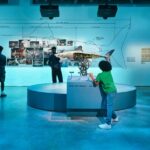
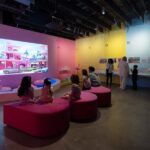
The museum’s architecture plays along with your movement, too. The design is meant to transport you through the emotional logic of the story—war, hope, cruelty, and responsibility—so you’re not only learning with text and objects. You’re experiencing the journey.
If you want a practical strategy: do the audio tour straight through at a steady pace once, then if you still have energy, circle back to the parts that left the strongest impression.
The holographic eternal survivor experience: questions with real emotional weight
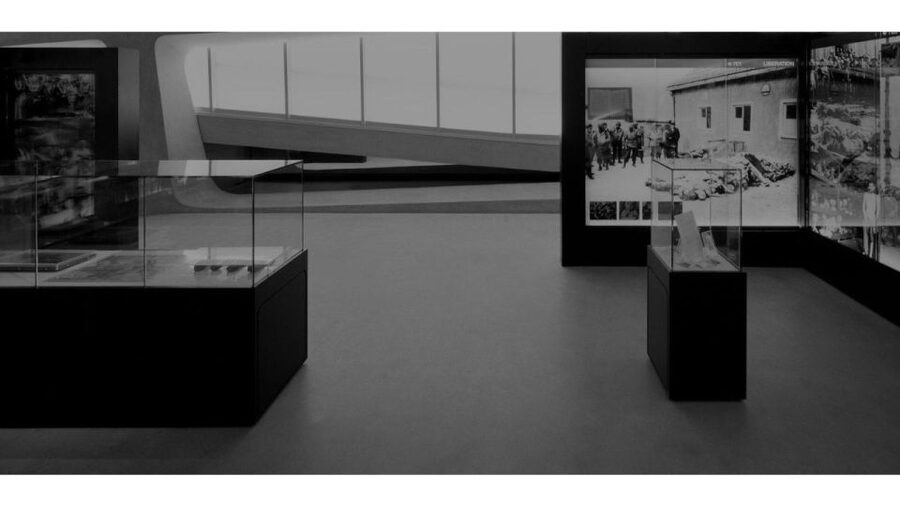
One of the most praised parts is the holographic experience with an “eternal survivor.” This is not presented as entertainment. It’s built to make remembrance feel interactive—like the museum is letting you ask, then respond, then think again.
In the experience, you can converse and ask questions, and the answers are designed to guide you from simpler questions toward more complex ones. That matters because it helps you meet the museum where you are. If you don’t know where to start, you can start small. If you’ve been studying the topic, you can push further.
Why I think this works: it turns history into a relationship. You’re not only reading about someone’s life; you’re hearing guidance that forces you to confront what happened and why it matters. And because it’s holographic, it’s also a reminder of what time takes away—and why museums like this exist in the first place.
This part can feel intense. If you’re sensitive to emotionally heavy content, plan for a pause right before or right after, not right in the middle.
West Coast rare artifacts: why physical objects matter here
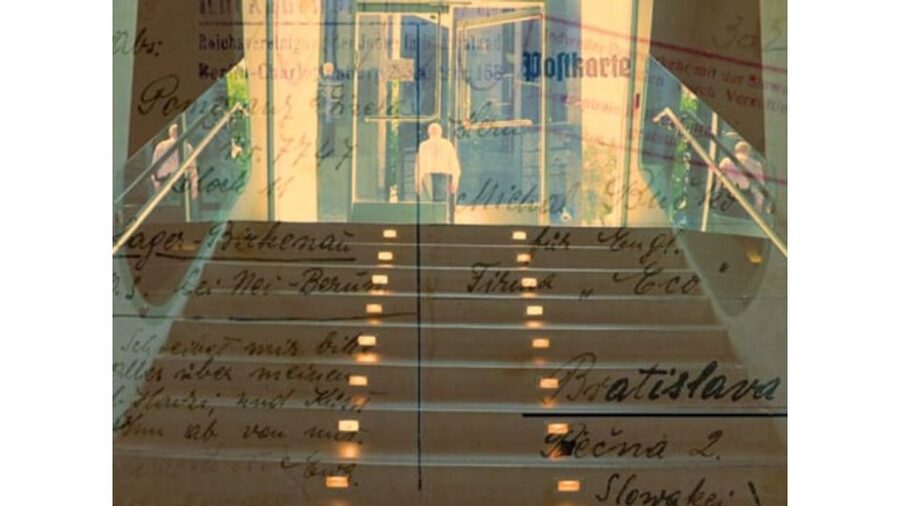
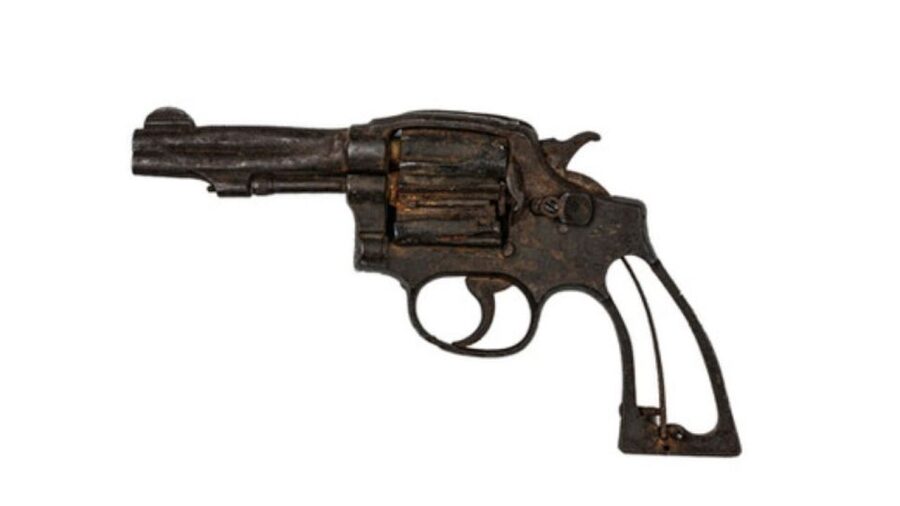
Another major highlight is the museum’s collection of rare Holocaust-era artifacts. The museum highlights that it has the West Coast’s largest collection of these kinds of materials. That’s a strong reason to come even if you’ve been to other Holocaust-related exhibits—physical objects can make the story feel less distant.
Artifacts have a different job than photos or text. They don’t just describe events. They imply daily life—what people wore, used, and carried, and how systems of persecution touched ordinary routines. When you’re looking at something that a real person once handled, it changes the way the history lands in your mind.
If you’re the type who learns by seeing details, you’ll likely spend longer here. If you tend to skim, this is still worth slowing down for, because the most important context often shows up in the small specifics.
Also, you’re allowed personal photography/video/audio without flash. That’s helpful if you want to remember details from the exhibits later—but of course, keep your focus on the room, not your camera.
You can also read our reviews of more museum experiences in Los Angeles


Audio tour narration by Mayim Bialik: clear guidance, respectful pacing
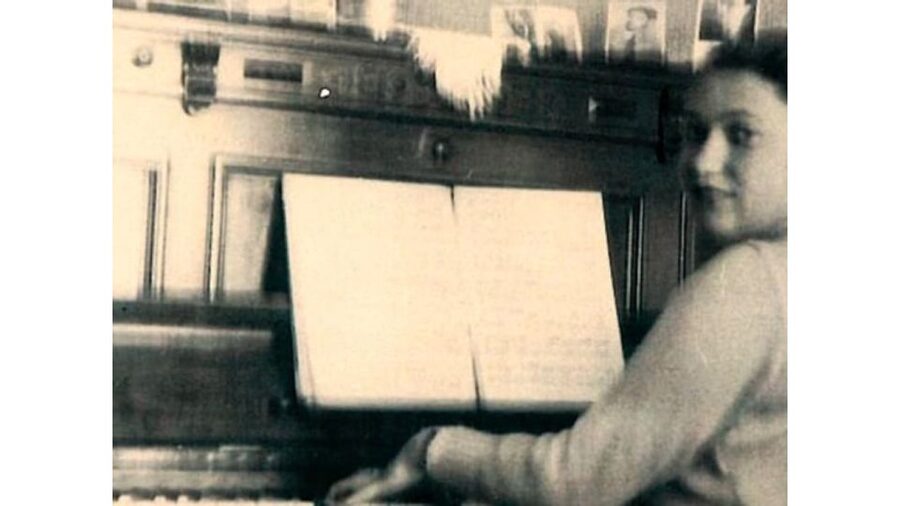
The museum’s audio tour is narrated by actress Mayim Bialik, and it’s one of those choices that helps the museum stay readable without becoming simplified. A strong voice matters in a museum like this. It keeps the story moving while giving you enough space to absorb what you’re seeing.
What I like about this setup is control. You can pause, rewind in your mind, and adjust your pace. For many people, that’s exactly what you want with Holocaust history: time to think, not just time to pass through.
Also, because the museum provides audio in English and Spanish, you’re not stuck if you’re traveling as a mixed-language group. And from real on-site experience described by visitors, you may find free Wi‑Fi available—useful for quick background reading or saving notes as you go.
One more practical point: plan to use the headphones early. If you wait until later, you might lose the thread of what the museum wants you to notice first.
Weekends: free docent-led tours at 1:30 PM
If you’re visiting on a Saturday or Sunday, you can catch a free docent-led tour at 1:30 PM. This is a great add-on if you like human explanation—someone pointing out what’s easy to miss and connecting the objects to the bigger lessons.
I’d treat the docent tour as a second layer. Do your main audio experience first if you want a full sequence. Or, if you prefer structure right away, you can start earlier and then use the docent tour to add context before you go deeper.
Docent tours are also a good choice if you’re visiting with people who want dialogue. Even without technical details, a docent can help you frame what you’re looking at in a way that makes the museum’s message clearer.
Rules that shape your comfort level: food, water, and photography
This is a museum where rules are there to protect the experience.
- Eating and drinking are not allowed in the gallery (water is the exception).
- Photography, video, and audio recording are allowed for personal use without flash.
If you’re planning your day in LA, don’t schedule the museum right after a big snack-and-go. Instead, grab water nearby and keep the museum time as a focused, low-distraction block.
Also, because security checks happen at the entrance, keep your bag small and simple. It’s not just about avoiding trouble. It’s about getting your brain into the right mode fast.
Price value: is $15 worth it?
At $15 per person, the value is strong—especially because your ticket includes not only entry but also the audio guide device and headphones.
Here’s the honest way to think about it: you’re paying for access to education, artifacts, and a distinctive interactive component (the holographic eternal survivor conversation). Many museums can charge more for entry alone; here, a key learning tool is included from the start.
If you’re comparing based on what other major Holocaust sites teach, the museum’s structure aims to give you a broad overall understanding—helpful if this is your main Holocaust stop on the West Coast. And if you’re planning other visits in the future, this one works well as a foundation because it focuses on evidence, responsibility, and the human consequences of choices.
How long to plan for and how to avoid rushing
Your ticket is valid for 1 day, but that doesn’t mean you should speed-run it. Holocaust Museum LA is the kind of place where your best learning comes from slowing down at the moments that stick.
Here’s a pacing plan that works for most people:
- Do the audio tour once to build the story.
- Spend extra time on the artifact areas.
- If the holographic experience moves you, give yourself a buffer afterward so you can process what you just heard.
You might also choose to return to sections you find especially meaningful. The museum is designed for you to move in a way that supports thinking, not just checking boxes.
Should you book Holocaust Museum LA admission?
If you want an LA experience that’s serious, human, and built for learning, I think this ticket is worth booking. The combination of Mayim Bialik’s audio tour, the holographic eternal survivor interaction, and the museum’s focus on rare artifacts makes it a strong stop whether you’re starting your study journey or adding depth to what you already know.
Book it if:
- you want a guided experience without being stuck in a rigid group format
- you’re drawn to artifact-based history
- you can handle emotionally heavy subject matter respectfully
Skip it (or choose a lighter day) if:
- you’re not ready for intense themes
- you hate museums that require you to read, listen, and sit with difficult questions
If you do book it, go in with a simple goal: don’t just learn what happened—try to understand what the museum says we’re responsible for now.
FAQ
Where is Holocaust Museum LA located?
It’s in the northwest corner of Pan Pacific Park, just south of the Post Office and across the street from The Grove shopping center.
How much does admission cost?
The price is listed as $15 per person.
What does my admission ticket include?
Your ticket includes entry to Holocaust Museum LA plus an audio guide device and headphones.
What languages is the audio guide available in?
The audio guide is available in English and Spanish.
Is there an interactive holographic experience?
Yes. The museum includes a holographic experience where you can converse with an “eternal survivor.”
Are docent-led tours available?
Yes. Free docent-led tours run on Saturdays and Sundays at 1:30 PM.
Can I take photos or record video?
Personal photography, video, and audio recording are permitted without flash.
Are food and drinks allowed inside?
Food and drinks are not allowed in the gallery (water is allowed).
Do I need ID to enter?
Yes. You should bring a passport or ID card.