REVIEW · ADRIEN DUBOUCHE NATIONAL MUSEUM
Limoges: Musee National Adrien Dubouche Ticket
Book on GetYourGuide →Operated by Cultival · Bookable on GetYourGuide
18,000 porcelain pieces and bright calm rooms. The Musée National Adrien Dubouché is one of those rare museums where Limoges porcelain isn’t just shown, it’s explained—right down to the materials and how the craft works. I especially like the clear focus on how porcelain is made, and the way the museum lets you roam slowly through centuries of pieces; the only real drawback is that the second-floor layout can feel a bit confusing if you don’t keep an eye on your route.
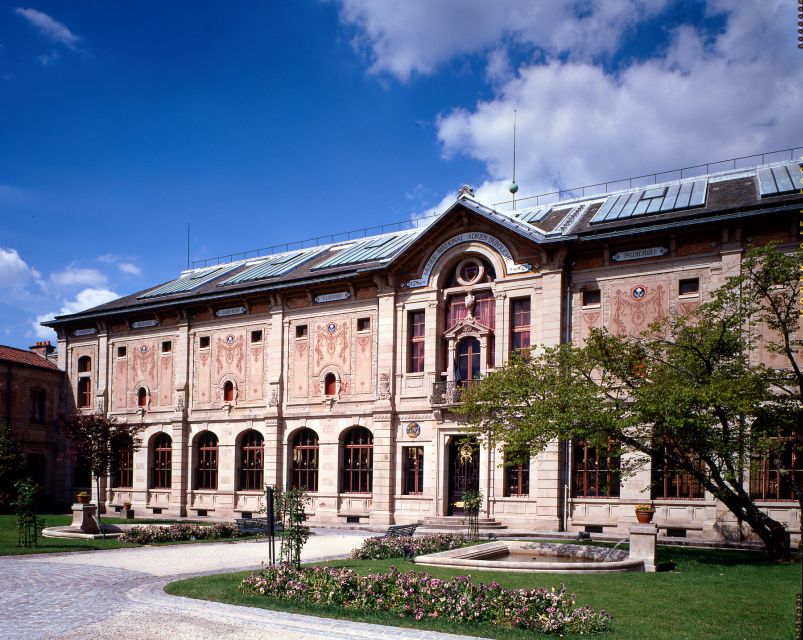
You’re also visiting inside an important historic building: the Italian-style façade is listed as a historical landmark (1992). The museum is organized into four distinct areas, so even if you’re not a porcelain expert, you can still follow the story without feeling lost—just plan roughly 3 to 3.5 hours if you want to enjoy it.
In This Review
- Key Points to Know Before You Go
- Limoges Porcelain at Its Best: What This Museum Actually Feels Like
- Finding the Right Time Slot: Hours and When to Go
- Getting There: Address and Where to Start Your Visit
- École d’arts décoratifs Classrooms: The Setup That Helps You Understand Everything
- Art Nouveau Halls: See the Style Without Losing the Craft
- Porcelain-Making Techniques Room: Where the Explanations Make You Care
- Galleries for the Finest Porcelain Artworks: Centuries in a Single Route
- A Practical Route if the Second Floor Feels Confusing
- Price and Value: Is $8 Worth 18,000 Pieces?
- What You Should Plan Around: Bags, Food, and Your Time
- Should You Book the Limoges Musée Adrien Dubouché Ticket?
- FAQ
- What is included in the Musée National Adrien Dubouché ticket?
- Where is the museum located?
- How long can I spend there?
- What are the museum opening hours?
- When is the museum closed?
- Are large bags allowed inside?
Key Points to Know Before You Go
- 18,000-plus pieces: enough variety that you’ll want to pick themes as you walk.
- Craft-focused rooms: you’re not only looking at objects; you’re learning the logic behind them.
- Four museum zones: classrooms, Art Nouveau halls, techniques, and top-tier porcelain artworks.
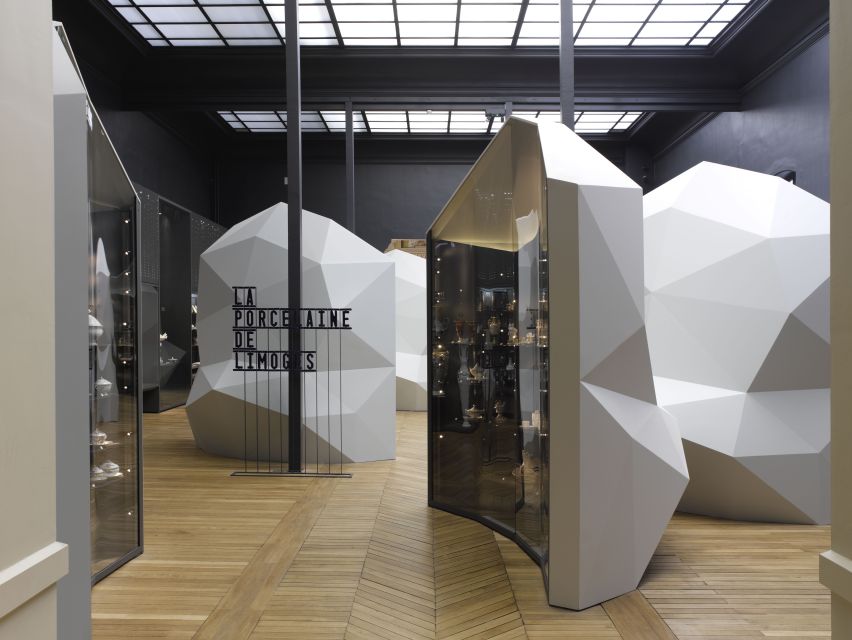
- Light and space help: the museum feels calm, and you can take your time.
- Second-floor patience: if you get a little turned around, reset by returning to the techniques area.
Limoges Porcelain at Its Best: What This Museum Actually Feels Like
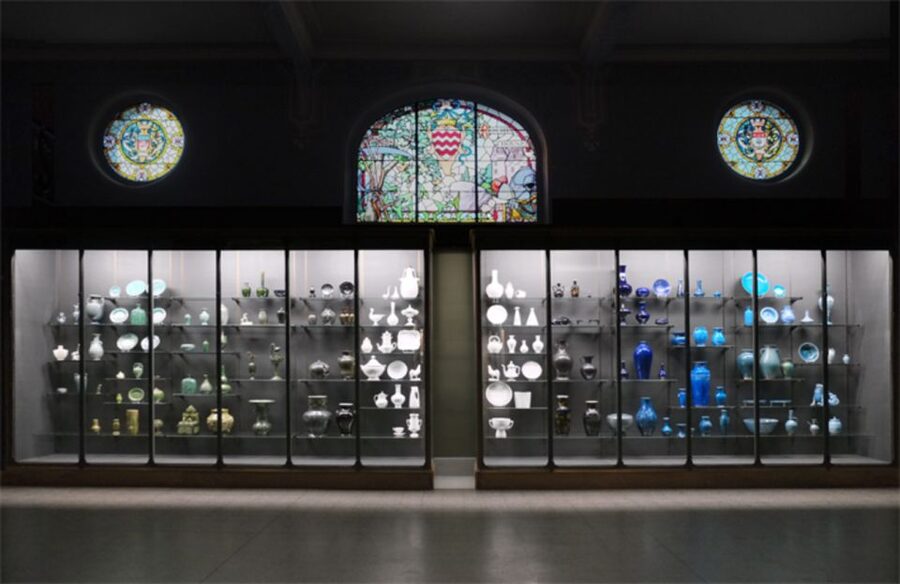
If you like museums where the collections feel practical and readable, this one works. The Musée National Adrien Dubouché holds the largest public collection of Limoges porcelain in the world, and it’s displayed in a way that makes it easier to connect objects to time periods and techniques.
I love that you’re not stuck rushing. You can spend the day moving at your own pace, which matters here because 18,000 pieces sounds impossible—until you realize you’re seeing them as a curated, room-by-room experience. One good rhythm is to start curious, then slow down once you find the galleries that match your interests.
Also, the museum setting helps. Visitors describe it as clear and full of light, with a particularly nice experience on the upper levels. That makes a big difference when you’re looking closely at surface details, colors, and decorative work.
Finding the Right Time Slot: Hours and When to Go
The museum is open daily except Tuesdays. Main hours are 10:00–12:30 and 2:00–5:45, so you’ll want to plan around that split day schedule.
If you can, I suggest arriving close to opening. Not because you need speed, but because it’s easier to settle into the flow of rooms when you’re not trying to beat late-day crowds. And if you like a more relaxed pace, you can easily do one longer block in the afternoon and let your time expand naturally as you discover techniques and artwork that hold your attention.
Before you go, note that it’s closed on December 25 and January 1. If your trip is around the holidays, this is the kind of detail that saves time.
Getting There: Address and Where to Start Your Visit
You’ll meet your visit at:
Musée National Adrien Dubouché – 8 bis place Winston Churchill, 87000 Limoges
Since this is a self-paced museum ticket, your best move is to use the address as your anchor and then build the day around the museum’s two opening windows. Limoges is a city where you can easily pair this with a walk after your visit, but the museum itself is enough to fill a focused half to full day.
École d’arts décoratifs Classrooms: The Setup That Helps You Understand Everything
One of the smartest parts of this museum experience is that it starts you in old classrooms linked to the École d’arts décoratifs. That matters, because ceramic art isn’t just decoration. It’s training, materials, tools, and repeatable steps.
In these classroom spaces, you’ll get a calmer entry into the world of ceramics before you hit the higher-impact display rooms. Even if you’re not reading every caption, the overall logic is easier: you’re moving from teaching and making toward finished decorative work.
Practical tip: give yourself a few minutes here before you rush to the “pretty stuff.” Once you understand how the museum is framing learning and craft, the rest of the visit lands better.
Art Nouveau Halls: See the Style Without Losing the Craft
Next you’ll spend time in halls devoted to Art Nouveau. This is where the collection becomes easier to appreciate visually, because the movement’s look is designed to be seen.
What I like about this section is the balance of style and technique. You’ll be able to connect decorative choices to the culture of the period, rather than treating porcelain like a frozen object in time. It’s also a good place to slow down, because you can compare shapes, decorative motifs, and how the overall design carries across different pieces.
If the earlier classroom areas taught you the “system,” Art Nouveau helps you see how the system becomes personality. That’s what makes this museum feel more useful than a simple showcase.
Porcelain-Making Techniques Room: Where the Explanations Make You Care
The porcelain and ceramic-making techniques room is the section you’ll remember if you want context, not just objects. This is where the museum leans into materials and process, and it’s the reason many visitors say the museum is especially interesting.
The most helpful part is that you learn to look beyond the finished surface. You start noticing what’s going on beneath the decoration: the logic of materials, the steps that shape the final result, and the choices that affect what you see in the gallery.
If you ever feel tempted to treat the museum like a long photo walk, make time for this room anyway. Even short stops here can change how you read the rest of the collection.
Galleries for the Finest Porcelain Artworks: Centuries in a Single Route
After techniques, the museum leads you into halls dedicated to the finest porcelain artworks. This is where the collection really flexes—pieces are presented through the long arc of ceramics, from early periods to more recent work.
If you enjoy craftsmanship, this section is a highlight. One review praised the beautiful pieces presented across centuries, and you can feel that range as you move from room to room. The display approach makes it possible to appreciate both artistry and historical development without needing specialist knowledge.
Also, pay attention to the building experience itself. The museum is described as bright, and visitors note that upper floors can be especially pleasant for viewing. When lighting is good, it’s easier to spot the details that make porcelain feel different from other ceramics.
A Practical Route if the Second Floor Feels Confusing
One caution from real experience: the second floor can feel a bit confusing at times. That doesn’t mean it’s hard to enjoy. It means the pacing can break your concentration if you lose track of where you are in the story.
Here’s how I’d handle it. When you feel turned around, stop and go back to the section that explains process—the techniques room—then re-enter the artwork halls with a clearer goal, like comparing decorative styles or construction choices. This turns confusion into a kind of reset instead of a distraction.
If you like order, try this simple method: go room-to-room in sequence, and let the rooms you enjoy most guide your remaining time. You don’t have to see everything with equal intensity.
Price and Value: Is $8 Worth 18,000 Pieces?
At about $8 per person, this ticket is strong value, especially because you’re not buying a fast stop. You’re buying hours of self-paced viewing inside one of the world’s key Limoges collections.
The real value comes from how the museum teaches you to look. When you understand materials and making steps, each gallery feels more meaningful, and you don’t just move from one pretty display to another. That’s why people who take their time often end up staying longer—some suggest a 3-hour to 3.5-hour visit if you’re genuinely interested.
On top of that, entry can be free for several groups, including students under 26 and certain education or job-status categories. And there’s also free admission for everyone on the first Sunday of each month. If any of those apply to you, this becomes an even easier yes.
What You Should Plan Around: Bags, Food, and Your Time
A few practical notes will make your visit smoother.
Food and drinks aren’t included, so plan on bringing water or planning a snack break outside the museum. The museum ticket covers entry only, and there’s enough to see that you’ll likely want a small pause.
Also, luggage or large bags are not allowed. If you’re traveling light, great. If you’re carrying a bigger pack, you’ll need to adjust your day so you don’t arrive with something you can’t bring inside.
And yes, the museum is wheelchair accessible, so you can plan a route comfortably if you need that.
Should You Book the Limoges Musée Adrien Dubouché Ticket?
I think this is a smart booking if you like museums that explain craft, not just display objects. If you enjoy design history, ceramics, or you want a calm museum day with lots of room to move, the self-paced setup and the techniques focus make it feel genuinely worth your time.
It may be less perfect if you only have a very short attention window or you hate museum navigation that takes a few turns to settle into. Still, even in that case, the techniques room and the dedicated porcelain galleries give you clear payoffs.
If you’re in Limoges and want one strong, culture-rich stop, this is an easy pick. Give yourself those extra hours, and you’ll end up looking at porcelain like it has a story instead of just a pattern.
FAQ
What is included in the Musée National Adrien Dubouché ticket?
The ticket includes museum entrance only. Food and drinks are not included.
Where is the museum located?
The address is Musée National Adrien Dubouché, 8 bis place Winston Churchill, 87000 Limoges.
How long can I spend there?
The experience is designed as a 1-day visit, and the museum is self-paced. If you want time to really look, plan about 3 to 3.5 hours.
What are the museum opening hours?
The museum is open daily except Tuesdays, from 10:00–12:30 and 2:00–5:45.
When is the museum closed?
It is closed on December 25th and January 1st each year.
Are large bags allowed inside?
No. Luggage or large bags are not allowed.