REVIEW · POLISH AVIATION MUSEUM
Krakow: Polish Aviation Museum Skip-the-Line Ticket
Book on GetYourGuide →Operated by Discover Cracow · Bookable on GetYourGuide
Planes history comes alive on Krakow’s tarmac. This skip-the-line ticket gets you into the Polish Aviation Museum fast, where you can wander through 300+ aircraft and engine displays without queues, including rare aircraft artifacts. The only drawback to plan for is that parts of the museum can be closed for events, and some early displays may not have much in the way of other languages.
What makes this museum especially fun is that it’s not just “inside a building.” It’s set on a historic military airfield, with an Austro-Hungarian origin dating to 1912, so the setting feels like part of the collection. And if you’re into specific aircraft stories, you’ll find both German WWII-era hulls and the standout Grigorovich M-15 flying boat from 1916.
For value, this is hard to beat: the ticket is priced at about $7 per person and gives you a choice of visit timing across a validity window of 1–2 days (check the available start times). You won’t have a guide included, so you’ll rely mostly on the exhibits and signage, which is fine if you enjoy self-paced wandering.
In This Review
- Key Things to Know Before You Go
- Krakow’s Polish Aviation Museum: What Makes It Worth Your Time
- Skip-the-Line Ticket for About $7: Real-World Value
- Finding the Museum Site: Old Airfield, Easy Orientation
- Inside the Main Collection: 300+ Items of Aircraft and Engines
- German WWII Hulls: Halberstadt Cl.II or Roland D.IV
- The Grigorovich M-15 Flying Boat: A Rare Bird from 1916
- Open-Air Museum in the Soviet-Era Zone: Antonov AN-26 and PZL 130 Orlik
- The Best Way to Plan Your Time: 1–2 Days, but How Much Do You Need?
- Getting There in Krakow: Tram-Range and Walkable Layout
- Photo Rules and Small Comfort Wins
- Who This Ticket Is For (and Who Might Skip It)
- Using a Krakow City Pass? Quick Cross-Check
- Should You Book the Polish Aviation Museum Skip-the-Line Ticket?
- FAQ
- How long is the Polish Aviation Museum ticket valid?
- What does the skip-the-line ticket include?
- Does this ticket include a guide?
- What can I see with the ticket?
- What standout aircraft or artifacts are mentioned?
- Are flash photos allowed?
- Can I cancel for a refund or pay later?
Key Things to Know Before You Go
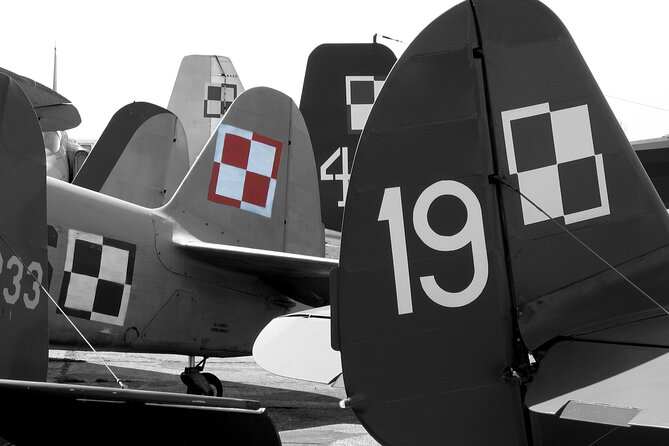
- Skip-the-line entry via a pre-paid ticket for hassle-free access
- 300+ aviation items focused on aircraft, engines, and aviation history
- German WWII aircraft hulls such as Halberstadt Cl.II or Roland D.IV
- One-of-a-kind early aviation: the Grigorovich M-15 Russian flying boat (1916)
- Open-air museum with Soviet-era machines like Antonov AN-26 and PZL 130 Orlik
- A real airfield setting on a site with Austro-Hungarian roots from 1912
Krakow’s Polish Aviation Museum: What Makes It Worth Your Time
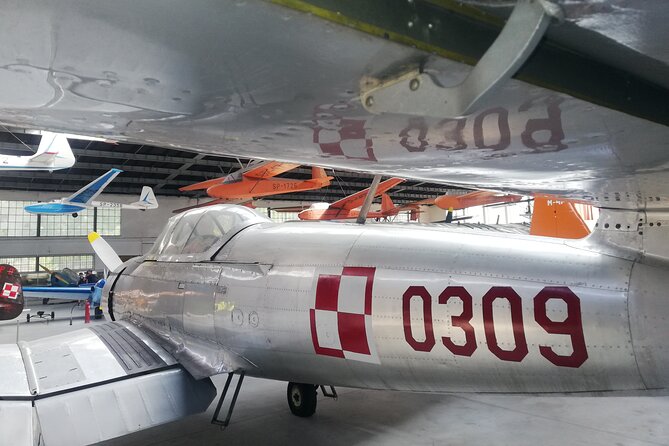
If you like aircraft at all, the Polish Aviation Museum in Krakow hits a sweet spot: it’s big enough to keep you moving, but not so huge that you feel lost. The skip-the-line ticket matters here, because you’re visiting a popular aviation site where the queue experience can slow you down.
I like the museum’s focus on actual hardware. This isn’t just models behind glass. You’re looking at aircraft-related artifacts and engine displays, plus you can walk around multiple areas at your own pace. That freedom is ideal if your group includes different levels of aviation interest, because you can spend longer where you personally geek out.
The setting helps, too. The museum sits on a former military airfield, and that detail changes the mood from a typical indoor museum. Instead of only “looking at planes,” you feel like you’re moving through an aviation world.
One more thing: you may find that not every room is open at every visit. Plan for that mentally. If a space is closed due to an event, you can still get plenty of value from the rest of the collection.
A few more Polish Aviation Museum tours and experiences worth a look
Skip-the-Line Ticket for About $7: Real-World Value
This ticket is simple: you pay once, then you get pre-paid admission that’s meant to keep you from wasting time in line. With a small price tag (around $7 per person), it’s an easy add-on if you’re already in Krakow for a couple of days.
What you’re buying isn’t a guided tour or a set itinerary. It’s entry plus access to the museum’s collection: over 300 aviation-related items, including aircraft and engines, plus the open-air museum section. In practice, that means you can tailor your visit around how fast you read and how long you linger at standout pieces.
Duration is flexible on paper: the ticket is valid 1–2 days, and starting times depend on availability. That structure is handy because Krakow schedules can shift—weather, late starts, or swapping museum plans are normal.
A note on expectations: the ticket does not include a guide. If you want someone to explain the full technical story behind each plane, you’ll be reading signs and captions yourself. For many people, that’s part of the fun.
Finding the Museum Site: Old Airfield, Easy Orientation
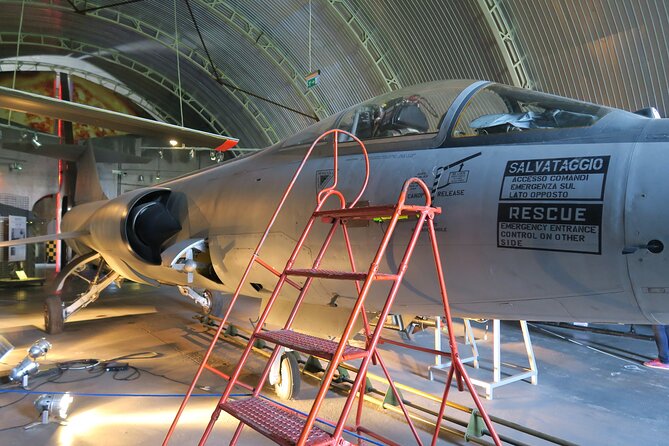
The Polish Aviation Museum is located on a historic military airfield, described as one of the oldest in the world, established by the Austro-Hungarian Empire in 1912. That kind of detail sounds like trivia until you’re actually there—then it helps you understand why the site feels grounded and practical, not staged.
Because the meeting point can vary depending on the option booked, you’ll want to follow whatever exact pickup or check-in point appears with your confirmation. The activity also ends back at the meeting point, which is convenient if you’re combining it with other Krakow stops.
From a planning standpoint, the museum rewards comfortable shoes. It’s a real walking experience across indoor hangars and outdoor areas. Bringing water also makes sense, because you’ll likely spend more time here than you first expect.
Inside the Main Collection: 300+ Items of Aircraft and Engines
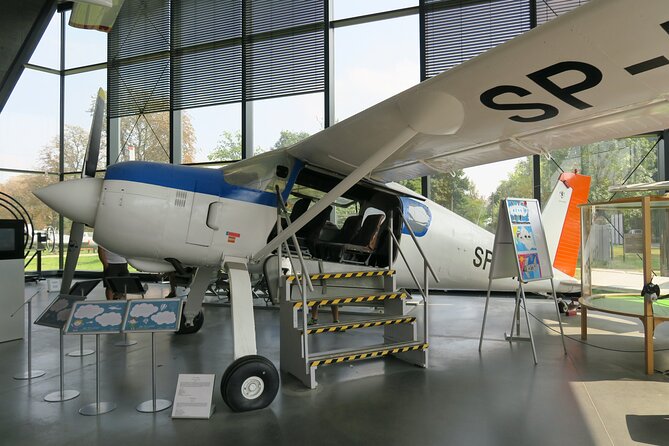
The museum’s core collection is centered on aviation hardware and history. Expect over 300 items that include aircraft-related pieces and engines. Even if you’re not a “technical specs” person, seeing engines up close helps you understand what aviation was really about: mechanics, design constraints, and performance tradeoffs.
I like how the museum’s layout encourages slow wandering. You can stop, look closely, and move on without feeling forced into a line-by-line route. If you’re traveling with kids or a teen, this pacing works well—short attention spans can take breaks, and the open-air spaces give everyone a chance to reset.
One practical consideration: language support may vary. You might find that some displays (especially in the early exhibition areas) aren’t fully translated. If language is a priority for you, treat the visit as a visual experience first, and read whatever captions are available.
German WWII Hulls: Halberstadt Cl.II or Roland D.IV
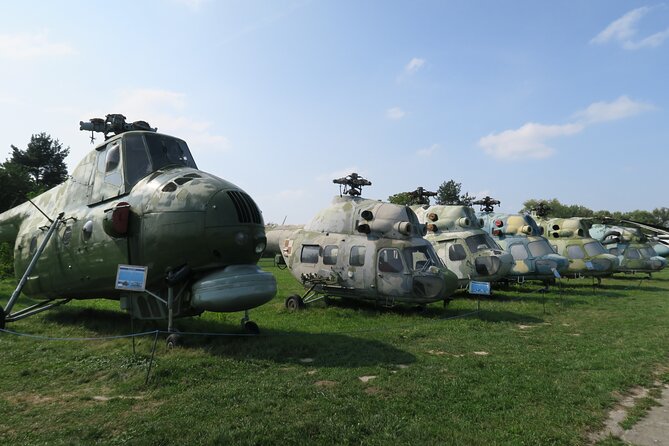
One of the museum’s most specific attractions is the presence of hulls connected to German WWII aircraft—listed as Halberstadt Cl.II or Roland D.IV. Hulls are not the same as a complete plane you can step into, but they’re still powerful for aviation fans because they show what remains and what can be preserved.
What you’re getting here is a tangible link to the era. The museum isn’t asking you to imagine these machines from a book. You can walk around the artifacts and absorb their physical presence.
If you’re a photography person, this is a good area to practice composition. Angles matter with hulls and engine pieces, and the airfield setting gives you a more dramatic background than a flat museum wall.
The Grigorovich M-15 Flying Boat: A Rare Bird from 1916
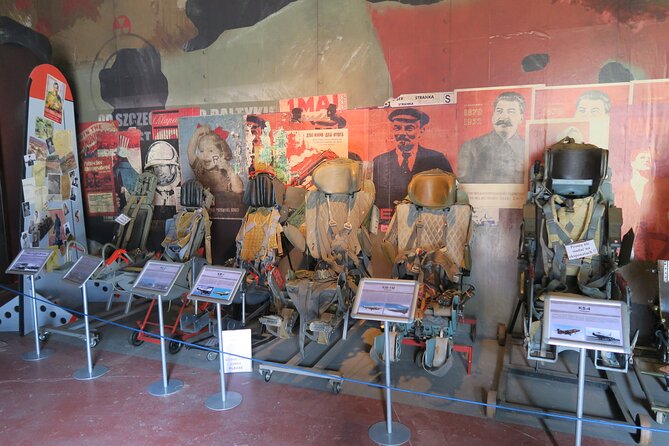
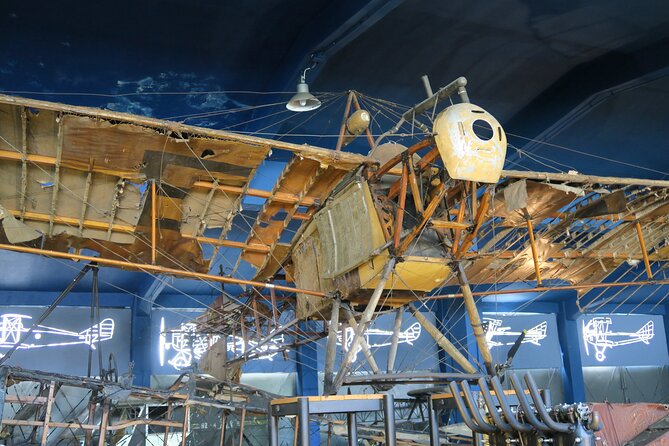
The standout headline piece is the Grigorovich M-15, described as the only remaining Russian flying boat from 1916. A “only remaining” artifact is exactly the kind of thing that makes a museum visit feel more than entertaining—it feels like access to something you can’t find anywhere else.
Flying boats are also a great reminder that early aviation wasn’t one single track. Water, salt air, repair challenges, and specialized hull design all shaped how aircraft were built and used. Seeing the Grigorovich M-15 is a fast way to broaden your understanding beyond the more familiar land-based fighter and bomber stories.
Even if you’re not a history buff, the M-15 tends to pull people in because it’s different from the modern silhouette. That difference is often what makes aviation museums click for first-time visitors.
Open-Air Museum in the Soviet-Era Zone: Antonov AN-26 and PZL 130 Orlik
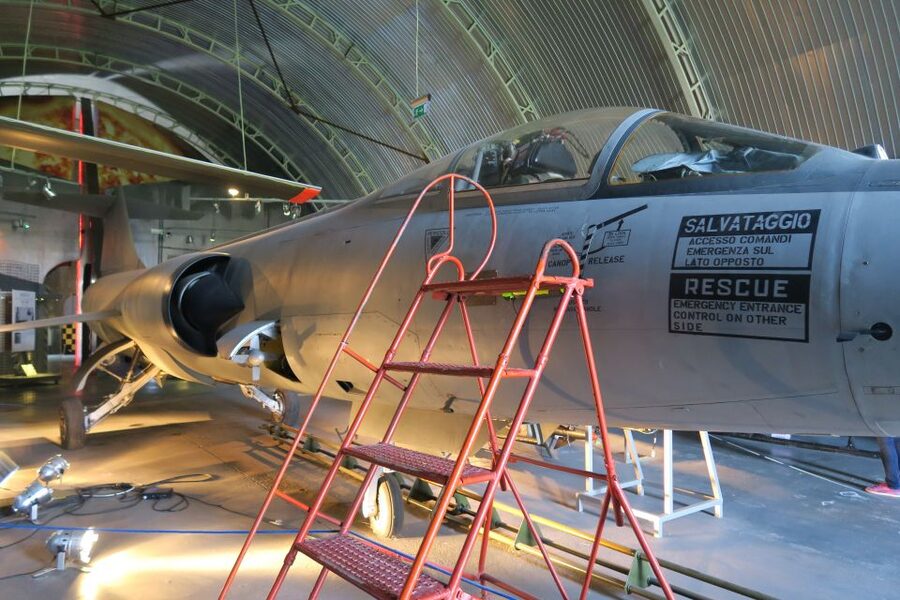
After you’ve built your context indoors, the visit shifts outward into an open-air museum area. This part focuses on best-known machines from the Soviet era, with examples listed such as the Antonov AN-26 and the Polish PZL 130 Orlik.
This is where the museum changes from “a collection” into “a walkable timeline.” You can compare shapes, sizes, and design choices across eras. It’s also where a lot of people find it easier to enjoy the visit even without reading every caption.
I recommend pacing yourself here. Outdoor aircraft displays can tempt you into taking long stops at just one machine. If you’re short on time, decide ahead of time which aircraft you want to see most, then give yourself permission to skim the rest quickly.
If you visit with mixed interest levels, open-air displays are a relief. They’re easy to understand at a glance, and kids usually have an easier time staying engaged.
The Best Way to Plan Your Time: 1–2 Days, but How Much Do You Need?
The ticket validity is 1–2 days, but that doesn’t mean you need to return another day. In many cases, you can get a satisfying visit in one longer session.
A good practical target is about two hours if you enjoy moving steadily and taking breaks. If you’re the type who reads captions and wants extra photo time around engines and hulls, give yourself more. The museum’s mix of indoor and outdoor areas means you’re not just standing in one room the whole time.
If you’re visiting during busier periods, the skip-the-line feature helps you start strong. Once you’re inside, you can slow down and explore without feeling like you’re paying for time with your energy.
Also keep an eye on opening hours. The museum notes that hours can change due to circumstances, so check the official website before you commit.
Getting There in Krakow: Tram-Range and Walkable Layout
The museum is known for being easy to reach, including by tram. For most visitors, this matters because it reduces planning stress. You can treat the museum as a half-day or full-museum block without worrying about complicated transit.
From the museum itself, plan on walking. Bring comfortable shoes, and don’t pack your day like you’re racing between landmarks. The airfield layout encourages an easy strolling rhythm, and you’ll have a better visit if you accept that time naturally expands here.
If you rely on apps for transit routing, it’s helpful to use a local navigation tool rather than guessing stops. The museum sits in an area where exact tram connections can matter.
Photo Rules and Small Comfort Wins
Photography is part of the fun, and you’re allowed to bring a camera. The museum also has a clear rule: no flash photography. That’s worth noting because it affects how you’ll shoot indoors. If you plan night-style or flash-heavy shooting, adjust your expectations.
You should also avoid smoking on-site. It’s a standard rule, but it can matter if you’re traveling with smokers or if you’re thinking about breaks during your walk.
Bring water. The museum mix of indoor and outdoor areas plus walking distances adds up. A bottle keeps you moving without needing to break your rhythm to search for refreshments.
Who This Ticket Is For (and Who Might Skip It)
This is a great fit for aviation enthusiasts, history fans, and anyone traveling with kids or teens who respond to big objects and clear visual themes. The collection spans multiple eras, and the open-air Soviet zone gives people something they can point at right away.
If you love technical detail, the engine-related items should satisfy you. If you’re more casual, the distinctive highlights—like the Grigorovich M-15 and the open-air aircraft—give you enough structure to enjoy even when you don’t read every sign.
If you’re expecting a guided experience with deep commentary, you’ll be happier booking a tour with a guide instead. Here, you’re self-paced, which is a plus for many people but not ideal for everyone.
Using a Krakow City Pass? Quick Cross-Check
Some Krakow City Pass lineups list the Polish Aviation Museum alongside other top sights. If you already bought a pass, it can be worth checking whether it covers admission, so you don’t pay twice.
Still, if you do this ticket separately, you get the specific benefit of skip-the-line entry as described—so it’s a good “time saver” even when you’re not short on money.
Should You Book the Polish Aviation Museum Skip-the-Line Ticket?
Yes, if you want a self-paced Krakow experience that feels tactile and different from the city’s classic sightseeing. For the price, the museum delivers serious visual variety: 300+ aviation-related items, standout artifacts like the Grigorovich M-15, and an open-air display of Soviet-era aircraft.
I’d especially book if you like avoiding delays. The skip-the-line part matters because it lets you start your visit on your schedule, not on a queue timetable. Just go in with the right mindset: no guide is included, and you should expect that some rooms could be closed on certain days.
If your visit is short and you’re picky about what you see, pick a few must-sees (M-15, the WWII hulls, and a Soviet machine or two) and then let the rest be bonus discoveries.
FAQ
How long is the Polish Aviation Museum ticket valid?
The ticket is valid for 1–2 days. Starting times depend on availability, so check the options shown for your visit date.
What does the skip-the-line ticket include?
It includes a pre-paid ticket designed to provide hassle-free entry, helping you avoid the ticket line.
Does this ticket include a guide?
No. A guide is not included with this experience.
What can I see with the ticket?
You get access to the museum’s collection of over 300 aviation-related items, including aircraft and engines, plus the open-air museum area with Soviet-era machines.
What standout aircraft or artifacts are mentioned?
The ticket highlights include hulls of German WWII aircraft (Halberstadt Cl.II or Roland D.IV), the Russian flying boat Grigorovich M-15 from 1916, and Soviet-era machines such as the Antonov AN-26 and PZL 130 Orlik.
Are flash photos allowed?
No. Flash photography is not allowed. Smoking is also not allowed.
Can I cancel for a refund or pay later?
Yes. You can cancel up to 24 hours in advance for a full refund, and you can reserve now and pay later (you pay nothing today).