REVIEW · KOBLENZ
Koblenz: Historical Sparkling Wine Museum Guided Tour
Book on GetYourGuide →Operated by Koblenzer Sektmuseum GbR · Bookable on GetYourGuide
A short walk from the surface turns into a real cellar story. This guided tour takes you down into the former sparking wine cellars of Deinhard, with historic vaulted rooms and an explanation of how sparkling wine is made. I love that it feels like stepping into a working winery past, not a lecture hall.
What really works is the guide’s way of connecting the dots from grape work to the transformation into sparkling wine. You get a guided, entertaining walkthrough of viticulture steps and production details, plus time to take in the atmosphere of the underground space.
The only drawback to plan around is that it’s a 1-hour tour in German, so if you need English (or more time for questions), you might want to compare with other visiting options.
In This Review
- Key things to know before you go
- A Former Deinhard Cellar With Vaults and Bottle-Fermentation Story
- The 1794 House and 1843 Sparkling-Wine Production Timeline
- From Harvest to Sparkling: What the Guide Walks You Through
- The Historic Vault Experience: Atmosphere You Can Feel
- One Glass of Sekt: How the Tasting Fits the Story
- Price and Value for a 1-Hour Guided Tour
- Meeting Point Simplicity: Easy Start, Easy Finish
- Language Choice: German-Only Guidance
- Who This Tour Fits Best (and Who Might Skip It)
- Should You Book the Koblenz Sektmuseum Guided Tour?
- FAQ
- How long is the Koblenz Historical Sparkling Wine Museum guided tour?
- What is the price per person?
- What does the tour include?
- Is the tour guide available in English?
- Where do I meet for the tour?
- Is there an elevator for going into the cellars?
- Is the tour a good option for rainy or hot weather?
Key things to know before you go
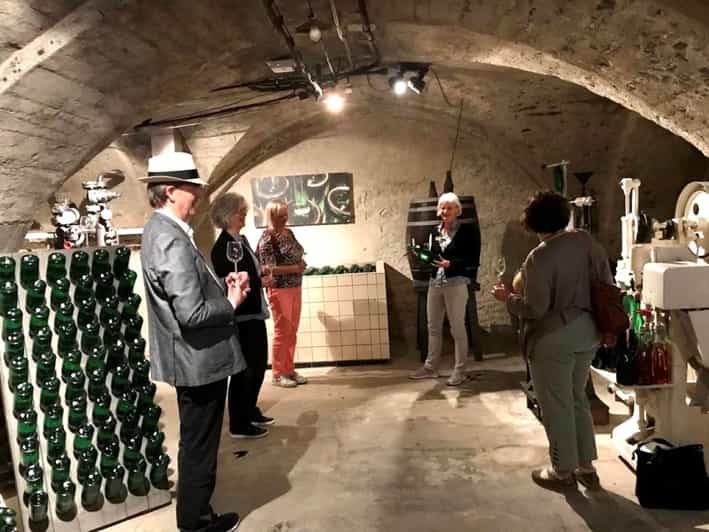
- Historic vaulted cellar setting in former sparkling wine storage rooms
- Deinhard roots since 1794, plus sparkling production dating to 1843
- Traditional bottle fermentation process explained in plain, practical steps
- Original equipment used to show the grape-to-wine path
- Ends with one glass of sparkling wine (Sekt)
- Good fit for hot or rainy days, with an elevator available
A Former Deinhard Cellar With Vaults and Bottle-Fermentation Story
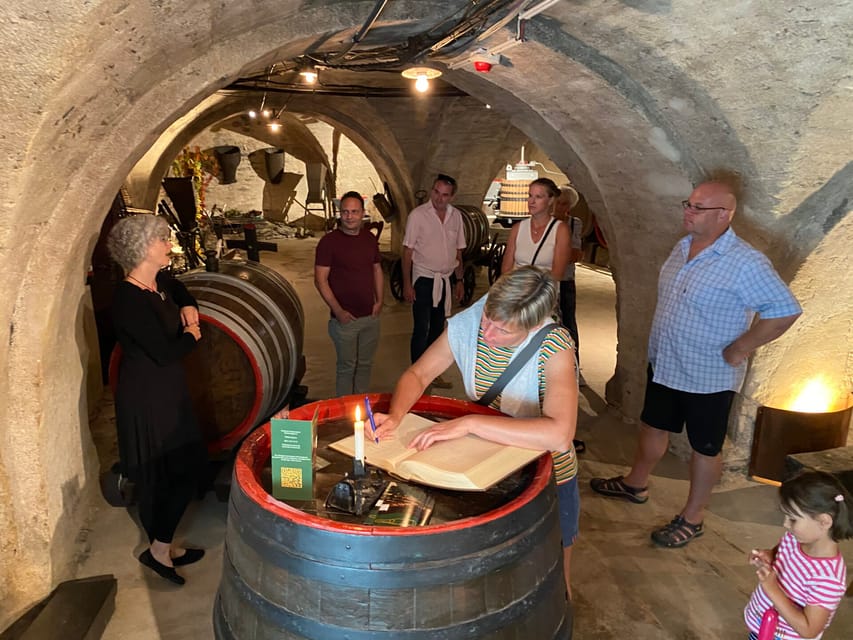
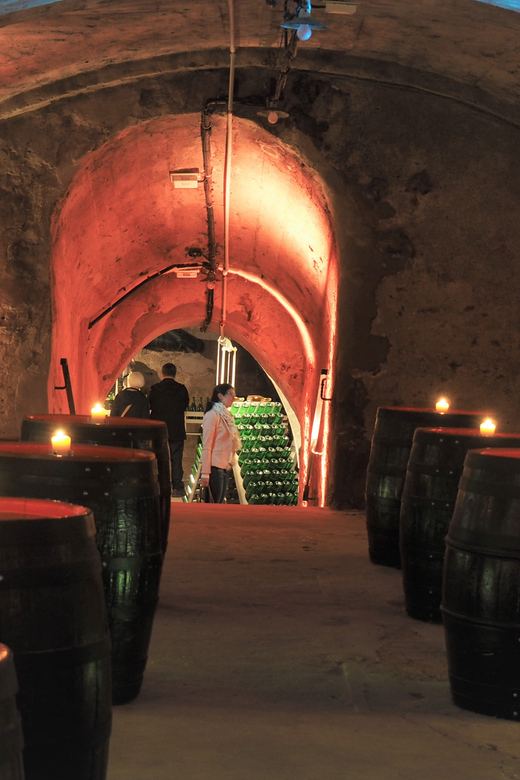
Koblenz has a lot of charm on the river level, but this tour starts telling a different kind of story. It brings you into the depths of a former sparkling wine cellar, where vaulted rooms do the heavy lifting for atmosphere. Even before you hear the first explanation, you’re already surrounded by the sense of age and careful storage that sparkling wine needs.
This is hosted by Koblenzer Sektmuseum GbR, tied to Deinhard’s cellar world. The setting is part of the value: underground rooms naturally help you picture how fragile timing can be in wine production. And yes, this is one of those activities that works well when weather is less cooperative. If it’s hot outside or rainy, being under cover is a win.
A practical note that matters: you go down to the cellars, but there’s an elevator available. That’s helpful if you’d rather not rely on stairs for an underground route.
The 1794 House and 1843 Sparkling-Wine Production Timeline
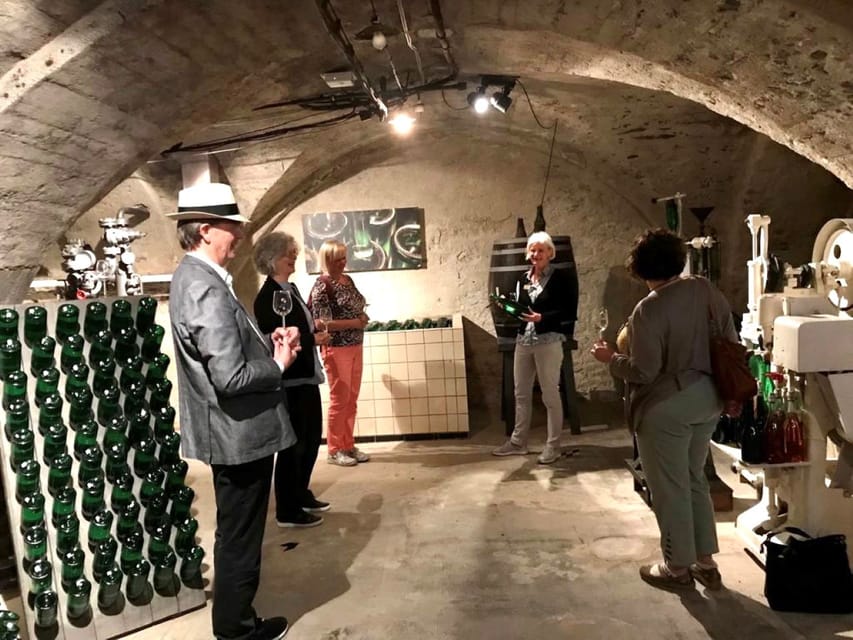
The tour has a clear backbone: Deinhard’s history and the start of sparkling wine production. The company’s background goes back to 1794, and sparkling wine production in Koblenz has been happening here since 1843. That timeline turns the tour from a simple “how-to” into a longer story about tradition and repeatable craft.
When a place has production continuity that stretches back that far, the explanation tends to feel grounded. You’re not just hearing about modern shortcuts or marketing talk. Instead, you get the sense that the process came from real needs: preserving, aging, and building the character that sparkling wine is known for.
And the tour doesn’t just treat history as decoration. It connects the past to the steps you’ll see discussed during the visit. The “mysterious origin” of sparkling wine is framed as something you can understand—if the guide walks you through what’s happening at each stage.
From Harvest to Sparkling: What the Guide Walks You Through
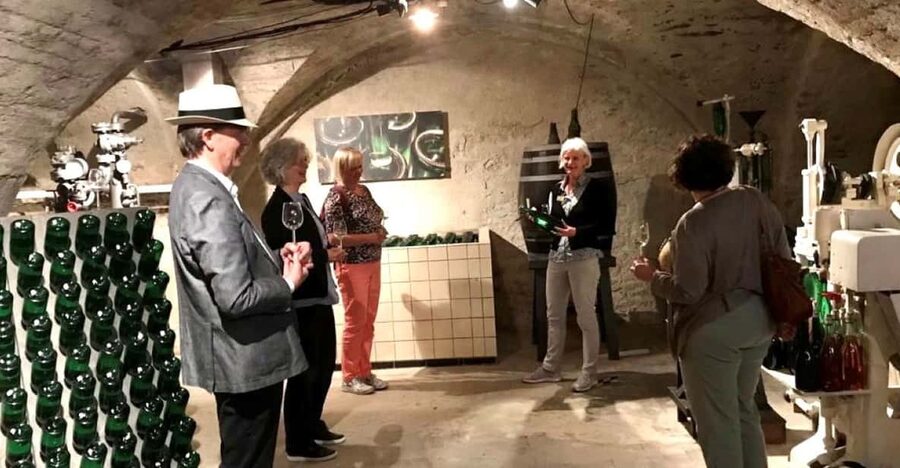
You’ll be with a live German guide for about an hour, and the pacing is built for comprehension. The tour is set up as an adventure through the cellar and then the production story, step by step, from viticulture to the transformation into sparkling wine.
One of the biggest strengths here is that you don’t just hear the end result. You’re shown how the grape becomes something else. The tour follows the process from grape work into how wine turns into sparkling wine, including the idea behind the traditional bottle fermentation method.
A fun detail is how the storytelling makes earlier tasks feel real. The production explanation includes the old-school side of viticulture—like the mousselike work of past grape harvest days—and then moves forward to what changes when wine is made to sparkle. That contrast helps the technical parts make more sense. You start seeing the production process as a chain of choices, not random chemistry.
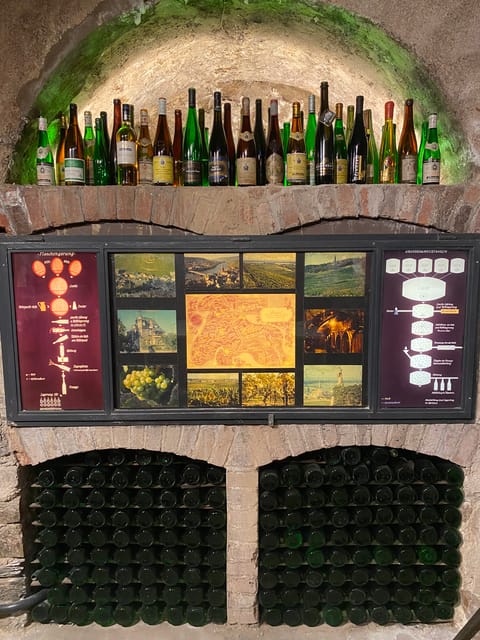
You’ll also see that the tour uses original equipment. That matters more than it sounds. When you can point at real tools rather than only hearing about them, the process gets easier to picture. You can connect the equipment you see to the stages you’re being told about, which keeps the whole hour feeling purposeful.
The Historic Vault Experience: Atmosphere You Can Feel
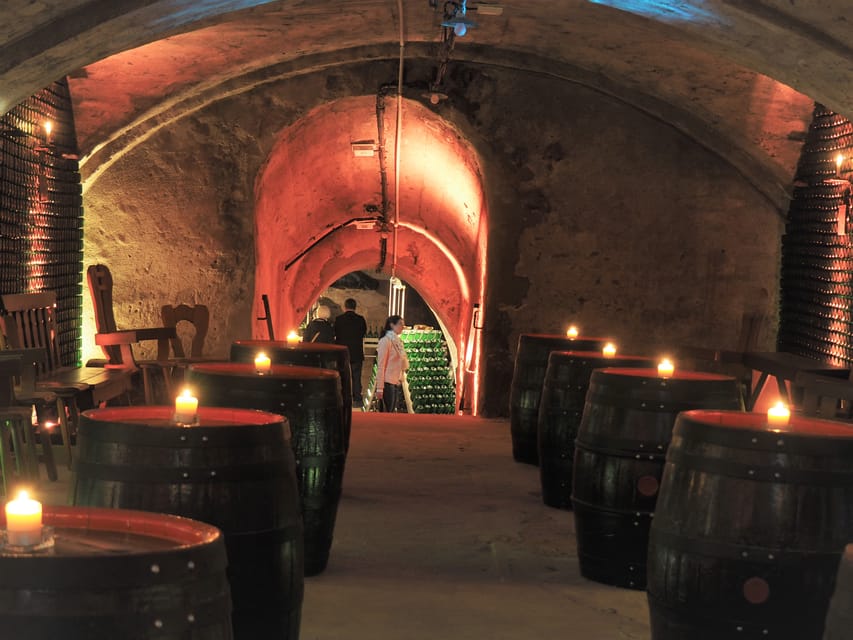
The vaulted cellar rooms aren’t just a backdrop—they set the tone for why sparkling wine production works. Underground spaces stay steadier, and the tour’s structure uses that environment to support the story. You can almost feel how much careful handling matters when the product needs time and controlled conditions.
This kind of setting also makes the tour a strong choice for people who learn better by seeing context. If you like places where the space itself teaches, you’ll appreciate how the tour leans on the real setting of the former Deinhard cellars.
And because it’s designed as a guided walk in a confined setting, it works well for people who want something concrete and time-efficient. You’re not wandering for hours. You’re moving through a compact experience that’s built around understanding.
One Glass of Sekt: How the Tasting Fits the Story
At the end, the tour includes a tasting: one glass of sparkling wine. This is the part that turns information into something you can remember. After learning how the wine is produced—especially the traditional bottle-fermentation concept—you get to taste with a different mindset.
Think of the glass as the last step of the lesson. It’s not just a perk. It helps you connect what you heard to what you experience. If you’ve ever listened to a wine talk and then forgotten everything the moment you took a sip, this format is meant to prevent that. You’ve just been guided through the path from grape to sparkling wine, so the final tasting feels like a payoff.
Also, since the tour includes the glass in the price, you avoid the common travel problem of “great tour, then add-ons you didn’t plan.” You leave with a complete experience rather than a partially finished one.
Price and Value for a 1-Hour Guided Tour
The price is $24 per person for about 1 hour. For wine-focused tours, that’s the sweet spot where you get real guided storytelling without paying for an all-day commitment.
Here’s why I think the value holds up:
- You’re paying for entrance fees, a live guided tour, and one glass of sparkling wine.
- You’re not just seeing a room—you’re getting a structured explanation of the production process using original equipment.
- The timing is practical. One hour is long enough to understand the key steps, short enough to fit into a day in Koblenz.
If you’re trying to make the most of a day that already includes walking around the city, this fits neatly. It’s also a solid option for hot or rainy days, because you’re indoors and off the weather stress.
Meeting Point Simplicity: Easy Start, Easy Finish
The tour is straightforward to join. You meet at the entrance, and it ends back at the meeting point. That kind of “no hunting around” setup matters, especially if you’re arriving during a busy travel day.
If you’re the type who hates last-minute confusion, you’ll likely appreciate the clarity. It’s also easier to plan your next stop afterward—grab a coffee, continue exploring Koblenz, or head back when you’re ready.
Starting times are offered, but you’ll need to check availability for the exact schedule. That’s common for guided tours, but it’s worth doing early so you can match your day to the slot you want.
Language Choice: German-Only Guidance
One thing to know upfront is that the guide is German. The tour is described as German language only, with no mention of other languages.
If you speak basic wine vocabulary in German, you may get a lot even without perfect understanding. If your German is limited, you might still enjoy the visual equipment and the general process explanation, but the full details will be harder to follow.
So this is best for:
- You if you’re comfortable with German enough to follow a guided explanation.
- You if you learn well from visuals and the structure of a production walkthrough.
- You if you want a focused hour and are okay with a language barrier.
Who This Tour Fits Best (and Who Might Skip It)
This is a good pick if you want a compact, cellar-based experience that explains the craft behind sparkling wine. The mix of history, real production context, and a finishing tasting makes it especially attractive for people who like practical travel education—less “museum poster,” more “how the process actually works.”
It’s also a smart option if you’re traveling with time limits. One hour is perfect for travelers who want something worthwhile without turning the day into a long schedule.
You might skip it if:
- You strongly prefer tours in English or bilingual instruction.
- You want a tasting-focused experience that offers multiple glasses or in-depth wine comparisons.
- You’re mainly looking for large-scale museum walking rather than a guided cellar-and-process story.
Should You Book the Koblenz Sektmuseum Guided Tour?
Yes, I’d book it if you want a meaningful hour in a real sparkling wine cellar and you like understanding how things are made. The pairing of historic setting (vaults), Deinhard’s long production timeline (1794 roots and sparkling production since 1843), and the explanation of traditional bottle fermentation gives you more than a surface-level “wine history” stop.
It’s also a strong value play at $24, because you get the entrance, the guided tour, and the glass included. And if the weather is poor, it’s one of those trips that stays comfortable because the main experience happens underground—with an elevator available.
If German-only guidance would slow you down too much, consider comparing options. But if you can follow a guided explanation in German, this is one of the clearest, most grounded ways to experience Koblenz’s sparkling wine story.
FAQ
How long is the Koblenz Historical Sparkling Wine Museum guided tour?
The tour lasts 1 hour.
What is the price per person?
The price is $24 per person.
What does the tour include?
It includes entrance fees, a guided tour, and 1 glass of sparkling wine.
Is the tour guide available in English?
The tour guide is German.
Where do I meet for the tour?
You meet at the entrance, and the tour ends back at the meeting point.
Is there an elevator for going into the cellars?
Yes, there is an elevator available.
Is the tour a good option for rainy or hot weather?
Yes. The stay is described as particularly suitable for hot or rainy days.