REVIEW · SACROMONTE CAVE MUSEUM
Sacromonte Caves Museum Admission Ticket
Book on GetYourGuide →Operated by Museo Cuevas del Sacromonte · Bookable on GetYourGuide
Sacromonte’s caves tell a story you can walk into.
This little museum takes you through 11 cave dwellings in Granada’s Sacromonte district, where you’ll see how people lived, worked, and crafted everyday life in a man-made hillside world. I love that it mixes real details like kitchens and stables with cultural context like flamenco and local trades.
Two things I especially like: the craft and household displays (basketry, ceramics, weaving, plus tools and furniture) make the whole place feel tangible, and the outdoor garden viewpoint delivers a fresh angle on the Alhambra complex plus the city and Rio Darro Valley. One consideration: getting up to the museum means a real climb with steep steps, so plan for legs (and shoes).
In This Review
- Key Highlights at a Glance
- Why These Cave Houses Feel More Intimate Than Most Granada Museums
- Inside the Museum: 11 Caves, Real-World Rooms, and Daily Life Details
- A quick reality check about pace and space
- Trades, Crafts, and the Life of the Neighborhood
- Flamenco and Cultural Context in the Cave Rooms
- The Outdoor Garden: Views of the Alhambra You Don’t Get Everywhere
- Practical tip for the garden stop
- Getting There: The C2 Bus and What the Climb Feels Like
- What helps on the climb
- Timing and Value: Why This $7 Ticket Works So Well
- Closing times you should respect
- Comfort and Small Perks That Make the Visit Easier
- Who Should Book This Cave Museum Ticket (and Who Might Skip)
- Should You Book the Sacromonte Caves Museum?
- FAQ
- What does the Sacromonte Caves Museum admission ticket include?
- How long should I plan to spend at the museum?
- How many cave houses will I visit?
- What can I expect to see inside the caves?
- Are there views from the museum?
- Is there an audio/video or multimedia component?
- Where is the museum, and how do I get there by bus?
- What time is the last admission?
- Does the ticket help me avoid waiting?
- Is the walk up difficult?
- Is the museum info available in English?
Key Highlights at a Glance
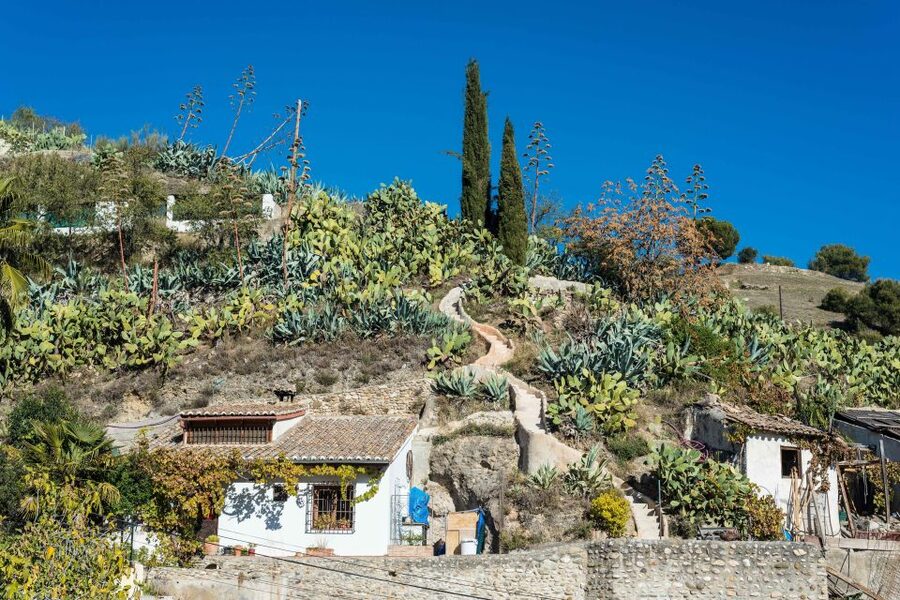
- 11 cave houses with re-created interiors that you can explore at your own pace
- Hands-on-feeling displays of daily life: kitchens, stables, tools, and furnishings
- Sacromonte culture and flamenco education, including film footage in some caves
- Outdoor garden viewpoint over the Alhambra and Rio Darro Valley
- Good value for the price, with visitors typically done in about 30–45 minutes to 1.5 hours
- On-site comfort touches like toilets and shaded areas, plus the chance to buy a drink
Why These Cave Houses Feel More Intimate Than Most Granada Museums
Granada’s best-known sights are big and dramatic. Sacromonte goes small and human. The Sacromonte Caves Museum is built around the idea that you don’t just look at history—you move through it. The museum guides you through 11 separate caves, each set up like a home space, so you get a better sense of how tight, practical, and local cave life could be.
If you’re already planning time around the Alhambra, this adds contrast. From the Sacromonte hillside, you’ll see the Alhambra and fortress complex from a different angle than the usual postcard spots. And because the museum also talks about the natural setting—plants, geology, and the surrounding terrain—you get the full picture: people built homes that had to make sense in the landscape around them.
My favorite part is that the museum doesn’t treat the caves like a spooky novelty. It’s thoughtful about how residents lived and worked in this district, including crafts and trades. That’s what makes it worth your time even if you’re not hunting for every museum in town.
Inside the Museum: 11 Caves, Real-World Rooms, and Daily Life Details
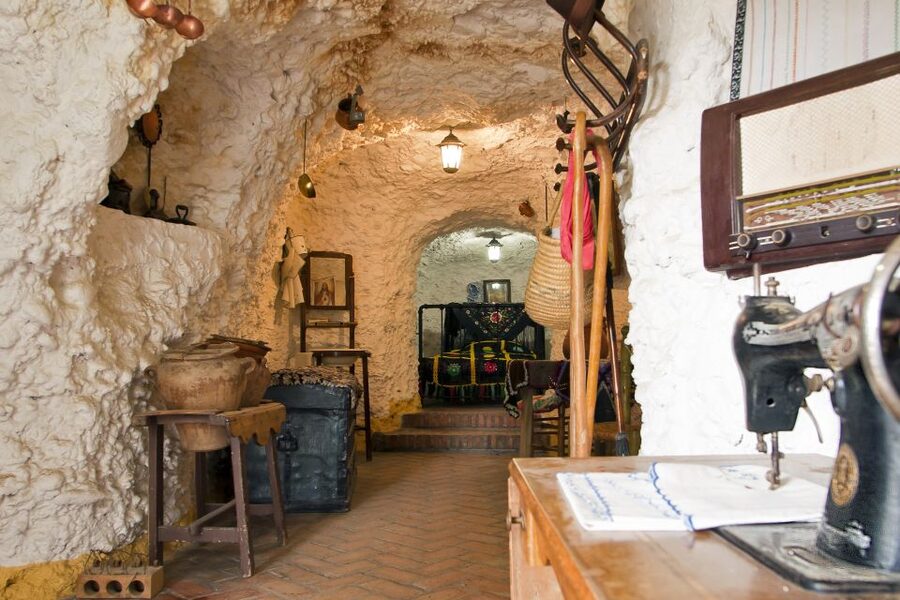
Your ticket gets you access to a network of cave rooms set up as re-created cave house dwellings. Think of it as a self-guided walk that turns the Sacromonte district into something you can understand with your eyes and your feet.
Here’s what the experience is designed to show you:
- How the cave homes were arranged so people could live in a hillside environment
- Kitchen and stable spaces, which help explain daily routine rather than just architecture
- Traditional trades and crafts, including basketry, ceramics, and weaving
The museum’s layout is compact enough that you won’t feel lost, but varied enough that you won’t feel bored. Many visitors find they can finish in about 30–45 minutes, while others spend closer to around an hour or more if they watch film footage carefully or pause to read everything.
That flexible pace matters. If you like history-as-you-go, you can keep moving. If you prefer to slow down and examine details, the caves let you do that too.
A quick reality check about pace and space
Cave interiors are naturally uneven and sometimes visually darker than you expect. You may want to go slowly on the first cave so your eyes adjust. Also, because it’s a cave setting, you’ll be doing a lot of standing and walking on uneven ground. Comfortable footwear isn’t optional—especially on your way in.
Trades, Crafts, and the Life of the Neighborhood
One of the most valuable parts of the Sacromonte Caves Museum is that it doesn’t stop at architecture. It connects the homes to work and skill.
You’ll see displays tied to traditional trades and crafts such as:
- Basketry
- Ceramics
- Weaving
And beyond the crafts, the museum includes household and functional features like kitchens and stables. Even if you’re not a history nerd, these details help you understand how cave living shaped day-to-day choices. In other words, it answers the question you might be wondering the whole time: what did people do in these spaces, and how did they organize life around them?
It’s also part of why the museum is such a strong “half-day style” stop. It’s not just a viewing experience. It’s a practical education about how a neighborhood worked.
Flamenco and Cultural Context in the Cave Rooms

Flamenco isn’t treated like a random add-on. The museum explains flamenco in the Sacromonte district, and it presents this cultural history alongside the cave dwellings themselves.
In some caves, you’ll also find incredible film footage that adds atmosphere and narrative. That matters because the caves are static spaces. The videos and storytelling give you a sense of motion: who performed, how traditions lived in the community, and how cultural identity fits into the physical setting of Sacromonte.
If you’re going to the Alhambra first, this is a smart pairing. The Alhambra is power, architecture, and monument scale. Sacromonte is identity, community, and everyday creativity—tied into the same broader Granada story.
The Outdoor Garden: Views of the Alhambra You Don’t Get Everywhere
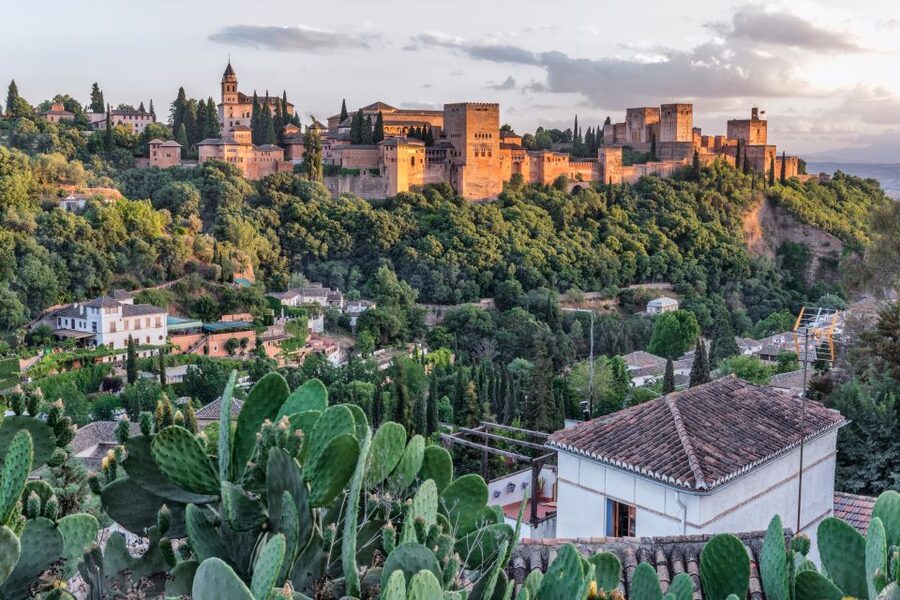
After the caves, make time for the outdoor garden. This is where the museum earns extra points, because it turns the hillside into part of the exhibit.
From the garden, you get unique views of:
- The Alhambra palace and fortress complex
- The city
- The Rio Darro Valley
What makes this viewpoint special is that it’s not just a far-away skyline shot. You’re looking at the Alhambra from the hillside side—so the complex feels more connected to the city’s terrain. It also makes the whole visit feel more “placed.” The museum’s talk about plants, geology, and the landscape around the caves suddenly clicks into something you can see.
Practical tip for the garden stop
If the day is hot, plan your garden time with the light in mind. You’ll be outdoors, and reviews suggest the hike up can be demanding in heat. Bring water if you need it, and consider taking a break before you head back down.
Getting There: The C2 Bus and What the Climb Feels Like
The museum is at Barranco de los Negros, s/n, 18010 Granada. If you want public transport, the easiest detail to know is the bus: you can take the C2 bus from Plaza Nueva and get off at Sacromonte.
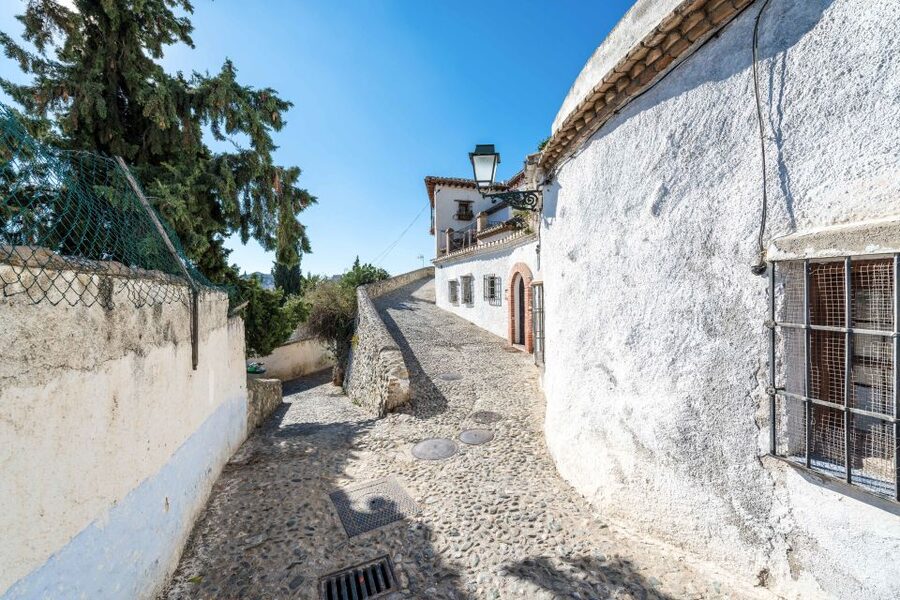
Once you’re in the Sacromonte area, expect stairs. Multiple visitors describe it as a hike and mention steep steps on the way up. If you’re traveling with kids, plan breaks and keep the pace slow.
If you’re choosing between walking from lower Granada versus using a bus or taxi, think about your day rhythm. The caves museum works best when you’re not already exhausted from another major attraction.
What helps on the climb
- Wear shoes with solid grip
- Go early if it’s warm
- Bring water if you tend to feel it on hills
The good news: once you’re there, the museum itself is set up for a relaxed walk-through.
Timing and Value: Why This $7 Ticket Works So Well
The price you’re paying is low for what you get. At about $7 per person, the museum delivers:
- Access to 11 cave dwellings
- A mix of history, household life, and cultural explanation
- Craft and trade displays
- A garden viewpoint with major wins for scenery
Many visitors report they only need 30–45 minutes, but that doesn’t mean it’s a “rush job.” The caves are laid out so you can spend longer if you care about film footage or reading. If you fall on the slower side, you might stretch closer to 1.5 hours depending on how much you watch and pause.
Closing times you should respect
Plan around last admission because it’s time-sensitive. Last entry is 20 minutes before closing:
- Fall–Winter: last admission at 5:40 p.m.
- Spring–Summer: last admission at 7:40 p.m.
This matters because the climb up is real. If you arrive late, you may feel forced to skim instead of soaking it up.
Comfort and Small Perks That Make the Visit Easier
A cave museum can be hit-or-miss on comfort, but this one seems to hit the basics. Reviews mention:
- Toilets
- Shaded areas
- A bar where you can sit and recharge (including a cave-style stop for a drink on the way down)
Meals and drinks aren’t included with your ticket, so if you want food or drinks, plan on buying them separately. But having on-site spots to rest and refresh can save your energy after the walk.
Who Should Book This Cave Museum Ticket (and Who Might Skip)
This is a strong match if you:
- Want a different side of Granada beyond the big monuments
- Like museums that explain daily life—homes, work, and culture—not just dates
- Want an angle on the Alhambra you can’t easily get from street level
- Prefer self-paced exploring over guided-bus speed
You might think twice if:
- You have mobility limits or you know steep steps will be a real problem. The hike up and stairs are a common theme, and the museum itself is in a cave environment.
- You only want a quick stop and don’t have room for an hour or so of walking and reading.
For families, it can work well because the museum is self-guided. The key is pacing the uphill route and keeping expectations realistic about stairs.
Should You Book the Sacromonte Caves Museum?
Yes, I’d book it if you want an authentic-feeling, low-cost Granada experience that connects people, culture, and place. For the price, you’re getting far more than a quick look at cave walls. You’re walking through a set of re-created cave homes, learning about local trades like basketry, ceramics, and weaving, and getting a viewpoint over the Alhambra and Rio Darro Valley that’s worth the effort.
Skip it only if the climb is a dealbreaker for you or you’re already museum-weary. Otherwise, this is one of those stops that makes Granada feel lived-in rather than just photographed.
FAQ
What does the Sacromonte Caves Museum admission ticket include?
It includes museum admission. Meals and drinks are not included.
How long should I plan to spend at the museum?
Plan about an hour. Many people report they can do it in roughly 30–45 minutes, while others spend closer to 1–1.5 hours.
How many cave houses will I visit?
The museum visit includes 11 separate caves with re-created cave house dwellings.
What can I expect to see inside the caves?
You’ll see traditionally furnished cave spaces, including kitchens and stables, plus displays about local trades and crafts such as basketry, ceramics, and weaving.
Are there views from the museum?
Yes. The outdoor garden offers unique views of the Alhambra palace and fortress complex, the city, and the Rio Darro Valley.
Is there an audio/video or multimedia component?
Some caves include film footage, which helps explain flamenco and the Sacromonte district.
Where is the museum, and how do I get there by bus?
The museum is at Barranco de los Negros, s/n, 18010 Granada. You can take the C2 bus from Plaza Nueva and get off at Sacromonte.
What time is the last admission?
Last admission is 20 minutes before closing: 5:40 p.m. in fall–winter, and 7:40 p.m. in spring–summer.
Does the ticket help me avoid waiting?
Yes. It includes skip-the-ticket-line entry.
Is the walk up difficult?
Expect steep steps and a hike to reach the museum, especially if you’re coming from the lower city. Comfortable shoes and a slower pace help a lot.
Is the museum info available in English?
In at least some parts of the visit, information is available in English.