REVIEW · KAOHSIUNG TAIWAN
Kaohsiung: Private City Tour with Fo Guang Shan Museum
Book on GetYourGuide →Operated by YOLO Taiwan · Bookable on GetYourGuide
Buddhas, pagodas, and art in one day. This private Kaohsiung tour is built around a dedicated chauffeur and a Fo Guang Shan Buddha Museum start, so the day runs on your pace instead of a fixed bus schedule. You get smooth hotel pickup, helpful on-the-road context, and time carved out for photos and stops that don’t feel rushed.
I love the sheer scale and calm of the Fo Guang Shan Buddha Museum. It’s one of the Taiwan’s biggest Buddhist sites, and the main Buddha presence is the kind of sight that changes how you look at a city. I also like how the itinerary switches gears to modern creativity at Pier-2 Art Center, giving you a Kaohsiung feel that goes beyond temples and classic streets.
One thing to think about: meals aren’t included, so lunch becomes your responsibility. A good move is to tell your driver your food preferences early, since lunch quality can swing the mood of the rest of the day.
In This Review
- Key things that make this Kaohsiung day work
- A smooth private day with hotel pickup in Kaohsiung
- Fo Guang Shan Buddha Museum: what to notice in 1.5 hours
- Lotus Pond with Dragon & Tiger Pagodas: photo stops that actually matter
- Confucius Temple and Love River: traditional architecture, then a slower pace
- The mid-tour break slot: how to use the free hour
- Pier-2 Art Center: modern Kaohsiung in the harbor area
- Kaohsiung Museum of Fine Arts: rounding out the art side
- Price and value for a private 8-hour Kaohsiung loop
- Who this tour suits best (and who should reconsider)
- Should you book this Kaohsiung private tour?
- FAQ
- How long is the Kaohsiung private city tour?
- What’s included in the price, and what isn’t?
- What languages does the guide speak?
- How is transportation handled for different group sizes?
- Do you pick up and drop off from my hotel?
- Is free cancellation available?
Key things that make this Kaohsiung day work
- Dedicated driver-guide time: You’re not sharing attention with strangers, so explanations can match your interests.
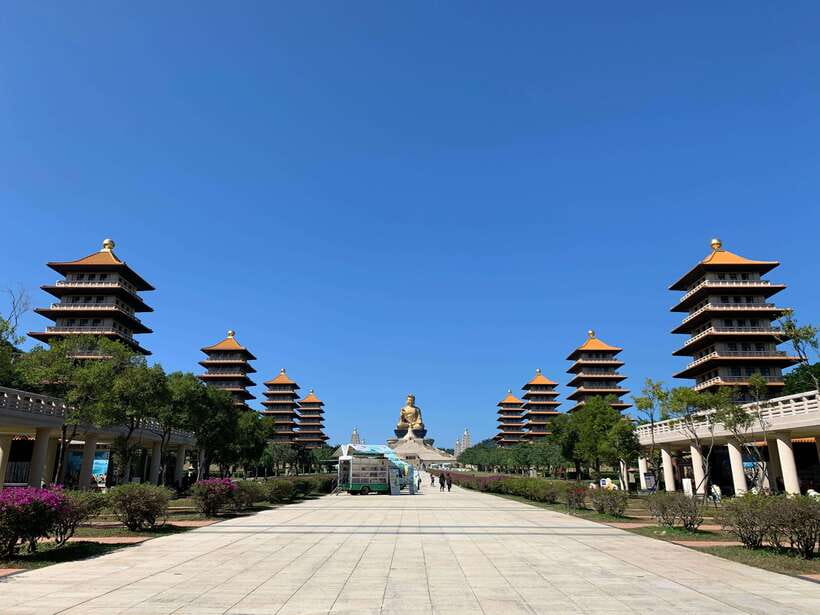
- Fo Guang Shan first: Starting with the museum means you’re not mentally tired before the biggest landmark.
- Lotus Pond photo time: Dragon and Tiger Pagodas + pavilion viewpoints are built into the pacing.
- A real break slot: There’s time for downtime and a free window to recharge or grab snacks.
- Pier-2 Art Center + Fine Arts Museum: You get both creative harbor energy and museum art in one loop.
- English support with Chinese ability: Your guide can handle both languages, which helps on the ground.
A smooth private day with hotel pickup in Kaohsiung
The biggest practical win here is that you’re not trying to stitch together buses, taxis, and timing. You get pickup from your Kaohsiung City location and you’re returned back after an 8-hour loop. That matters because Kaohsiung’s highlights aren’t all in one compact grid, and a private car keeps you focused on what you came for.
Transport is air-conditioned, and you’ll have your own personal driver-guide (not just a driver) who can talk you through what you’re seeing. In the guide feedback, punctuality and safe driving come up again and again, which is honestly reassuring in a city where not every cab ride is calm and predictable.
Group size is handled in a straightforward way: for 1–3 people, you get a private car; 4–7 uses a private van; 8–15 uses a mid-size bus with a professional driver and tour guide. That setup helps you keep the day comfortable even if you’re traveling as a family or small group.
Bottom line: this is a good choice when you want a full highlights day but don’t want the stress of planning every leg yourself.
Fo Guang Shan Buddha Museum: what to notice in 1.5 hours
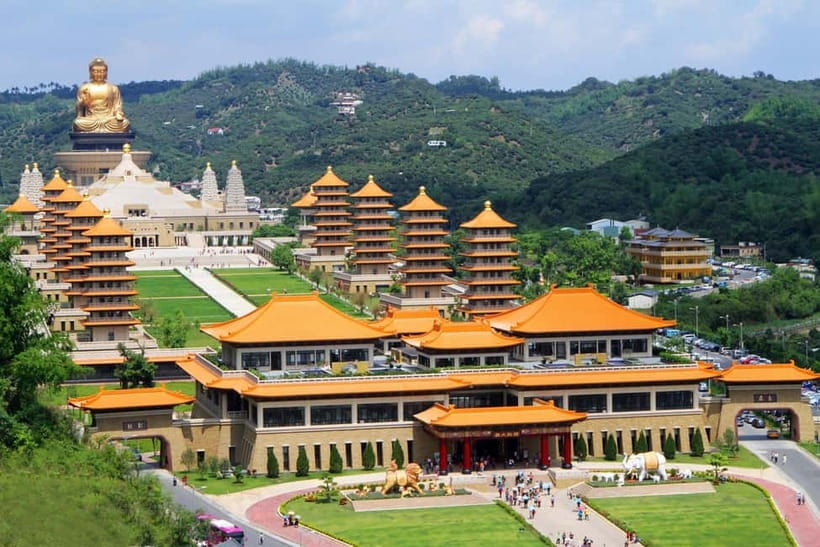
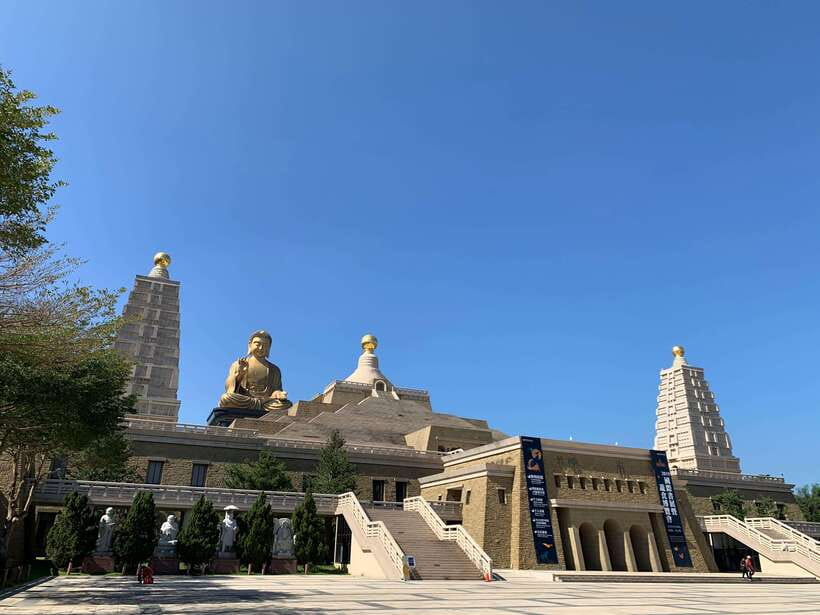
Your day starts at Fo Guang Shan Buddha Museum, with about 1.5 hours on-site. This isn’t just a quick photo stop. The experience is designed around understanding what you’re seeing—Buddhist architecture, symbolism, and the site’s scale—while still giving you time to wander.
What you should pay attention to:
- The main Buddha viewing moments. This is listed as one of the tallest Buddha statues in the world, and even if you’ve seen big religious sights before, the proportions hit hard.
- The flow of space—how the grounds guide you between views, not just across rooms.
- The small interpretive bits your guide explains as you walk. In feedback, guides like Aaron, Charlie, Bruce, and Mr. Huang are praised for adding context and even helping with photos.
Also, plan for conditions. One guide note mentions rain most of the day but still calling Fo Guang Shan worth it—so if weather turns, it doesn’t have to ruin the day. On a more physical side, mosquito bites came up in feedback, so pack repellent and be ready for outdoor walking.
If you like religious history without making it feel like homework, this start is a strong way to set the tone: calm, orderly, and visually unforgettable.
Lotus Pond with Dragon & Tiger Pagodas: photo stops that actually matter
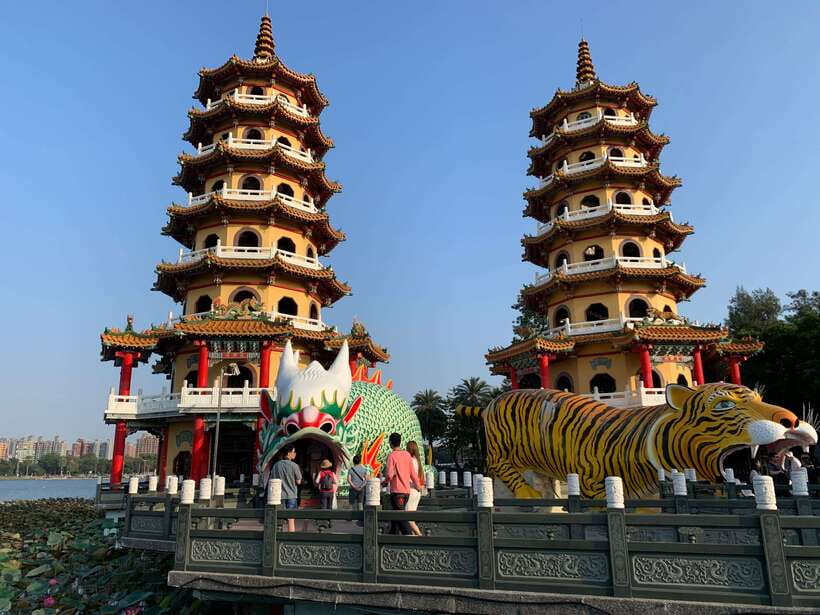
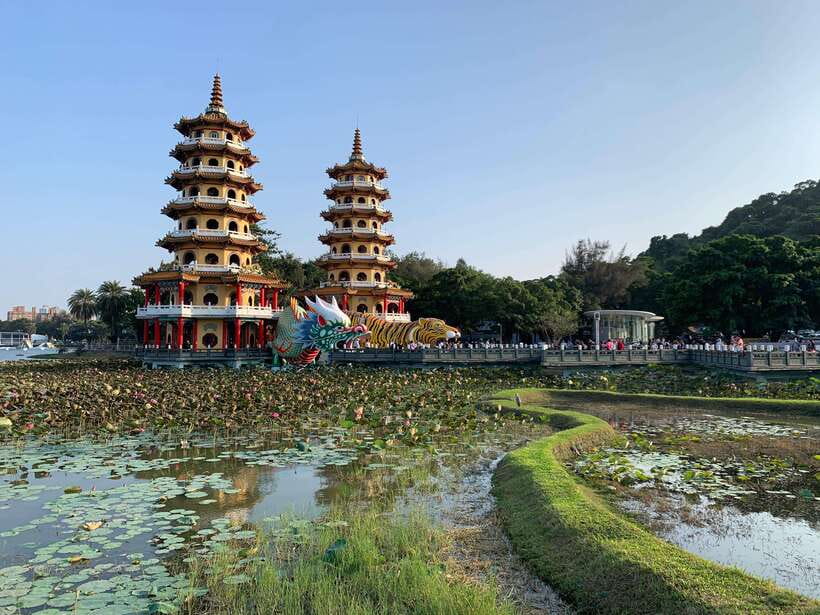
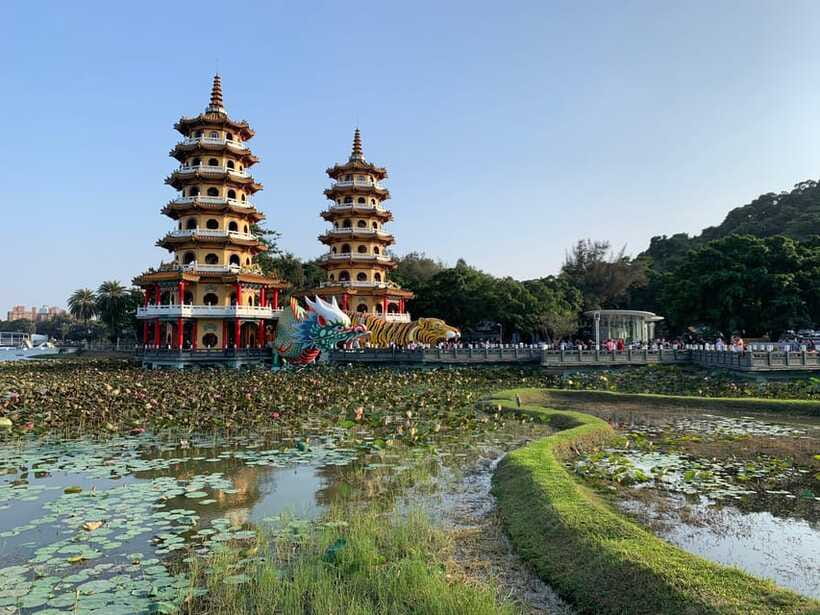
After Fo Guang Shan, you’ll head to the Lotus Pond area, including stops for the Dragon and Tiger Pagodas. This segment is about 30 minutes, and that short time only works if you know what to prioritize.
Here’s my practical approach for this kind of pagoda-and-pond setup:
- Pick your photo spot quickly. Pagoda viewpoints are visual anchors; once you’ve got the angles, you’ll enjoy the remaining time more.
- Use the guide for positioning tips. Several guide comments mention help with photographing, which can save you time and produce better shots than guessing at angles.
- If one specific pagoda is closed for maintenance, don’t panic. One account noted the Tiger Pagoda being unavailable due to repairs. If that’s your must-see, ask your driver-guide what’s accessible when you arrive.
You’ll also see references to the Spring & Autumn Pavilions, which are perfect for quick pauses and scenic views. This is the segment where you can slow down for photos without dragging your whole day.
If you’re traveling with someone who wants more scenery than explanations, this works well too: your driver-guide can keep talk light here and focus on where to stand, what to notice, and how long to linger.
Confucius Temple and Love River: traditional architecture, then a slower pace
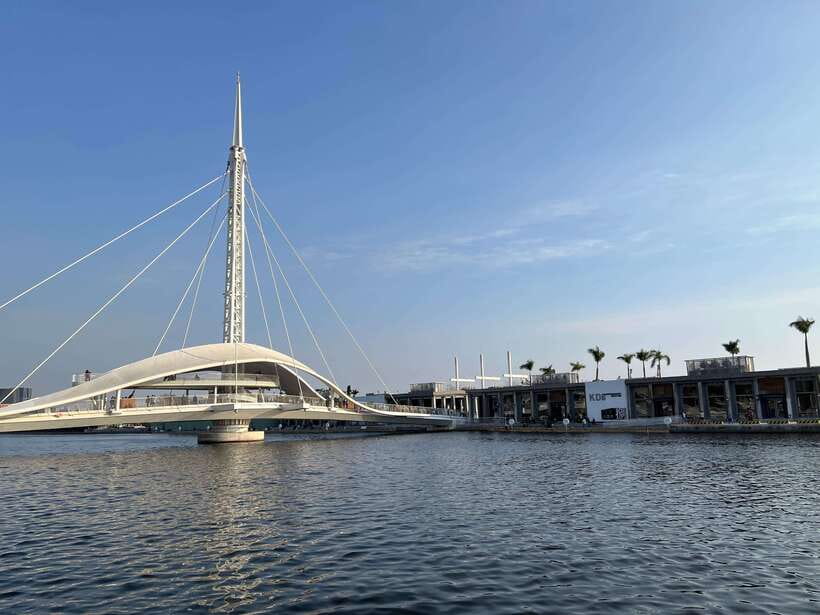
A highlight of the middle of the day is a shift from grand religious grounds to classic Chinese heritage and street-level atmosphere. You’ll visit a Confucius Temple, described as a masterpiece of traditional Chinese architecture and a window into ancient wisdom.
In practical terms, temples like this are worth your time because:
- You can see design patterns that carry meaning, not just decoration.
- The place often feels more intimate than massive museum sites, so conversation with your guide lands better.
Next comes the Love River walk. The tone changes again—this one is labeled as romantic and popular with locals. Even if you’re not in a mood for sentiment, Love River is a good break from static sightseeing because you’re moving at a human pace, watching the harbor-side rhythm of the city.
This portion also helps with a common tour problem: after a big landmark, people either speed up out of fatigue or get cranky because they feel trapped indoors. Here, your feet do the work, and your eyes get to relax.
The mid-tour break slot: how to use the free hour
There’s a break/free time window of about 1 hour built into the rhythm. That hour is your chance to manage your own energy and needs. Since meals aren’t included, you may want to treat this time as lunch planning or a reset before the art stops.
How I’d use it:
- Check whether you’re hungry now, not later. If you wait, the rest of the afternoon can feel rushed.
- Use the guide’s local knowledge for a good meal choice. One feedback note directly suggests specifying a restaurant to your guide/driver, because a poor lunch can undercut the day even if the sightseeing is great.
- If you want shopping or a snack run, this is also the time to do it.
Think of this hour as a pressure valve. The day is paced across temples, pagodas, then art. That break keeps the art stops from feeling like they’re happening while you’re running on empty.
Pier-2 Art Center: modern Kaohsiung in the harbor area
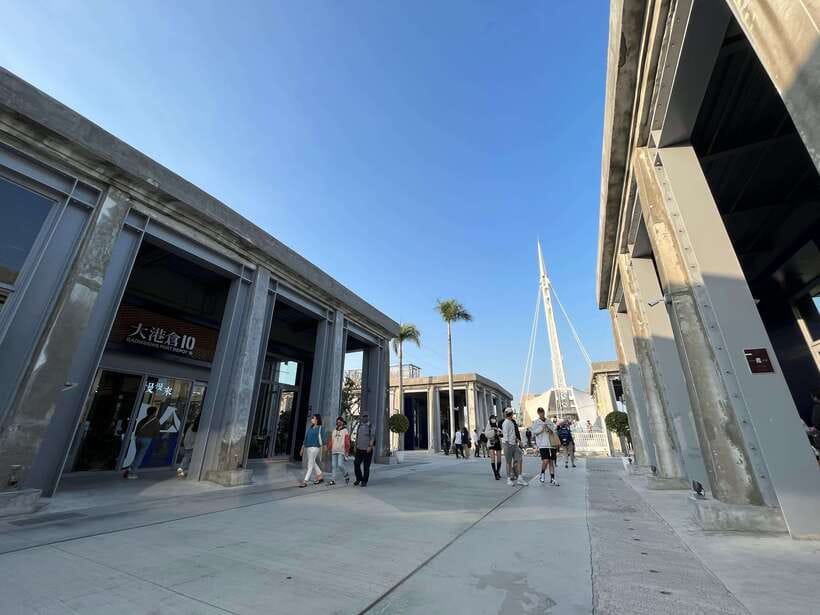
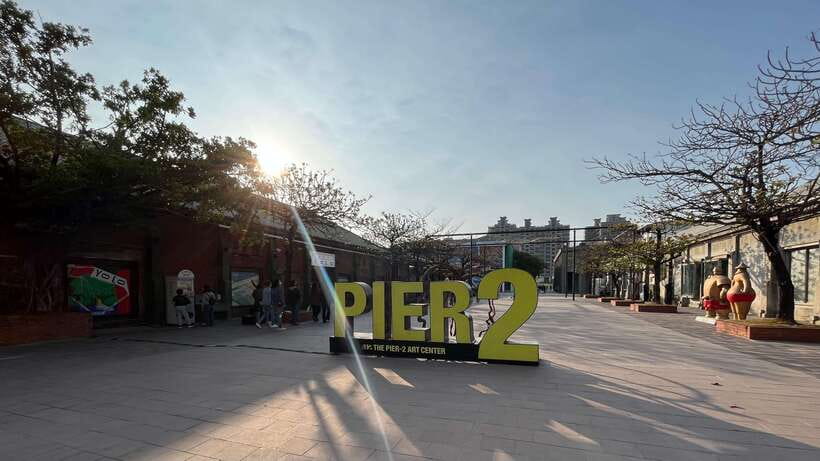
Then the itinerary swings toward contemporary Kaohsiung with Pier-2 Art Center for about 1 hour. This is described as a creative hub with modern art exhibitions and an atmosphere that feels more experimental than a traditional museum.
This stop tends to work especially well if you like:
- Street-scale art—things that feel connected to a working environment.
- Changing exhibits, so the experience feels less repetitive than a fixed collection.
- Photogenic spaces where modern forms meet old waterfront vibes.
What I like here is the balance. You go from religious scale to scenic pond views, then into a creative space that feels like Kaohsiung is actively shaping its identity now—not just preserving it.
If you’re traveling with family members who don’t always want another lecture, Pier-2 can be more about walking, looking, and reacting. Your driver-guide can keep you moving, but you get room to wander at your own pace.
Kaohsiung Museum of Fine Arts: rounding out the art side
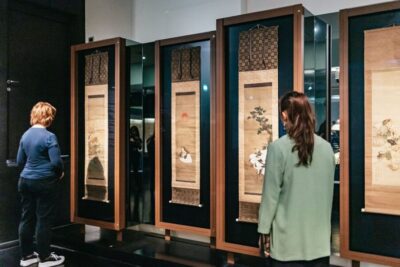
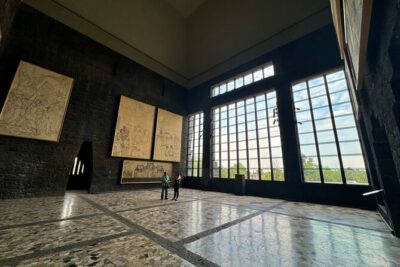
The final main museum stop is Kaohsiung Museum of Fine Arts for about 45 minutes. It’s positioned as a collection that includes both Taiwanese and international artworks, which is a smart way to round out the day after Pier-2’s contemporary exhibitions.
At 45 minutes, you’re not trying to see everything. Instead, you’ll want to:
- Choose a couple of galleries that match what you like most.
- Read what matters—labels can add context quickly without turning the museum into a marathon.
- Let your guide point out where to focus if your time feels short.
This final segment gives your day a clean arc: scenic cultural sites first, then art in two forms. By the time you’re heading back to Kaohsiung City, you’ll have a mix of visuals and ideas that feel connected, not random.
Price and value for a private 8-hour Kaohsiung loop
At $104 per person for an 8-hour private tour, you’re paying for time, not just attractions. The value math gets clearer when you look at what’s included:
- A private air-conditioned car
- Passenger insurance
- Tolls and parking fees
- A personal driver-guide
That’s a real difference from cobbling together taxis and paying separate fees for each ride. A private guide also changes the quality of your visit, because you’re not just reading signs—you’re getting explanations in English or Chinese.
Who this price makes sense for:
- Small groups who want flexibility and not a rigid schedule.
- Families who prefer one vehicle and one plan.
- People who care about context, like the religious and cultural meanings behind what they’re seeing.
What you should budget for separately: meals and beverages and personal expenses. Since that’s the only clear omission, you can plan a simple lunch strategy during the mid-day break slot and keep the rest of your spending predictable.
Who this tour suits best (and who should reconsider)
This is ideal if you want a full highlights day with minimal logistics and you like a guide who can adapt to your interests. The feedback includes examples of guides adjusting to family needs, keeping the day smooth, and tailoring explanations rather than running a one-size script.
You might especially enjoy it if:
- You’re coming to Kaohsiung for a first visit and want a smart sampler.
- You want both classic culture (Confucius Temple, Love River) and modern creative stops (Pier-2, Fine Arts Museum).
- You’re the type who cares about photos and appreciates direction on where to stand.
It might be less ideal if:
- You hate being on the road for most of the day (even with a private car, you’ll spend real time traveling).
- You expect meals to be included; you’ll need to plan that around the free hour.
- You want to stay longer at a single site no matter what. The time blocks are designed to cover multiple highlights.
Should you book this Kaohsiung private tour?
I’d book it if your goal is a hassle-free, well-paced highlights day that mixes Fo Guang Shan, Lotus Pond’s pagoda views, and Kaohsiung’s art side at Pier-2 and the Fine Arts Museum. The private chauffeur and personal driver-guide are the real engine here: they keep the day calm, flexible, and easier to enjoy.
Before you confirm, do two simple things: plan for lunch during that mid-day free hour, and ask your driver-guide if anything at the Dragon & Tiger Pagodas area is affected by repairs on the day you go. If you do that, you’ll be set up for a long, satisfying day that feels like Kaohsiung at full speed, without chaos.
FAQ
How long is the Kaohsiung private city tour?
The tour duration is 8 hours.
What’s included in the price, and what isn’t?
Included are a private air-conditioned car, passenger insurance, tolls and parking fees, and a personal driver-guide. Meals and beverages, plus other personal expenses, are not included.
What languages does the guide speak?
The tour offers a live guide in English and Chinese.
How is transportation handled for different group sizes?
For a private group of 1–3 people, you get a private car with a dedicated driver-guide. For 4–7 people, there’s a private van with a driver-guide. For 8–15 people, you’ll use a mid-size bus with a professional driver and tour guide.
Do you pick up and drop off from my hotel?
Yes, pickup and drop-off are included from your Kaohsiung City location.
Is free cancellation available?
Yes. You can cancel up to 24 hours in advance for a full refund. You can also reserve now and pay later, so you can book without paying immediately.