
REVIEW · POLISH AVIATION MUSEUM
Krakow: Polish Aviation Museum Entry Ticket
Book on GetYourGuide →Operated by Discover Cracow · Bookable on GetYourGuide
Aircraft history hits different on a real airfield. A visit to Krakow’s Polish Aviation Museum feels like stepping into flight itself, because it’s housed at the former Rakowice-Czyżyny airport with both indoor hangars and an open-air collection.
I like that the museum mixes major aircraft stories with hands-on learning. The interactive science zone helps you understand the physics behind flight, and I love that you can also track down true aviation oddities like the Grigorovich M-15 (1916).
One thing to consider: English support can be spotty in some areas, so if you want every label fully in English, you may need to accept some parts are more interpretive than text-heavy.
In This Review
- Key highlights to look for
- Entering a museum that used to be an airfield
- How to plan your self-guided day (no tour needed)
- The 300+ exhibits: where the aviation story really clicks
- WWII aircraft and Cold War hangars: what to prioritize
- Open-air museum time: Soviet-era aircraft feel bigger outside
- The interactive science zone for kids (and adults who like hands-on stuff)
- Language reality: expect some labels to be light on English
- Value for $10: what you actually get
- Getting to the former airport: tram beats stress
- Who should book this ticket
- Should you book the Polish Aviation Museum ticket?
- FAQ
- How many exhibits are at the Polish Aviation Museum?
- How long is the ticket valid?
- Is this entry ticket a guided tour?
- What’s included for children?
- Are there aircraft displays outdoors?
- What important time limit should I know?
- How much does the entry ticket cost?
- Can I cancel for free, and can I pay later?
Key highlights to look for

- Former Rakowice-Czyżyny airport setting: aircraft feel at home here, not behind glass only
- 300+ exhibits covering the full story arc from early flight to modern times
- WWI and WWII artifacts including hulls of German WWII Halberstadt Cl.II or Roland D.IV
- A true rare stop: the only remaining Russian flying boat Grigorovich M-15 from 1916
- Open-air Soviet-era aircraft like Antonov AN-26 and Polish PZL 130 Orlik
- Kids’ interactive areas with experiments and a more playful hangar setup
Entering a museum that used to be an airfield
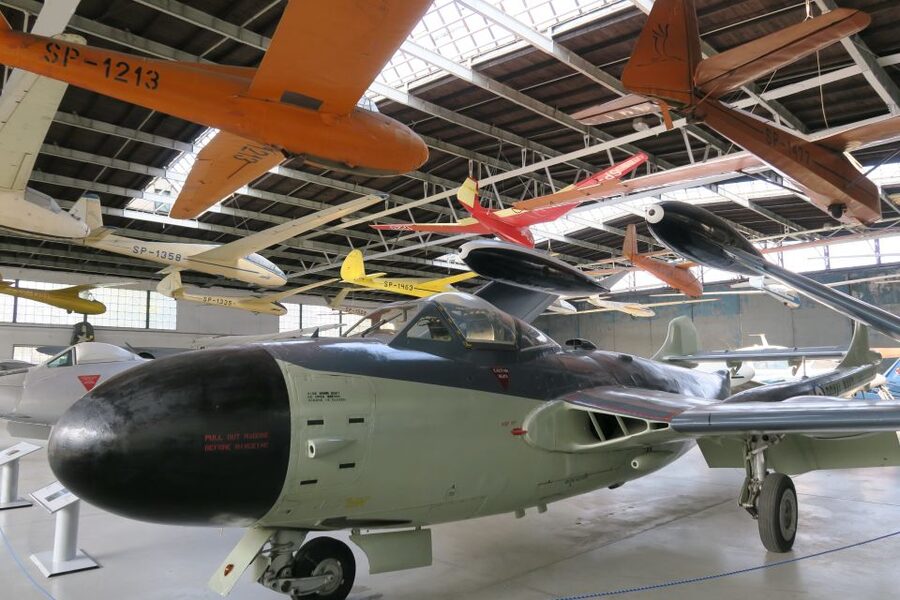
This ticket takes you to a place where aviation didn’t just happen nearby. The Polish Aviation Museum sits on the former Rakowice-Czyżyny airport, one of the oldest airports in Europe, so the setting supports the exhibits instead of fighting them.
That matters because you’re not only looking at aircraft—you’re walking through a former flight environment. You’ll move between hangars and outdoor displays, and it makes the history feel physical, like you could hear engines when you turn a corner.
A few more Polish Aviation Museum tours and experiences worth a look
How to plan your self-guided day (no tour needed)

This is entry access for 1 day, and it’s self-guided. That’s a plus for two reasons: you can move at your pace, and you don’t have to worry about keeping up with a group when you want to linger at a specific plane.
A practical approach: start with the indoor hangars first while you still have energy for reading and close-up viewing. Then shift to the open-air museum, where the aircraft feel more dramatic and you’ll spend more time walking between displays.
Plan around a couple of hours if you’re focused, and more if you’re the type who reads labels and stops at the interactive areas. Even reviews that were time-limited still mention the museum feels larger than people expect.
The 300+ exhibits: where the aviation story really clicks
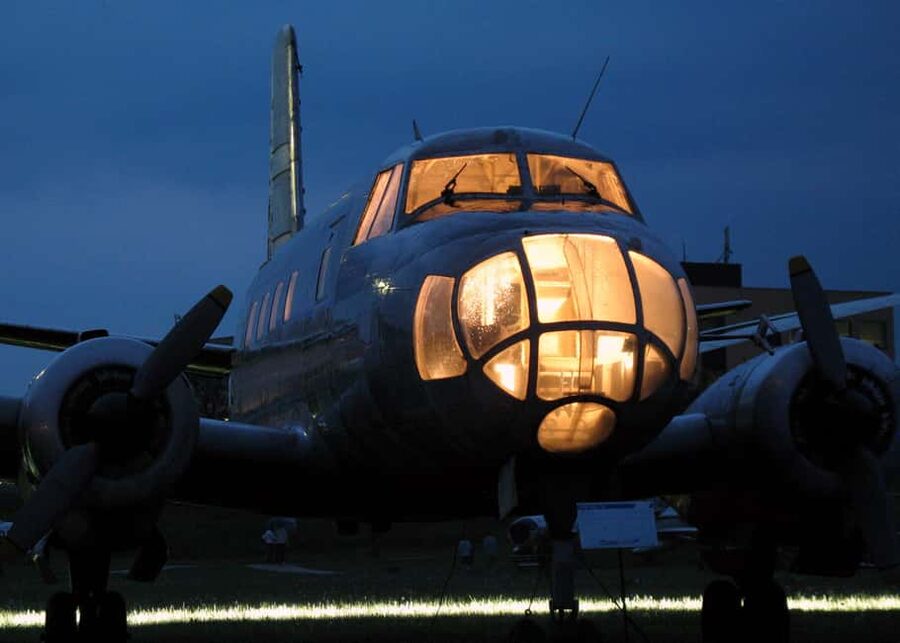
The core appeal here is scale: over 300 aviation-related items, spread across themed areas and displays. You’re looking at the evolution of flight, not just a random collection of aircraft shapes.
What I think makes the museum special is the mix of well-known and unusual. You’ll see aircraft spanning both world wars and beyond, and you’ll also spot items that feel like aviation detective work—rare remnants and specific machines that collectors talk about.
A few standout types to chase:
- WWII aircraft parts: you can encounter the hulls of German WWII models like Halberstadt Cl.II or Roland D.IV, which gives you a very direct look at what survived and what’s been preserved
- Early aviation rarity: the museum includes the only remaining Russian flying boat Grigorovich M-15 from 1916, a big deal if you like the earliest era of flight technology
- Modern/varied eras: the range of exhibits helps you connect early flight problems to later solutions
Also keep an eye out for the museum’s more unexpected items, including a papal helicopter. It’s the kind of display that reminds you aviation isn’t only military history; it’s also transport, ceremony, and national identity.
WWII aircraft and Cold War hangars: what to prioritize
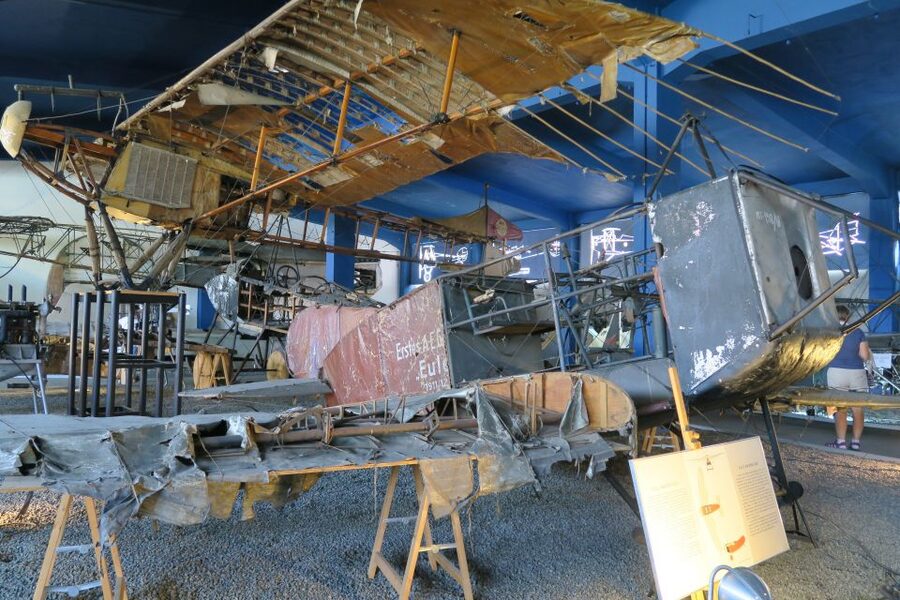
If you’re deciding what to spend your time on, I’d aim for the hangars that represent major eras and themes. The museum has themed spaces, including one dedicated to the Cold War, and that kind of structure helps you understand the planes in context instead of treating every aircraft as a separate trivia card.
Inside, you’ll likely find a mix of aircraft, restored components, and interpretive displays that help connect technology to the politics of the time. Even if you aren’t a hardcore aviation nerd, the hangar layout makes it easier to follow the timeline.
One small reality check: some spaces may be closed due to events, which can shorten your viewing if you arrive at a bad time. If you have limited time, it’s still worth coming—just don’t assume every building will be fully accessible.
Open-air museum time: Soviet-era aircraft feel bigger outside
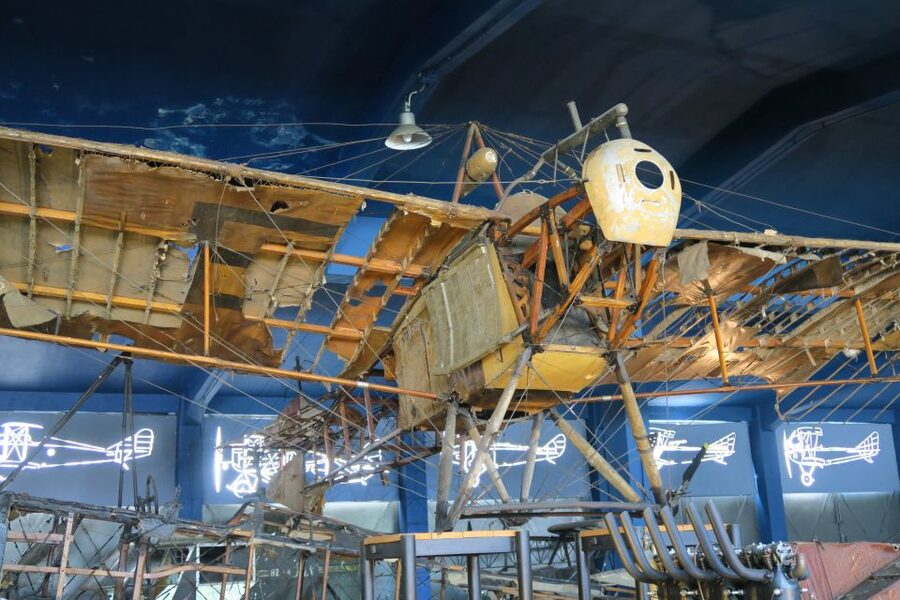
After the hangars, shift to the outdoor collection in the park-like setting. The open-air museum is a major part of the experience, and it’s where aircraft often look most imposing.
The outdoor displays include well-known Soviet-era machines such as:
- Antonov AN-26
- Polish PZL 130 Orlik
I like the outdoor setup because you can see scale and stance without the pressure of indoor space. It also makes photography easier, especially when aircraft are positioned like they’re ready for the next takeoff.
One practical note: a lot is outside. On sunny days, it can get tiring—plan for shade breaks, water, and sunscreen, especially if you tend to walk slowly and read everything.
The interactive science zone for kids (and adults who like hands-on stuff)
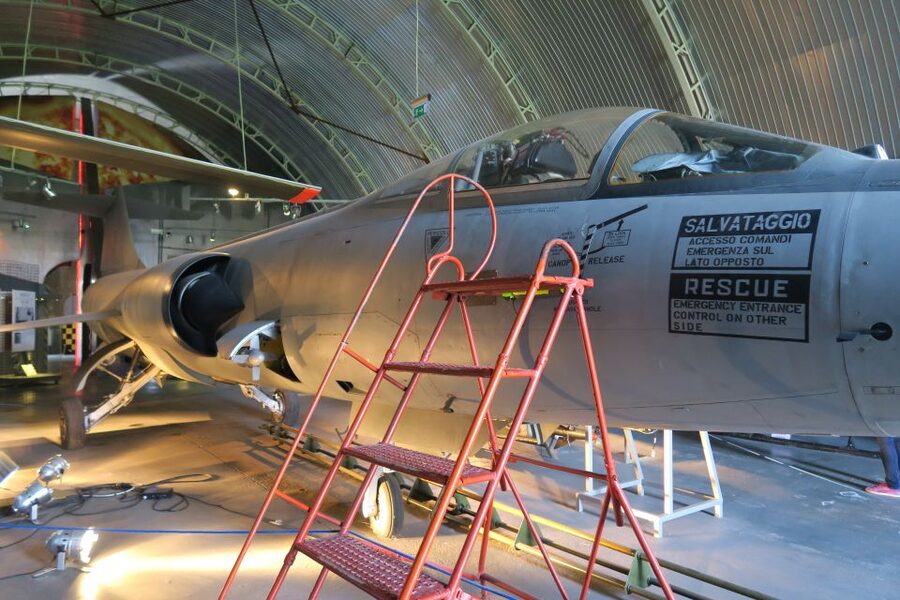
Families have a strong option here: an interactive zone focused on physics and flight principles. It’s not just entertainment; it helps explain the logic of how flight works, which makes the museum feel smarter than a static walk-through.
Kids also get a dedicated area for experiments, plus space for running around. That combination matters because children can switch between learning and movement instead of getting stuck waiting in line or standing too long.
There are also small games and playful elements in some hangar areas (including a glider hangar setup). If you’re traveling with kids, this is the part that often turns a museum stop into an activity day.
Language reality: expect some labels to be light on English
I’m going to be direct here: English coverage isn’t guaranteed across every exhibit area. Some parts of the museum have limited English translations, and it can slow you down if you rely on labels to guide you.
If that’s a concern, you can still enjoy the aircraft visually, and you can focus on the interactive and the biggest display hangars where interpretation may be clearer. You may also get more value if you go with a rough idea of eras (WWI/WWII/Cold War/modern), so you’re not dependent on perfect translations.
Value for $10: what you actually get
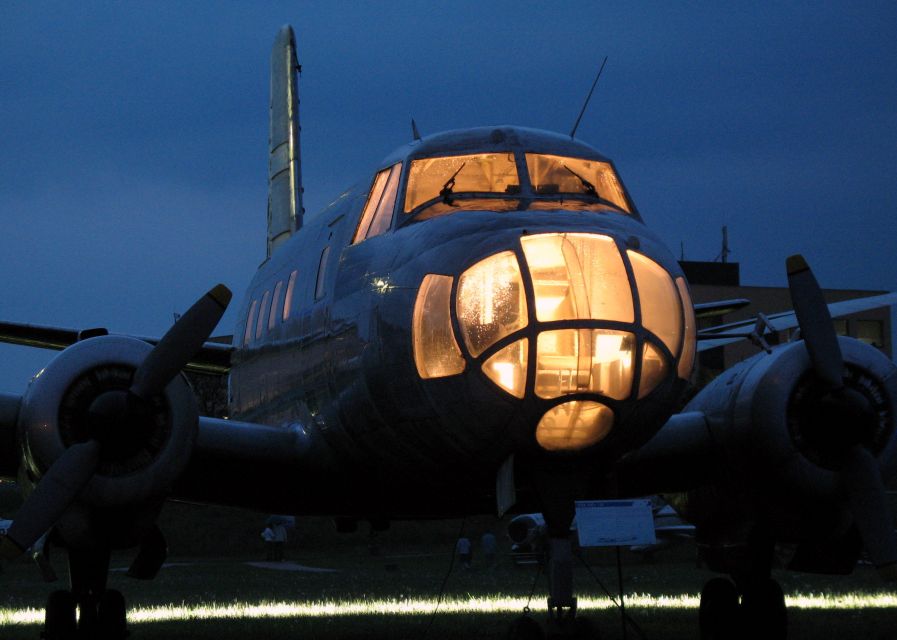
At about $10 per person for a full day of entry access, the value is strong if you like aviation and hands-on learning. The museum delivers on the big-ticket promise: 300+ exhibits, indoor hangars, and outdoor aircraft spread across a former airfield.
This isn’t a short, curated sprint. It’s a walkable site with enough variety that you can spend hours without repeating yourself. And since there’s no guided tour included, you’re buying the freedom to explore rather than a lecture.
Two things also help value:
- Interactive areas for children, which can keep younger visitors engaged
- Skip-the-ticket-line, which reduces time wasted on administrative bottlenecks
Getting to the former airport: tram beats stress
The museum is at Rakowice-Czyżyny, outside the compact old-town core. You have a couple of workable options, and the museum area is easy to reach using public transport.
A common plan is taking an Uber/Bolt-style taxi to get there smoothly, then returning by tram to old town. That keeps your time simple without overpaying for the whole trip.
For trams, using the Jakdojade app can help you pick the right route and stop. If you like to feel in control of transfers, this is worth doing before you head out.
Who should book this ticket
Book it if you:
- Want a self-guided aviation day with 300+ exhibits
- Enjoy WWII aircraft, early aviation, and Cold War-era themes
- Travel with kids and need real interactive options
- Prefer outdoor aircraft viewing in addition to indoor displays
Consider skipping or adjusting your expectations if you:
- Need every exhibit label in full English
- Have very limited time and can’t risk a building being closed due to events
Should you book the Polish Aviation Museum ticket?
Yes, if you want a satisfying day for about $10 and you’re the type who enjoys aircraft more than souvenirs. The former-airfield setting, the rare displays like the Grigorovich M-15, and the mix of indoor hangars plus open-air Soviet-era aircraft create a fuller experience than most aviation stops.
If you’re traveling with family, the interactive science zone and kid-focused experiment area make this ticket feel especially practical. I’d book it and then plan on an unhurried visit—this museum rewards time, not speed.
FAQ
How many exhibits are at the Polish Aviation Museum?
You’ll have access to over 300 aviation-related items across indoor and outdoor displays.
How long is the ticket valid?
The entry ticket is valid for 1 day.
Is this entry ticket a guided tour?
No. A guided tour is not included.
What’s included for children?
There’s an interactive zone and a special children’s area with experiments.
Are there aircraft displays outdoors?
Yes. The museum has an open-air museum section with outdoor aircraft exhibits.
What important time limit should I know?
The last entrance is 30 minutes before closing.
How much does the entry ticket cost?
The price listed is about $10 per person.
Can I cancel for free, and can I pay later?
Free cancellation is available up to 24 hours in advance for a full refund, and there’s a reserve now & pay later option.