
Potatoes, politics, and people’s survival stories. I love the advance mobile ticket that helps you skip lines and the 15-minute documentary that gives your self-guided route real emotional momentum. One drawback to plan for: it’s a text-light, poster-heavy setup in a mall space, and some areas around the film can feel warm.
You start at St Stephen’s Green Shopping Centre, then walk your own route through artifacts, newspapers, and even an original soup pot. The exhibit also includes rare aerial views of the park, which is a smart touch because it links the famine story to the Dublin setting you can actually stand in.
In This Review
- Key highlights to look for
- Entering the Irish Famine Museum at St Stephen’s Green Shopping Centre
- Price and value: is $18.15 worth it?
- The self-guided experience: how your 1 hour actually feels
- Your first stop: walking the exhibition inside the shopping centre
- Inside the story: what you’ll see about the Great Hunger
- The short documentary film: when to watch it
- Rare aerial views of St Stephen’s Green: a clever connection to Dublin
- Language options: English plus a translation guide
- Comfort, timing, and practical tips for an easier visit
- Who this Irish Famine Museum stop is best for
- Should you book the Irish Famine Museum / Exhibition Dublin?
- FAQ
- Where is the Irish Famine Museum / Exhibition in Dublin located?
- How long does the experience take?
- Is it self-guided or guided by a person?
- Is there a documentary film included?
- What languages are available?
- What are the opening hours?
- What is the cancellation policy?
Key highlights to look for
- Skip-the-line mobile ticket so you spend less time queued and more time reading and watching
- Self-guided in about 1 hour, so you can slow down or speed up
- 15-minute documentary film that anchors the story before (or after) you walk the rooms
- 19th-century photos plus real artefacts, including an original soup pot and period newspapers
- Rare aerial views of St Stephen’s Green that connect past and present Dublin
- Translation guide available in French, German, Italian, and Spanish
Entering the Irish Famine Museum at St Stephen’s Green Shopping Centre

This exhibition is built for a quick, focused stop in Dublin. You’re based at St Stephen’s Green Shopping Centre, a very central area that makes it easy to pair with a walk to the park before or after your visit.
I like that the experience is simple: you don’t need a guide voice telling you what to notice every minute. Instead, you move at your pace through the displays, which matters because the Irish Potato Famine is emotional and detailed. If you’re the type who wants to linger on a single photo or caption, you can.
One practical note: the museum space is inside a mall setting. That comes with some trade-offs in comfort, and you’ll want to dress like you’re going into a public indoor room that isn’t designed like a chilled, purpose-built gallery.
You can also read our reviews of more museum experiences in Dublin



Price and value: is $18.15 worth it?
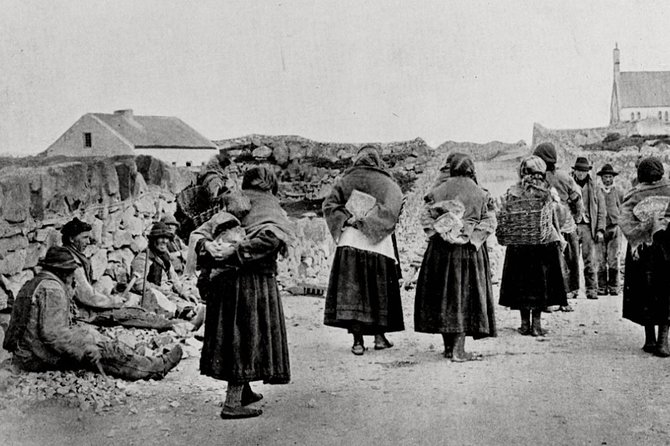
At $18.15 per person, this is not a budget museum, but it also isn’t a big-ticket, half-day attraction. For that money, you’re buying admission to a tightly timed experience—around 1 hour—that combines artifacts, images, and a short documentary film.
Here’s why I think the price makes sense: the exhibition doesn’t just dump dates. It’s designed to help you understand how disaster unfolded, including the slow nature of responses to an agricultural crisis. If you go in wanting clarity (not a long, multi-room day), this works.
If you’re hoping for lots of high-tech audio-visual moments, lower expectations slightly. The film is 15 minutes, and beyond that the experience leans on reading posters, looking at photos, and studying the objects.
The self-guided experience: how your 1 hour actually feels
Your visit is self-guided, and the experience ends back where you started. You’re not rushed by a forced group schedule, which is great if you like controlling your pacing.
Plan to do this in one clean pass. The story builds, and it’s easier to keep the emotional thread when you don’t wander off to chat or snack midway. If you have limited time in Dublin, this one-hour format can be a relief—you get a solid dose of context without wiping out your whole afternoon.
Also, the maximum group size is 90. Since the route is self-paced, crowding usually isn’t as intense as in a strictly guided tour, but it’s still a good idea to go in with a calm rhythm: look first, read second, then circle back if something sparks questions.
Your first stop: walking the exhibition inside the shopping centre
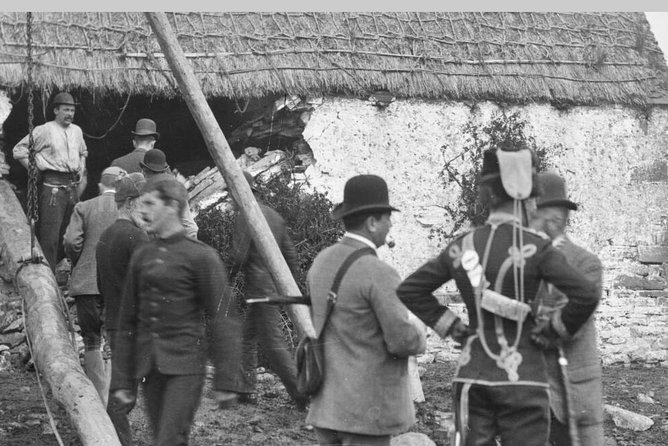
After you arrive at St Stephen’s Green Shopping Centre (St Stephen’s Green, D02 HX65), you’ll move into the exhibition rooms and start working through the displays. The layout is built around signs and panels, so your job is to read at your own speed and connect the timeline with the objects you see.
What I like about this setup is that it doesn’t pretend the famine can be explained only through textbooks. You’ll see a mix of museum artefacts and visuals that help you grasp scale and cause-and-effect, not just tragedy as a headline.
The main drawback is exactly what you’ll notice right away: it can feel like a temporary-style exhibition rather than a grand, climate-perfect museum. If you’re sensitive to warm indoor spaces, especially near where the film is shown, plan for it.
Inside the story: what you’ll see about the Great Hunger
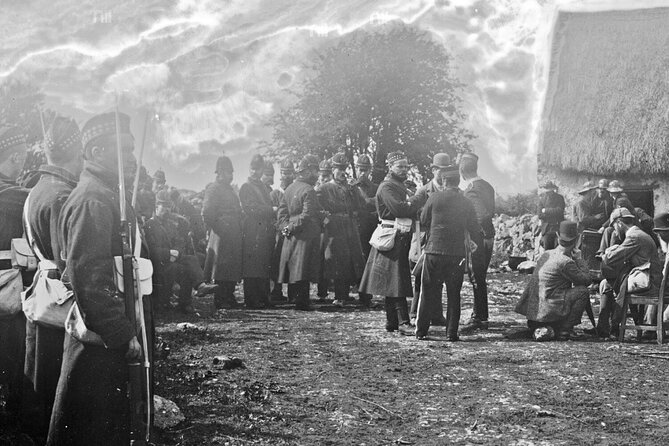
The exhibition covers the Irish Potato Famine, also called the Great Hunger. Expect a straightforward narrative, with plenty of visual evidence—19th-century photos, period newspapers, and at least one striking original object: an original soup pot.
This kind of object-based storytelling works. A pot might sound simple, but it makes the history feel physical. It’s hard to reduce the famine to abstract facts when the display includes something that looks like it belonged to everyday life.
You’ll also pick up how the crisis was shaped by political decisions and the slow pace of disaster response to an agricultural emergency. The exhibit’s tone is not only about what happened, but about what failed—how people with power handled (or didn’t handle) a situation that was getting worse.
If you like learning in a clear, no-nonsense way, you’ll probably appreciate the approach. The information is presented in a way that aims for understanding, not academic wordplay. And if you’re visiting with family, it’s the kind of exhibition that can turn discussion into big questions about responsibility and decision-making.






The short documentary film: when to watch it
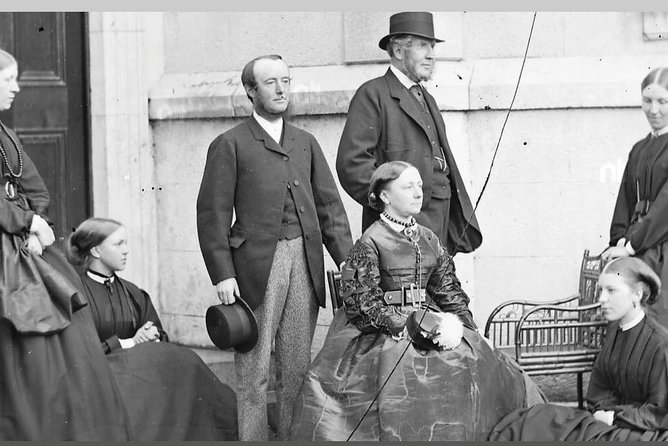
A 15-minute documentary film is included, and it’s one of the easiest pieces to absorb fast. This is the “watch” component that breaks up the posters and photos, and it helps you organize the story in your head.
If you want maximum impact, try this order:
- Do a quick scan of the room first (so the film names and themes already mean something).
- Watch the documentary.
- Then go back and re-read the posters with fresh context.
One comfort consideration: the room where you watch the film may not be climate controlled. If you start to feel warm, it’s okay to take your time before the film and then move back out right after.
Rare aerial views of St Stephen’s Green: a clever connection to Dublin
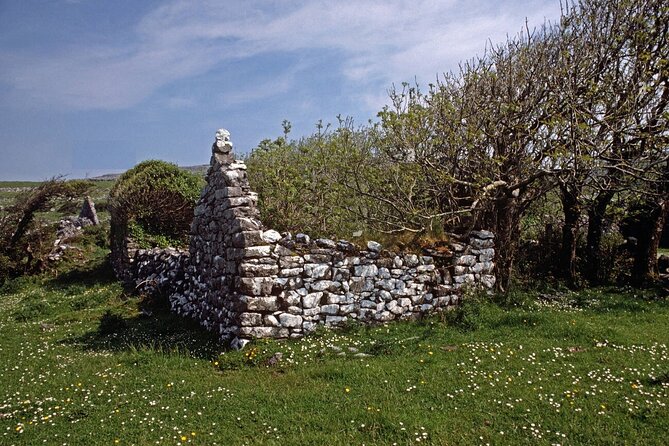
One of the more unusual details in this exhibition is the inclusion of rare aerial views of St Stephen’s Green park. This is more than a neat visual trick. It helps you connect the story to the place you’re standing in now.
That matters because the famine happened in a living world, not a history book. When an exhibit ties a national disaster to a recognizable Dublin landmark, you’re more likely to remember the setting and the scale of what was at stake.
Think of it as a mental bridge. You go from reading about the famine to looking at your surroundings with different eyes. It’s a small section, but it can make the visit feel more grounded.
Language options: English plus a translation guide
The experience is offered in English. If you prefer another language, you can use a translation guide available in French, German, Italian, and Spanish.
This is worth planning for. Translation guides can change how you move through an exhibition. If you’re reading along, give yourself a bit more time and accept that the hour may feel slightly tight. If you’re comfortable with English, you’ll likely fly through the visuals faster and spend more time on the parts that hit hardest.
Comfort, timing, and practical tips for an easier visit
This stop is designed to be quick, but your comfort can make the difference between a calm learning hour and a stressful one.
Here are a few things to do before you go:
- Dress for indoor temperature swings. The film area may feel warm.
- Wear shoes that handle a slow walk. You’ll be moving and stopping often.
- Bring your attention. The best way to get value here is to actually read and look, not just skim.
Timing is also simple. The opening hours run daily from 12:00 PM to 6:00 PM during 04/01/2026 to 09/30/2026. Since the experience is about 1 hour, you can comfortably slot it between other St Stephen’s Green activities.
And because it’s near public transportation, you can treat it as a stop on a bigger Dublin day plan. Just don’t overstack your schedule—give yourself enough slack to stay with the exhibit as long as it deserves.
Who this Irish Famine Museum stop is best for
This is a smart choice if you want:
- A short, self-guided learning stop that doesn’t require a tour group pace
- Clear context on the Irish Potato Famine and how a crisis unfolded
- A mix of photos, newspapers, and real artefacts (including an original soup pot)
- A built-in documentary to support the written panels
- Extra meaning if you like connecting history to a real city space (the St Stephen’s Green aerial views)
It’s also a good pick for families who want to discuss big topics. The documentary plus the object displays can spark questions fast, especially if you’re the type who talks through what you see rather than rushing ahead.
You might want to skip this type of format if you strongly dislike reading. The museum leans on text panels and photos, with the 15-minute film as the main audio-visual component.
Should you book the Irish Famine Museum / Exhibition Dublin?
I’d book it if you want a focused, one-hour stop with strong context. At $18.15, the value is in the blend: artefacts, 19th-century photos, newspapers, and a short film, all centered on understanding the Great Hunger without turning it into a long, exhausting museum marathon.
Book it if you’re visiting Dublin and want something meaningful that fits into real schedules. This isn’t a half-day plan; it’s a stop that respects your time.
Skip or reconsider if comfort and climate control matter a lot to you, or if you’re hoping for lots of interactive, guided, high-tech content. The experience is intentionally simple and self-directed, and the trade-off is that it can feel like a temporary exhibition in a mall space.
If you do go, go prepared to read. You’ll get more out of it, and the story lands harder when you slow down just enough to take it in.
FAQ
Where is the Irish Famine Museum / Exhibition in Dublin located?
It’s at St Stephen’s Green Shopping Centre, St Stephen’s Green, Dublin (D02 HX65, Ireland). The experience ends back at the meeting point.
How long does the experience take?
It lasts about 1 hour.
Is it self-guided or guided by a person?
It’s self-guided, so you explore at your own pace.
Is there a documentary film included?
Yes. A 15-minute documentary film is included as part of the experience.
What languages are available?
The experience is offered in English. A translation guide is available in French, German, Italian, and Spanish.
What are the opening hours?
From 04/01/2026 to 09/30/2026, it runs Monday–Sunday from 12:00 PM to 6:00 PM.
What is the cancellation policy?
You can cancel for a full refund if you cancel at least 24 hours before the start time. Changes within 24 hours of the start time aren’t accepted, and refunds won’t be issued if you cancel less than 24 hours before.