REVIEW · DUBLIN
Irish Rock ‘N’ Roll Museum Experience Dublin
Book on Viator →Operated by KF Internet Software · Bookable on Viator
Rock music in Dublin, with real gear.
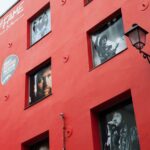
The Irish Rock ’N’ Roll Museum Experience turns Temple Bar into a music lesson, with interactive exhibits and a guided run through the spaces where Irish artists have performed and recorded. You’re not just staring at posters—you’re walking through the behind-the-scenes feel of the rock scene and how it shaped Dublin youth culture.
Two things I really like: you get access to iconic performance and studio rooms, and the collection isn’t stuck in one decade. The tour spotlights bands and artists like Thin Lizzy, U2, Van Morrison, Hozier, The Script, Sinead O’Connor, and even memorabilia tied to major pop names such as Michael Jackson.
One possible drawback: since this tour finishes in Temple Bar and includes time in and around the venue areas, wear shoes you can walk in, and be ready for a bit of outdoor movement depending on the day.
In This Review
- Key takeaways
- Temple Bar start: why this location works
- The 75 minutes: how the tour flows
- Inside the performance space: where famous names “felt real”
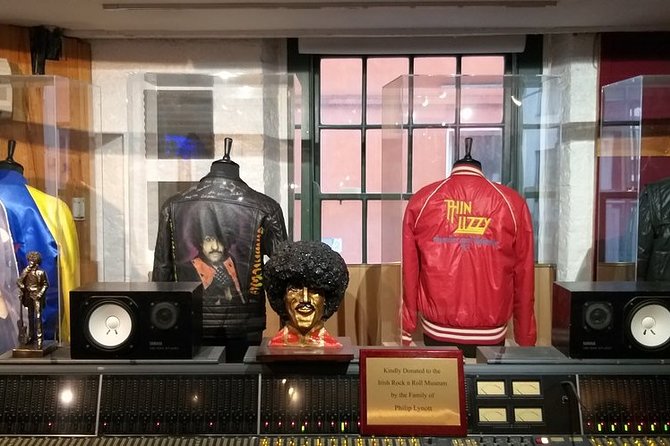
- Memorabilia, photos, and the “real gear” effect
- Thin Lizzy spotlight: why that dedicated stop matters
- Rehearsal rooms: recording your own song is the best souvenir
- Guides make or break it: what to watch for
- Price and value: $26.60 for a studio-style guided experience
- Practical logistics: what to plan before you go
- Who should book this Irish Rock ’N’ Roll Museum tour
- Tips to get more out of Temple Bar and the museum
- Should you book the Irish Rock ’N’ Roll Museum Experience?
- FAQ
- How long is the Irish Rock ’N’ Roll Museum Experience?
- Where does the tour start and where does it end?
- What is included in the price?
- How many people are in the group?
- Is the tour offered in English?
- Is transportation included?
- What are the cancellation rules?
- Is it easy to reach using public transportation?
- Is the tour suitable for most travelers and service animals?
Key takeaways
- Small-group feel (up to 4) means you’re more likely to get direct answers from your guide.
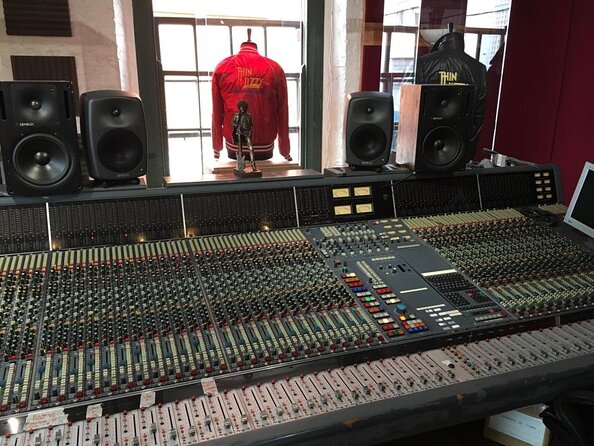
- Studio-style rooms and recording booths help the museum feel practical, not just decorative.
- Thin Lizzy gets its own spotlight, including specific memorabilia and story-driven context.
- You can record your own song in the rehearsal rooms, which makes this a fun activity, not only a history stop.
- The tour is built around Dublin’s music culture, from famous names to the working music industry side.
- It ends back in Temple Bar, so you can continue your night out on foot.
Temple Bar start: why this location works
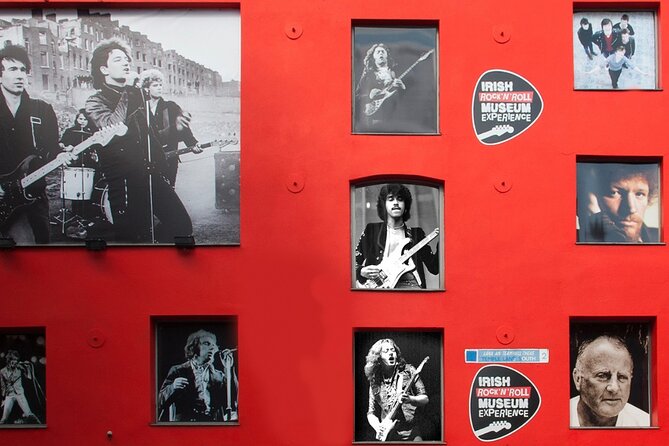
I like how this museum is placed in the middle of Temple Bar. You’re already in the neighborhood people walk through for a drink, a photo, and a bit of nightlife energy, but the tour gives you a different angle: the music industry side of the city.
The format is also friendly for a first-time visitor. You make your own way to the museum in Temple Bar, meet the guide, and then you’re guided through about 75 minutes of exhibitions and stories. When you’re done, you’re released back in the same Temple Bar area where you started, which makes it easy to keep moving without planning a second trip.
And since it’s offered in English, you won’t have to hunt for translations or wait for a multilingual setup.
You can also read our reviews of more museum experiences in Dublin


The 75 minutes: how the tour flows
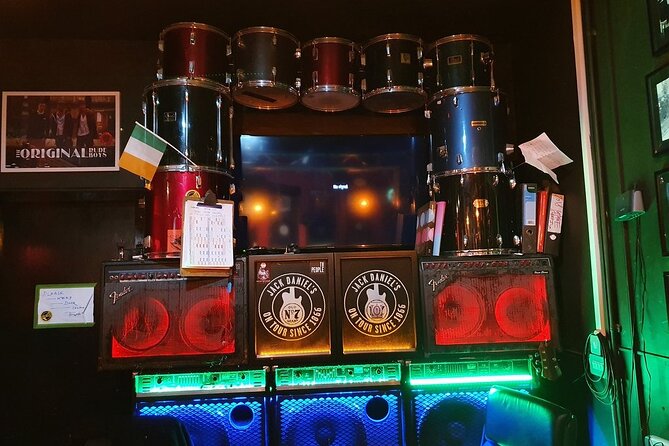
This isn’t a long crawl through ten rooms with no rhythm. The time feels paced, with a clear sequence that builds excitement as you go.
Here’s the usual flow:
- Welcome and guided walkthrough
You start with your local guide and move into the interactive exhibition areas. The focus stays on Irish rock ’n’ roll and how it links to Dublin’s youth culture.
- A lofty performance space
You’ll see a bigger performance area that has hosted major Irish artists over time, including names like Thin Lizzy, Van Morrison, Hozier, The Script, and Sinead O’Connor. Even if you only know a few of these bands, the room helps you understand what “getting on stage” meant in the local scene.
- Memorabilia from major rock and pop
The tour then shifts to physical items—memorabilia associated with big names. You’ll encounter items tied to U2 and Michael Jackson, along with guitars, records, photos, and band jackets displayed as part of the story.
- Photographs across decades
After the objects, you get photos of Irish music legends from different eras. This is where the museum connects the dots between what came before and how the scene kept evolving.
- Thin Lizzy exhibition focus
One of the standout parts is the dedicated Thin Lizzy section. This part matters because it gives the tour more depth than a general “greatest hits wall.”
- Rehearsal rooms and recording your own song
Then you get hands-on. In the rehearsal rooms, you try recording your own song experience—small, but memorable. It’s the “I can actually do something here” moment.
- Finish back in Temple Bar
You end right back in the Temple Bar area, ready to keep exploring on your own.
A practical note: bring a normal museum mindset, but also bring a little rock fan energy. The tour works best when you’re curious about the people behind the famous names.
Inside the performance space: where famous names “felt real”
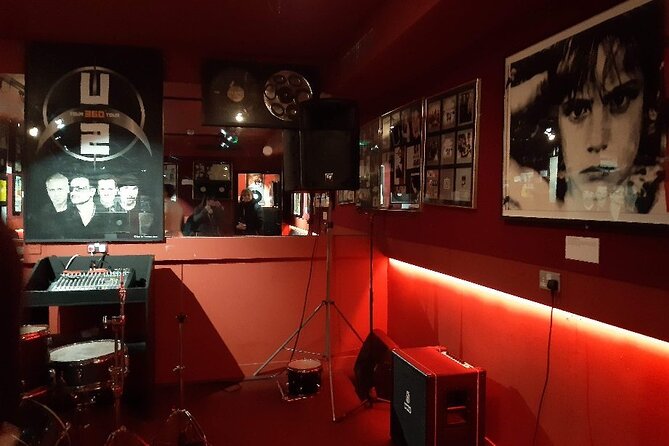
The museum’s performance space is a big reason people come back. It’s not just a room with a sign—it’s a room with stage presence. And it helps that the tour calls out which artists have been there.
You’ll hear about Irish acts such as Thin Lizzy, Van Morrison, Hozier, The Script, and Sinead O’Connor. That list alone makes the visit feel like a guided shortcut through Dublin’s music story. Instead of reading about it later, you stand in the kind of space where a career-level performance would have happened.
If you care about live music and you like understanding how venues shape artists, this part hits the right notes. It also gives you a sense of scale before you move into the more detailed memorabilia rooms.
Memorabilia, photos, and the “real gear” effect
I love museum collections when they answer a question: what did it actually take to make the music? This museum uses memorabilia to do that.
In the exhibitions, you’ll see items linked to U2 and even Michael Jackson, plus a lot of Irish rock artifacts. That’s a smart mix. The Dublin-focused elements help you feel grounded, while the international names show how the museum ties Irish performers into a larger pop and rock world.
Then come the photographs—images of Irish rockers across decades. This isn’t just decoration. It creates a timeline effect, helping you connect the Thin Lizzy era to later Irish rock names like The Script and Sinead O’Connor. It’s also a simple way to “get your bearings” on Irish modern music in one guided pass.
One thing I’d say upfront: if your expectation is a massive mega-museum with endless exhibits, you might feel slightly underwhelmed. A couple of people have said there wasn’t as much visible as they hoped. The counterpoint is that many visitors feel the museum’s value comes from the studio access and the guide’s storytelling, not just the quantity of display items.
Thin Lizzy spotlight: why that dedicated stop matters
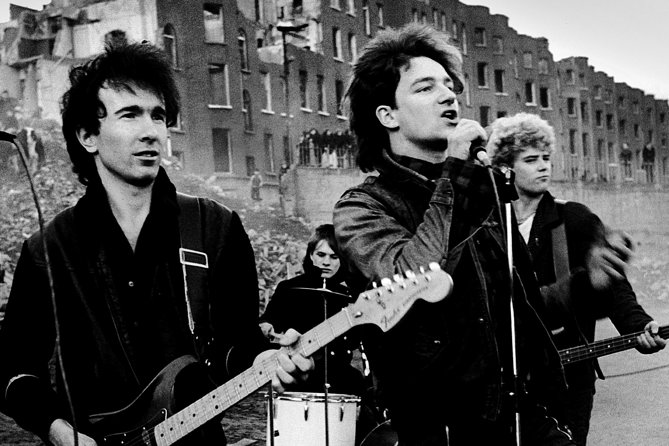
The Thin Lizzy section is one of the most specific, talked-about parts of the experience. Instead of spreading attention too thin, the tour dedicates time to their world—memorabilia and context—so you learn more than the headline “they’re important.”
I like this approach because it gives the tour a backbone. It’s easier to remember a band’s impact when the museum slows down for that artist rather than hopping around endlessly.
If Thin Lizzy is one of your favorites, this is a must. If they’re not, it’s still a useful primer. You’ll come away with a better sense of why Irish rock is more than one era or one style.





Rehearsal rooms: recording your own song is the best souvenir
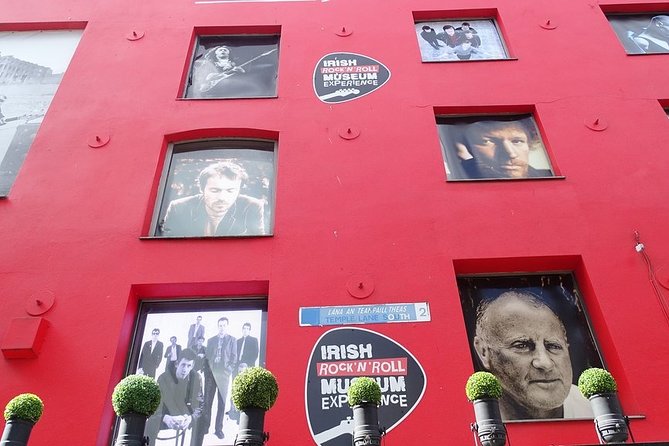
The rehearsal-room moment is why this experience feels more fun than a standard museum visit. You’re not only observing—you’re doing. The tour includes time in the rehearsal rooms where you can try recording your own song.
That hands-on part turns the visit into an activity you can remember clearly, even if you’re not the biggest collector-of-memorabilia type. And it’s a great way to involve families and mixed music tastes without making it boring for non-rock fans.
Just keep expectations reasonable. This is a short, guided try—not a full music production session. Still, it’s a standout highlight because it creates a personal connection to the place.
Guides make or break it: what to watch for
A big theme in the experience is guide energy and storytelling. The tour is run by local guides who work in or closely with the museum setting, and several guide names have come up repeatedly: Alan, Scott, Liam, Brian, Tony, Sterling, Emily, and Gline.
Here’s the practical takeaway: if you enjoy your guide, the whole tour gets better fast. On past tours, guides were praised for being funny, welcoming, and passionate, with stories tied directly to the real spaces.
If you want to maximize your odds:
- Go in with a couple of artists you like (even if it’s only one, like U2 or Thin Lizzy).
- Ask a question early, while your guide is still setting the frame.
- If your group is music-minded, share what you’re curious about so the guide can tailor the stories.
Because the tour is small-group in design, you’ll likely get more personal attention than on a big bus-style city tour.
Price and value: $26.60 for a studio-style guided experience
At $26.60 per person for about 1 hour 15 minutes, this is priced like a solid museum add-on rather than a premium “big attraction” ticket. What makes it feel like good value is that the tour includes the admission ticket and a local guide, and it gives access to spaces you usually don’t get in casual museum visits.
It’s also well-timed. An hour and a bit fits cleanly into an afternoon or early evening in Dublin. And since you finish in Temple Bar, you can turn the museum visit into a full mini-plan: tour first, then continue exploring nearby.
Just note what’s not included: there’s no food or drinks. So if you’re coming from a meal, you’re fine. If not, you’ll want to think about snacks or a pint right after.
Practical logistics: what to plan before you go
This is one of those tours where your planning can make the difference between smooth and rushed.
- Meeting and timing: you’ll make your own way to the museum in Temple Bar, then meet your guide. The tour finishes in the same Temple Bar area.
- Group size: the format is designed for small groups up to 4 travelers, but on any day schedules can vary. Your best move is to check your specific booking details so you know what size you’re joining.
- Walking comfort: plan for some movement, including outdoor walking around Temple Bar and time in the venue areas.
- Language: it’s in English.
- Most travelers can participate, and service animals are allowed.
- Near public transportation: it’s easy to reach without complicated transit planning.
Who should book this Irish Rock ’N’ Roll Museum tour
I think this tour is best for:
- Rock music fans who want Irish music culture explained in a guided, place-based way.
- U2, Thin Lizzy, Van Morrison, The Script, and Sinead O’Connor fans who enjoy memorabilia and band storytelling.
- Anyone who likes the working-music side of cities, not only the landmarks.
- Families looking for a structured activity with a hands-on moment.
I’d skip it (or at least temper expectations) if you:
- Prefer big museum layouts with lots of open wandering time.
- Don’t care about music history and just want nightlife.
- Hate being in a small venue setting for a guided hour (because the museum experience is structured and guided).
Tips to get more out of Temple Bar and the museum
A few things help you squeeze more enjoyment out of the experience:
- Pick one or two artists before you arrive—then listen for where the guide connects the dots.
- Take note of the studio and recording-room details. Even if you don’t know the band names, you’ll learn the “how” of the scene.
- If you’re going at a time when Temple Bar is lively, dress for walking. You’ll likely move between indoor and outdoor areas.
- Keep your post-tour plan flexible. Since it ends in Temple Bar, you can easily continue on foot, but you may want time to decompress after the more focused, guided museum portion.
Should you book the Irish Rock ’N’ Roll Museum Experience?
Book it if you want a short, guided Dublin stop that’s actually music-related and not just a themed photo op. The best-case version of this experience includes studio access, Thin Lizzy-focused storytelling, memorabilia that feels hands-on, and the rehearsal-room moment where you record your own song.
Skip or reconsider if you’re expecting a giant, never-ending museum with tons of space to browse. In that scenario, the smaller format plus the guided pacing might feel limiting.
My bottom line: if rock music matters to you even a little, and you’ll be in Temple Bar, this is a smart, good-value way to spend an hour and change—especially because it ends right where you’ll want to keep exploring anyway.
FAQ
How long is the Irish Rock ’N’ Roll Museum Experience?
The tour is about 1 hour 15 minutes.
Where does the tour start and where does it end?
It starts in the heart of Temple Bar and ends in the middle of Temple Bar where you began.
What is included in the price?
You get a local guide, and the admission ticket is included. Food and drinks are not included.
How many people are in the group?
The experience has a maximum of 4 travelers.
Is the tour offered in English?
Yes, the tour is offered in English.
Is transportation included?
No. Transportation is not included, so you’ll make your own way to the museum.
What are the cancellation rules?
You can cancel up to 24 hours in advance for a full refund. If you cancel less than 24 hours before the experience starts, the amount paid is not refunded.
Is it easy to reach using public transportation?
Yes. The museum is near public transportation.
Is the tour suitable for most travelers and service animals?
Most travelers can participate, and service animals are allowed.