REVIEW · HOUSTON
Houston: Children’s Museum Houston Entry Ticket
Book on GetYourGuide →Operated by Children's Museum Houston · Bookable on GetYourGuide
Power up your kid’s curiosity in Houston. This ticket turns a museum visit into hands-on play, especially with PowerTower climbing plus nutrition learning in PowerPlay, and the kid-run city of Kidtropolis USA. One catch: adults must be accompanied by children to enter, so plan for a full family outing.
I like that you can return more than once without boredom. Exhibits regularly change, and the mix of climbing, building, and water play keeps different ages interested. The main drawback is simple: if your kids want quiet activities, this is probably not that kind of place.
In This Review
- Key highlights worth aiming for
- Why a single ticket feels like a whole day of hands-on fun
- Planning your visit around ages (so it doesn’t turn into a stalemate)
- PowerTower and PowerPlay: climbing energy plus nutrition lessons
- Kidtropolis, USA: a city for kids run by kids
- FlowWorks: waves, rapids, vortices, and hydropower
- Invention Convention and Inventor’s Workshop: build gadgets, not just ideas
- Other exhibits you might see: EcoStation and Cyberchase
- A note on what’s missing (so you don’t chase the wrong thing)
- Price and value: is $19 a smart spend?
- Practical visit flow: how I’d structure the day
- Who should book this entry ticket?
- Should you book Children’s Museum Houston?
- FAQ
- What’s included with the Houston Children’s Museum entry ticket?
- What’s not included in this ticket?
- How much is the entry ticket?
- How long is this entry ticket valid or scheduled for?
- Do I need to pre-book?
- Are adults allowed to enter without children?
- Is the museum wheelchair accessible?
- Can I cancel and get a full refund?
Key highlights worth aiming for

- PowerTower + PowerPlay: big movement plus nutrition, health, and exercise lessons
- Kidtropolis, USA: kids choose what they want to be and work with other kids to run the city
- FlowWorks: waves, rapids, vortices, and hydropower for force-and-water fans
- Invention Convention: hands-on gadget and build stations that feel like real tinkering
- EcoStation + Cyberchase: science through plants/solar and math adventures (depending on what’s running)
Why a single ticket feels like a whole day of hands-on fun
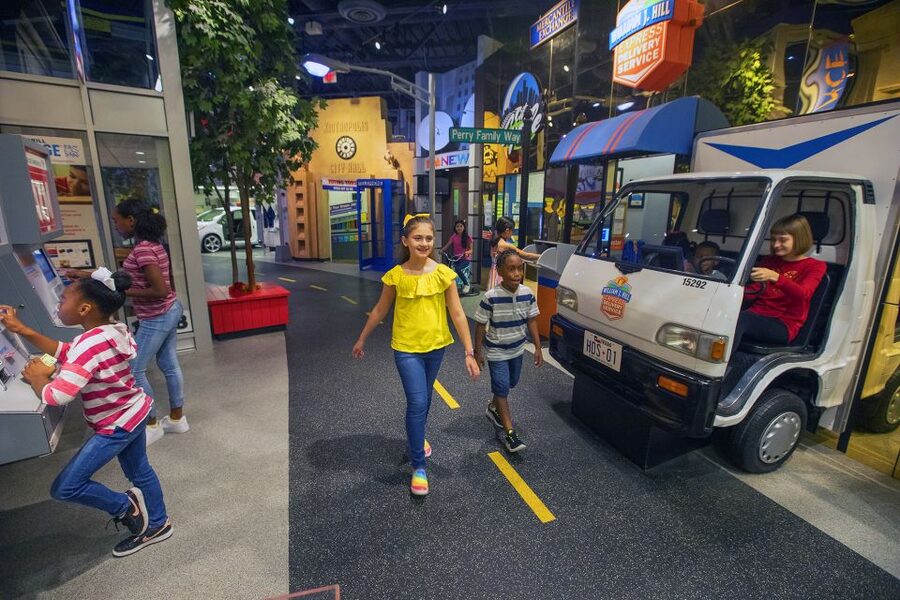
A Children’s Museum entry ticket is a great bargain because it’s built around doing, not watching. You’re giving your kids permission to touch, smell, feel, and explore in a range of exhibit zones, which is exactly how younger brains learn best.
At $19 per person, the value mainly depends on how many exhibits your group can actually reach in one visit. If you have kids who get excited by screens, water, and building, you’ll likely get your money’s worth quickly.
The museum also calls out that exhibits regularly change, which means repeat visits are less likely to feel like reruns. That matters if you’re traveling with kids who need outlets every day.
A few more Houston tours and experiences worth a look



Planning your visit around ages (so it doesn’t turn into a stalemate)
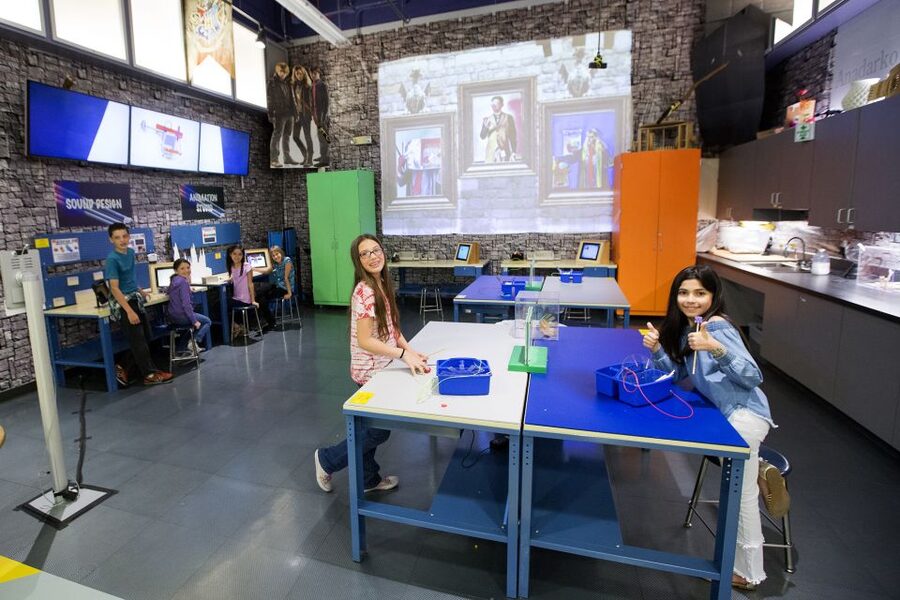
The museum includes age ranges for multiple exhibits, and this is one of the smartest parts of planning. If you match activities to your kids’ ages, you’ll spend less time redirecting and more time getting them into the right workflow.
Here are the age cues you can use:
- EcoStation starts at age 2+
- Cyberchase starts at 3+
- Inventor’s Workshop starts at 3+
- FlowWorks, Invention Convention, Kidtropolis, USA, and PowerPlay start at 5+
If your kids span a wide age range, I’d expect your “best time” to be when the older kids are in the 5+ zones while the younger ones can rotate into the 2+ and 3+ areas.
PowerTower and PowerPlay: climbing energy plus nutrition lessons
If your child loves movement, PowerTower is one of the headliners. It’s a three-story experience, and that height turns normal museum energy into full-on “I can do this” confidence.
What makes it more useful than just a playground is the connection to PowerPlay, which focuses on the science of nutrition, health, and exercise. In other words, you’re not only letting kids burn energy—you’re also giving them a reason to think about what their bodies need.
Possible drawback: this area can be physically active, so kids who prefer sitting may not love it. If that’s your situation, treat PowerTower as a short visit and let them opt in or out without pressure.
Kidtropolis, USA: a city for kids run by kids
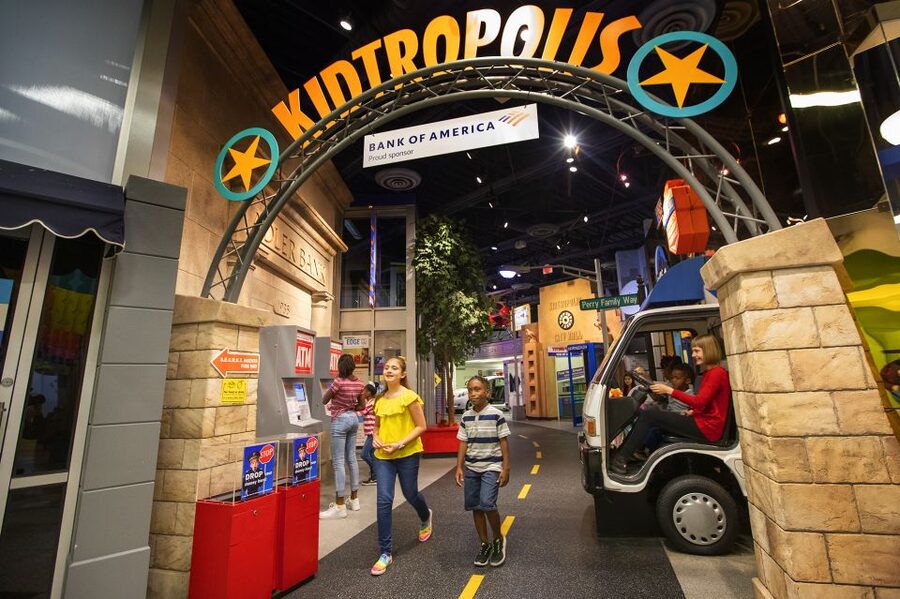
Kidtropolis, USA is the kind of exhibit that makes kids forget they’re in a museum. It’s designed as a city for kids, where kids choose what they want to be and work together so the place functions.
That “run by kids” part matters. It turns play into roles and responsibility, and it often keeps kids engaged longer than typical exhibit stations because they’re actively participating in how the environment works.
For families, I love that this zone works even when kids have different interests. One child can gravitate toward one kind of role while another picks something else, so you’re less likely to get the same “I’m bored” complaint from everyone at once.
FlowWorks: waves, rapids, vortices, and hydropower
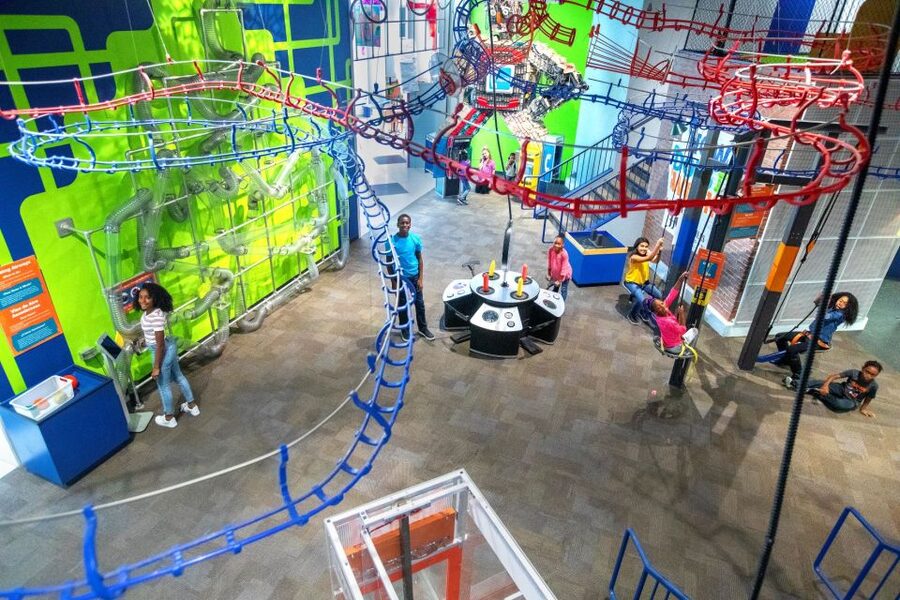
If your kids love water play, FlowWorks is likely to be the star. This exhibit is all about forces and properties of water, using waves, rapids, vortices, and hydropower to teach through motion and experimentation.
The reason this kind of exhibit hits so well is that it feels like play, but it’s still science. Kids can see how changes in flow create different behaviors, and that turns abstract ideas into something they can test and repeat.
One practical note: plan for wet-weather thinking even indoors. You’re going to be around water features, so bring clothes your kids can move in easily.
You can also read our reviews of more museum experiences in Houston


Invention Convention and Inventor’s Workshop: build gadgets, not just ideas
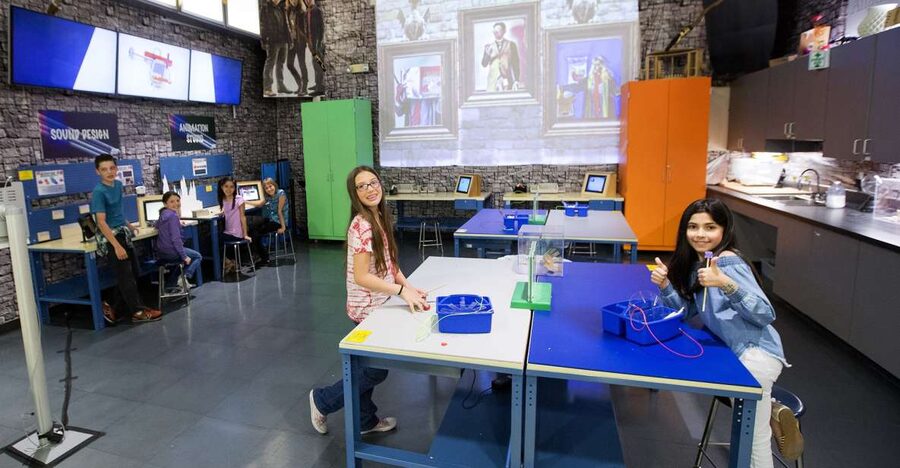
Invention Convention is where imagination gets practical. Kids design and build inside a workshop filled with gadgets and gizmos, so they aren’t just observing tools—they’re making their own versions of how things can work.
Closely related is Inventor’s Workshop (ages 3+), which also pushes creativity through building extraordinary objects and mechanisms. If you’re traveling with a mixed-age group, you can use Inventor’s Workshop for younger kids while older kids tackle the bigger build challenges in Invention Convention.
Possible drawback: these build stations may take longer than you expect, especially if your child is methodical and wants to perfect every piece. I’d plan your day with flexible time rather than assuming you’ll check every exhibit in one pass.
Other exhibits you might see: EcoStation and Cyberchase
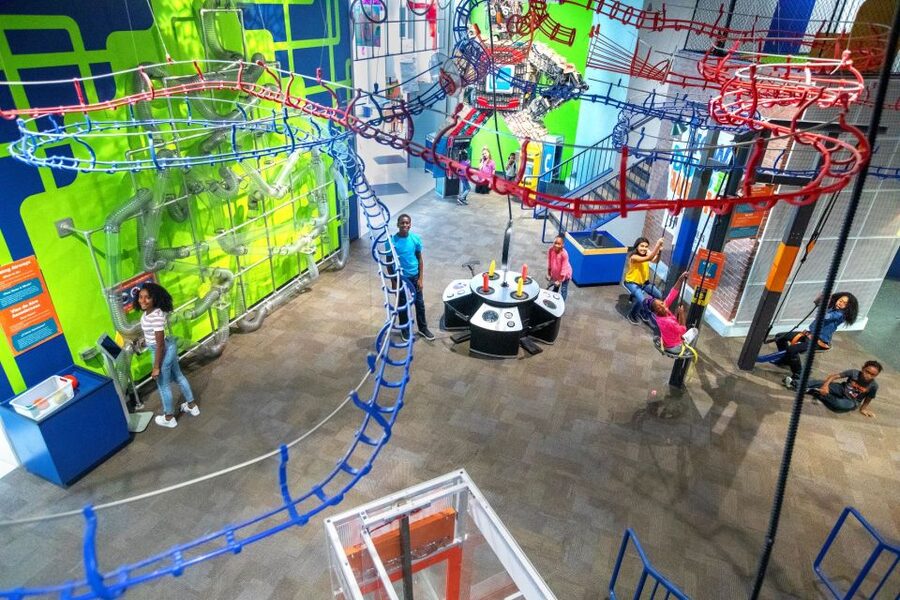
The museum often rotates what’s on view, but these are two examples of exhibits that could be running during your visit.
EcoStation (2+ ) is plant-and-sustainability oriented, with a native plant garden, a solar-powered research pavilion, woodland areas, and a pond habitat. It’s a nice change of pace if you want nature and science learning without constant running.
Cyberchase (3+ ) is a math adventure where forces join with the CyberSquad in a quest to save Cyberspace. If your child enjoys problem-solving and story-based learning, this can be a strong anchor exhibit that still feels like play.
Because the museum says exhibits change, treat these as “good possibilities” and let your kids choose what pulls them in on the day you go.
A note on what’s missing (so you don’t chase the wrong thing)
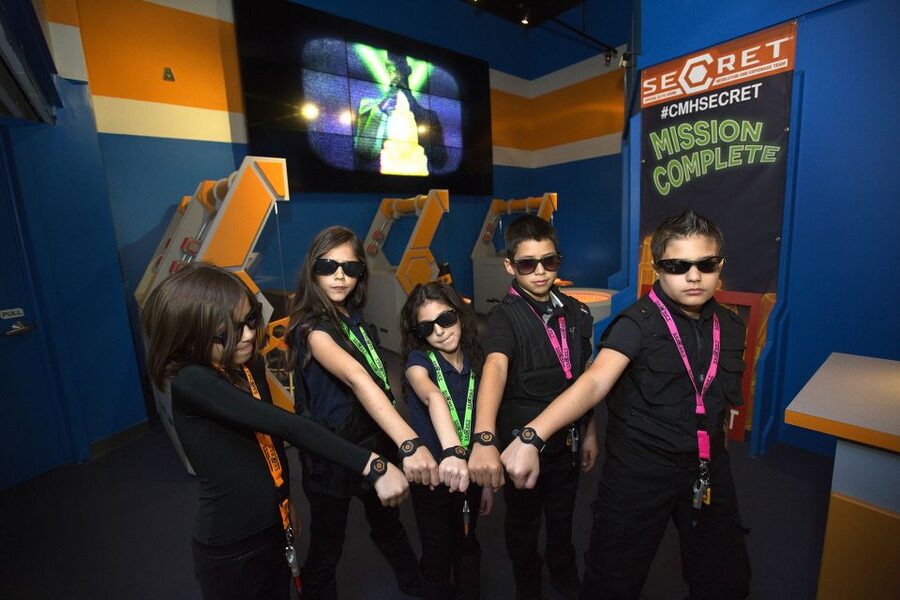
This entry ticket covers general admission to museum exhibits and events unless something is specified otherwise. It does not include the SECRET Spy Game exhibit, so if that’s a must-do for your family, confirm details before you arrive.
Food and drinks are also not included, and transportation isn’t included either. For most families, this simply means plan for snacks or meals on your own schedule, especially if you’re going to stay long enough to hit multiple zones.
Price and value: is $19 a smart spend?

At $19 per person, the question isn’t whether the museum is fun—it’s whether you’ll use the space well. This place is ideal when your kids are ready to experiment and keep moving from exhibit to exhibit.
You get value when:
- your kids fit the age range for several major zones (especially 3+ and 5+ exhibits)
- your group enjoys hands-on learning styles like building, climbing, and water play
- you’re okay with a day that’s less about ticking boxes and more about letting kids set the pace
If your kids are older and want more active, themed challenges, the 5+ exhibits like FlowWorks, Invention Convention, Kidtropolis, and PowerPlay can help stretch the visit. If your kids are younger, look for EcoStation and Inventor’s Workshop to keep them engaged.
The reviews score is strong, and the feedback you’ll see tends to reward exactly what this museum is built for—active play, especially with water. I’d call this a solid value for families who want a hands-on day without paying for separate add-ons.
Practical visit flow: how I’d structure the day
Since this is general entry, the best approach is to create your own mini itinerary based on what your kids are most excited about.
I’d typically start with one big energy zone early (like PowerTower if your child is ready for climbing), then move into a story-driven or build-based area like Cyberchase or Inventor’s Workshop. After that, I’d schedule FlowWorks—water often becomes the highlight, and it’s easier to recover if you’re early in the day.
Finish with something creative and role-based, such as Kidtropolis, USA or Invention Convention, so the day ends on a note that feels like a win. It’s also a good way to keep older kids engaged while younger kids rotate into lower-pressure stations.
Who should book this entry ticket?
This is a strong pick for families with kids who like hands-on learning and movement. It’s especially good if your children are curious about science, building, nutrition, and how systems work—through play.
You’ll also like it if you want a plan that can flex. With exhibits changing over time and several major zones for different ages, it works for visitors who don’t want to overbook daily activities.
If your kids are the type who hate mess, loud sounds, or physical challenges, you might still enjoy parts of the museum—but you’ll want a slower pace and shorter stops where possible.
Should you book Children’s Museum Houston?
Yes, if your group includes kids who enjoy interactive exhibits and you’re looking for a day that feels more like play than schooling. The ticket price makes sense when you use the museum for what it’s designed to do: hands-on exploration across big, memorable zones like FlowWorks and Kidtropolis, USA.
Skip it only if your kids are very sensitive to active exhibits or you’re aiming for a quiet, adult-paced outing. Otherwise, pre-book your entry, come with your confirmation voucher, and let your kids drive the day.
FAQ
What’s included with the Houston Children’s Museum entry ticket?
The ticket includes general entry and access to museum exhibits and events unless otherwise specified.
What’s not included in this ticket?
Food and drinks are not included, and transportation is not included. The SECRET Spy Game exhibit is also not included.
How much is the entry ticket?
The price is $19 per person.
How long is this entry ticket valid or scheduled for?
The duration is listed as 1 month, and you can check availability to see starting times.
Do I need to pre-book?
Yes, the experience asks you to pre-book your entry ticket.
Are adults allowed to enter without children?
No. Adults must be accompanied by children to enter the museum.
Is the museum wheelchair accessible?
Yes, it is listed as wheelchair accessible.
Can I cancel and get a full refund?
You can cancel up to 24 hours in advance for a full refund.