REVIEW · FRANKFURT
Frankfurt: Museum of Communication Exhibitions
Book on GetYourGuide →Operated by Museum für Kommunikation Frankfurt · Bookable on GetYourGuide
A museum that makes everyday tech feel new. The Museum of Communication in Frankfurt turns media history into something you can touch and test, so you get a real sense of how communication has changed from ancient tools to today’s screens. I especially like the interactive exhibits and the way the permanent displays span old and new devices, including telegraphs, phones, fax machines, radios, and TV sets. You’ll also get a clear view of how communication systems shape everyday life, not just how gadgets look.
There is one catch to plan for: the museum can get very loud, especially if there are lots of school groups around. If you want quiet attention while you read and test things, a weekday visit is your best bet.
In This Review
- Key Highlights You’ll Want to Hit
- Museum of Communication Frankfurt: A One-Day Media Story You Can Actually Use
- Walking Into the Permanent Exhibition: Cuneiform to Data Glasses
- Interactive Displays: How the Museum Makes You Pay Attention
- Classic Communication Devices Room: Telegraphs, Phones, Fax, Radio, TV
- Temporary Exhibition KLIMA_X: Climate Change Through Your Actions
- The Schaumainkai Café Terrace: Reset by the Main River
- Price and Value for a 1-Day Stop in Frankfurt
- What the Noise and Crowd Factor Means for Your Day
- Who Should Book This Museum Visit (and Who Might Not)
- Should You Book Museum of Communication Frankfurt?
- FAQ
- Where is the Museum of Communication in Frankfurt located?
- How much does the admission cost?
- How long should I plan for?
- Do I get line skipping entry?
- Is the museum wheelchair accessible?
- What exhibitions can I expect?
- Are food and drinks included in the ticket?
- What hours apply on public holidays?
- Is there free cancellation?
- FAQ
- Is it better to go on a weekday?
- What payment methods should I plan for at the café?
- Is there a tour guide included?
- Does the museum include an outside break area?
Key Highlights You’ll Want to Hit
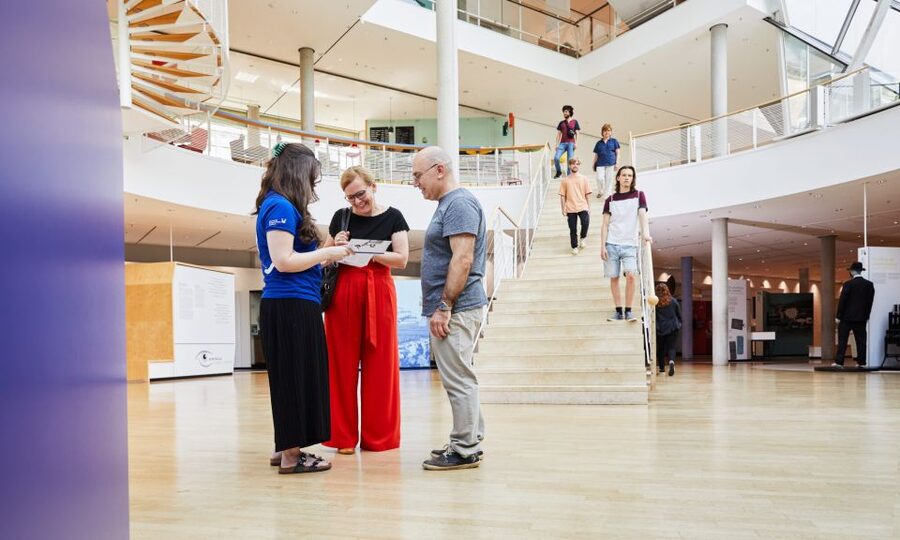
- Interactive media history that connects past, present, and future communication
- Classic communication devices like telegraphs, phones, fax machines, radios, and TV sets
- The four media themes (acceleration, networks, control, participation) used to organize the story
- KLIMA_X temporary exhibit focused on climate actions and what you can change
- Main River terrace café break where you can slow down after walking the exhibits
Museum of Communication Frankfurt: A One-Day Media Story You Can Actually Use
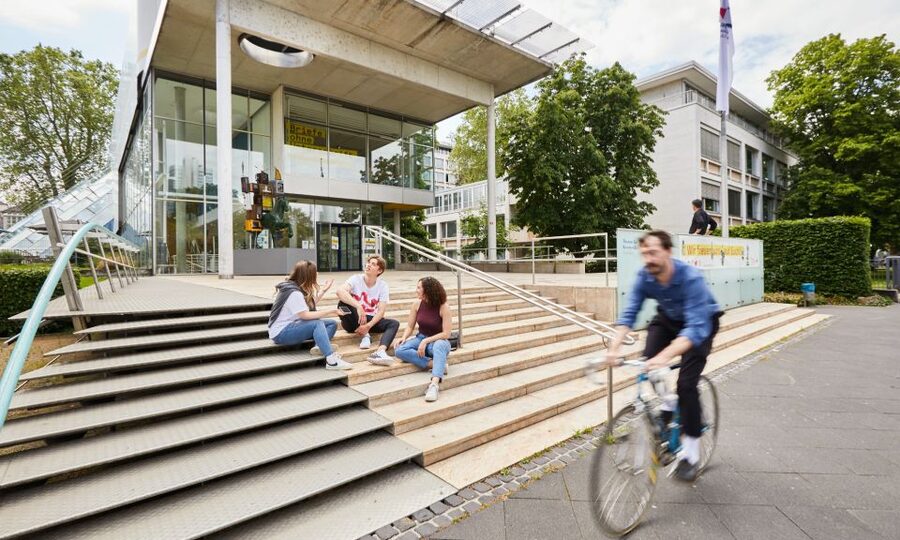
If you like your museums practical, this one works. The Museum of Communication is set up as a guided journey through how people share information across time, with interactive sections that help the ideas stick. Instead of seeing communication history as a dusty timeline, you’ll experience it as cause and effect: tools shape behavior, and behavior shapes tools.
The museum sits on Schaumainkai in Frankfurt (Hessen), and it’s designed for a full day without needing a long plan. Expect to move between rooms, try hands-on displays, and pause where something catches your eye. With a roughly one-day pace, you’ll cover the permanent exhibition plus the temporary climate show.
Price-wise, it’s listed at about $10 per person, which is strong value for a major museum with a large permanent collection and additional temporary programming. This is the kind of ticket where you’ll feel the money in the hours you get—especially if you like testing interactive stations instead of only reading labels.
You can also read our reviews of more museum experiences in Frankfurt

Walking Into the Permanent Exhibition: Cuneiform to Data Glasses
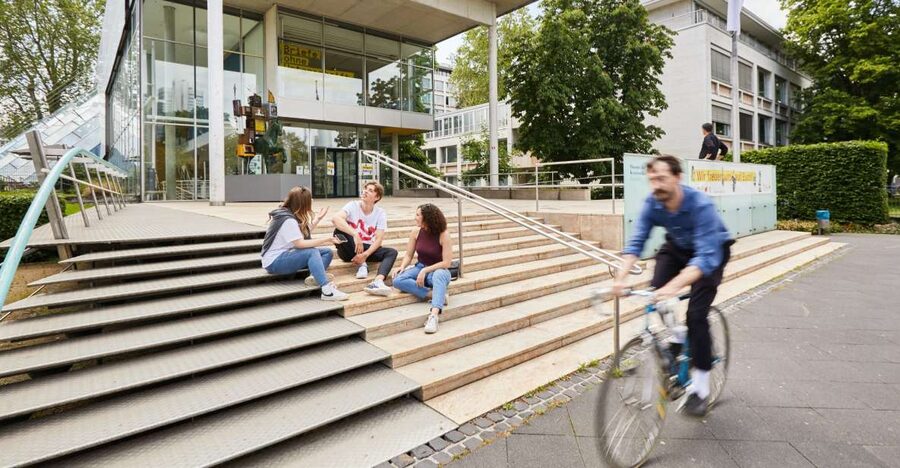
The permanent exhibition, Mediengeschichte|n neu erzählt!, is built around the full arc of communication—from early written messages to modern wearable tech. You’ll see the story framed across about 2,500 square meters, so it’s not a quick glance-and-go stop. It’s the main reason this works as a one-day visit: there’s enough space to take your time.
What I like about the structure is that it’s not just chronological. It also uses four big themes—acceleration, networks, control, and participation—to make the changes feel meaningful. That helps you connect the dots between, say, how faster communication reshapes expectations, and how networks change who gets heard.
As you move through, you’ll run into interactive parts and “unusual fates” tied to communication inventions and media stories. Even if you’re not a tech person, you should still enjoy this, because the museum keeps returning to people and choices, not only machines.
Practical tip: plan to spend extra time on the first half of the exhibition. The early sections help you understand the museum’s logic, so the rest of the rooms land harder once you know what they’re trying to teach.
Interactive Displays: How the Museum Makes You Pay Attention
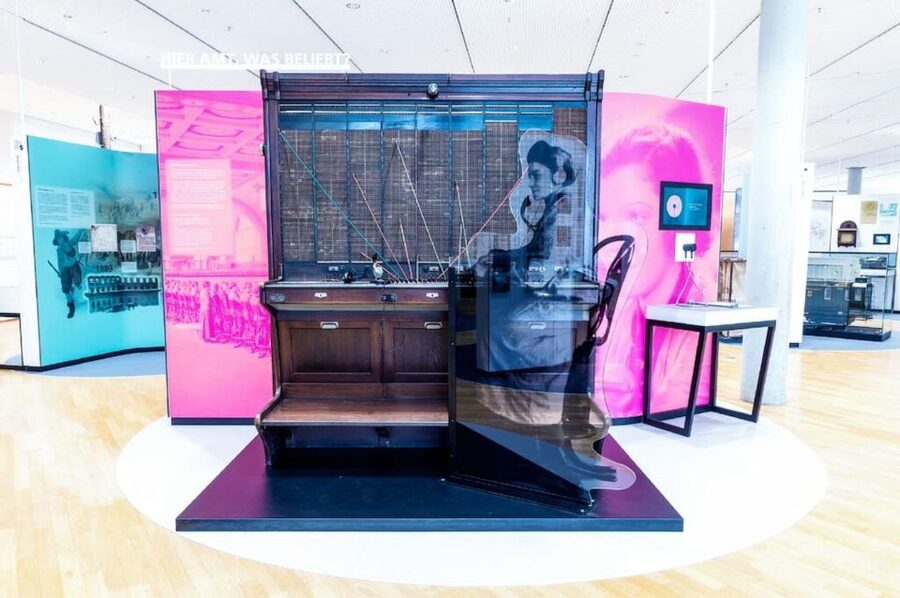
The museum’s interactive elements are the heart of the experience. Instead of treating communication as something that happened to other people long ago, the stations pull you into the mechanics. You’ll have moments where you can test an idea, compare old and new systems, or see how message flow changes depending on the technology.
This matters because communication tech often feels invisible in daily life. By slowing it down, the museum makes it visible—like turning on the lights in a room you thought you already knew. That is when the displays feel most rewarding: you stop thinking only about gadgets and start thinking about systems.
A small reality check: interactive areas can create lines and noise, especially when there are school groups. If you’re aiming for calm, go earlier in the day or take breaks when you see a crowd building near a popular station.
Classic Communication Devices Room: Telegraphs, Phones, Fax, Radio, TV
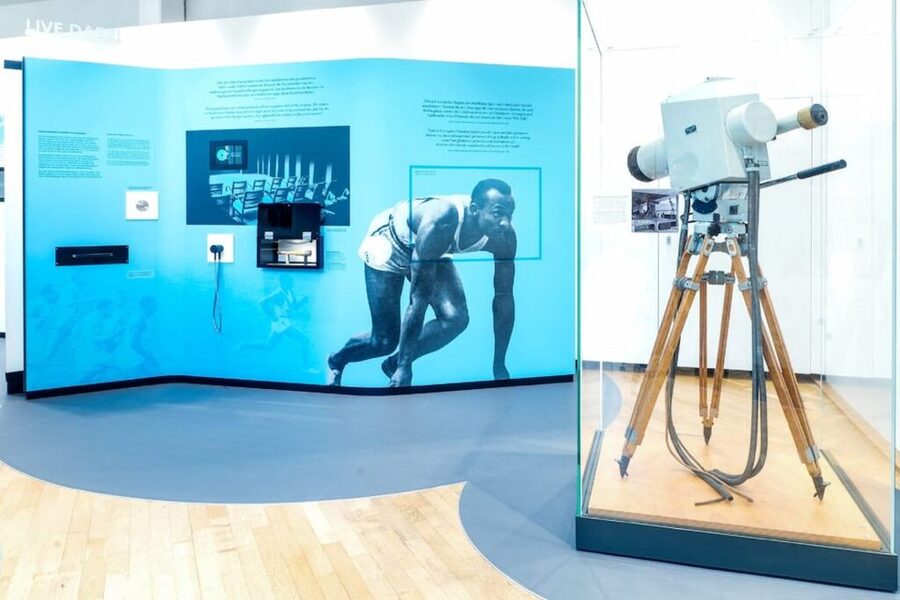
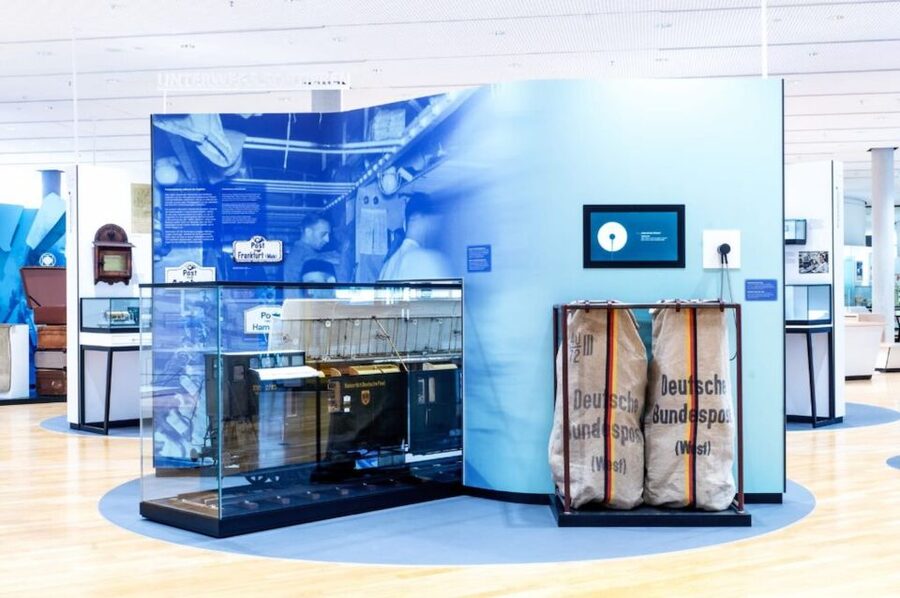
One of the easiest ways this museum wins you over is through the variety of classic equipment. You can expect to see old telegraphs, phones, fax machines, radios, and TV sets. Even if you’ve never used some of these, you’ll get a strong sense of what communication sounded and looked like when it wasn’t instant.
What’s useful here is the contrast. Seeing these devices side by side helps you understand why certain behaviors formed—how people communicated differently when messages took time, when calls were more limited, or when sending an image was a separate step.
If you’re the type who likes photography and design, spend extra time on the visual details. The housing, buttons, screens, and controls tell you a lot about the era’s assumptions about what users needed. Even when you’re just skimming, the physicality makes the story feel grounded.
Temporary Exhibition KLIMA_X: Climate Change Through Your Actions
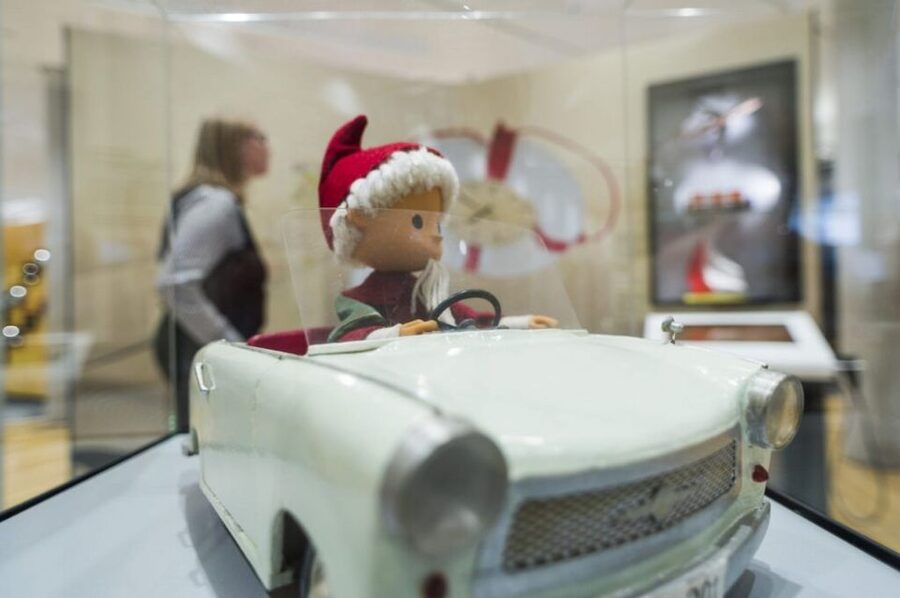
The temporary exhibit KLIMA_X focuses on climate change and invites you to explore ways you can help change the world for the better. This is where the museum shifts from media history to present-day responsibility, using communication as a lens for action.
The museum encourages you to reflect on simple methods you can implement to improve the climate crisis. It’s not presented as a lecture-only experience. The idea is to make you think about what you do, what you choose, and how information turns into action.
Why this matters: communication tools shape how climate issues spread, how people understand risk, and how communities organize. Even if the exhibit is about climate, the underlying theme still matches the museum’s bigger story—how networks and participation influence outcomes.
Plan a little extra time here even if you’re tempted to race through the temporary exhibit. The climate section is the part that can leave you with something to carry into your own day back home, not just a stack of facts to forget later.
The Schaumainkai Café Terrace: Reset by the Main River
After walking the museum, you’ll likely appreciate the option to slow down. The museum includes a café terrace where you can get comfortable with a view of the Main River. This is the perfect spot to regroup, especially if you’ve been reading labels and trying interactive stations for hours.
One practical note from real visits: the café may not accept major cards like Visa or Mastercard. If you want zero stress, bring some cash or a payment method you know will work. It’s a small detail, but it’s the kind that can turn a relaxing break into a minor hassle.
Also, the lobby and high-traffic areas can be loud at times, so if you can choose, aim to take your coffee break outside on the terrace when the weather allows.
Price and Value for a 1-Day Stop in Frankfurt
For about $10 per person and a one-day visit window, this museum is a strong value if you like museums that are more than scenery. Many communication-related attractions can feel narrow, but here you get both the classic media timeline and modern reflections.
The cost feels justified because you’re paying for:
- a large permanent exhibition on multiple themes
- hands-on interactivity, not just reading
- a temporary exhibit on a current topic (KLIMA_X)
If your travel style is fast and you mostly want one “anchor” museum day, this fits well. If your style is slow and you like to sit with exhibits, you can stretch it without feeling like you’re stuck in one room forever.
What the Noise and Crowd Factor Means for Your Day
Not every museum visit needs quiet, but this one can test your patience if you’re sensitive to sound. There are indications that the museum can be extremely loud, with plenty of noise from children in public areas. That doesn’t ruin the museum, but it changes how you experience it.
Here’s how I’d handle it:
- If possible, go on a weekday for better chances at calmer viewing.
- Take breaks during peak interaction points.
- If you’re trying to concentrate on reading, look for quieter zones and then return to interactive areas later.
Also, interactive stations tend to pull people into small clusters. If you’d rather avoid waiting and noise, choose a pace where you can move on before a station gets crowded.
Who Should Book This Museum Visit (and Who Might Not)
This museum suits you if you like hands-on learning and want to connect tech changes to real human behavior. It’s especially good for curious adults, students, and families who enjoy trying things rather than only watching.
It also works well if you’re spending time in Frankfurt and want something different from the usual art-and-cathedral pattern. Media history is a smart change of pace, and the Main River terrace break helps make it feel like more than just an indoor activity.
You might want to skip or adjust your expectations if:
- you strongly dislike loud environments
- you prefer quiet museums with minimal crowds
- you only want a short stop (this museum gives better value when you actually use the time)
Should You Book Museum of Communication Frankfurt?
Yes, if you want a meaningful day that mixes classic devices with modern themes, plus a temporary exhibit that asks what you can do about climate change. The interactive displays and the clear thematic approach make the ticket feel worth it, even if you’re not a “museum superfan.”
Book it if you can visit at a calmer time of day or on a weekday. Bring cash just in case the café doesn’t take your preferred card. With those two tweaks, you’ll get a fun, practical museum visit that teaches you something without feeling like homework.
FAQ
Where is the Museum of Communication in Frankfurt located?
It’s in Frankfurt, in the Hessen region, on Schaumainkai. You can head directly to the museum for your visit.
How much does the admission cost?
The price is listed at about $10 per person.
How long should I plan for?
It’s designed as a one-day visit.
Do I get line skipping entry?
Yes, it includes skip-the-ticket-line.
Is the museum wheelchair accessible?
Yes, it’s wheelchair accessible.
What exhibitions can I expect?
You’ll see a permanent exhibition covering the history of communication and a temporary exhibit called KLIMA_X focused on climate change actions.
Are food and drinks included in the ticket?
No. Food and drinks aren’t included, though there is a café terrace at the museum.
What hours apply on public holidays?
On public holidays, the museum is open from 10:00 AM to 6:00 PM.
Is there free cancellation?
Yes. You can cancel up to 24 hours in advance for a full refund.
FAQ
Is it better to go on a weekday?
If you prefer quieter viewing, a weekday is a good choice based on how the museum can get noisy.
What payment methods should I plan for at the café?
The café may not accept Mastercard or Visa, so it’s smart to bring an alternative payment method.
Is there a tour guide included?
No, a tour guide is not included—this is a self-guided museum visit with your entry ticket.
Does the museum include an outside break area?
Yes, there’s a café terrace with a view of the Main River where you can relax after the exhibits.