REVIEW · FRANCE
Cave Museum Village Troglodyte of Rochemenier Admission Ticket
Book on Viator →Operated by Troglodyte Village of Rochemenier · Bookable on Viator
Few places feel this otherworldly. The Cave Museum Village Troglodyte de Rochemenier turns a troglodyte settlement into a walkable history lesson, with homes, tools, and photos tucked into rock. Two things I really like: the self-guided format that works at your pace, and the clear focus on how rural families lived over centuries.
You’re not just looking at caves—you’re seeing how the village grew into what it became, with details tied to the sandstone itself. The setup lets you understand why people built underground, including the rock’s properties and how it supported farming needs. One thing to keep in mind: there’s also a guided visit at set times, but it’s in French only.
In This Review
- Key Highlights You’ll Care About
- Rochemenier Troglodyte Village: what you’re stepping into
- The cave museum walk: your main stop at Rochemenier
- What you’ll see as you move through rooms
- A practical drawback to note
- Why the sandstone and sea-shell rock lesson matters
- Exhibits that turn rural traditions into something concrete
- Timing and duration: plan for 1 to 3 hours underground
- Price and value: a low-cost ticket for a meaningful rural-history stop
- Language help: English leaflets, plus French-only guided moments
- Comfort and logistics: sweater weather, strollers, and group size
- Accessibility reality check
- Who this troglodyte cave museum visit is best for
- Should you book the Cave Museum Village Troglodyte de Rochemenier ticket?
- FAQ
- How long does the Cave Museum Village Troglodyte de Rochemenier visit take?
- Is this tour self-guided or guided?
- What’s included with the ticket?
- Is there English language support on site?
- Can I bring a stroller?
- What should I bring?
- Can I cancel for free?
- What are the opening hours?
Key Highlights You’ll Care About
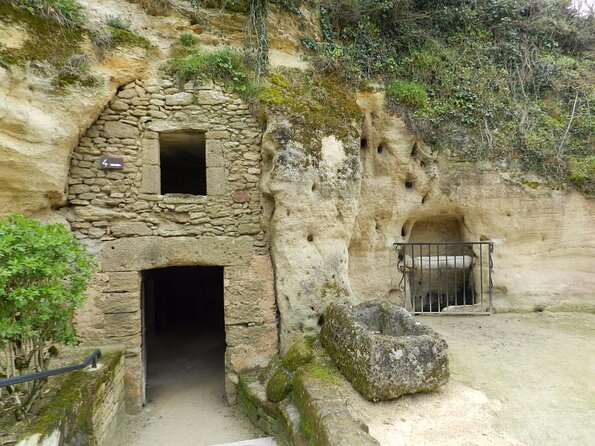
- 250 underground rooms spread across about 40 farms, with history stretching from the 13th century into the 19th.
- Self-guided with an 18-language leaflet, so you can read and move without waiting around.
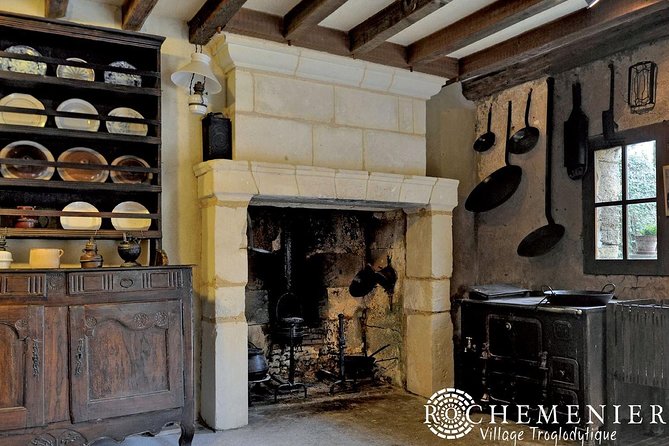
- Exhibits from last residents’ daily life, including furniture, tools, and photographs.
- Two accessible farms from abandoned dwellings, opened to the public in 1967.
- Underground temperatures stay cool, so a sweater actually helps.
Rochemenier Troglodyte Village: what you’re stepping into
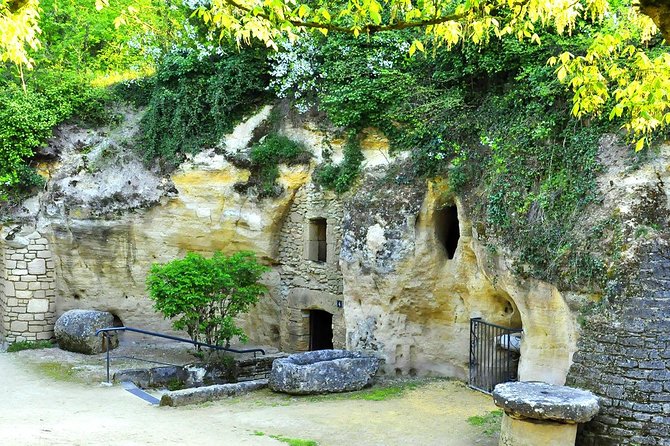
Rochemenier is a troglodyte village—meaning rooms and whole living spaces are carved out of rock. In this case, you’re looking at a settlement system rather than a single attraction. The village has around 250 underground rooms distributed across roughly 40 farms, so the visit feels like a living neighborhood even though it’s preserved museum space.
What makes it genuinely interesting is how the story connects geography, farming, and daily life. The dwellings are excavated in sandstone that contains sea shells. That detail matters because it wasn’t just building material; it connects to how farmers managed their soil and worked the land above.
For many people, the first surprise is the feeling of scale. It can be easy to expect a small cave house experience. Instead, this is a structured village route, with multiple room types and staged exhibits that help you piece together how a rural community functioned underground.
The cave museum walk: your main stop at Rochemenier
Your visit centers on the Cave Museum Village Troglodytique de Rochemenier. Expect a mostly self-guided route with an explanatory leaflet. This is a big advantage if you like reading at your own speed or if you’re traveling with mixed interests, since you can spend more time where your curiosity pulls you.
A key part of the experience is understanding how the village expanded. The oldest habitation is described as dating to the 13th century, and the village kept growing—adding rooms to meet population needs—until the 19th century. That long timeline is one reason the visit works even if you don’t speak French well; the exhibits and descriptions help you follow the evolution over time.
The tour also focuses on part of the village made public after it was abandoned. The site includes two farms that were abandoned in the early 20th century and then opened to visitors in 1967. That gives you a window into the “last chapter” of the settlement—less like a re-created theme set, more like an environment conserved for understanding.
What you’ll see as you move through rooms
You’ll run into exhibits that connect everyday life to place. Expect to see furniture, tools, and photographs belonging to the final inhabitants. It’s an effective way to translate history into objects you can recognize. Tools become practical storytelling. Photos help you picture people where you’re standing.
A practical drawback to note
Since this is partly a guided-visit operation, there can be moments where a set-time group is also moving through the space (including the French-only guided visit). If you want quiet reading time, go at a calmer pace when you can, and don’t feel you must match anyone else’s speed.
Why the sandstone and sea-shell rock lesson matters
One of the best “wait, really?” details here is the sandstone itself. The rock contains sea shells, and it was used by farmers to neutralize soil acidity. That sounds like geology trivia until you realize it changes how you view the entire settlement.
When you understand the role of the ground above, the underground spaces feel less random. People built and lived where they could make farming work. Underground living wasn’t just for shelter; it was part of an agricultural system, a response to local conditions, and a way to support a growing community.
Even if you don’t want a science lesson, the explanation gives meaning to what you’re seeing. The rooms aren’t isolated curiosities; they’re tied to how a rural economy functioned.
Exhibits that turn rural traditions into something concrete
This isn’t a cave with a few plaques and a gift shop. The museum material is arranged to show how traditions and work life fit together. The descriptions of daily routines make you notice patterns, like how objects were stored, how work tools relate to household spaces, and how families likely organized living across different rooms.
The photographs are especially valuable because they help you connect scale and people. You’re not only imagining how big rooms were—you’re seeing evidence of how the space looked when it was still used.
One more point worth your attention: the exhibits help explain the village’s slow expansion. Rooms were added as the population grew, so you don’t just get a “then vs now” story. You get a sense of adaptation, with the village becoming more complete over time.
Timing and duration: plan for 1 to 3 hours underground
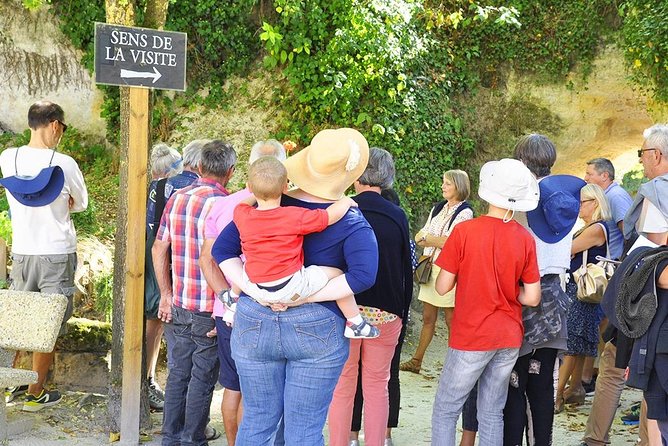
The ticket experience is listed at about 1 to 3 hours, which is a realistic range for this kind of self-guided museum village. If you read carefully and pause often, you’ll lean toward the longer side. If you skim more and focus on key rooms, you can usually keep it closer to the shorter end.
Because it’s underground, it feels cooler than the day outside. That’s not just comfort—it affects how long you can comfortably stay in the caves. The site specifically recommends bringing a sweater, and I’d listen. You may start warm but end up wanting an extra layer as you move deeper.
A smart move is to set your pace early. Don’t rush the first rooms, because the background information helps you interpret what you see later. Once you understand the village layout and growth timeline, the rest of the route reads faster and makes more sense.
Price and value: a low-cost ticket for a meaningful rural-history stop
At $10.26 per person, this is priced like an “easy add-on” attraction—especially compared with many museums in larger cities. The value is strong because you get admission to the cave museum village included with the ticket, plus a self-guided tour supported by an explanatory leaflet.
The key value question is time. You’re paying a modest amount for a visit that can fill 1–3 hours with real context: settlement history, farming logic, and objects from daily life. That’s the kind of payoff that makes a trip feel worth it even on a tight day.
If you’re traveling with kids or teens, the format also helps. The self-guided nature gives you flexibility if attention spans shift. And the “how did people live like this?” angle almost always lands well for younger visitors.
Language help: English leaflets, plus French-only guided moments
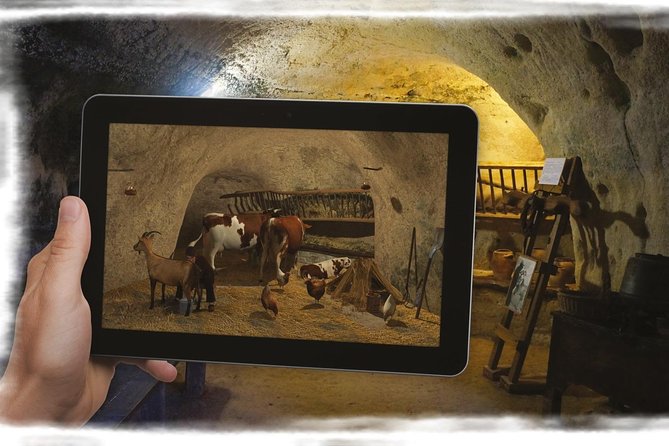
This ticket includes an explanatory leaflet available in 18 languages, and the experience is offered in English. That’s a helpful combination: you can read your way through most of the visit without being dependent on live interpretation.
There’s also a guided visit at a specific time, and that part is in French only. If you don’t speak French, you can still enjoy the self-guided route. Just be aware that the French-only portion means some visitors may be following along with commentary.
Practical tip: if you’re interested in joining the guided segment, you’ll want to align your arrival with that schedule. If you’d rather keep control of your reading and walking, plan to skip the timed guided piece and just follow the leaflet route.
Comfort and logistics: sweater weather, strollers, and group size
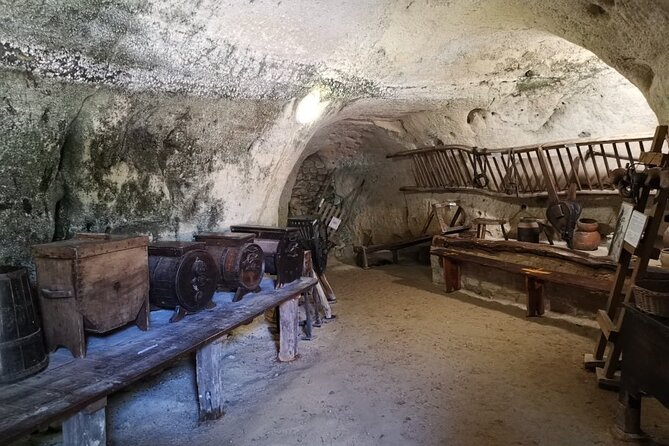
Underground sites come with a few comfort realities, and Rochemenier handles them with clear guidance.
- Bring a sweater. The underground freshness is real.
- Strollers access is possible, but the underground chapel isn’t accessible for strollers.
- Service animals are allowed.
- The experience notes a maximum of 15 travelers, which usually helps keep the visit feeling manageable.
That small group cap matters. Even when you’re self-guided, fewer people in the space generally means fewer bottlenecks at narrow room entrances and less rushing through exhibits.
Accessibility reality check
If you’re traveling with a stroller, plan your route accordingly. You’ll be able to access much of the site, but the underground chapel is specifically not stroller-accessible. If that chapel is a priority for your group, consider alternative plans or bringing a different transport arrangement.
Who this troglodyte cave museum visit is best for
This is a strong fit for people who like history that connects to real life—work tools, household items, and the logic behind how communities survived. If you enjoy slower museum pacing and reading on your own, the self-guided setup is ideal.
It also works for:
- Families wanting a non-stress, all-ages activity
- Anyone interested in rural France beyond the big-city staples
- Travelers who like unique architecture—humans carving homes out of rock
If you’re the type who only wants “big wow” sights with minimal reading, you might find yourself wanting more live commentary. The leaflet helps, but the experience is still built around self-guided learning.
Should you book the Cave Museum Village Troglodyte de Rochemenier ticket?
If your goal is a low-cost, 1 to 3 hour history stop that’s actually tied to how people lived (not just walls and facts), I’d say book it. The strongest reason is the combination of well-presented exhibits—furniture, tools, photos—and a route that helps you understand a full community layout.
Book it especially if you’ll use the leaflet and take your time. The value is excellent for what you get: a coherent story, preserved spaces, and an experience that’s easy to manage with a small group size.
Skip it only if you need live English guiding, or if you strongly prefer museums that are totally structured around short, guided commentary. Here, the best experience comes from reading and walking at your own pace.
FAQ
How long does the Cave Museum Village Troglodyte de Rochemenier visit take?
The duration is listed as about 1 to 3 hours, depending on how much you read and explore.
Is this tour self-guided or guided?
It’s a self-guided tour with an explanatory leaflet. There is also a guided visit at specific times in French only.
What’s included with the ticket?
Your ticket includes admission to the Cave Museum, plus a self-guided tour supported by an explanatory leaflet available in 18 languages.
Is there English language support on site?
Yes. The experience is offered in English, and the explanatory leaflet is available in 18 languages.
Can I bring a stroller?
Strollers access is possible, but the underground chapel is not accessible for strollers.
What should I bring?
The site advises you to bring a sweater, since it’s cooler underground.
Can I cancel for free?
Yes. Free cancellation is available if you cancel up to 24 hours in advance for a full refund.
What are the opening hours?
Opening hours change by season:
- 02/01/2026–04/15/2026: Tuesday–Sunday, 10:00 AM–5:00 PM
- 04/16/2026–09/15/2026: Monday–Sunday, 9:30 AM–5:30 PM
- 09/16/2026–11/20/2026: Tuesday–Sunday, 10:00 AM–5:00 PM