REVIEW · FRIETMUSEUM
Bruges: Frietmuseum Entry Ticket
Book on GetYourGuide →Operated by Choco-Story Brugge · Bookable on GetYourGuide
Bruges has a museum about fries. That alone is worth a stop, but the Frietmuseum is more than a gimmick: you walk through potato origins and the story of Belgian frites, with hands-on, audio-led bits that keep it moving. I like that it’s built for curious adults and for families who need something more active than a hallway of glass cases.
One thing to watch: the ticket includes museum entry, but fries tasting is not included, and the experience can feel short if you speed through it.
In This Review
- Key things to know before you go
- A museum ticket for fries: is it worth your time?
- Saaihalle in Bruges: the building is part of the show
- Ground floor: potato origins, from Peru to the plate
- First floor: the history of fries and how Belgium gets the credit
- Medieval cellars: where you finally eat the point
- Audio guide and interactive bits: the museum keeps you from zoning out
- Timing in Bruges: how long to plan for
- Pair it with the rest of Bruges (so it feels like a full day)
- Price and value: what $14 gets you (and what costs extra)
- Who should book this Frietmuseum ticket?
- Should you book the Frietmuseum Bruges ticket?
- FAQ
- Is fries tasting included with the Frietmuseum ticket?
- How long does the visit take?
- What languages is the audio guide available in?
- Where do I go when I arrive?
- Is the museum wheelchair accessible?
- What time slots are available?
Key things to know before you go
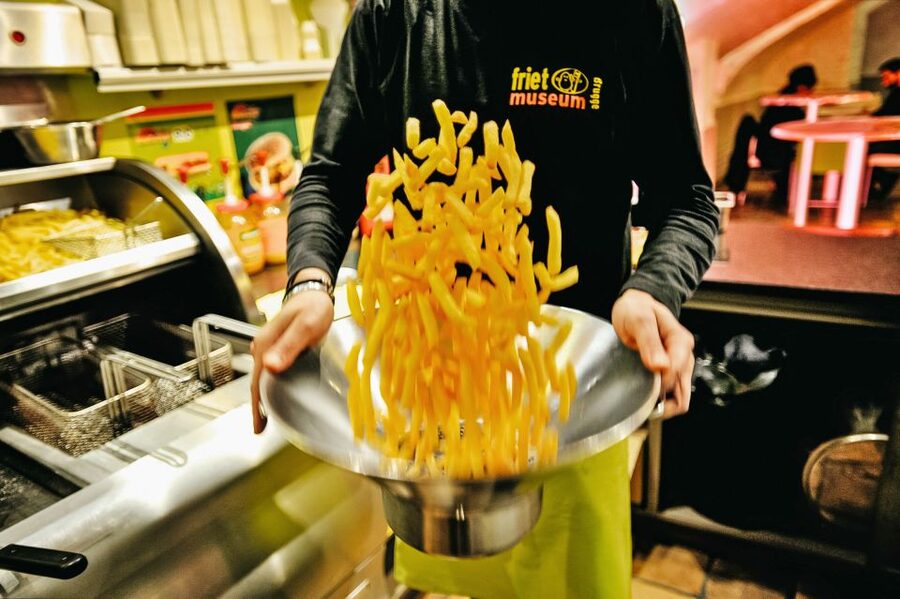
- The only fries museum in the world, focused just on potato fries
- Ground floor potato origins, linked to South America and early cultivation
- First floor frites story, including how fries connected to Belgium
- Medieval cellar frites, available at the end for an extra cost
- Audio guide included in English, French, Spanish, German, and Dutch
- Interactive stops and games, so kids don’t have to “sit still” the whole time
A museum ticket for fries: is it worth your time?
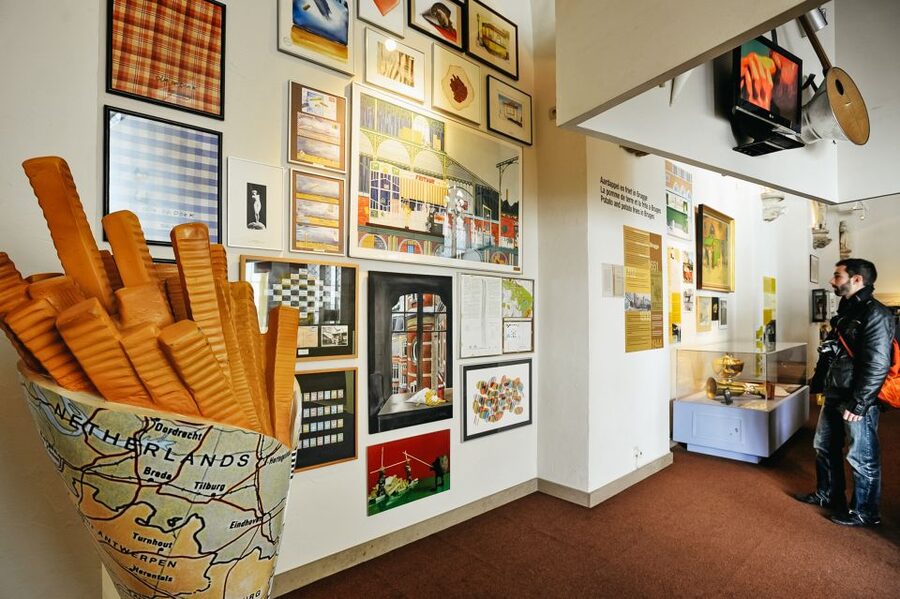
The Frietmuseum in Bruges is a smart kind of strange. You’re paying for a focused visit—this isn’t trying to be a giant history dump across ten themes. It sticks to one obsession: potato fries.
If you’re a food-history person, you’ll like how the museum frames fries as a real story, not just a snack. You get origins, geography, and then the path to Belgium. If you’re traveling with kids, this place usually works because it’s designed to keep attention: audio guidance, interactive moments, and plenty of visual stuff to grab onto.
And yes, it lives up to the promise on the fun side. The best “value” isn’t just the ticket price. It’s that the museum sets you up to want the final stop—when you can actually order fries in the medieval cellars.
Saaihalle in Bruges: the building is part of the show
Your first win is location and setting. The museum is housed in Saaihalle, one of the most beautiful buildings in Bruges. Even before you start reading anything, you’re inside a structure that feels like it belongs in the medieval center—stone, atmosphere, and that Bruges feeling that makes you slow down without trying.
This matters because the Frietmuseum isn’t just educational. The mood helps. When you later get to the basement and cellar vibe, it all feels intentional, like the building is doing some of the storytelling for you.
Ground floor: potato origins, from Peru to the plate
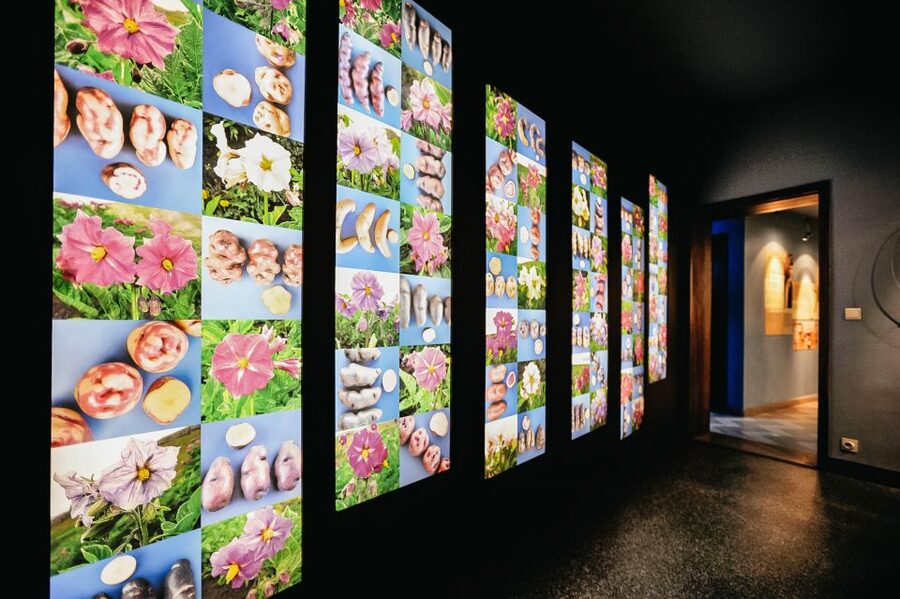
Start on the ground floor and you’ll trace the potato story back a long way. The museum explains the potato’s origins and notes it’s from Peru more than 10,000 years ago. That’s the kind of detail that resets your mental picture. Most of us treat potatoes as if they just always existed in Europe. Here, they feel like a traveling crop with a long journey.
What I like about this section is the cause-and-effect angle. You’re not only told what happened; you’re guided through why that mattered—how a crop moving through regions eventually shaped local food culture.
If you’re tempted to rush, don’t. This is where the “why fries exist at all” foundation gets built. And if you’re with kids, this floor is a good place to start because it’s easier to connect to than later, more culture-specific fries history.
First floor: the history of fries and how Belgium gets the credit
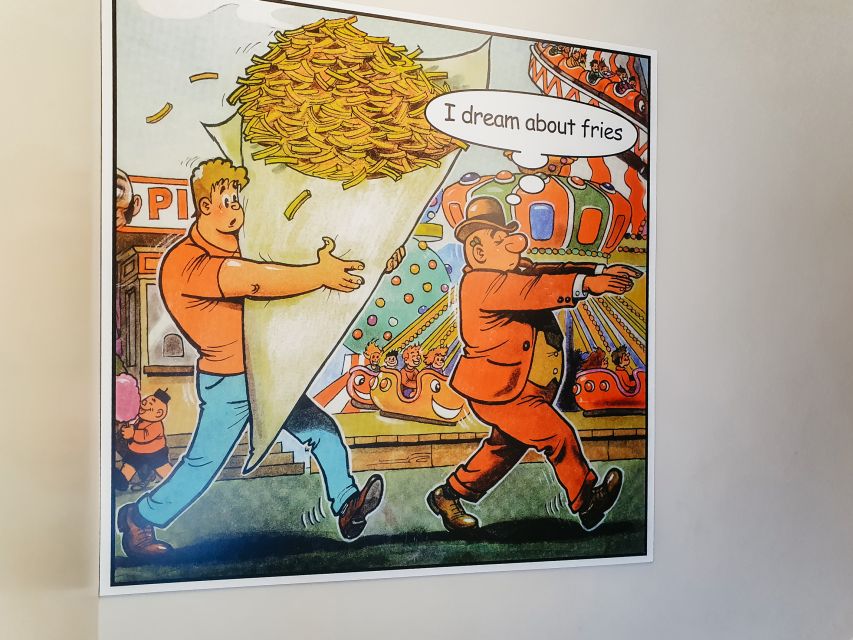
Then you climb to the first floor, where the story turns from potato origins to how fries became a Belgian thing. This part focuses on how fries developed and made their way into Belgium, explaining the connection between a simple food and a national favorite.
This is also where the museum feels most like a guided narrative. You’re moving up and forward in time, and the topics start to feel less abstract. You’ll likely find yourself thinking, Wait, so that’s how this tradition formed.
A practical note: one review shared that the museum can feel a little hard to follow at first, especially if you expect it to jump straight to fries. The fix is simple: give yourself time. As you go up, it clicks.
Medieval cellars: where you finally eat the point
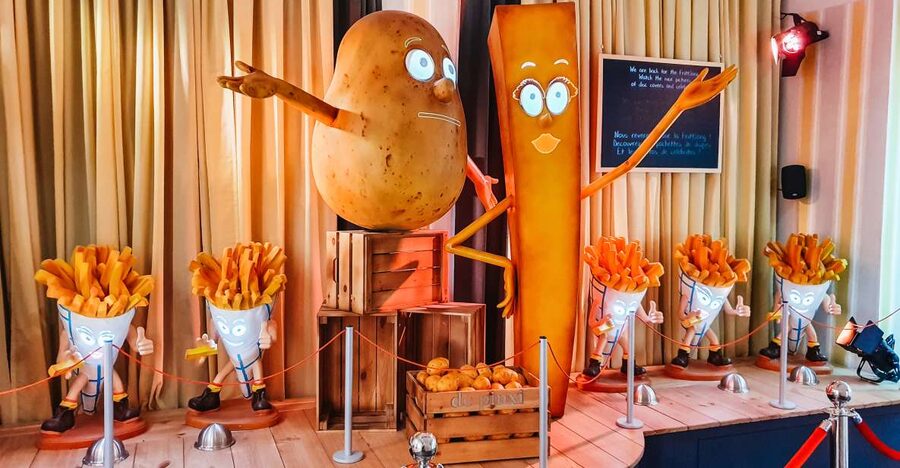
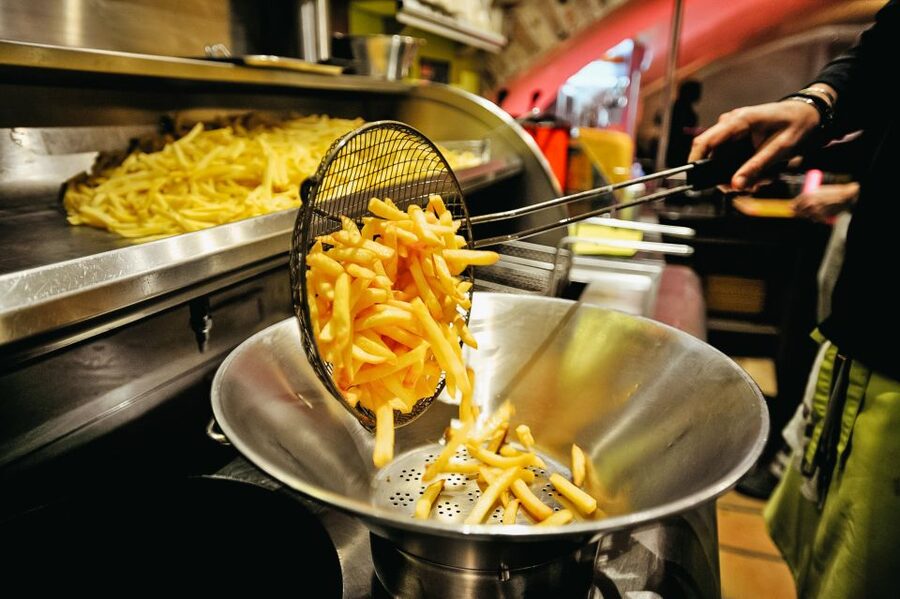
The museum doesn’t end with facts. It ends with a basement plan you’ll understand the moment you see it: medieval cellars with fries you can order.
Important detail: the ticket price covers museum entrance, but it does not include fries tasting. The tasting happens at the end via an on-site cantina. That means you should budget a little extra if food is why you’re there.
What makes this ending work is the contrast. You just learned the origins of potatoes and the story of fries in Belgium. Then you eat the result in a space that looks like it belongs in a medieval food legend. It’s the kind of payoff that feels earned, not random.
If you’re a sauce person, plan on adding some. One helpful hint from a review: there’s a range of sauces you can choose from, and it’s worth it if you like experimenting. Also, keep an eye on your receipt. One review noted there can be a small discount toward your fries purchase if you don’t toss the proof of entry.
Audio guide and interactive bits: the museum keeps you from zoning out

The Frietmuseum includes an audio guide, and it’s offered in English, French, Spanish, German, and Dutch. That’s a big deal in Bruges, where you want your day to run smoothly without hunting down staff for every question.
The audio guide helps in two ways:
- It keeps you oriented as you move between floors.
- It turns the history into something you can actually follow while looking at exhibits.
Beyond audio, the museum has interactive touches. Reviews highlight things like listening devices that are easy to use and interactive games along the route. There’s even a playful element—one review mentioned a fries song—which might sound silly until you realize that humor is one of the best attention tools for families.
If you’re visiting solo, don’t worry. You can move at your own pace, pause when something catches your eye, and still feel like you didn’t miss the “main story.”
Timing in Bruges: how long to plan for
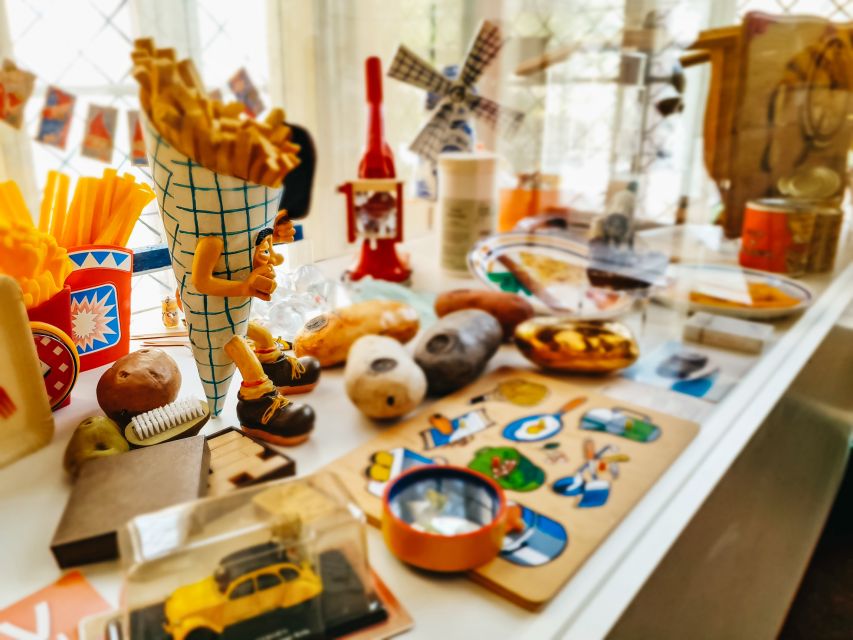
The activity is listed as valid for 1 day, with starting times based on availability. Inside the museum, you should assume a flexible visit length.
A couple of reviews suggested the museum can feel short—around half an hour for some people. That doesn’t mean it’s bad. It means you should think of it as a tight add-on, not a full-day cultural marathon.
My practical take: plan for about 45–75 minutes if you want to read, do the interactive stuff, and still have time to enjoy the cellar fries without rushing.
If your Bruges day is packed (canals, squares, the usual medieval stroll), this works well as a “breather” activity. It’s also a fun change of pace if you’ve already done museums that feel like they require a strong coffee and a stubborn mood.
Pair it with the rest of Bruges (so it feels like a full day)
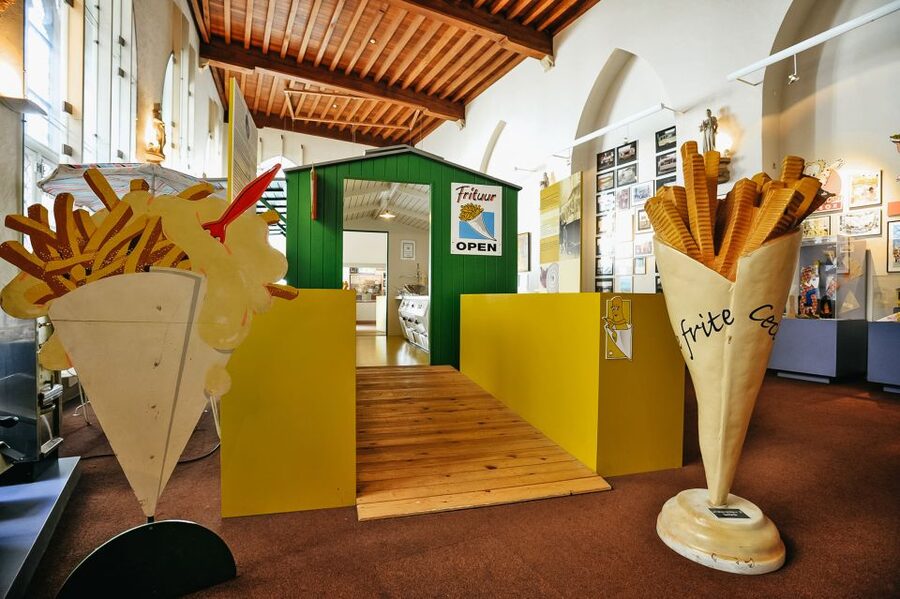
Frietmuseum is best when it fits into a broader day. Here’s an easy pairing logic that keeps things efficient:
- Do the museum first when you’re fresh, then walk the medieval streets while the potato-and-frites story is still fresh in your head.
- Or do it mid-day as a playful indoor reset when the weather turns grey (Bruges can do that).
- If you’re hungry afterward, remember fries tasting isn’t included. Build in time to order and sit for a few minutes.
And because the museum is in a beautiful historic building, it doesn’t feel like dead time. Even if you finish faster than expected, you’re still getting that Bruges “I’m in the right place” feeling.
Price and value: what $14 gets you (and what costs extra)
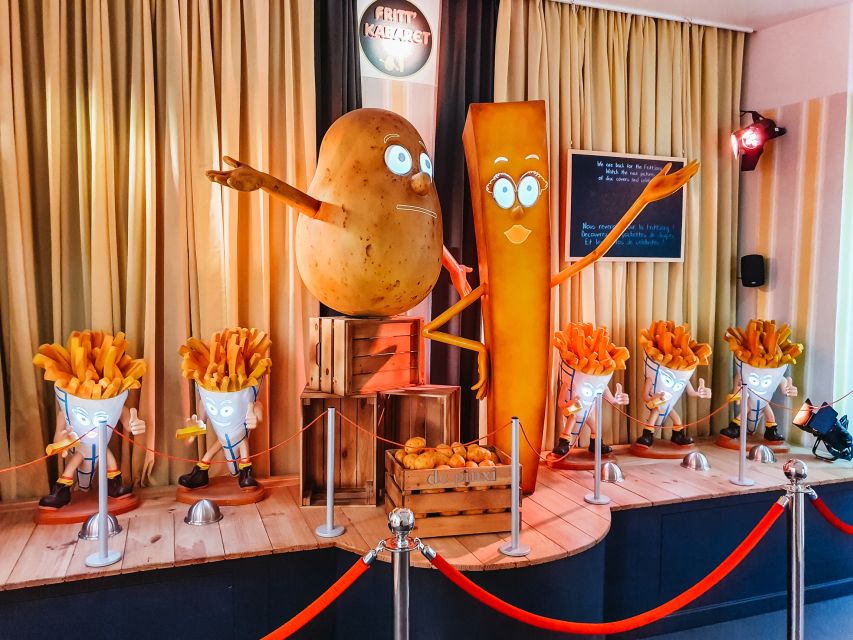
Price is around $14 per person for the museum entrance. That’s fairly reasonable for a museum that’s focused on one topic and includes an audio guide.
Here’s the value math:
- Included: museum entrance (and the audio guide)
- Not included: fries tasting and any drinks/extra food
So the total cost of your experience depends on whether you want fries at the end. If you do, you should treat it like a museum ticket plus meal budget. The upside is that the ending fries are part of the attraction, so it’s not a random add-on.
If you’re traveling on a tighter budget, you can still enjoy the museum without ordering at the end—you just need to accept that the “best part” is technically optional.
Who should book this Frietmuseum ticket?
This is a good match if:
- You love food history, especially when it connects to everyday culture.
- You want a museum that’s not heavy or slow.
- You’re traveling with kids and want interactive stops that don’t feel like homework.
It might not be for you if:
- You dislike eating-related experiences, even when they’re part of the story.
- You hate short, focused museums and want hours of content.
- You go into it expecting fries tasting to be included in the ticket.
If you’re unsure, it helps to look at your travel style. If you enjoy quirky, single-topic stops that combine learning with a final treat, this fits nicely.
Should you book the Frietmuseum Bruges ticket?
Yes, if you’re in Bruges and you want something different that still makes sense as an activity. The ticket gives you a guided, audio-supported museum experience about potatoes and Belgian fries, and the setting—Saaihalle plus the medieval cellar vibe—makes it more than just a list of facts.
Before you book, do one honest check: are you planning to order fries at the end? If yes, this becomes a strong deal because the story leads directly into the food. If no, it’s still interesting, but you’re essentially paying for the museum portion only.
If your days are packed, you’ll love that it’s a manageable stop with a flexible pace. And if you’re traveling with family, it’s one of those rare museums that can keep everyone interested without turning into a battle over attention spans.
FAQ
Is fries tasting included with the Frietmuseum ticket?
No. The ticket includes museum entrance, but fries tasting is not included. You can order fries at the end of your visit in the cellar/cantina area for an extra charge.
How long does the visit take?
The museum is valid for 1 day, but inside you may finish quickly. Some visitors report about half an hour, while others may take longer if they use the interactive elements and spend time at the end.
What languages is the audio guide available in?
The audio guide is available in English, French, Spanish, German, and Dutch.
Where do I go when I arrive?
Go to the main entrance of the museum.
Is the museum wheelchair accessible?
Yes, the Frietmuseum is listed as wheelchair accessible.
What time slots are available?
The ticket is valid for 1 day, and you can check availability to see starting times for your preferred entry.