REVIEW · AUCKLAND
Auckland: Maritime Museum Entry Ticket
Book on GetYourGuide →Operated by New Zealand Maritime Museum · Bookable on GetYourGuide
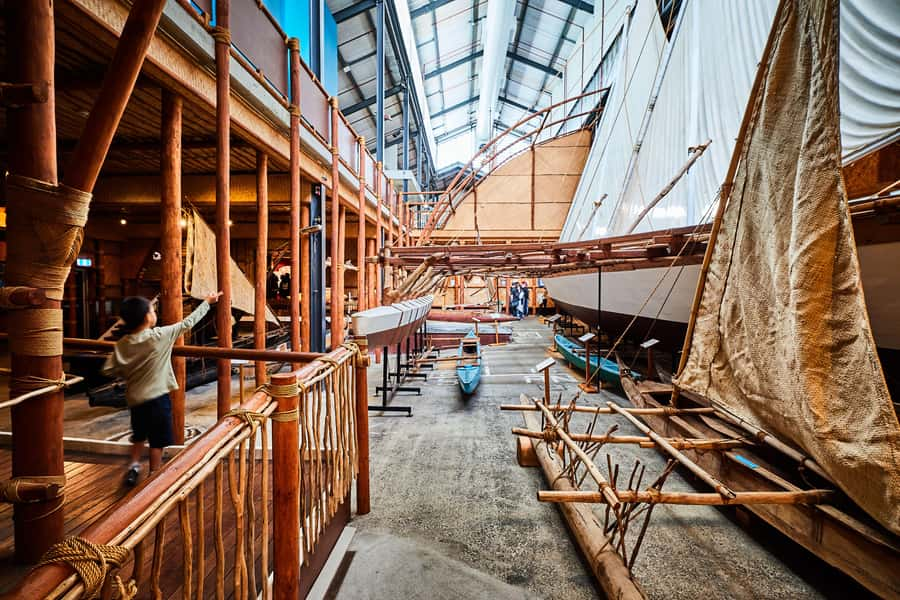
The ocean has a paperwork trail in Auckland. The New Zealand Maritime Museum turns that idea into something you can walk through, with beautifully designed galleries and hands-on displays that explain how the sea shaped life here. It’s a smart stop if you like real objects, personal stories, and design ideas grounded in history.
I especially liked how the museum frames New Zealand as a maritime nation, not just a country with beaches. One visitor note I kept coming back to came from Imran (Singapore), who called out how the museum offers perspective on Maori traditions as well as Western shipping—two ways of understanding the ocean side by side.
One consideration: this is more of a focused 1–3 hour museum visit than a full-day marathon. If you’re expecting a 6-hour, “see every single thing” experience, you’ll need a second activity plan after you leave—or you’ll spend longer than you think you should.
In This Review
- Key things to know before you go
- New Zealand Maritime Museum at Auckland Viaduct Harbour: a waterfront day that makes sense
- Ticket price and value: is $14 really worth it?
- What to expect inside: interactive ocean stories, not a textbook
- Exhibitions to watch for: Maori traditions, Western shipping, and Pacific routes
- The America’s Cup angle: design and competition you can understand
- A museum layout that works for families and design lovers
- Timing your visit: museum hours, last entry, and pacing your 1–3 hours
- What to bring (and the rules that matter)
- Pairing it with Auckland Viaduct Harbour: make the waterfront do work
- Who should book this maritime museum ticket?
- Should you book the Auckland Maritime Museum entry ticket?
- FAQ
- Where is the meeting point, and what do I need at the ticket counter?
- What are the museum hours and the last entry time?
- How long should I plan to spend?
- What should I bring for the visit?
- Is food and drinks included with the ticket?
- Are unaccompanied minors allowed?
Key things to know before you go

- Auckland Viaduct Harbour location: arrive there and show your voucher at the ticket counter.
- Hands-on + immersive storytelling: plan around interactive exhibits, not just reading walls.
- Ocean themes you can connect to: Pacific migrations, trade, innovation, leisure, and more.
- America’s Cup design content: there’s an emphasis on cutting-edge yacht design and what it represents.
- Open daily except 25 December: museum hours run 10:00 AM–5:00 PM with last entry at 4:00 PM.
New Zealand Maritime Museum at Auckland Viaduct Harbour: a waterfront day that makes sense
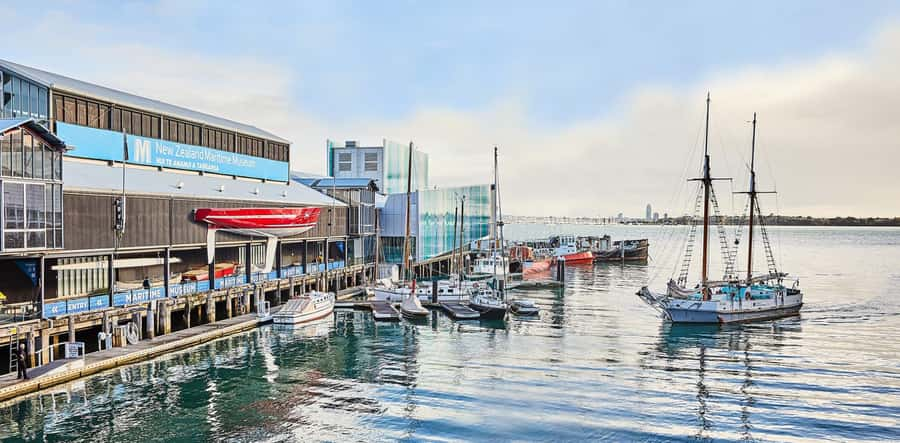
If you’re already spending time around Auckland’s Viaduct Harbour, this ticket is an easy add-on. The museum’s location matters because the area itself is tied to boating culture, so you get an instant sense of place before you even step inside.
You’ll meet at the New Zealand Maritime Museum at Auckland Viaduct Harbour and then show your voucher at the ticket counter. That’s a simple start, and it helps you move quickly—no long waiting around for a group tour because this is basically an entry-ticket experience.
The tone inside is family-friendly and curiosity-driven. The museum doesn’t treat the ocean as a distant topic. It connects the sea to everyday life: how people traveled, how goods moved, how new tech changed what boats could do, and how leisure and competition grew around sailing. Even if you’re not a “maritime person,” you’ll still find entry points.
A few more Auckland tours and experiences worth a look

Ticket price and value: is $14 really worth it?
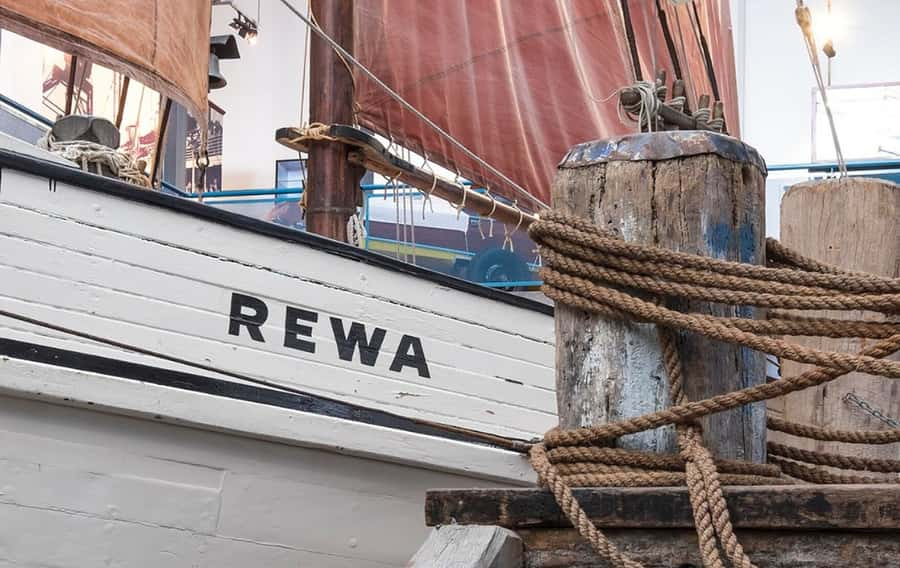
At $14 per person, this feels like good value for an Auckland museum stop—especially because you’re not paying extra for “the fun parts.” Your ticket includes entry to the museum, and the experience is built around exhibitions plus interactive elements, not just passive gallery viewing.
The key value isn’t just that you get to see artifacts. It’s that the museum organizes stories around big themes:
- Immigration and Pacific migrations
- Trade and shipping
- Innovation in maritime design
- Leisure and competitions like the America’s Cup
If you like museums that explain how people lived (and not just what happened on paper), you’ll feel you’re getting your money’s worth quickly. If you love technical design, the yacht and sailing content gives you a second angle besides the history side.
Recommended time is 1–3 hours. That’s important for value: if you use the time well—see the main galleries, hit the interactive parts, and don’t try to read every label—you’ll leave feeling satisfied. If you’re the type who slows down for every panel, budget extra time.
What to expect inside: interactive ocean stories, not a textbook
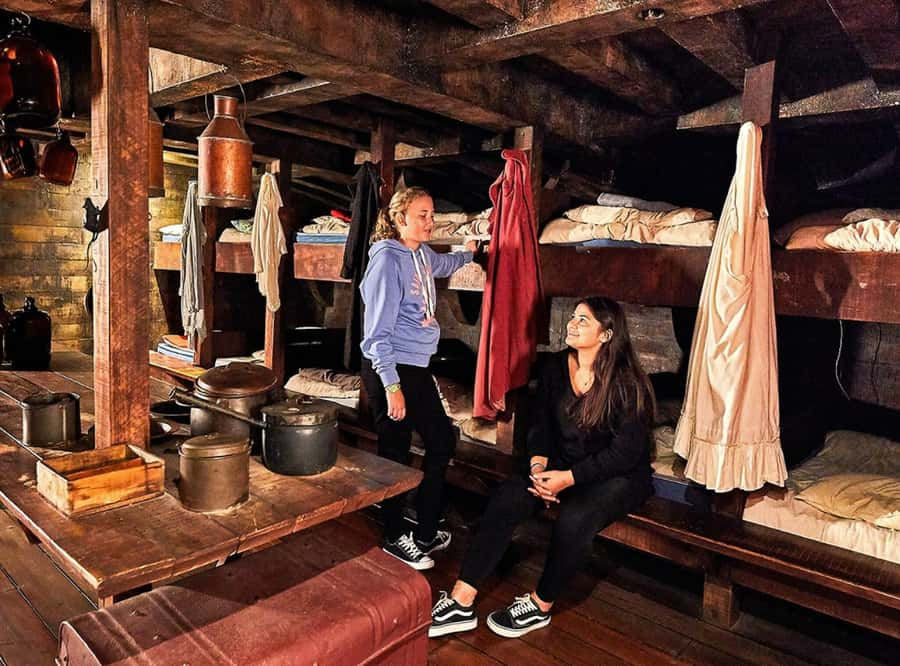
This museum is built to make the ocean feel personal. The exhibitions are described as immersive galleries, hands-on displays, and special exhibitions. Translation: you’re not only looking; you’re also engaging with how things work and how the stories connect.
Here’s what that means for your visit:
- You’ll likely spend more time in areas that invite participation or close viewing, since those are built to keep you from zoning out.
- You can move through sections in a way that matches your interests—history, Maori and ocean relationships, or ship and design themes.
- The museum’s collection approach is designed to create a thought-provoking journey through time, not just a list of dates.
In one visitor note, Gottfried (Australia) kept it short: very interesting. That tracks with how the museum is set up. It’s broad enough that most people find something they care about, but focused enough that you don’t feel lost.
And yes, the building and exhibition design are a big part of the experience. Kathryn (United States) specifically mentioned that the museum is beautifully designed. Even if you don’t care about aesthetics, good layout helps you get through a museum without constantly backtracking.
Exhibitions to watch for: Maori traditions, Western shipping, and Pacific routes
One of the strongest reasons to go is the museum’s “ocean as a relationship” framing. The museum explores New Zealand’s unique relationship to the sea, and that includes multiple perspectives.
Imran (Singapore) highlighted how you can get perspective on Maori traditions along with Western shipping. That combination matters because it helps you understand the ocean as something more than a shipping lane. It’s also a part of culture, movement, and knowledge.
You’ll see themes connected to:
- Pacific migrations (how people moved and what the sea made possible)
- Trade (how goods and connections built the country’s links)
- Innovation (how maritime technology changed what ships and sailing could do)
- Leisure (how ocean life became part of sport and lifestyle)
This is the kind of museum content that rewards paying attention. Even a quick scan of labels can help you connect the dots between migration stories and the later rise of shipping routes and maritime industries.
If you’re traveling with kids, this kind of thematic storytelling usually works better than straight chronological history. It gives you “reasons” to care—why the ocean mattered—rather than only dates.
The America’s Cup angle: design and competition you can understand
Auckland is one of those places where sailing isn’t just an occasional hobby. If you’re in town during major sailing moments, you may feel that energy around the waterfront.
The museum’s exhibitions specifically mention cutting-edge yacht design in the America’s Cup. That’s a big clue about what you’ll get: not just “cool boats,” but how design reflects innovation and ambition.
Kathryn (United States) noted she was there while the ITM New Zealand Sail Grand Prix was underway, and that the location made it exciting. Even if you’re not in the exact same moment, the practical takeaway is this: the museum sits in the same atmosphere as Auckland’s sailing culture.
So how do you use this while visiting?
- If you care about engineering/design, spend extra time around the yacht design exhibition areas.
- If you care more about history, treat the design angle as the “then and now” link—how the ocean story evolves from movement and trade to technology and sport.
You can also read our reviews of more museum experiences in Auckland


A museum layout that works for families and design lovers
This museum is described as a place with personal stories, artifacts, and interactive experiences. That mix is what makes it work for a wide range of visitors.
Here’s the balance I think you’ll feel inside:
- Artifacts give the museum credibility. You see physical evidence, not just talk.
- Personal stories make the ocean feel human. It’s not abstract.
- Interactive bits help you stay present, especially if you’re with kids or you get bored by long text.
Gottfried’s short note—very interesting—suggests the museum’s appeal isn’t limited to one type of interest. And your own mix of interests will likely find a match too. If you’re traveling as a couple, you can split your attention across different exhibition areas and regroup afterward to compare what you found.
If you have limited time, you’ll also be glad it’s not positioned like a never-ending building. The recommended visit length of 1–3 hours is realistic for most people who want a strong museum experience without turning the day into homework.
One more practical tip: bring comfortable shoes. The museum is wheelchair accessible, but that doesn’t mean the pathways are built for flip-flops and long museum stands. Walk, read, look up, repeat.
Timing your visit: museum hours, last entry, and pacing your 1–3 hours
You’ll want to plan around the museum schedule:
- Open daily from 10:00 AM to 5:00 PM
- Last entry at 4:00 PM
- Closed only on 25th December
For most people, the best strategy is simple: arrive with time to wander without rushing. If you’re going later in the day, remember that last entry at 4:00 PM is real. Don’t build a visit that depends on “we’ll just see how it goes.”
A good pacing approach for a 1–3 hour visit:
- Spend the first portion getting your bearings and hitting the interactive sections.
- Then focus on the exhibition themes you care about most—Pacific migrations, Maori traditions, Western shipping, or America’s Cup design.
- Finish with the areas that feel most personal, so you leave with a stronger memory rather than the last things you happened to see.
If you’re visiting with family, this pacing matters even more. Kids can handle museum time, but they need movement and momentum.
What to bring (and the rules that matter)
This is straightforward, but it pays to be ready at the entrance.
Bring:
- Passport or ID card
- Comfortable shoes
- Camera
- Student card (if you want to use it, since it’s mentioned as something to bring)
Not allowed:
- Unaccompanied minors
You’ll also need to know that all children must be accompanied by a supervising adult at all times. So if you’re traveling with family, make sure your adult coverage is planned before you arrive.
Pairing it with Auckland Viaduct Harbour: make the waterfront do work
The meeting point is already set at Auckland Viaduct Harbour, so it’s a natural pairing with a waterfront walk, a coffee break, and any sailing-season atmosphere you might catch.
The museum’s story focus on maritime life makes the outside area feel more meaningful. Even if the weather is just “fine,” the waterfront setting helps you picture the practical reality behind the exhibits.
And if you happen to be there during a major sailing event—like the ITM New Zealand Sail Grand Prix—the timing can add extra excitement, since the location is tied to that action. You don’t have to chase the race; just being in the area can make the ocean theme feel current.
Who should book this maritime museum ticket?
You’ll probably love it if:
- You’re into New Zealand culture and history, especially how Maori traditions relate to the ocean
- You like museums that mix stories with physical artifacts
- You’re curious about design and innovation, not just old ships
- You want an Auckland indoor/outdoor day where the waterfront context matters
You might want a different plan if:
- You’re looking for a full-day, deep-dive museum marathon (this is more like 1–3 hours for most visitors)
- You only want extremely technical ship-spotting details (the exhibitions are described more broadly across themes)
Should you book the Auckland Maritime Museum entry ticket?
Yes, I’d book it if you want a solid, well-designed Auckland museum experience that connects the ocean to real people, real movement, and real innovation. The $14 entry fee is reasonable for a museum built around immersive galleries and hands-on learning, and the 1–3 hour timing makes it easy to fit into a day without stress.
Book it especially if your trip includes waterfront time at Viaduct Harbour. The location makes it feel like part of the city’s story, not a separate detour.
If you’re on the fence, here’s your deciding question: do you want a museum that explains how the sea shapes immigration, trade, technology, and leisure in one place? If the answer is yes, this ticket is a practical win.
FAQ
Where is the meeting point, and what do I need at the ticket counter?
Arrive at the New Zealand Maritime Museum at Auckland Viaduct Harbour. You must show your voucher at the ticket counter.
What are the museum hours and the last entry time?
The museum is open every day from 10:00 AM to 5:00 PM, with last entry at 4:00 PM. It is open every day except 25th December.
How long should I plan to spend?
A 1–3 hour experience is recommended. The duration is listed as 1 day, and you can check availability to see starting times.
What should I bring for the visit?
Bring a passport or ID card, comfortable shoes, a camera, and your student card.
Is food and drinks included with the ticket?
No. Food and drinks are not included.
Are unaccompanied minors allowed?
No. Unaccompanied minors are not allowed, and all children must be accompanied by a supervising adult at all times.