REVIEW · AMSTERDAM
Amsterdam: National Holocaust Museum Entry Ticket
Book on GetYourGuide →Operated by Jewish Cultural Quarter Amsterdam · Bookable on GetYourGuide
Amsterdam hits you fast. Not with fireworks, but with truth. The National Holocaust Museum is based in the historic Hervormde Kweekschool, so the setting matters as much as the exhibits. You’ll see how Jewish life in the Netherlands changed under Nazi occupation, and how the Holocaust is handled in Dutch public memory.
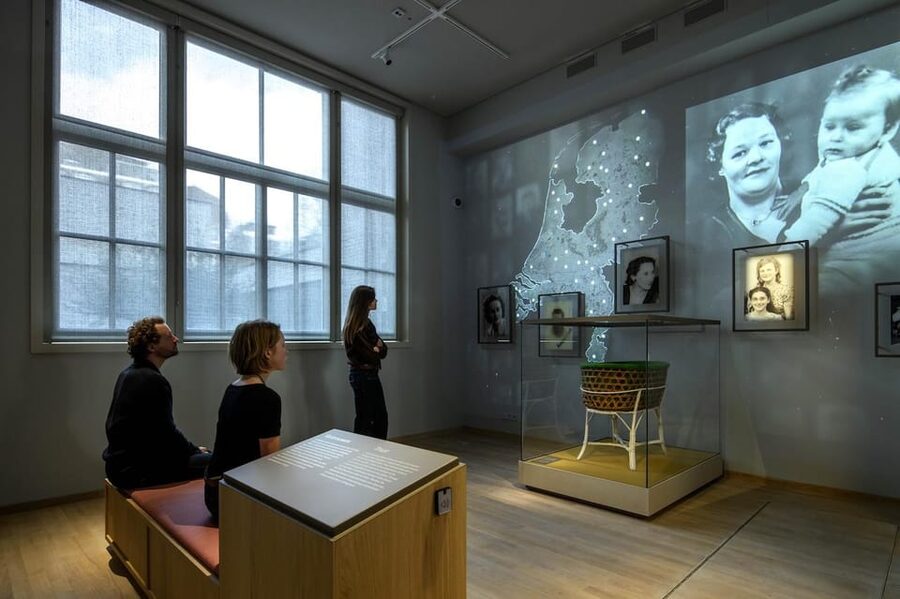
I especially love the way this museum makes the story feel concrete: the building itself connects daily life to deportation. You also get standout technology like interactive holograms where you can ask questions, and that helps you work through a heavy subject at your own pace.
One consideration: the museum can feel information-heavy. If you’re prone to getting overwhelmed, plan a slow visit (and maybe use your ticket’s 7-day window to spread it out).
In This Review
- Key highlights you’ll remember
- National Holocaust Museum in the Hervormde Kweekschool: where the past is the building
- Inside the story: everyday life, then the system
- Henriëtte Pimentel and the Kweekschool: why this place feels personal
- Interactive holograms and audio: how to handle the information load
- Pacing your visit: plan for a slow, half-day effort
- The Holocaust in the Netherlands: what the museum makes clear
- Hollandsche Schouwburg memorial: extending the meaning beyond the main museum
- Price and value: is $24 fair for what you get?
- Who should book this Amsterdam Holocaust Museum ticket
- Practical tips so your visit goes smoothly
- Should you book this Holocaust Museum ticket?
- FAQ
- How much does the National Holocaust Museum ticket cost?
- Where is the meeting point?
- How long is the ticket valid?
- What’s included with the ticket besides the National Holocaust Museum?
- Can I cancel and get a refund?
- Is photography allowed inside?
- Is the experience wheelchair accessible?
Key highlights you’ll remember
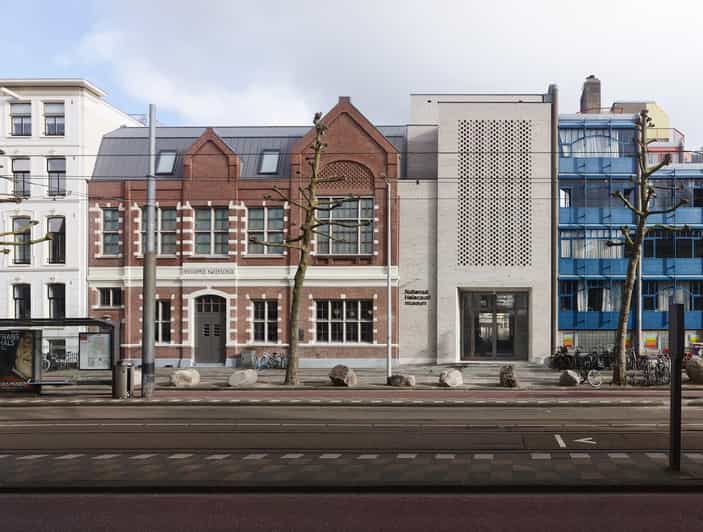
- Hervormde Kweekschool setting: the former school space tied to deportations makes the exhibits hit harder
- Henriëtte Pimentel’s role: learn how she helped hundreds escape, including through the Kweekschool
- Everyday life before the war: you’ll see how Jews and non-Jews lived side by side with equal rights
- Unflinching presentation: the museum shows victims with recognizable faces, not vague statistics
- Interactive holograms: question-and-answer elements that can be great, but also a lot to take in
- Included Hollandsche Schouwburg memorial entry: extend the story beyond the main museum
National Holocaust Museum in the Hervormde Kweekschool: where the past is the building
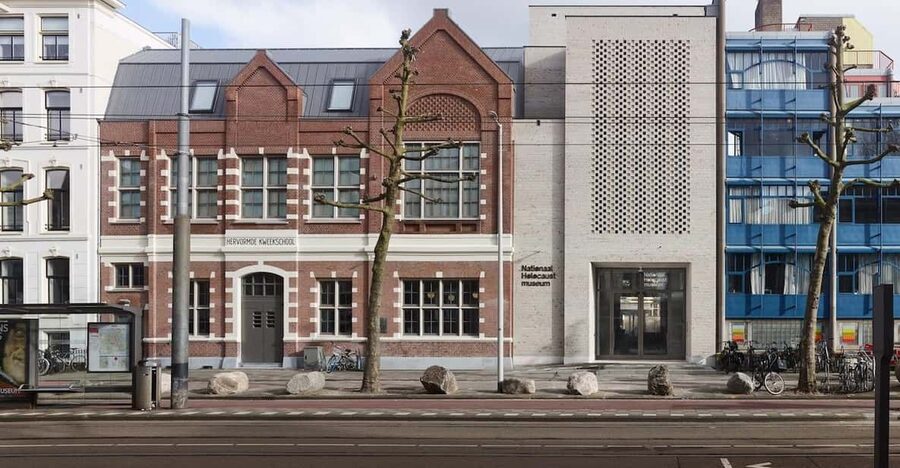
When you enter the National Holocaust Museum, you’re not just walking through a themed exhibition. The museum is housed in the former Hervormde Kweekschool, a historically important building that makes the narrative feel less abstract.
That matters because this site isn’t neutral ground. During the occupation, the Nazis used areas adjacent to a daycare as a gathering and deportation point for Jewish children. The museum then connects that reality to broader themes: persecution, murder, and the way Dutch society remembers what happened. You’re essentially reading history with your feet inside it.
I like that the museum doesn’t try to wrap the subject in comfort. The exhibits are presented directly, with victims given recognizable faces, and with the Dutch context made clear. If you care about understanding the Holocaust as it unfolded in one country—not just in general—this is one of the stronger places to do it in Amsterdam.
A few more Amsterdam tours and experiences worth a look



Inside the story: everyday life, then the system
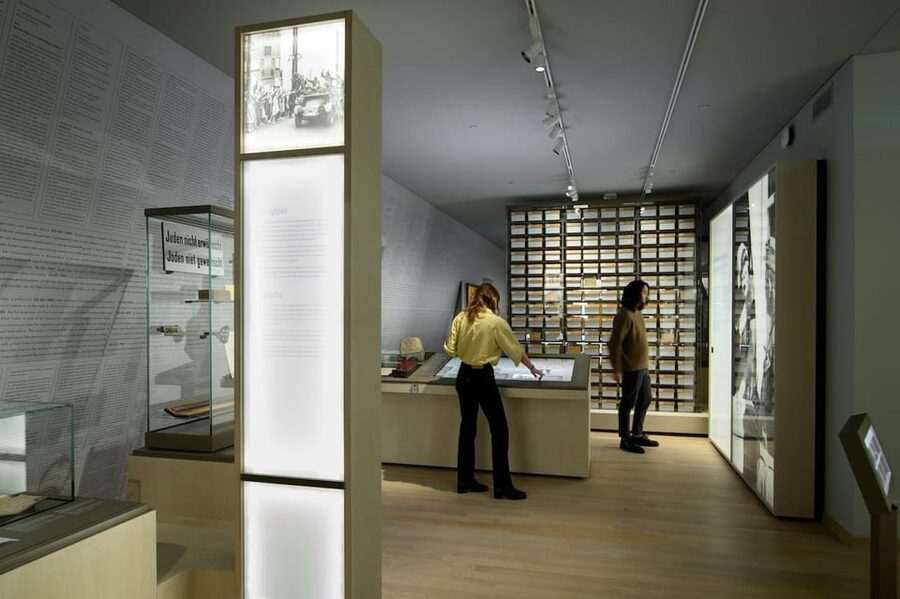
A good Holocaust museum tells you what happened. A great one helps you feel how it happened. This one does both.
Before World War Two, you see daily life for Jews in the Netherlands, alongside how Jews and non-Jews lived with the same rights. That foundation is important for your brain. It prevents the story from becoming a blur of uniforms and dates. It also highlights something chilling: persecution didn’t start with an explosion. It started with changes that grew into a system.
During the occupation, the museum explains the Nazi plan in a way that shows incremental steps leading to horror. The provided context is stark: Nazis murdered approximately six million Jews in Europe (the Holocaust or Shoah). And in the Netherlands specifically, three-quarters of the Jewish population were killed. When you see these numbers alongside the Dutch experience, it stops being a distant statistic.
You’ll also learn about liberation—what that meant for Jewish people who survived—then how the Holocaust is handled in national memory culture. That part is valuable because it’s easy to leave museums thinking only about the past. Here, you get a sense of how societies decide what to remember, and how memory can be shaped over time.
Henriëtte Pimentel and the Kweekschool: why this place feels personal
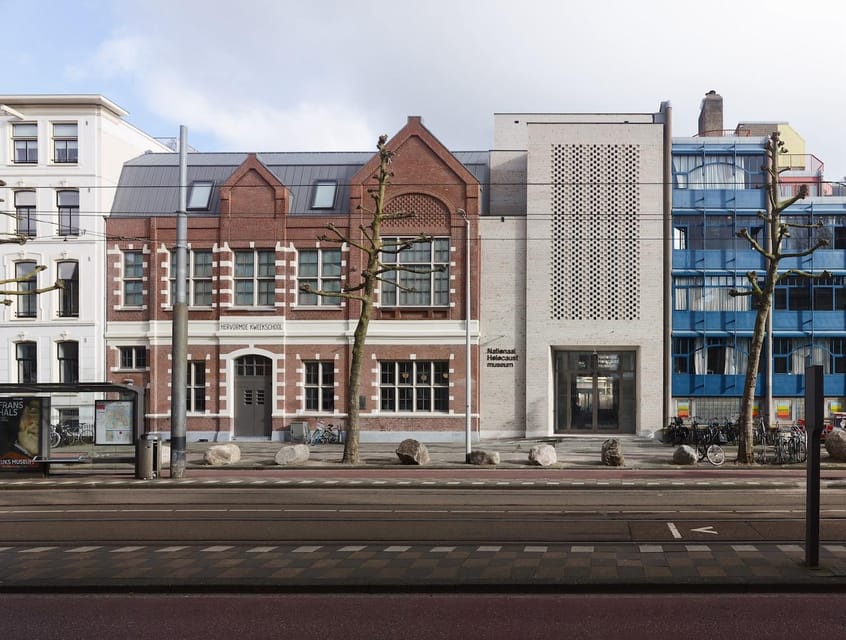
The Hervormde Kweekschool isn’t just a venue. It’s a character in the story. A key thread is the role of director Henriëtte Pimentel, who helped hundreds of children escape, including through the Kweekschool.
This is the kind of detail that makes a museum visit stick. You’re not only learning about victims being targeted. You’re also seeing how people inside the system tried to protect children when the danger became extreme. It adds moral clarity and turns the narrative into something more human than a cold timeline.
If you’re looking for authenticity, that’s it. The museum connects the building, the people, and the events rather than treating the location like a backdrop. Even if you only remember one name from the visit, let it be Pimentel.
Interactive holograms and audio: how to handle the information load
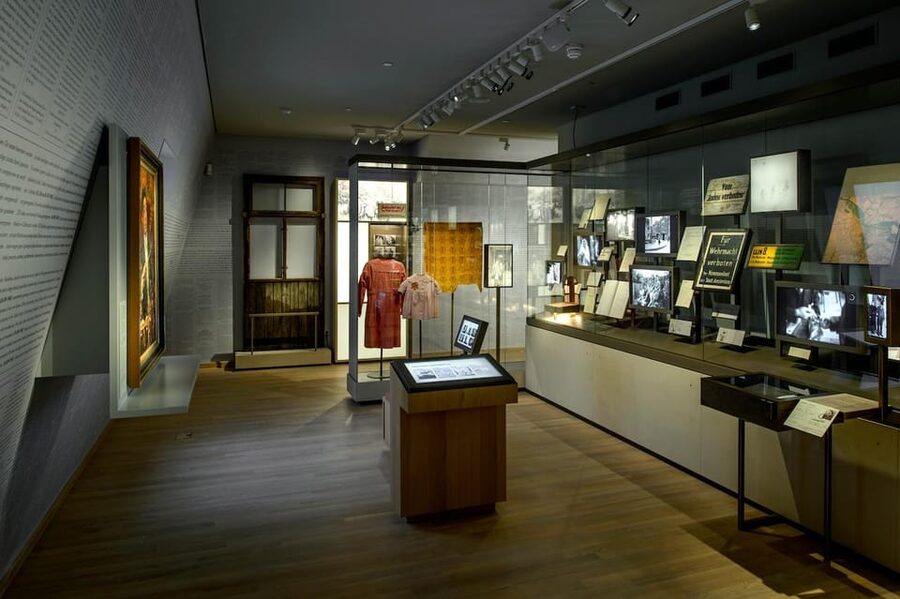
This museum uses modern tools to explain a complex and painful history. One visitor raved about the interactive holograms where you can ask questions and get answers. That’s a real advantage for visitors who like guidance, or who need help understanding details without reading every label.
But there’s a downside too: the same visitor noted it could be almost too much information and felt overwhelming. Another person suggested you dedicate half the day because there’s a lot to see and hear.
So here’s the practical move: pace yourself. Don’t sprint through the rooms. If the Q&A elements pull you in, let them. Then take breaks between sections so the emotional weight doesn’t stack up.
Also watch for small display issues that can affect your experience. One review noted glass cases reflected light, making some exhibits harder to see clearly—like suitcases and portraits. If you run into that, shift your angle, wait for the lighting to change, or give yourself an extra moment to line up your view.
If you use the audio guide, you may find it helpful for staying oriented through the museum. One visitor specifically praised the audio guide as informative throughout, and another noticed some electronic-guide accounts switching into Dutch instead of staying in English. That means you should expect occasional language surprises if you’re relying on English audio.
Pacing your visit: plan for a slow, half-day effort
You’ll want time. Multiple reviews stressed how much there is to take in, and that’s consistent with the museum’s approach: it’s not one long corridor of objects. It’s a layered set of themes—prewar life, persecution, deportation mechanisms, liberation, and memory culture.
A good rule of thumb: plan about half a day for a full, thoughtful visit. If you’re a fast reader and comfortable with heavy material, you might go quicker. If you tend to stop often and reread, you’ll need more room.
And don’t assume the museum will feel forgiving at closing time. One review mentioned a security guard telling them it was closing at 16:58. Museums can move quickly at the end of the day, so give yourself a buffer. Arriving earlier than you think you need is the simplest way to avoid that last-hour scramble.
You can also read our reviews of more museum experiences in Amsterdam






The Holocaust in the Netherlands: what the museum makes clear
This museum’s strength is how it frames the Holocaust as a Dutch story as well as a European one. The persecution of Jews in the Netherlands is presented with directness, not as an add-on to a broader storyline. That’s why the numbers land.
You’ll see how daily life changed under occupation and how Nazis systematically enforced terror. The museum also explains the broader historical reality: genocide wasn’t just violence—it was administration. That’s one of the reasons many visitors describe it as well organized and educational rather than chaotic.
The museum’s approach can be emotionally tough, and it’s supposed to be. The goal is remembrance with understanding, not shock without context. If you’re the type who wants to learn while staying steady, you’ll probably appreciate how the exhibits are arranged and labeled with clarity.
Just be ready for a somber tone. This isn’t the place for multitasking. If you come in on your phone, set it down. Let your attention stay with the story.
Hollandsche Schouwburg memorial: extending the meaning beyond the main museum
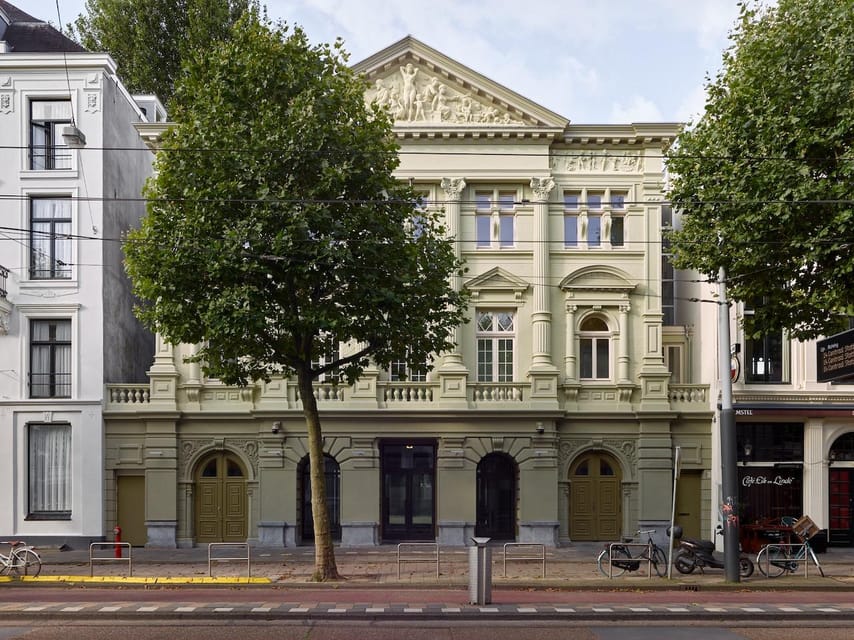
Your ticket includes entry to the Hollandsche Schouwburg National Holocaust Memorial. That’s a smart value add because it keeps you from leaving Amsterdam with only one setting and one interpretive lens.
Even without turning the second site into a full second museum day, having that stop included helps you connect dots. The National Holocaust Museum gives you the broader framework—daily life, persecution, liberation, memory. The Hollandsche Schouwburg memorial then becomes a complementary place to reflect on how the city and Dutch society processed and remembered the events tied to Jewish lives.
If your time is tight, you can treat the main museum as your priority and use the memorial as a “finish with context” stop. If you have more flexibility, visit them in sequence and you’ll likely understand the connections more clearly.
Price and value: is $24 fair for what you get?
At $24 per person, the ticket is priced like a serious museum experience, not like a quick attraction. But for the value, you’re also getting more than one admission: entry to the National Holocaust Museum plus the Hollandsche Schouwburg memorial.
You’re paying for a designed educational experience in a major historic building, plus guided interpretation tools like interactive holograms and audio support. You also get 7 days of validity from first activation, which can matter if you need to break the visit into two calmer sessions.
So I’d frame the price like this: this is a museum you’ll want to do thoughtfully. If you go once for 45 minutes and rush, you won’t get your money’s worth. If you give it time, treat it like a lesson, and use the included memorial as a second step, the $24 starts to feel very reasonable.
Also, this ticket sits at a 4.7 rating with 413 reviews, which usually signals consistent satisfaction. Just remember: the topic is heavy. High ratings here often mean the museum is handled well and stays educational without being careless.
Who should book this Amsterdam Holocaust Museum ticket
You should book if you want:
- A Dutch-focused Holocaust explanation, not a generic overview
- Real connection to place, especially through the Hervormde Kweekschool setting
- A museum visit that mixes serious artifacts with interpretation tools like interactive holograms
- An included stop at the Hollandsche Schouwburg memorial
You might also love it if you’re traveling with a school-minded curiosity—someone who wants names, systems, and context. One review even described visiting with a son and taking their time, which suggests it can work for families who are prepared for emotional content.
You may want to think twice if you’re very sensitive to heavy history or struggle with overwhelming information displays. In that case, use the 7-day validity to split the visit, and plan quieter pacing.
Practical tips so your visit goes smoothly
- Give yourself time. Aim for about half a day, and don’t schedule other big plans right after.
- Expect a lot of reading and listening. If hologram Q&A pulls you in, take it slowly.
- If glass reflections block your view, change your angle and give yourself a moment. That issue came up with cabinets like suitcases and portraits.
- Watch for ending-time pressure. One visitor got a closing reminder at 16:58, so build in a buffer.
- Don’t skip the included memorial. It’s part of the ticket value, and it helps you finish with more meaning.
- If you need food, there appears to be a museum cafe that at least one visitor called excellent.
Should you book this Holocaust Museum ticket?
Yes—if you want a serious, Dutch-centered Holocaust education in a powerful historic setting, this is a strong pick. The combination of the Hervormde Kweekschool location, the story anchored by Henriëtte Pimentel, and the included Hollandsche Schouwburg memorial makes the ticket feel more complete than a single exhibit stop.
If you’re short on time or prefer lighter museum experiences, you might feel it’s too heavy for one sitting. But with 7-day validity, you can pace it. For many people, that’s the difference between rushing through and actually understanding.
FAQ
How much does the National Holocaust Museum ticket cost?
The price is $24 per person.
Where is the meeting point?
The meeting point is National Holocaustmuseum.
How long is the ticket valid?
The ticket is valid for 7 days from the first activation.
What’s included with the ticket besides the National Holocaust Museum?
Your ticket also includes entry to the Hollandsche Schouwburg National Holocaust Memorial.
Can I cancel and get a refund?
Yes. You can cancel up to 24 hours in advance for a full refund.
Is photography allowed inside?
Photography is allowed, but you should be respectful.
Is the experience wheelchair accessible?
Yes, it is wheelchair accessible.