REVIEW · FIFA WORLD FOOTBALL MUSEUM
Zurich: FIFA Museum Entry Ticket
Book on GetYourGuide →Operated by FIFA Museum AG · Bookable on GetYourGuide
Football history meets playtime. That’s what makes Zurich’s FIFA Museum such a fun stop.
I like the chance to see the original FIFA World Cup Trophy and the way the exhibits pack in 1,000+ carefully picked objects. I also like that it’s set up for self-paced exploring with an audio guide and interactive zones. The one catch: at $32, it can feel pricey if you mostly want quick entertainment and not museum-style storytelling.
Plan your visit around the museum’s game areas and you’ll get your money’s worth. I especially enjoy the giant pinball machine and the ball-skill style activities that turn the building into a playground without losing the historical context. Just keep in mind the experience skews family-friendly, so some of the most action-heavy parts feel more geared toward kids and teens than hardcore adults.
In This Review
- Ticket Value in Zurich: What $32 Really Buys
- Entering The FIFA Museum: Your First Look at the Big League
- The World Cup Trophy and 1,000+ Objects: The Main Event
- How the QR Audio Guide Keeps You Moving at Your Pace
- Interactive Football: The Giant Pinball Machine and Skill Tests
- Women’s Football and International Stories That Don’t Feel Like a Side Room
- Innovation in Action (Oct 2025–Mar 2026): Tech Behind the Whistle
- Timing Your Visit: Open Hours, Built-in Rushing, and Realistic Time
- What to Bring and What to Skip
- Who This Museum Is For (and Who Might Want a Different Plan)
- The Bottom Line: Should You Book the FIFA Museum Ticket?
- FAQ
- What is included with the FIFA Museum ticket?
- How long is the ticket valid for?
- What are the museum opening hours?
- What languages are available for the audio guide?
- Is food and drink included?
- Is the museum suitable for wheelchair users?
Ticket Value in Zurich: What $32 Really Buys
A museum ticket at $32 sounds steep until you look at what you’re paying for. This is not just a room of photos and text. You’re buying access to a full, themed day in one of Zurich’s most iconic attractions, with multiple layers: original memorabilia, multimedia storytelling, and interactive football play.
The museum is designed to work for different energy levels. If you’re a football fanatic, you get the trophy and the big competitions storylines. If you’re not, you still get human stories: how football turned into the world’s most widely shared game, plus the people and moments that helped it spread.
Duration is listed as 1 day, which is helpful because it takes pressure off. You don’t need to rush. You can take breaks, read what interests you, and circle back to the game zone without feeling like you’re behind schedule.
Entering The FIFA Museum: Your First Look at the Big League
When you arrive, you enter the FIFA Museum and hand over your ticket at arrival. That’s the whole “meeting point” idea: get in, get started.
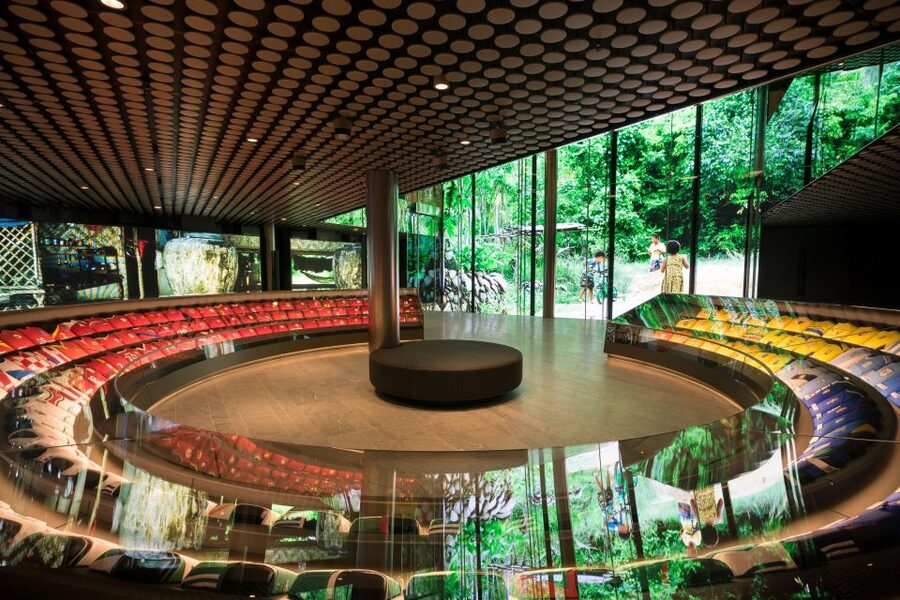
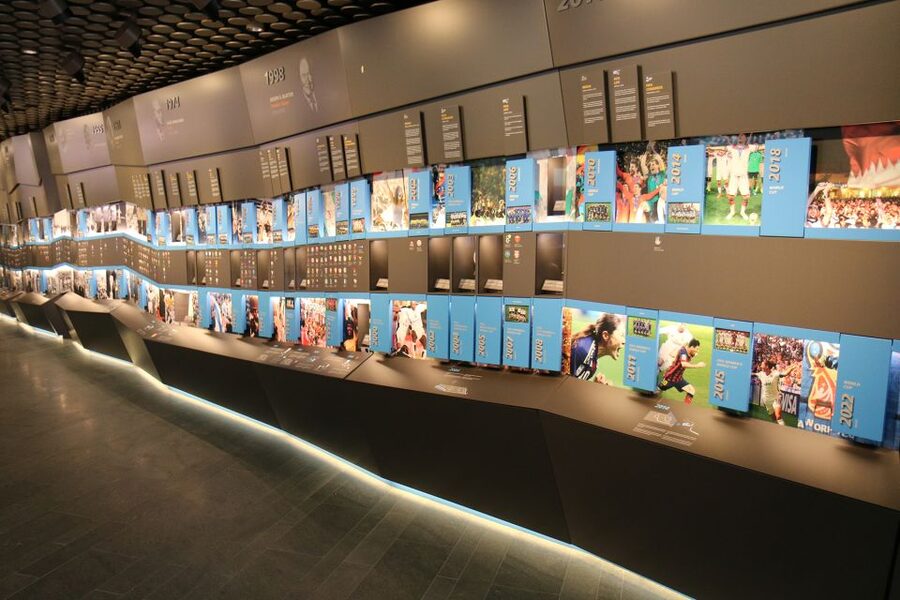
From the start, the museum signals its tone. This isn’t a quiet, hush-everywhere kind of place. It’s built like a sports experience you can wander through. Expect modern-looking gallery spaces, lots of visual displays, and clear sections that move from the sport’s beginnings toward today.
One smart move: wear comfortable shoes. The museum is designed for walking, and you’ll naturally slow down at exhibits you care about. Add water to your day pack, because Zurich days can be surprisingly draining even when you’re not outside all that much.
The World Cup Trophy and 1,000+ Objects: The Main Event

The headline draw is the original FIFA World Cup Trophy. Seeing it in person changes the scale of everything you’ve read about over the years. It’s a small object in a big football universe, and that contrast is part of the impact. If you’re the type who likes to connect history to a physical artifact, this alone is worth aiming your day around.
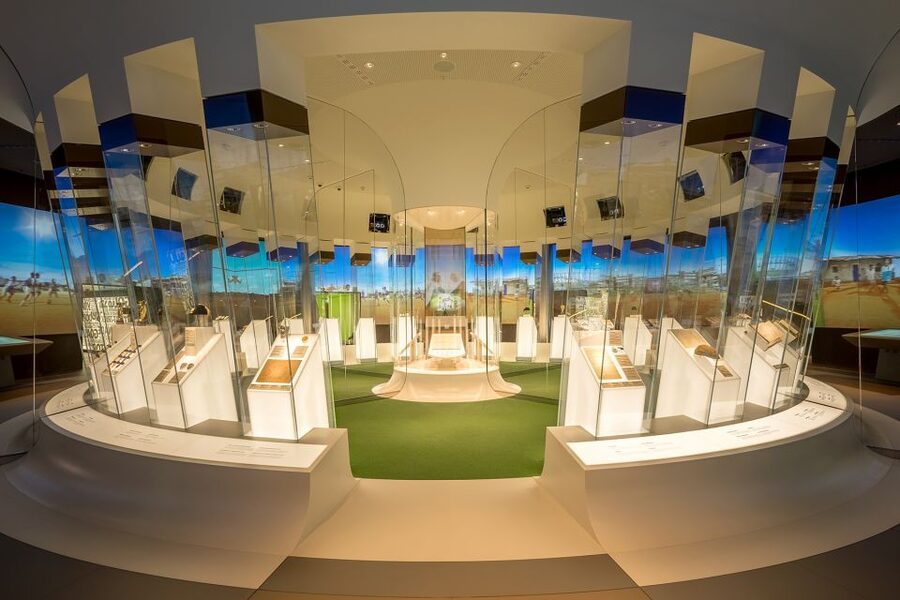
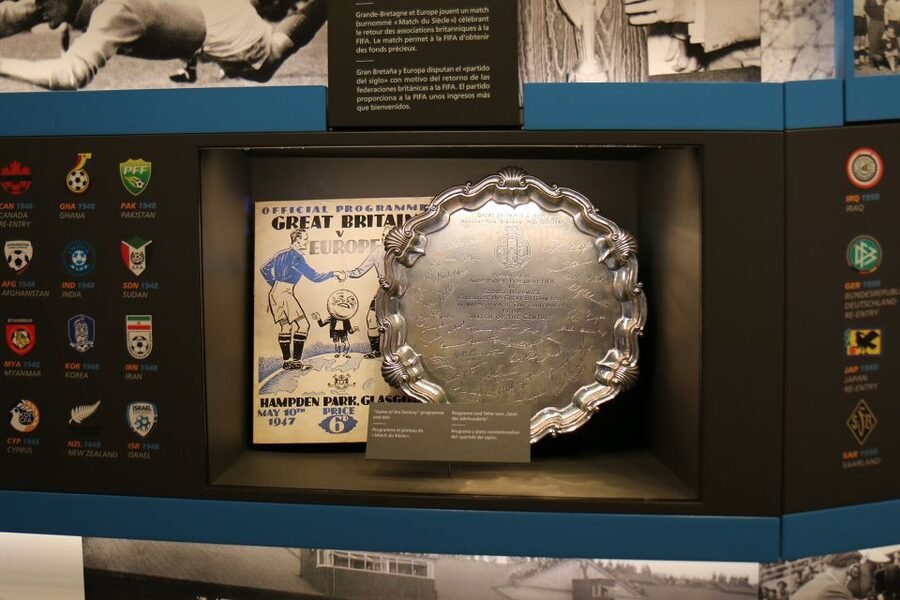
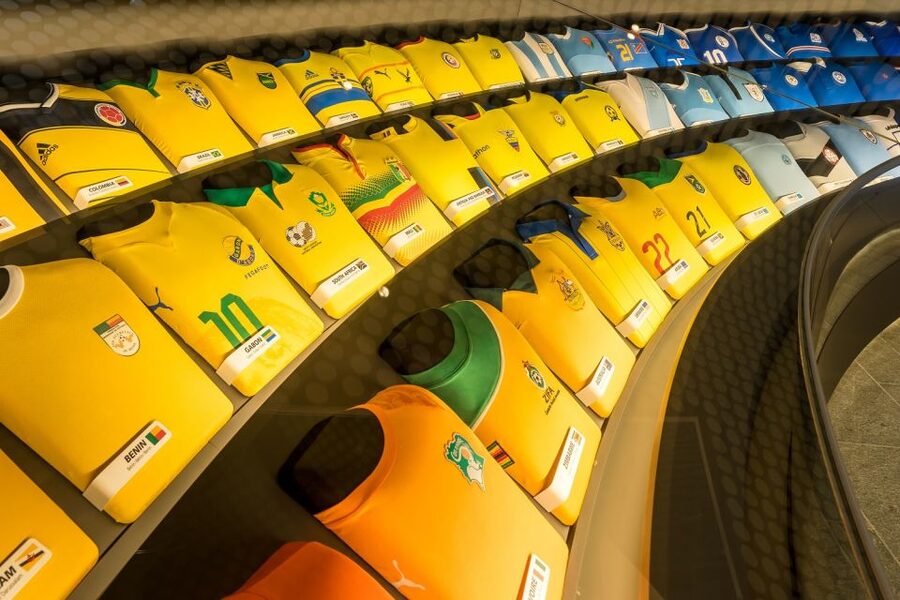
Then there’s the exhibition collection: over 1,000 carefully selected football-themed objects. The museum leans into variety. You don’t just get trophies and match balls. You get the smaller, story-carrying items that help explain how football is made, officiated, marketed, and remembered.
If you like details, pay attention to the personal items and equipment-style artifacts. Some examples you may notice include things like referee-related items (like a whistle) and even specific memorabilia tied to famous players, which helps make the story feel less abstract and more human.
This is also where football fans tend to spend extra time. You can treat it like a guided timeline, but you can also treat it like a scavenger hunt for your favorite eras, clubs, players, and competitions.
How the QR Audio Guide Keeps You Moving at Your Pace

The museum includes a complimentary audio guide accessible by QR code for your mobile phone. It supports multiple languages, including English, German, French, Italian, Spanish, Portuguese, Arabic, Mandarin.
That language list matters more than it sounds. It means you can choose the narration style you’ll actually listen to. And since the museum is self-paced, the audio guide helps you avoid the classic museum problem: reading half of the text and guessing the rest.
Here’s the practical way I’d use it:
- Start the audio guide early so you understand how each section connects.
- Turn it on when you notice a themed room or a major artifact.
- Turn it off for the interactive games so you’re not juggling screens while you’re playing.
The audio guide is also described as walking you through sections with stories, details, and anecdotes tied to exhibits. That mix is what turns a collection into an experience.
Interactive Football: The Giant Pinball Machine and Skill Tests
One of the best parts of this ticket is that the museum doesn’t treat football like a spectator sport only. It gives you a place to test your footwork and ball skills.
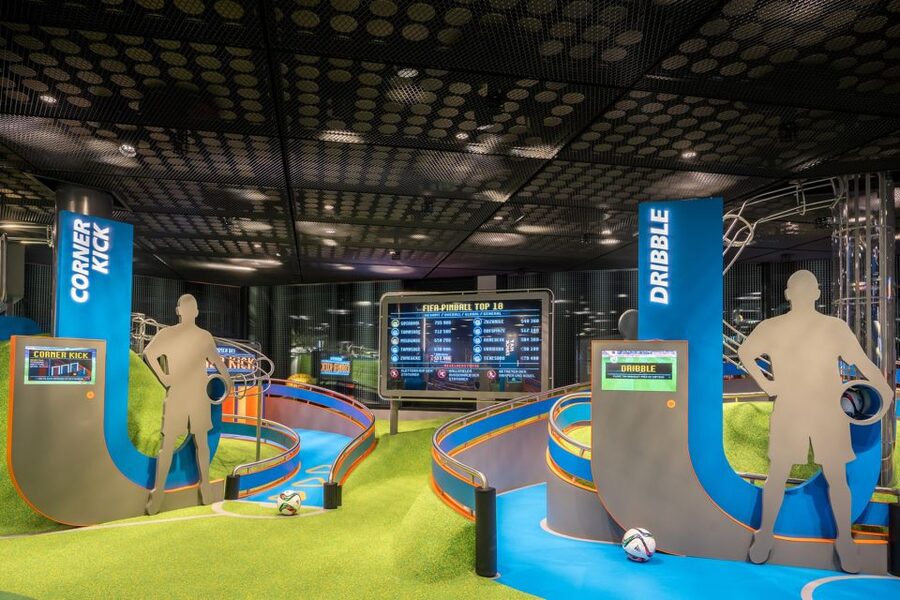
The standout is the giant pinball machine. It’s playful by design, and it invites you to interact in a way that feels more like sports culture than classroom education. This is the zone where families usually relax, and where teens and adults often forget to stand back and watch for too long.
There’s a big lesson here for planning: leave time for the interactive area. The museum is easy to enjoy while walking, but the energy changes when you hit the games. If you save it for the very end, you may rush. If you mix it into your route, you’ll feel more in control.
If you’re visiting with kids, this is the section that prevents the classic “museum fatigue” spiral. If you’re an adult, it can still be fun, but it’s not trying to turn you into a pro player. It’s trying to turn you into a participant.
Women’s Football and International Stories That Don’t Feel Like a Side Room

A highlight that comes up repeatedly in visitor notes is the presence of a women’s football exhibition. That matters because it signals the museum’s priorities. You’re not only looking at trophies and eras tied to one track of the sport. You’re seeing how football connects across genders and global competitions.
The museum also works hard to keep the international angle clear. You’ll see exhibits built around football’s global spread, plus the structure of FIFA’s competitions and how the organization’s role fits into the big picture.
Even if you’re not a women’s football fan yet, this is an easy section to get curious. The museum’s format supports learning without making it feel like you need a sports encyclopedia background.
Innovation in Action (Oct 2025–Mar 2026): Tech Behind the Whistle
From 1 October 2025 to 31 March 2026, there’s a special exhibition called Innovation in Action. The ticket includes it with a regular museum entry.
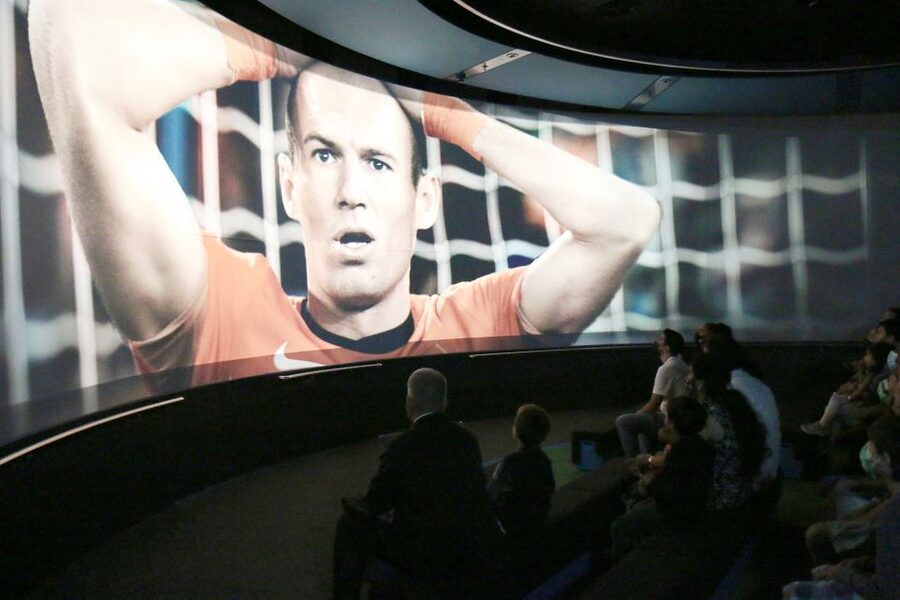
This part is different from the classic “here’s an artifact” museum vibe. It’s designed as a behind-the-scenes view of the technologies supporting football. The exhibition invites you to see the match through different roles, including:
- a referee
- a broadcast director
- a football analyst
- and more
That approach helps you understand why modern football looks the way it does. Technology isn’t just for gadgets. It shapes decisions, viewing, and the way the game gets analyzed and shared.
If you like media and sports tech, this section is a good reason to pick a day during the exhibition dates rather than just any random visit.
Timing Your Visit: Open Hours, Built-in Rushing, and Realistic Time
The FIFA Museum is open Tuesday to Sunday from 10:00 AM to 6:00 PM, and it’s closed on Mondays. Like a lot of attractions, public holidays can cause special opening times, so it’s worth checking around major dates.
For timing, think in blocks:
- A first pass for the big artifacts (including the World Cup trophy).
- A second pass for the stories and details you care about.
- A final block for interactive play and any sections you skipped.
If you show up late in the day, the museum still works, but you’ll probably miss the best part: going back to read something you care about after you know where it fits. The museum is designed for that kind of return.
Also, you’ll likely want a quick stop in the shop area afterward if you buy souvenirs. One of the most practical benefits of a museum like this is that the gift shop can help you take the theme home without searching all over Zurich for the right scarf or book.
What to Bring and What to Skip
This is a straightforward visit, but small choices help.
Bring:
- comfortable shoes
- water
- comfortable clothes
Skip the idea that you need heavy layers. The museum is indoors, and the bigger variable is how long you’ll stand and walk.
Food and drinks are not included with the ticket. That doesn’t mean there’s nothing to eat nearby. It just means you should plan your own snack or meal around the museum visit. If you’re visiting with kids, this is another reason not to compress the day too hard. Breaks keep the experience fun, and they keep you from turning into a grumpy referee.
Who This Museum Is For (and Who Might Want a Different Plan)
This is a great pick if you’re:
- a football fan who likes history plus physical artifacts
- traveling with kids who need hands-on activities
- a sports nerd who’s curious about how the game is presented and produced
- a mixed group where not everyone loves football equally
It’s also a good option even if you’re only mildly interested. The museum’s storytelling approach gives you entry points that go beyond fan loyalty.
The one group to think about carefully is someone who only wants a short entertainment hit and doesn’t care about museum-style reading. The ticket price can feel high if you walk through in 30 minutes and never hit the game zone properly.
The Bottom Line: Should You Book the FIFA Museum Ticket?
If you’re in Zurich and you care about football at all, I’d book it. The value comes from the combination: the original World Cup Trophy, a large collection of curated objects, and interactive activities that break up the museum pace.
I’d especially recommend booking when you can see the special exhibition Innovation in Action (1 Oct 2025 to 31 Mar 2026). That’s the part that adds a modern, behind-the-scenes layer to the classic World Cup focus.
One final decision tip: if your group includes kids or teens, this ticket is easier to justify. If it’s just adults, plan for a slower pace and prioritize the trophy and the story sections first, then use the interactive games for fun, not as the main event.
FAQ
What is included with the FIFA Museum ticket?
Your ticket includes entry to the FIFA Museum and a complimentary audio guide accessed via a QR code for your mobile phone.
How long is the ticket valid for?
The ticket is valid for 1 day.
What are the museum opening hours?
The FIFA Museum is open Tuesday to Sunday from 10:00 AM to 6:00 PM, and it is closed on Mondays. Check for special opening times around public holidays.
What languages are available for the audio guide?
The audio guide is available in English, German, French, Italian, Spanish, Portuguese, Arabic, and Mandarin.
Is food and drink included?
No. Food and drinks are not included with the ticket.
Is the museum suitable for wheelchair users?
No. The FIFA Museum is not suitable for wheelchair users.