REVIEW · ALICANTE
Alicante: Bullring and Bullfighting Museum Entry Ticket
Book on GetYourGuide →Operated by LAS VENTAS TOUR · Bookable on GetYourGuide
A bullring, explained at human speed. This Alicante ticket combines a late-19th-century monument with a self-paced route that takes you into the museum and onto the ring area, guided by an audio guide in multiple languages. It’s one of those activities that feels like culture, not a performance-for-tourists thing.
I especially like the way the visit treats the bullring like a real place, not just a photo stop. Seeing the chapel where bullfighters pray adds a surprising layer of meaning, and you’ll also get views from the stands over Alicante and toward the castle.
One possible drawback: the experience can depend on what’s happening inside the venue. If there’s event setup—like a stage being built for a festival or concerts—the ring can feel less like its original layout.
Key things to know before you go
- Walk the ring and then head inside for the museum route at your own pace
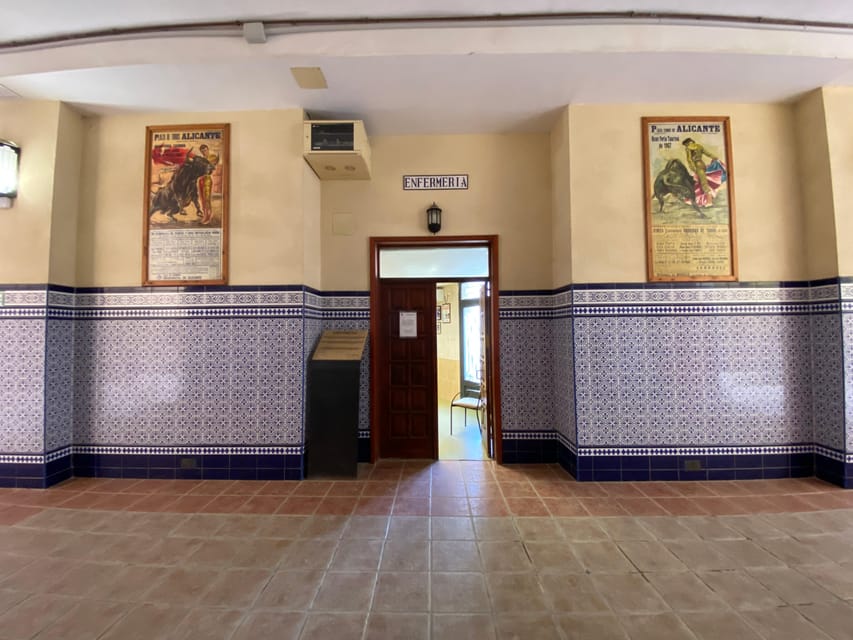
- Chapel, bull pens, and infirmary are part of the self-guided story
- Audio guide in 6 languages (Spanish, English, French, Italian, German, Polish)
- Local matadors and bullfighter suits are shown through museum art
- Videos explain bullfighting culture so you’re not missing context
- Go Monday–Saturday, 10:00–16:00 for the full experience window
In This Review
- Alicante’s Taurino Museum Ticket: A Bullring Tour With Real-Place Details
- Your 1-Hour Route: Chapel, Bull Pens, Infirmary, Then the Museum
- 1) Start at the main entrance and get your bearings
- 2) Explore the spaces around the ring
- 3) Take in the views from the stands
- 4) Visit the Taurino Museum and its art + costumes
- 5) Watch the videos for cultural context
- How the Audio Guide Works in 6 Languages (And How to Use It Well)
- Alicante’s Bullfighting Tradition Since 1700: What You’ll Understand by Leaving
- Price and Value: What This $14 Ticket Really Gives You
- When the Venue Has Events: How to Protect the Experience
- Who This Bullring + Museum Ticket Suits Best
- Should You Book the Alicante Bullring and Taurino Museum?
- FAQ
- How long does the Alicante bullring and museum ticket take?
- What’s included with the ticket?
- Is there a live guide on this tour?
- Where do I meet for the visit?
- What languages are available for the audio guide?
- What are the opening hours?
- Can I enter the bullring area?
- Is the experience wheelchair accessible?
- What’s the cancellation policy?
Alicante’s Taurino Museum Ticket: A Bullring Tour With Real-Place Details
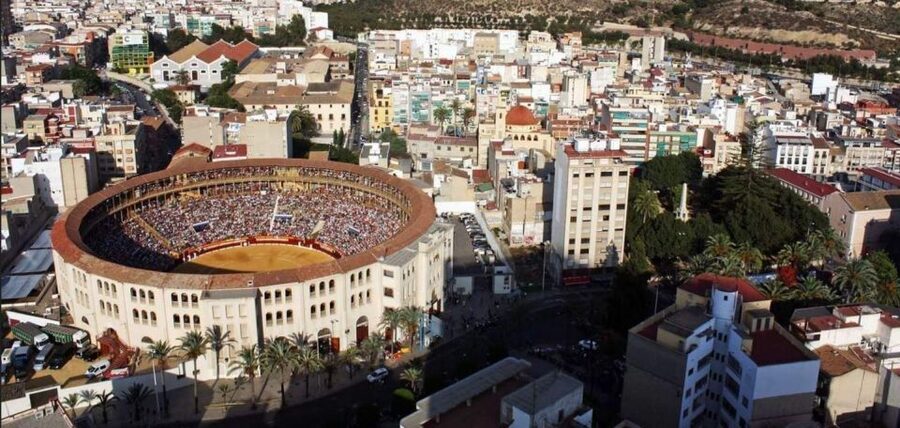
Alicante doesn’t just have a bullring. It has a historic monument that still functions in city life. The building is late-19th century, and it has the kind of structure that makes you look up before you look around. Even if you’re not here for a bullfight, stepping inside feels like walking into a chapter of Spanish tradition.
What makes this ticket work is the format. You’re not tied to a live guide schedule. You get entry to the bullring and the Taurino Museum, plus an audio guide so you can read the place at your own speed. There’s also a printed leaflet for quick orientation.
From the ring level to the museum rooms, it’s the kind of visit that rewards a slower pace—especially if you like architecture, local culture, or the “how did this work?” side of history. The entry includes time in areas that many people don’t think about, like the chapel and the backstage-style spaces that explain the mechanics of the event.
Your 1-Hour Route: Chapel, Bull Pens, Infirmary, Then the Museum
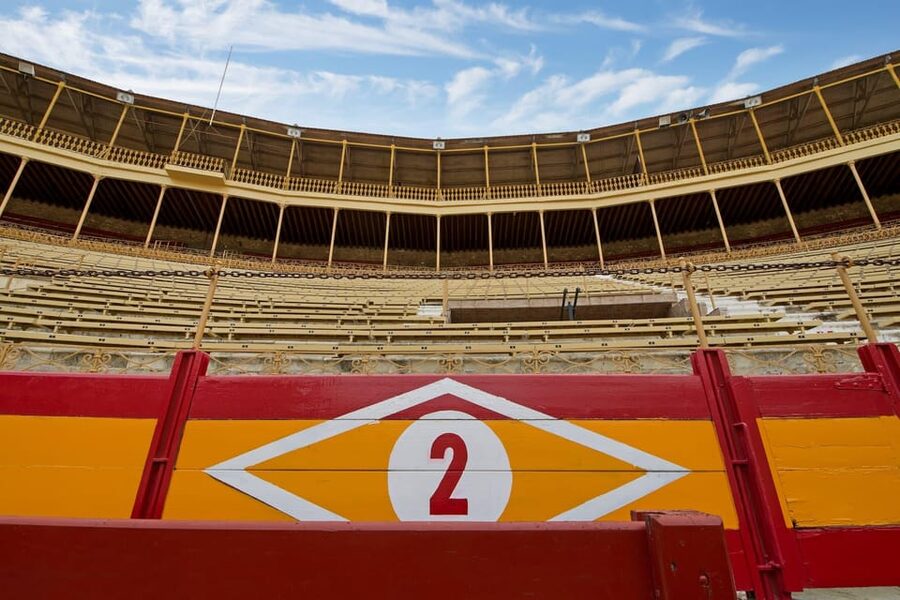
This is designed to take about 1 hour, which is a nice fit for a busy day in Alicante. The tour is self-guided, so you can move quickly if you’re short on time, or linger if a detail catches your eye.
A few more Alicante tours and experiences worth a look

1) Start at the main entrance and get your bearings
You meet at the main entrance door of the bullring. Once you’re inside, you’ll follow the route at your own pace while the audio guide cues you to the different areas. If you’re aiming for photos, I’d start with the widest angles first—then come back for close details when you’ve got your bearings.
2) Explore the spaces around the ring
The “hidden spots” are a big part of why this ticket is worth it. You’ll be able to discover the chapel, the bull pens, and the infirmary. Those spaces make the tradition feel practical, not abstract. It’s not just art and legends—you get a sense of how the bullring works, day-of performance realities included.
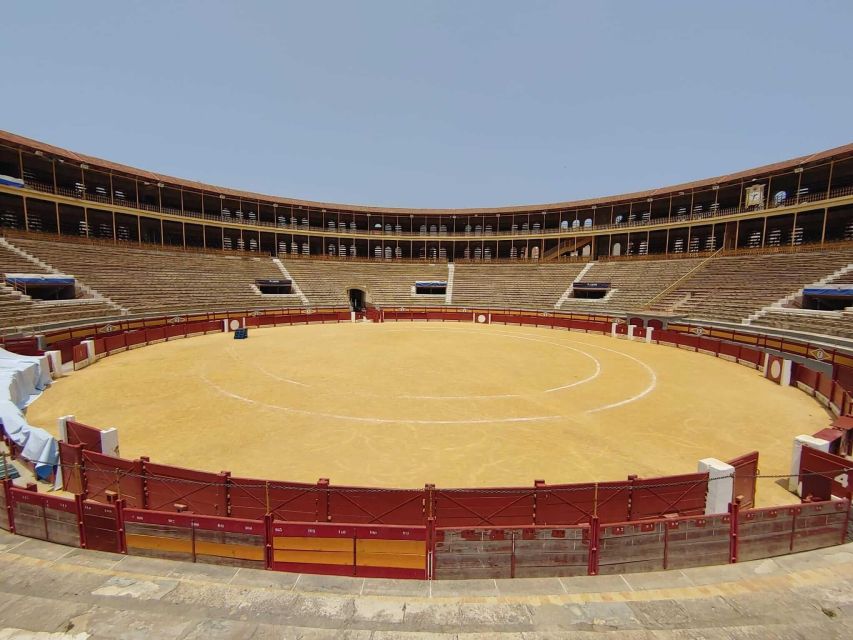
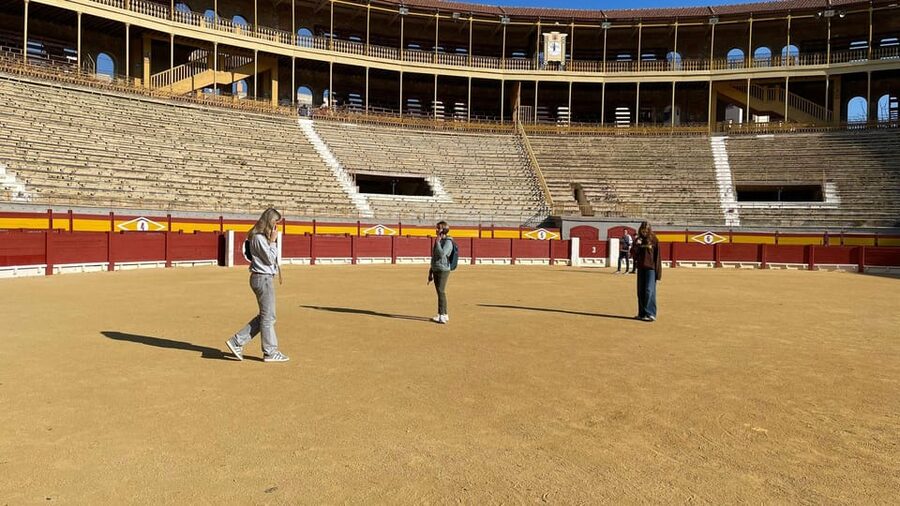
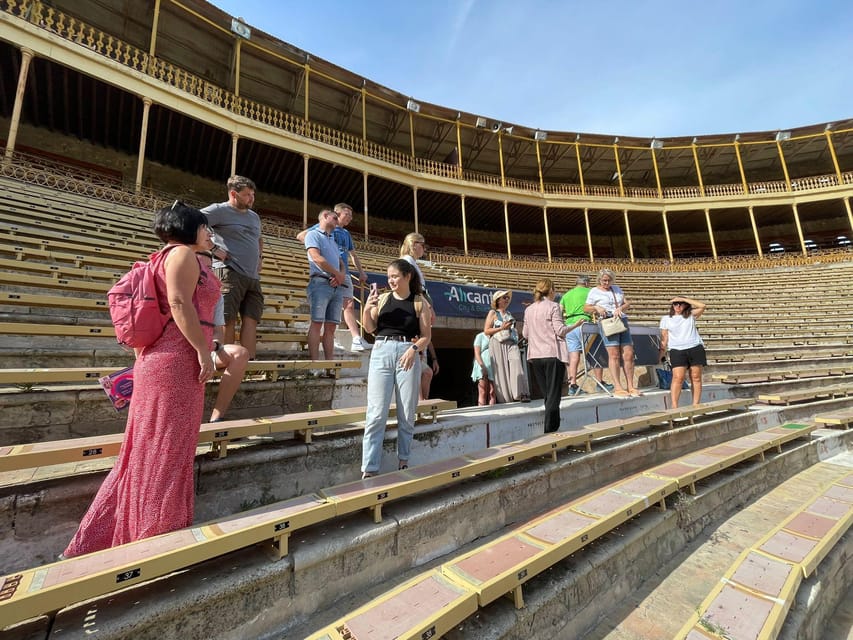
You also get a moment that’s very different from a normal museum visit: you can step into the ring. Standing there, looking up toward the seating, helps you understand why bullfighting has always been about sightlines and staging.
3) Take in the views from the stands
When you get up into the seating area, you’ll catch stunning views over Alicante and toward the castle. It’s one of those built-in “reward moments,” because the ring is positioned for real panoramas. If you like skyline shots, plan to pause before you head back into indoor museum rooms.
4) Visit the Taurino Museum and its art + costumes
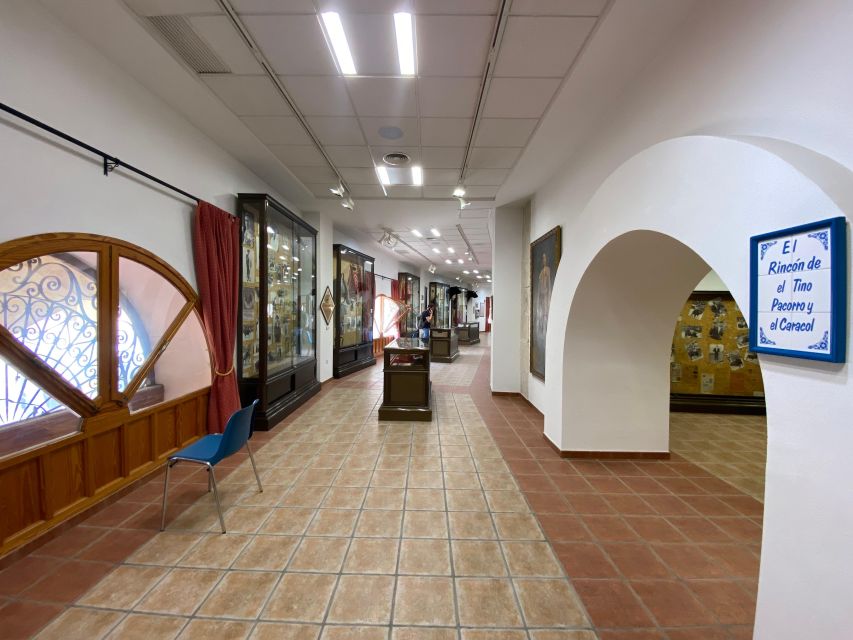
After the ring areas, you move into the museum for a broader overview. Expect a mix of historical explanation and visual storytelling. The museum focuses on bullfighting tradition through pieces of art and displays that include bullfighter suits and cultural references tied to Alicante’s scene.
You’ll also see references to local figures—matadors connected to the region—such as Vicente Blau, José María Manzanares, Francisco Antón, and Luis Francisco Esplá. Seeing names tied to Alicante helps shift the topic from Spain-wide folklore to a specific local identity.
5) Watch the videos for cultural context
The visit includes videos about bullfighting culture. Even if you’re not trying to learn every term, these short films help connect the museum objects to the real-world event setting you’ve already walked through.
How the Audio Guide Works in 6 Languages (And How to Use It Well)
You’ll get an audio guide included with the ticket, available in six languages: Spanish, English, French, Italian, German, and Polish. You’re also given an information leaflet, which helps if you want to check sections without rewinding the device over and over.
Here’s how I’d use it so you actually enjoy it:
- Listen once for the big picture, then switch to a “spot-and-scan” pace for photos and details.
- If you’re not fluent in the language you chose, don’t panic. The museum format is visual, and the audio is built to keep you oriented around what you’re seeing.
- If there’s an event happening inside, slow down where the route changes. Stages and setups can affect what you can see from certain angles.
Also, the venue is open Monday to Saturday, 10:00 to 16:00. That window matters because this isn’t a “late-night wander” kind of activity. Go when you can take your time without rushing the ending.
One more practical note: even with wheelchair accessibility, you should know there can be stairs. If stairs are a problem for you or your group, plan on asking about the easiest route on arrival and take breaks where needed.
Alicante’s Bullfighting Tradition Since 1700: What You’ll Understand by Leaving
The content here is about more than bullfighting as spectacle. The audio guide covers the Spanish tradition and how it shows up in Alicante, including how bullfighting festivals and local matadors connect to the city’s identity.
A key value of this ticket is that you learn how the bullring became part of the urban fabric. In today’s Alicante, this building isn’t only for bullfights. It’s also used for events like concerts, tennis, and an ice rink. That contrast is a useful lesson: traditions can change shape, but the architecture and crowd energy often stay relevant.
You’ll also pick up on the smaller human side of the tradition, which is easy to miss if you only think about the main event. The chapel—where bullfighters pray before a bullfight—is a good example. It frames bullfighting as ritual and routine, not just action in the ring.
And if you’re curious about what “Alicante bullfighting” means specifically, the museum’s focus on local names (Vicente Blau, José María Manzanares, Francisco Antón, Luis Francisco Esplá) helps you anchor the story to this place rather than to generic Spain.
Price and Value: What This $14 Ticket Really Gives You
At about $14 per person, this ticket is a solid value if you want cultural context without needing a live show. You’re paying for:
- Bullring and Taurino Museum entry
- A 6-language audio guide
- An information leaflet
- Time to enter the ring and explore the key interior areas
What you don’t get is a live guide. That’s not a deal-breaker, but it matters for expectations. If you love Q&A and deep commentary, you’ll be happier adding a guide elsewhere or using the audio closely. If you’re fine reading, listening, and moving at your own speed, this format matches the price well.
Also, you get built-in flexibility. You can reserve and pay later, which is helpful if your Alicante schedule is still a bit up in the air. And cancellation is available up to 24 hours in advance for a full refund—useful when weather or plans shift.
When the Venue Has Events: How to Protect the Experience
A bullring is a big, flexible space. That’s great for variety, but it can change how “authentic” the ring feels on any given day. The venue can host events, and sometimes there’s setup underway. If a stage is being built or an event is set inside, expect distractions in the ring area.
My advice: plan to go when things are quiet. If you have the freedom, choose a time earlier in the day within the opening hours. You’ll be able to take your time in the chapel, bull pens, and infirmary, and you’ll get better shots from the stands.
And if you do arrive during an event setup, don’t assume the museum part will be ruined. The best move is to treat it like two different experiences: let the museum route do the heavy lifting for culture, and use the ring time for orientation and views.
Who This Bullring + Museum Ticket Suits Best
This is a good fit if you:
- Want Alicante culture tied to a specific local landmark
- Like self-guided experiences where you control the pace
- Prefer learning through exhibits, audio, and videos instead of a live performance
- Are curious about how traditions evolve (especially since this venue also hosts other events)
If you’re sensitive to the idea of bullfighting as a topic, approach it as history and local tradition—this ticket is built around understanding the tradition’s place in Alicante. The audio guide and museum objects are the main focus, and you’ll learn even without attending a live bullfight.
Should You Book the Alicante Bullring and Taurino Museum?
Book it if you want a straightforward, one-hour cultural visit with time in the ring, strong views, and a museum that explains the tradition through objects, art, and local names. The audio guide in six languages makes it easy to understand what you’re seeing without hunting down explanations.
Skip or think twice if your ideal day is quiet, purely museum-only spaces, and you strongly dislike the possibility of event setup inside a working venue. In that case, your best strategy is timing—pick your visit carefully within the 10:00–16:00 schedule.
FAQ
How long does the Alicante bullring and museum ticket take?
The visit is designed to take about 1 hour.
What’s included with the ticket?
You get bullring and museum entry, an audio guide (with languages including Spanish, English, French, Italian, German, and Polish), and an information leaflet.
Is there a live guide on this tour?
No live guide is listed as included. It’s a self-guided experience using the audio guide.
Where do I meet for the visit?
Go to the main entrance door of the bullring.
What languages are available for the audio guide?
The audio guide is available in six languages: Spanish, English, French, Italian, German, and Polish.
What are the opening hours?
The bullring and museum are open Monday to Saturday from 10:00 AM to 4:00 PM.
Can I enter the bullring area?
Yes. The experience includes stepping into the ring area.
Is the experience wheelchair accessible?
Yes, it’s listed as wheelchair accessible, though the visit can involve stairs based on practical experience at the site.
What’s the cancellation policy?
Free cancellation is available up to 24 hours in advance for a full refund.