REVIEW · VIANA DO CASTELO
Visit to Gil Eannes hospital Ship Museum
Book on GetYourGuide →Operated by Fundação Gil Eannes, FP · Bookable on GetYourGuide
A hospital ship feels oddly calm. And that calm comes from seeing real 1950s medical work inside a ship built for freezing Atlantic duty.
You’ll walk from the bridge to the hospital spaces, and the whole thing makes sense fast: this wasn’t just a floating clinic. It was part lifeboat, part supply line, part ice work, all tied to the cod-fishing fleet.
What I love most is the combination of day-to-day ship life with emergency medicine. You can picture how care happened when the seas were bad. I also like the plain physical layouts of the rooms—the operating theatre, treatment areas, and doctor’s space all feel like they could be used today, not like staged props.
One thing to plan around: it’s not suitable for people with mobility impairments or visually impaired visitors, and kids’ ticket rules can be easy to misread—so if you’re traveling with children, I’d double-check the exact option at the entrance counter before you assume anything.
In This Review
- Key things to know before you go
- First, figure out what you’re visiting: a ship that treated people in brutal conditions
- Price and value: why $6 can feel like a bargain
- Meeting point and entry flow: plan for a simple ticket-counter check
- The ship’s timeline: from 1955 lifeline to scrap-threat rescue
- Bridge and ship control spaces: how the mission started before anyone needed treatment
- Galley and bakery: harsh life, practical food, and the human rhythm onboard
- Engine room: the real muscle behind icebreaking and long missions
- Operating theatre, doctor’s surgery, and treatment room: where emergency care had to fit ship reality
- Radiology room: the modern-seeming details that make the story sharper
- Cabins and the chapel: life onboard wasn’t only work and alarms
- Temporary exhibit rooms: connect the ship to the wider story of maritime heritage
- What kind of visitor will love it most
- Final decision: should you book the Gil Eannes Hospital Ship Museum?
Key things to know before you go
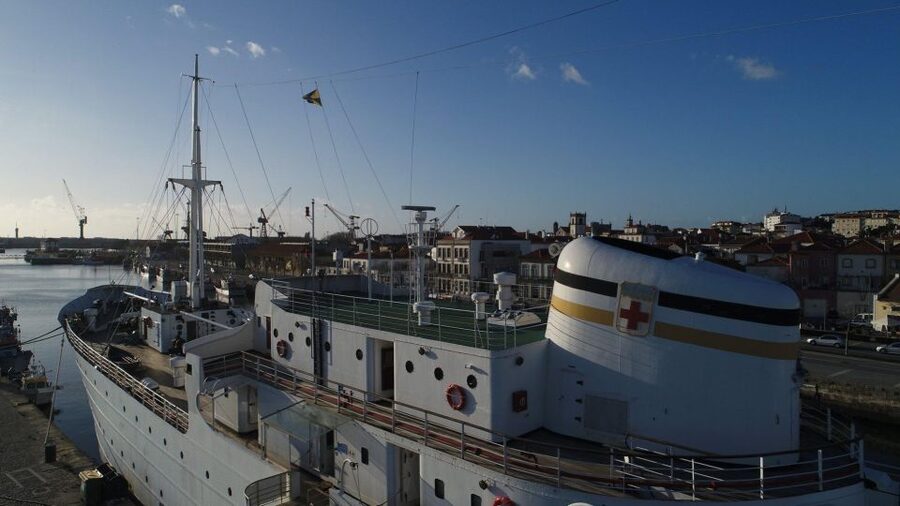
- A hospital ship with many jobs: medical aid plus supply, mail, tug, and icebreaker roles for the cod fleet.
- Built for the North Atlantic: constructed in 1955 for assistance off Newfoundland and Greenland.
- You navigate room by room: bridge, galley, bakery, engine room, operating theatre, radiology, cabins, chapel, and exhibits.
- The ship has a comeback story: saved from scrap after restoration began following its return in 1998.
- Good value for $6: a focused 1-day experience in Viana do Castelo’s old port.
First, figure out what you’re visiting: a ship that treated people in brutal conditions
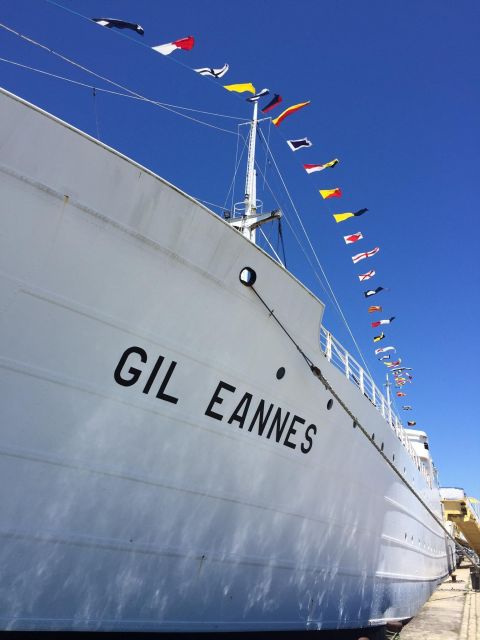
The Gil Eannes Hospital Ship Museum in Viana do Castelo is one of those rare places where the building tells the story. This vessel was constructed in 1955 in the Viana do Castelo shipyard. Its mission was to support the cod-fishing fleet off Newfoundland and Greenland—far from easy ports and far from quick answers when someone fell ill or got hurt.
The practical side matters. This ship wasn’t a single-purpose floating hospital. It also acted as a flagship, a mail ship, a tugboat, and an icebreaker. In real terms, that meant it could help keep the fishing operations supplied with provisions, nets, bait, and fuel. It could also stay mobile when ice and weather pushed normal routines off track.
Another detail I appreciate is the human one: there was a chaplain on board for spiritual and religious guidance. When you step through the chapel area later, it’s easier to understand how medical care and morale worked together on long, hard voyages.
If you want a museum that feels like you’re reading how people lived, not just looking at objects, this is that kind of stop.
Price and value: why $6 can feel like a bargain
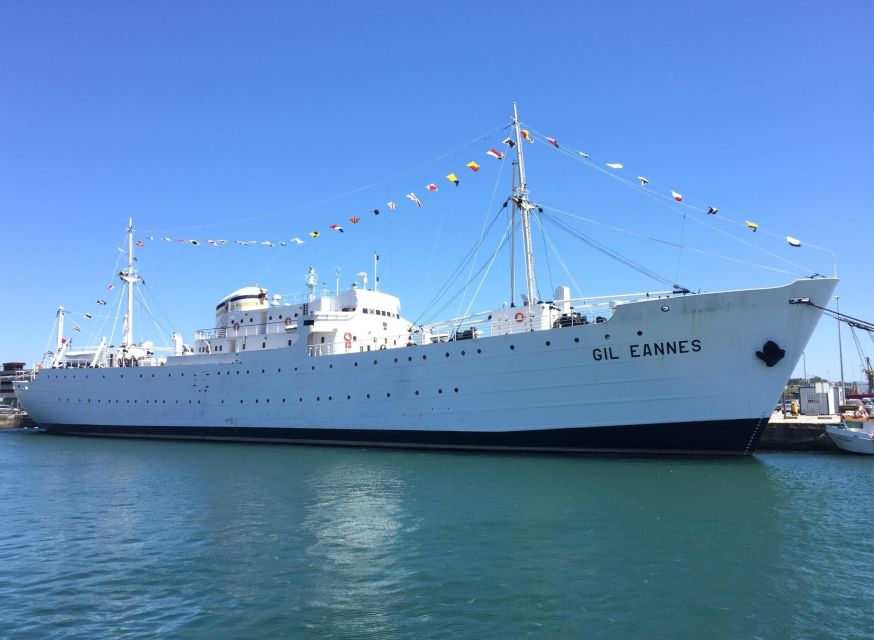
You’re looking at a ticket cost around $6 per person. For a 1-day experience, that’s a strong value—especially because the museum covers both sides of the ship.
Many museums do one thing well. Here you get several layers: the ship’s working spaces (like the engine room and bridge), the food and provisioning areas (galley and bakery), and the medicine spaces (operating theatre, doctor’s surgery, treatment room, and radiology). You’re paying for a full walk-through of how a complex vessel functioned and how it responded to emergencies.
Add to that the setting: the ship is docked in the city’s old commercial port after major restoration. So you’re not just learning about maritime heritage in theory—you’re seeing it in place, in the town where it was built.
Meeting point and entry flow: plan for a simple ticket-counter check
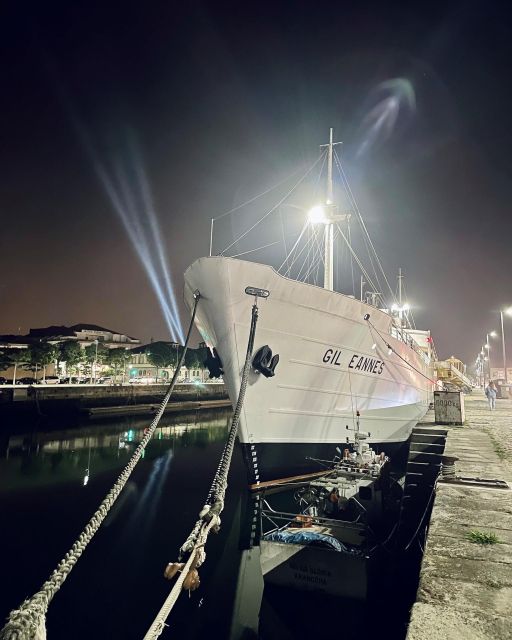
Before you go on board, you’ll need to present your voucher at the ticket counter before the visit begins. This is the kind of small step that can save time if you arrive with the voucher ready on your phone.
Once you’re checked in, you “navigate” through the restored museum spaces. There’s no mention of a separate guided route being required. So you can set your own pace—slow in the hospital areas, faster through ship-work rooms, and then loop back if something catches your eye.
The museum is run under the Gil Eannes Foundation, and the ship operates as a museum ship with services and products available for tourists. If you like to browse after learning, you’ll have a natural place to slow down before leaving.
The ship’s timeline: from 1955 lifeline to scrap-threat rescue
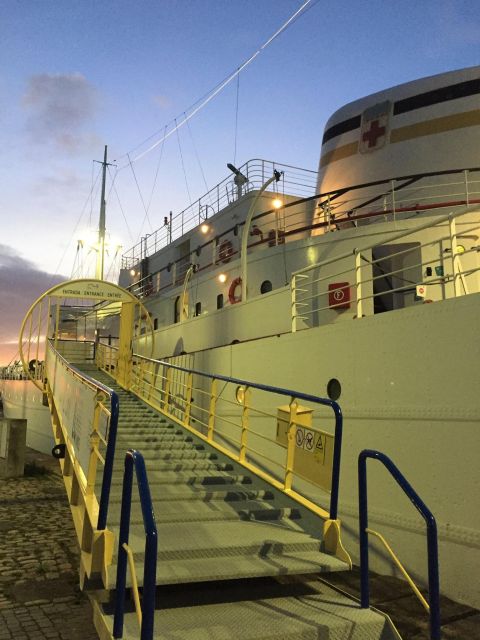
It helps to know the ship’s big turning points, because the restoration makes more sense when you understand what nearly happened.
- The last voyage to assist the fishing fleet was in 1973.
- Two years later, in 1975, it made a final journey as a hospital ship, providing medical-hospital aid during the withdrawal of troops when Angola became independent.
- It was decommissioned in 1984. After that, the ship stayed in Lisbon docks briefly, then moved from pier to pier.
- By 1997, it was sold to a scrap dealer. At that point it was in a degraded condition, with much of the equipment ransacked, and it was scheduled to be dismantled.
Then the story flips. The Vianense community united to bring the ship back home. It returned to Viana on January 31, 1998. After major restoration work at the Viana do Castelo shipyard, it docked again on the city’s old commercial port so people could visit.
That “saved from scrap” arc changes how you see the rooms. You’re not just stepping into a preserved ship. You’re stepping into a recovery effort that kept a working concept alive: care at sea.
Bridge and ship control spaces: how the mission started before anyone needed treatment
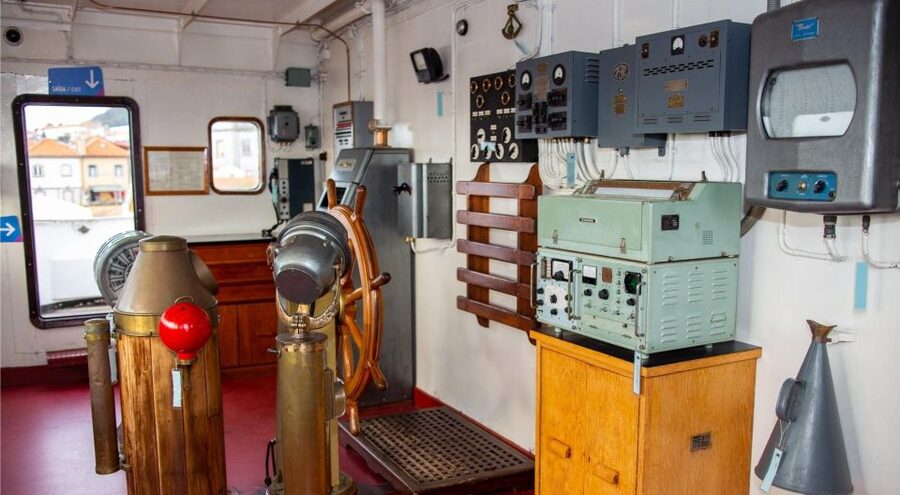
Start at the top—the bridge area is where you get your bearings on the ship’s purpose. Even without deep technical knowledge, you can connect the dots: if the cod fleet needed medical help and supplies, someone had to plan routes, manage conditions, and keep the ship operating in rough weather.
This is where the ship’s multiple roles become obvious in your imagination. A vessel doing mail, tug work, and icebreaking needs competent control. So the bridge area helps you understand why the hospital wasn’t isolated. It was part of a broader system.
If you enjoy visual storytelling, pause here longer than you think you should. Looking at the bridge first makes it easier to interpret later rooms. When you see the engine room or the medical areas, you’ll already understand how everything ties back to keeping the ship functional.
Galley and bakery: harsh life, practical food, and the human rhythm onboard
Next, the galley and bakery spaces give you the everyday side. These rooms are essential for a believable story. Medicine is one part of survival at sea; feeding people is another.
The galley connects to the ship’s supply role. Since the ship helped guarantee provisions, nets, bait, and fuel for fishing vessels, food and preparation weren’t details—they were part of how the fleet stayed alive.
The bakery is where you can feel how daily life might have worked when refrigeration and supply chains weren’t like today. Even if you don’t see specific period menus, the purpose of the space makes your brain do the work. You start imagining the routines that kept morale stable when conditions were rough.
This is one of the best stops for first-time visitors because it changes your focus from crisis to routine. And that contrast makes the hospital rooms hit harder later.
Engine room: the real muscle behind icebreaking and long missions
The engine room is one of the most gripping spaces on board because it’s the place where the ship turns its purpose into motion.
This ship wasn’t a slow museum relic. It was built to operate off the banks of Newfoundland and Greenland, where ice and weather can dominate plans. Since it served as an icebreaker and tugboat, the engine room is a key clue to how it could maintain service when the sea wasn’t cooperating.
When you stand here, it’s also a good moment to think about logistics. A hospital ship still needs power for everything: lighting, operating theatre functions, medical equipment, and basic life support systems.
So even if machinery isn’t your top interest, this room helps you appreciate why the ship’s medical capabilities depended on solid engineering.
Operating theatre, doctor’s surgery, and treatment room: where emergency care had to fit ship reality
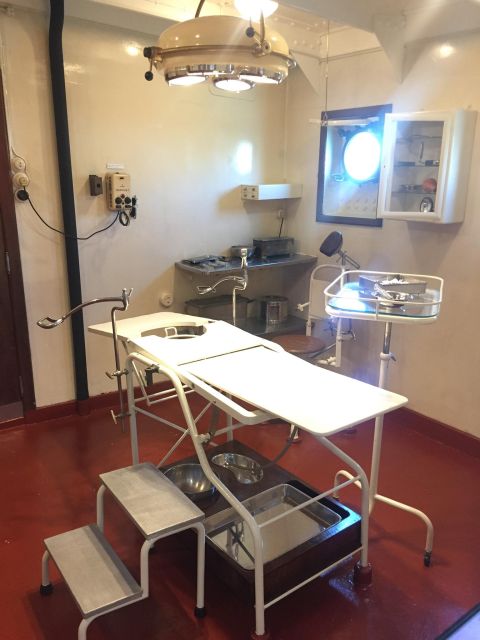
Now you reach the heart of the experience: the medical spaces.
The operating theatre lets you picture surgery under constraints. On a ship, the environment isn’t calm. The room’s layout forces you to think in terms of speed, procedure, and practicality—because in real emergencies, you don’t have the luxury of making conditions perfect.
The doctor’s surgery room adds context. It’s not only about dramatic moments. This is where assessment and treatment start. Seeing that separate space helps you understand how care likely unfolded: triage and decisions, then procedures when needed.
The treatment room continues that same idea. It’s a reminder that most illness and injury isn’t a one-step event. People need ongoing care, rest, and monitoring.
If you’re the kind of person who likes medical history but also likes honest physical storytelling, these rooms are where the museum earns its reputation. They feel built for function, not for display.
Radiology room: the modern-seeming details that make the story sharper
The radiology room stands out because it gives you a different kind of perspective. Even without technical explanation, the presence of radiology shows that the ship was trying to provide more than basic first aid.
You start to think: if the ship could offer imaging support, then medical outcomes likely improved compared to a scenario where fishermen had to wait for land-based hospitals.
This is a subtle moment. It doesn’t overwhelm you, but it deepens the museum’s credibility. It tells you this wasn’t just a symbolic hospital ship; it was designed to deliver serious medical capability at sea.
Cabins and the chapel: life onboard wasn’t only work and alarms
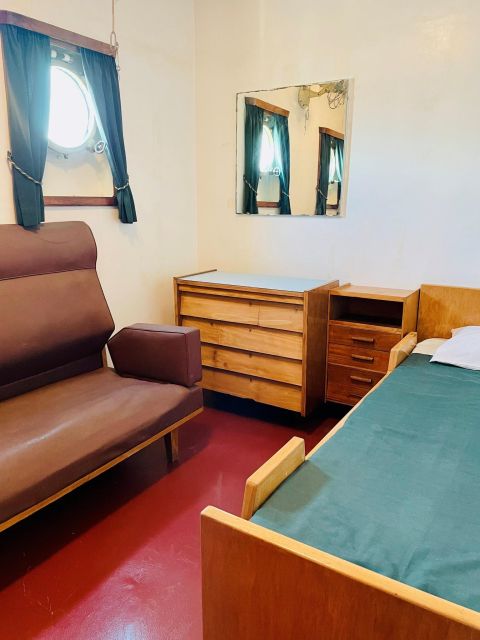
The ship’s cabins are where the experience becomes personal. Medical staff and crew lived here too, and so did the day-to-day rhythm of a multi-purpose vessel.
Cabin spaces help you get a feel for hard living conditions without needing dramatic speeches. You can imagine sleep cycles, storage, and the limited privacy that comes with life on a working ship. The more time you spend here, the more the cod-fishing context clicks. The 1950s cod fishermen had tough lives; the ship crew did too.
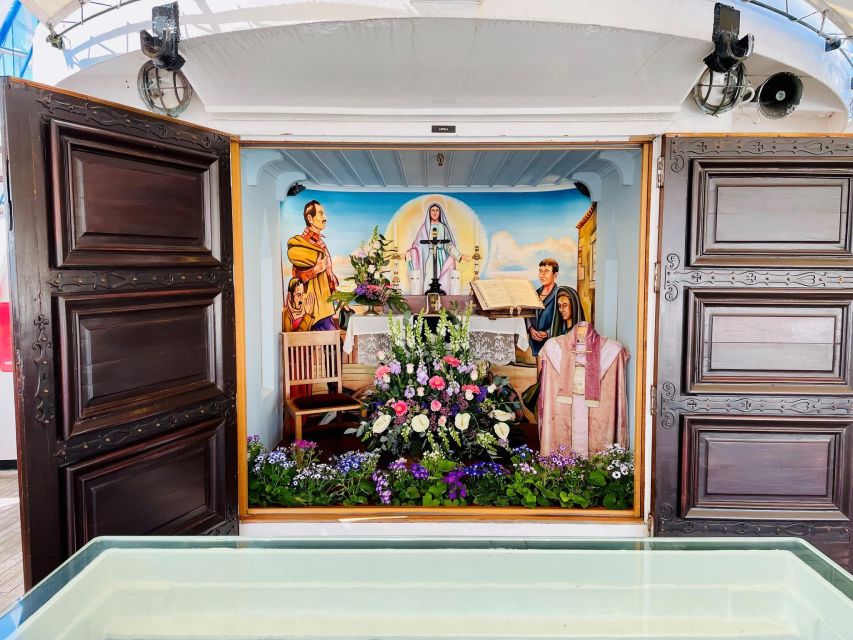
Then the chapel adds a different tone. Since the ship had a chaplain on board for spiritual and religious guidance, this room isn’t random. It’s part of how people managed fear, uncertainty, and separation from home during long voyages.
If you like museums that include both practical survival and emotional support, don’t rush this section.
Temporary exhibit rooms: connect the ship to the wider story of maritime heritage
Between the main spaces, you’ll also find temporary exhibit rooms. These aren’t the “ship parts” themselves, but they’re useful for connecting what you saw onboard to broader context.
Temporary exhibits can help you place the ship’s journey into the larger maritime heritage of the region and the city. Even a small display can add meaning to the objects and rooms you already walked through.
I like using temporary exhibits as a reset point. After the medical spaces, spend a few minutes here to let the story settle, then circle back mentally to how the ship’s multiple jobs fit together.
What kind of visitor will love it most
This museum is a great match if you:
- like practical history tied to real work
- want maritime culture without needing technical ship knowledge
- enjoy seeing how care systems functioned when travel was slow and weather ruled
I’d be cautious if you need an accessible route. The museum is listed as not suitable for people with mobility impairments and visually impaired people. It’s also a ship environment, so plan around narrow spaces and movement patterns.
Also, if you’re bringing kids: I’d read the family option closely. The basic ticket is straightforward, but the child add-on is specific and paid directly at the ship entrance. One practical tip: if you think you’ll use the child add-on, bring the exact number of children and your purchase plan so the entrance staff can sort it quickly.
Final decision: should you book the Gil Eannes Hospital Ship Museum?
Yes—if you want a real-feeling museum experience in Viana do Castelo. The ship’s story is compelling, but what makes it worth your time is the mix: bridge to engine room, then straight into medical spaces like the operating theatre and radiology room, then back to everyday rooms and a chapel that explains the onboard human side.
It’s also strong value at about $6, and it’s built for a one-day visit. If you can handle walking through ship layouts, this is the kind of stop that sticks with you because it shows how care and logistics worked together in the real North Atlantic world.