REVIEW · COLORADO SPRINGS
U.S. Olympic & Paralympic Museum Admission
Book on Viator →Operated by U.S. Olympic & Paralympic Museum · Bookable on Viator
Olympic energy, all under one roof. The U.S. Olympic & Paralympic Museum in downtown Colorado Springs turns Team USA stories into 12 interactive galleries you can actually play with, not just read. It’s a 60,000-square-foot space where Olympic and Paralympic history share the spotlight through immersive storytelling and real sports artifacts.
I like how the experience is built for different ways of learning: you can hit hands-on sport stations, then slow down to absorb the details. The one drawback to plan around is time. This place is easy to rush through, but you’ll probably want 2–3 hours so you don’t miss the reading and the film that helps tie everything together.
In This Review
- Key things to know before you go
- Why this museum is such an easy Colorado Springs win
- Your main stop: 12 interactive galleries built around Team USA
- How the interactive exhibits work (and why they’re worth your time)
- The Paralympic experience isn’t an afterthought
- Don’t skip the reading and the film at the end
- Price and value: is $29.95 worth it?
- Timing, tickets, and getting there without stress
- Staff quality and those “small but memorable” moments
- Practical tips: how to plan your visit like a pro
- Should you book U.S. Olympic & Paralympic Museum admission?
- FAQ
- Where is the U.S. Olympic & Paralympic Museum?
- How much does admission cost?
- How long does the visit take?
- What language is the experience offered in?
- Will I get a mobile ticket?
- When do I receive confirmation after booking?
- Is the museum near public transportation?
- Are service animals allowed?
- Can I get a refund if I cancel?
- Is the museum accessible for most visitors?
Key things to know before you go

- 12 interactive galleries across 60,000 square feet, so you’re not stuck in one display room
- Prebooking helps you lock in entry to a popular attraction
- Interactive stations can send results by email and can feel personalized with walk-up tech
- Team USA focus with both Olympic and Paralympic movement built into the main story
- Budget a longer visit if you want to read, try things, and watch the end movie
- Good staff moments, including a chance to meet Shelby, a wheelchair fencer featured in the experience
Why this museum is such an easy Colorado Springs win
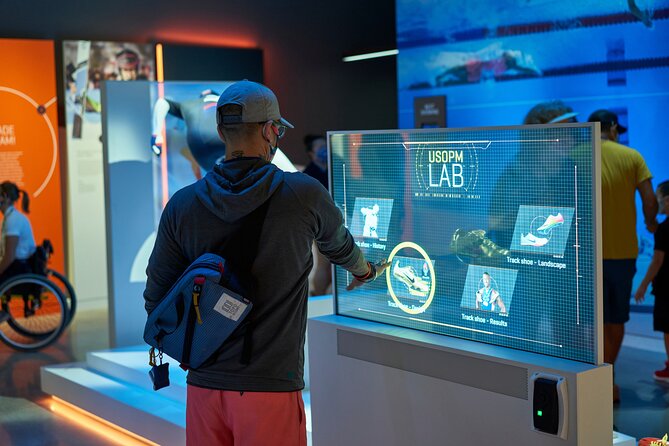
If you want a “big story” attraction without needing a car to hop between stops, this museum is a strong bet. It’s downtown Colorado Springs, and it’s close enough to public transportation that you’re not forced into a rideshare loop just to see one main site.
The museum is also timed well for families and mixed groups. Everyone can bounce between different styles of exhibits: quick interactive challenges, deeper panels, and big-screen storytelling. And because it centers on Team USA, the content lands in a clear, familiar way—this isn’t just global sports trivia floating in space.
One more reason it works: it’s got real entertainment value, not just educational posters. The layout is designed so you’re always walking toward your next “try this” moment.
You can also read our reviews of more museum experiences in Colorado Springs

Your main stop: 12 interactive galleries built around Team USA
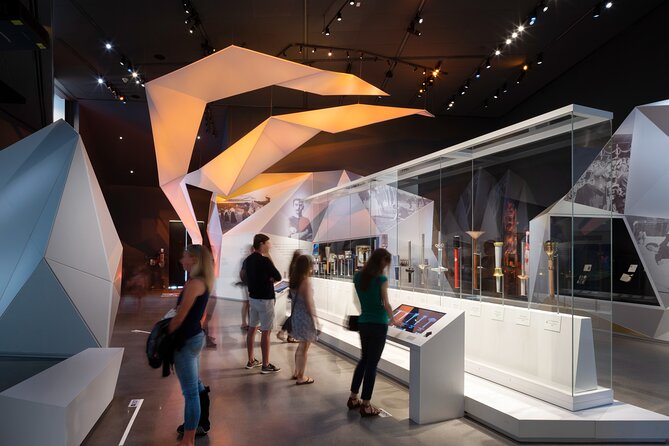
Your visit is essentially one continuous stop: the museum itself. Expect 12 immersive and interactive galleries covering the Olympic and Paralympic movements with Team USA athletes at the center.
Here’s what that means for you on the ground:
- You’ll move gallery to gallery, usually with a mix of artifacts, storytelling, and sport-related hands-on elements.
- The museum’s size helps: at 60,000 square feet, you don’t feel like you’re trapped in a single room of exhibits.
- The pacing is friendly for people who like to go fast and people who like to read.
A practical tip: don’t treat it like a museum you “complete.” Treat it like a sports experience you sample in sections. If you try to do everything in a single straight line, you’ll either speed past the details or end up circling back.
How the interactive exhibits work (and why they’re worth your time)
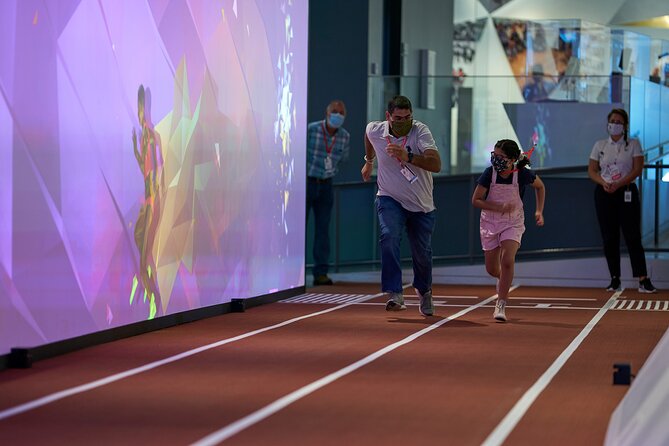
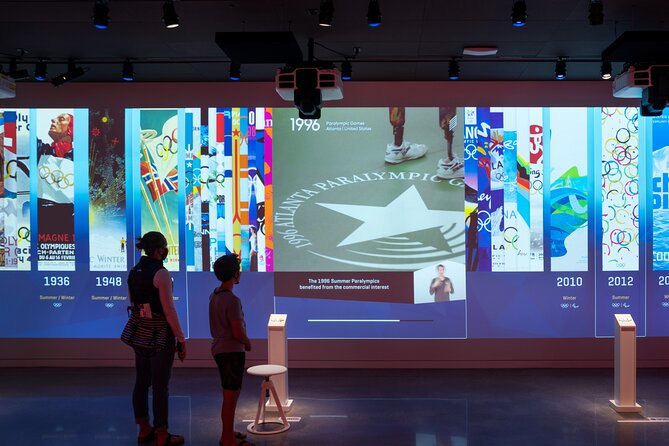
The museum leans hard into interaction, and it’s not just novelty. A big part of the appeal is that the interactive stations turn sportsmanship, training, and competition into something you can feel in your hands.
From what you can expect on-site, the interactive parts often include:
- Hands-on sport stations where you can test skills or interact with the theme of an event
- Technology that can track or respond to what you do during your visit
- A “results” style feature, including the idea that interactive items may send you emails about how you did
One detail that’s easy to miss: some of the tech can feel more customized if you engage with it using the walk-up tools. That matters because it gives repeat visitors a reason to pay attention instead of just going through the motions.
And yes, it’s fun. The point isn’t to be a video-game arcade; it’s to make the training and effort behind elite sport feel more real. That’s why the interaction pairs well with the museum’s heavier sections.
The Paralympic experience isn’t an afterthought
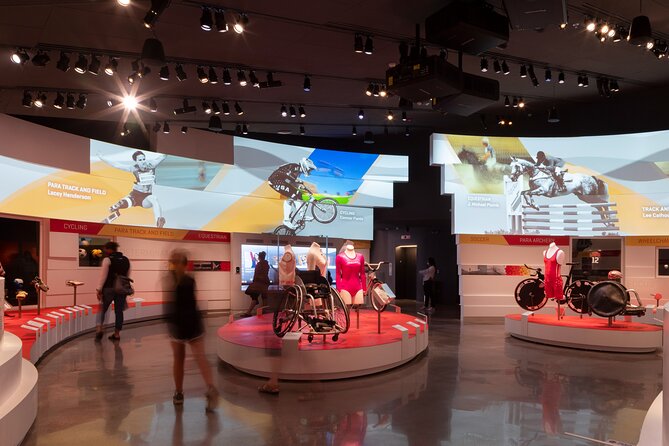
This museum gives the Paralympic movement real presence—built into the core galleries rather than shoved to the side. You can see that in how the story is framed: Olympic and Paralympic history are both part of the main Team USA narrative.
One of the strongest moments in the experience is when the Paralympic side gets a human face. In particular, I’d plan your visit with the mindset that you might encounter athlete stories or athlete-led moments. A highlight mentioned in the experience includes Shelby, a wheelchair fencer, who spent time talking with visitors about the Olympics, the training involved, and how the work behind the sport actually looks.
Even if you don’t catch a specific athlete conversation on your day, the structure is still built to give Paralympic achievements the same kind of attention and respect as Olympic achievements.
Don’t skip the reading and the film at the end
One thing I really appreciate about well-run museums is whether they know where to place the “slow down” moments. This one does.
Give yourself permission to read. The exhibits include lots of factual information posted throughout, and when you take a pass through those details, the interactive moments make more sense afterward. Without that context, a hands-on station can feel like a fun toy rather than a window into preparation, strategy, and sportsmanship.
Then there’s the movie at the end of the visit. It’s described as something that ties everything together, so build time for it instead of rushing out right after the last interactive station.
If you’re short on time, here’s how I’d choose your priorities:
- If you like learning: read the panels in 2–3 key areas and still watch the end film
- If you love hands-on stuff: hit most interactive stations first, then go back to read the ones that connect the themes you just tried
Price and value: is $29.95 worth it?
The admission price is $29.95 per person. That’s not a “cheap and quick” impulse stop, but the value holds up because you’re not just buying access to displays—you’re buying time in a large space with interactive exhibits and a full narrative arc.
What makes the price feel more reasonable:
- The museum is big (60,000 square feet) with 12 interactive galleries, so you get a substantial visit
- The experience is designed to take time (many people need more than a quick hour)
- It’s a sports-and-story attraction that can work for different ages and interests
Duration is listed as about 1 to 2 hours, but I’d treat that as a minimum. If you read, do multiple interactive stations, and include the end movie, you’ll likely land closer to 2–3 hours. That longer visit is where the ticket stops feeling expensive and starts feeling fair.
Also, prebooking is part of the value here. Since this is a popular attraction and it’s often booked about 8 days in advance on average, reserving ahead can save you from disappointment.
Timing, tickets, and getting there without stress
This is one of those straightforward ticket experiences. You’ll get a mobile ticket, and you receive confirmation at the time of booking.
For the best low-stress visit, arrive with two things in mind:
- You’re planning on a longer stop than you might think at first glance
- You want time for both interactive play and the slower storytelling parts
Location-wise, it’s near public transportation, so you can fit it into a day even if you’re not driving everywhere in Colorado Springs.
Language is English, so if you’re traveling with mostly English speakers, you’re covered.
Staff quality and those “small but memorable” moments
A lot of museum experiences are decided by staff energy. Here, you can expect helpful, attentive service, and that matters because it can turn a “typical visit” into something more personal.
There are also moments that feel unusually direct, like the possibility of meeting an athlete. The mention of Shelby, a wheelchair fencer, is a great example of what can make the day stick in your memory: conversation, training details, and Q&A style interaction.
Even if you don’t have a specific meet-and-greet moment scheduled for your day, it’s worth knowing that the museum aims to be welcoming, not just informational.
Practical tips: how to plan your visit like a pro
Here’s how I’d set yourself up for a strong visit without overthinking it:
- Plan on 2–3 hours if you care about reading and the end movie.
- Do the interactive stations, then slow down for the context. It helps the story click.
- If you’re traveling with kids, build in time for repeats on the most fun stations.
- Don’t assume the gift shop is cheap. One common note is that gift shop pricing runs high, so browse with open eyes.
- If you’re sensitive to holiday closures, check the day you’re going. The museum is open every day except Tuesday and Wednesday.
Should you book U.S. Olympic & Paralympic Museum admission?
Book it if you want an attraction that’s both story-focused and hands-on, and you like the idea of learning through doing. The ticket is priced at $29.95, but for the amount of space, interactive galleries, and the end-of-visit film, it can feel like solid value if you actually give yourself time to experience it.
Skip or scale down if you’re determined to do only a quick stop. This museum rewards a slower pace, especially if you plan to read the facts and watch the film. If your schedule is tight, you might still enjoy it, but you’ll get more out of it if you treat it like a proper outing.
FAQ
Where is the U.S. Olympic & Paralympic Museum?
It’s located in downtown Colorado Springs, USA.
How much does admission cost?
Admission is $29.95 per person.
How long does the visit take?
Plan for about 1 to 2 hours (approximately).
What language is the experience offered in?
The museum experience is offered in English.
Will I get a mobile ticket?
Yes, it’s a mobile ticket.
When do I receive confirmation after booking?
Confirmation is received at the time of booking.
Is the museum near public transportation?
Yes, it’s near public transportation.
Are service animals allowed?
Yes, service animals are allowed.
Can I get a refund if I cancel?
Free cancellation is available. You can cancel up to 24 hours in advance for a full refund, but within 24 hours there is no refund.
Is the museum accessible for most visitors?
Most travelers can participate.
If you want, tell me your travel dates and who you’re going with (kids, accessibility needs, time limits), and I’ll help you map a smart pacing plan for the galleries.