REVIEW · TORONTO
Toronto: Museum of Illusions Entry Ticket
Book on GetYourGuide →Operated by Museum of Illusions Toronto · Bookable on GetYourGuide
Reality bends fast at Toronto’s Museum of Illusions. In 1 hour, you move through over 100 interactive exhibits built to mess with your eyes and your sense of what is real. It is part science-y fun, part photo studio, and part hands-on playground for grownups.
I especially like the light and hologram experiences, because they make even a simple hallway feel like a magic trick. I also enjoy the moments like the vortex tunnel and infinity-style rooms, where your brain argues with what your body is seeing. The game room with 3D puzzles and brain teasers is a nice bonus if you want to do more than just pose and snap.
One thing to consider: at $25 per person it can feel pricey if you are expecting a long, deep attraction. And if you have vertigo, this place is not a good fit, since some exhibits are designed to distort how space feels.
In This Review
- Key highlights I’d plan around
- Museum of Illusions in Toronto: a 1-hour plan that actually works
- Your first stop: holograms and light tricks you can photograph fast
- The vortex tunnel: where your brain panics for a second
- Infinity room and stretching space: perfect for slow walking
- The game room: 3D puzzles and brain teasers with real replay value
- How much value is $25 for a one-hour ticket
- Crowds and access: why timing changes your experience
- Who this museum is best for (and who should skip it)
- Tips to get the most out of your 1-hour visit
- Should you book this Museum of Illusions ticket?
- FAQ
- How long is the Museum of Illusions experience?
- What is the price per person?
- What is included with the ticket?
- Is the experience self-paced?
- Are the exhibits suitable for children?
- Is it wheelchair accessible?
- Is it suitable for people with vertigo?
- How big is the group?
- What languages are available?
- Can I cancel, and can I pay later?
Key highlights I’d plan around
- Over 100 interactive exhibits that are made for trying, not just looking
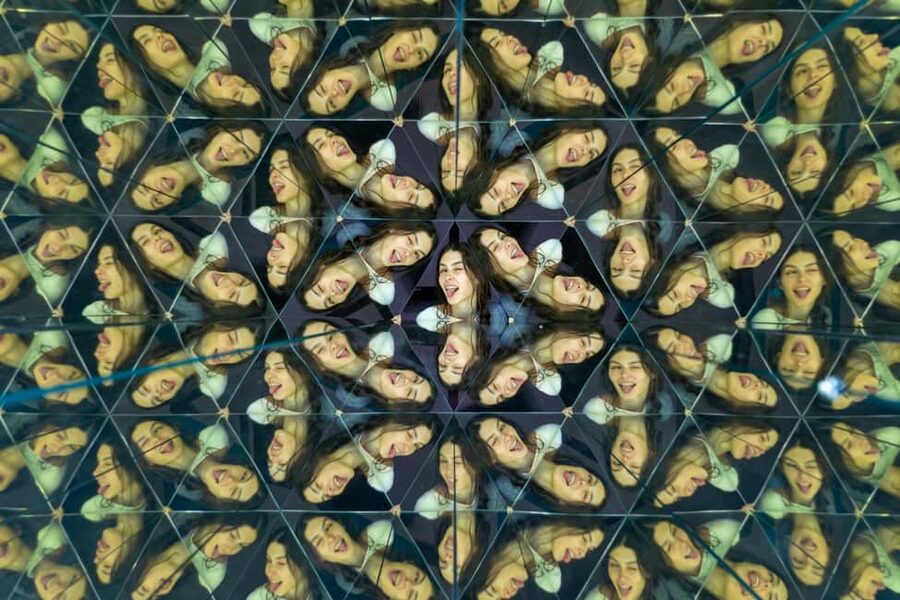
- Photo-friendly holograms and visual illusions that reward you for slowing down
- Vortex tunnel effects where the floor seems to shift while you stand still
- Infinity room space perception tricks that are fun to experience at eye level
- Game room with 3D puzzles and brain teasers for extra challenge
- Small group limit of 8 participants so you are not stuck in a giant crowd
Museum of Illusions in Toronto: a 1-hour plan that actually works
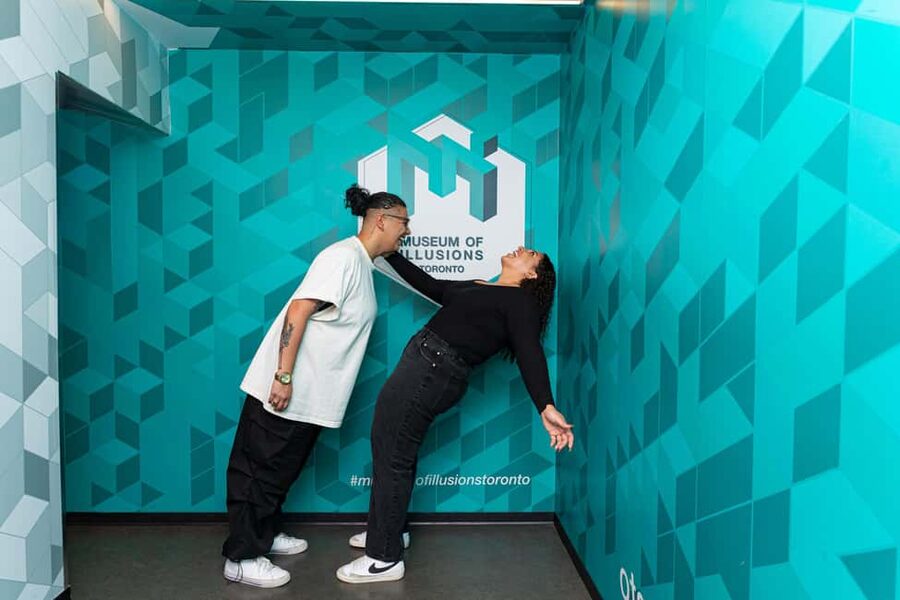
The Museum of Illusions is built for quick, satisfying moments. The ticket covers entry to the exhibits, and you explore at your own pace for about 1 hour. That sounds short, but the museum is designed like a highlight reel: you hit multiple illusion types rather than waiting for one big set piece.
This is not a sit-and-watch museum. You will be moving, testing, photographing, and re-checking what you think you saw. If you enjoy “wait, how did that happen?” moments, you will get good mileage out of a single visit.
Also, it helps to know what this experience is aiming for. The point is not to memorize facts. It is to feel how perception can be tricked—by light, angle, contrast, motion, and your own expectations. Even if you are not a science person, the exhibits make that idea physical.
A few more Toronto tours and experiences worth a look
Your first stop: holograms and light tricks you can photograph fast

The visit typically starts with holograms and visual illusions that play with light and perspective. This is where you get oriented quickly. Some of these setups are easiest when you do two things: move to a good spot, then change your angle slightly. You are basically training your eyes to notice what is stable and what is not.
Photo-wise, this is a strong section of the museum. The illusions are made to look dramatic in a camera frame, so you can get results without advanced lighting skills. If you like snapping pictures of effects rather than just selfies in front of a sign, plan to spend a bit longer here than you think.
Practical tip: pause before you take the shot. Look at the illusion with your own eyes first. Then take one photo from where it looks correct, and another from a slightly different position. A small shift can change what the camera captures.
The vortex tunnel: where your brain panics for a second
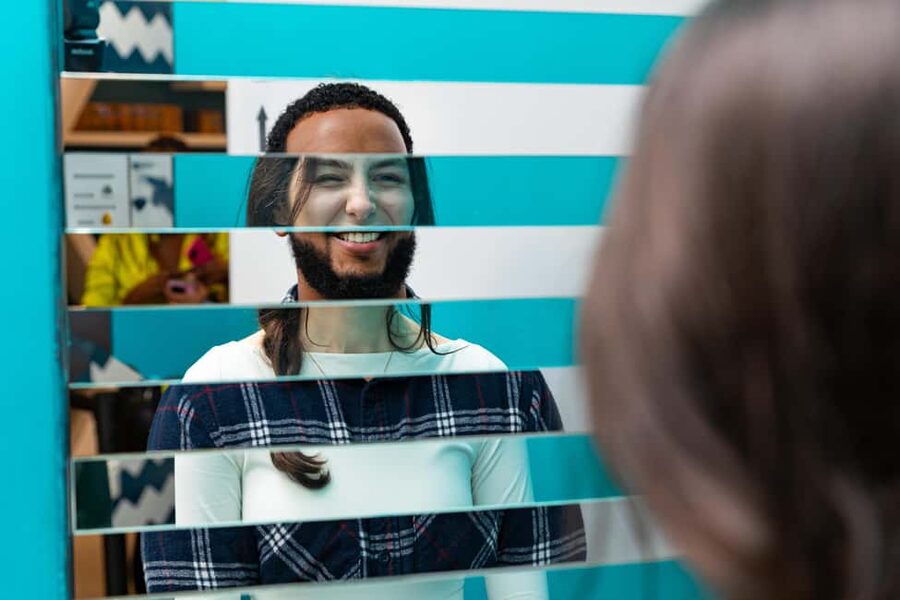
The vortex tunnel is the kind of exhibit that makes people laugh out loud. It is designed so you feel like the ground beneath you is shifting, even though you are standing still. That mismatch between your body signals and your vision is the whole trick.
If you get nervous about sensation-based illusions, take this seriously. The museum is not suitable for people with vertigo, and the tunnel is the sort of feature that can set off that reaction. If that applies to you, skip the tunnel entirely and focus on calmer, stationary illusions.
If you are okay with visual tricks, this is still worth doing early in your hour—before you get tired or start rushing. When you are fresh, the effect is more surprising and you can react without feeling stressed.
Infinity room and stretching space: perfect for slow walking
You will also run into the infinity room, a space that seems to stretch endlessly. These rooms are great because they teach you something without a lecture: your brain tries to find an edge or a limit, and the setup removes that reference point.
What I like about this type of illusion is that it is social. Even if you go alone, you can watch your own reactions and then compare what you see from different spots in the room. With the right viewing angle, the effect can look completely different.
Timing tip: give yourself a couple minutes here that are actually unhurried. People often walk through these rooms like they are photo backgrounds, but the best effect comes when you step, look, then adjust.
The game room: 3D puzzles and brain teasers with real replay value
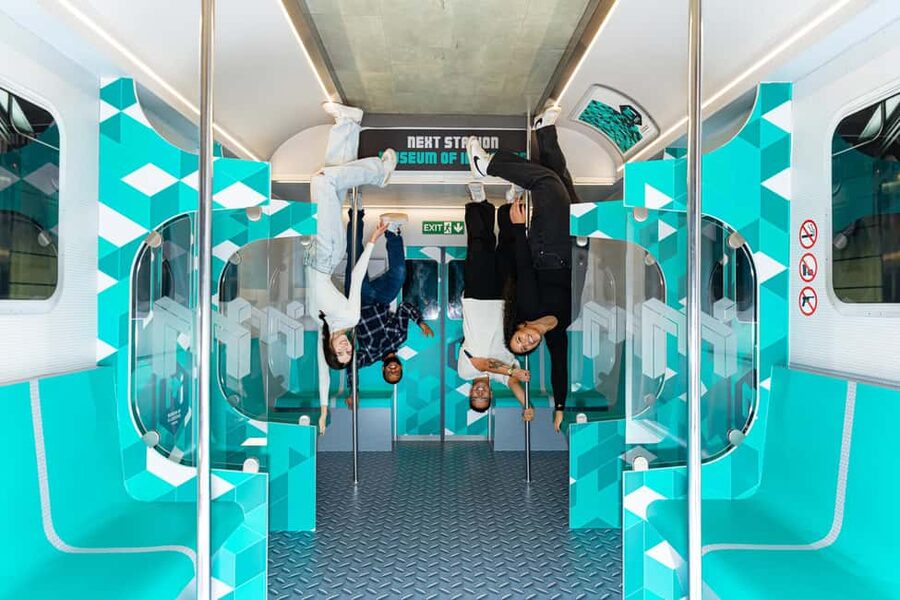
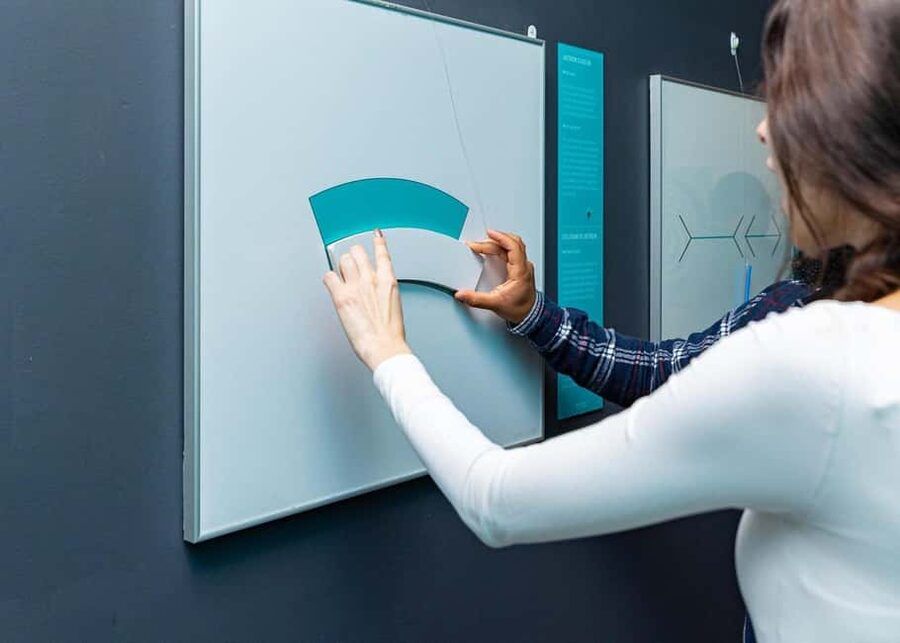
After the big perception tricks, the museum shifts gears into thinking games. The game room has 3D puzzles and brain teasers, and this is where the experience becomes more than just visual entertainment.
This part matters because it adds variety. Some museums rely on you staying in one state—mostly watching. Here, you alternate between using your eyes and using your hands and problem-solving skills. If you are visiting with someone who gets bored by fast photo stops, this section is a good equalizer.
It is also the best place to slow down if you are worried about the 1-hour time limit. Puzzle-based activities tend to stretch based on how curious you are. You can move on when you want, but you can also spend longer if you like the challenge.
You can also read our reviews of more museum experiences in Toronto

How much value is $25 for a one-hour ticket
At $25 per person for an experience that lasts about 1 hour, the value question is real. The museum is packed with illusions—over 100 exhibits—but not every exhibit will be equally time-consuming. Some are quick “try it, see it” moments; others reward repetition and different angles.
So who gets the best value? People who enjoy interactive experiences and don’t need long sessions to feel satisfied. If your goal is to leave with a handful of great photos, a couple standout illusions, and a fun mental workout, this can feel fairly priced.
Who might feel disappointed? If you expected a long attraction where each room is a major production, you could come away wishing it lasted longer. There are also moments where crowds can affect your ability to move freely for photos, so timing matters if you are sensitive to that.
My take: treat it like a focused, playful “best hits” stop. Pair it with other downtown Toronto plans so the short duration feels like a strength, not a limitation.
Crowds and access: why timing changes your experience
One practical reality: illusion spots can get busy. Some exhibits are photo magnets, and you may find yourself waiting briefly while someone figures out the perfect angle. If you are visiting during busier periods, your best strategy is to do two things:
- Hit the most popular areas early in your hour
- Be flexible and keep moving when a spot feels blocked
Because the museum is designed around interaction, a crowd can reduce your ability to test angles and take multiple shots. That does not ruin the experience, but it can change the vibe from calm curiosity to quick photo-and-go.
If you want the most relaxed visit, plan to arrive ready to move at your own pace, and then spend your energy where you feel the best connection—usually the holograms, vortex tunnel, or infinity-style room.
Who this museum is best for (and who should skip it)
This is a great choice for all ages, especially if you want something that does not require long attention spans. Kids typically enjoy the cause-and-effect of the exhibits, and adults enjoy the challenge to their assumptions.
You should strongly consider skipping if you have vertigo. The nature of the illusion design includes experiences that can make space feel unstable, and that is exactly what vertigo-prone visitors often cannot tolerate.
Who else will like it:
- Anyone who enjoys hands-on experiments and short bursts of activity
- Photo lovers who want lighting-and-angle tricks
- Groups where people have different energy levels, because the game room gives options beyond photos
And if you are traveling with a mix of ages, the small group limit of 8 participants helps keep the energy manageable. Even though you explore at your own pace, fewer people can mean less hassle around tight exhibit zones.
Tips to get the most out of your 1-hour visit
Here are a few simple moves that make the museum feel bigger than an hour:
- Start with the areas that depend on positioning (light illusions and holograms).
- Do the vortex tunnel when you are fresh, especially if you are unsure how you will react.
- Use the game room as your “flex buffer.” If you still have energy, stay longer. If you are done, you can wrap up without feeling like you missed something.
- Don’t rush through every room. Pick a few exhibits to return to for a second look—many illusions change as you adjust your angle.
- Bring your photo mindset, but keep your eye first. The best “got it” moment is when you understand the trick before you photograph it.
Also, the museum rules are simple: no smoking, and no alcohol or drugs. So plan to keep it clean and straightforward. The experience is more fun when your focus stays on what your eyes and brain are doing.
Should you book this Museum of Illusions ticket?
Book it if you want a fun, interactive Toronto stop that fits cleanly into a busy schedule. I think it is a strong choice if you love visual tricks, enjoy taking photos, and want to leave with a clear sense of how perception can be manipulated.
Skip or be cautious if you expect a long attraction, or if you are sensitive to sensation-based visual distortions. And if you know you get stressed in crowds, go in with a plan to start with the most popular illusion zones and accept that photo spacing may not always be perfect.
Overall, for many visitors this works as a high-energy hour: part play, part science in action, and plenty of moments that make you look twice.
FAQ
How long is the Museum of Illusions experience?
The ticket is for a duration of 1 hour.
What is the price per person?
The price is $25 per person.
What is included with the ticket?
You get a Museum entry ticket to access the exhibits.
Is the experience self-paced?
Yes, you explore at your own pace.
Are the exhibits suitable for children?
Yes, it is designed for all ages.
Is it wheelchair accessible?
Yes, the museum is wheelchair accessible.
Is it suitable for people with vertigo?
No, it is not suitable for people with vertigo.
How big is the group?
The group is limited to 8 participants.
What languages are available?
English is the language of the host or greeter.
Can I cancel, and can I pay later?
There is free cancellation up to 24 hours in advance for a full refund, and you can reserve now and pay later.