REVIEW · NATIONAL SPORTS MUSEUM NICE
Ticket to Musée National du Sport
Book on GetYourGuide →Operated by Musée National du Sport · Bookable on GetYourGuide
Sports history, but in motion.
I love the way the Musée National du Sport turns a museum visit into an active puzzle, with interactive “challenge” zones built around athletics, cycling, swimming, skiing, riding, and more. I also really liked the chance to see all the Olympic torches in one place—easy to understand, even if you’re not a hardcore sports fan. One drawback to plan around: it’s not a guided experience, so if you want a person to explain everything, you may feel a bit on your own.
This is a true museum of society and sports promotion in France, designed for you to wander at your pace. You can usually spend as much time as you like inside, and there are rotating temporary exhibitions (over 500 m²) if you want fresh topics alongside the permanent story. Just note the museum does have rules—no food or drinks inside, and no flash photos—so bring your snack plans accordingly and keep your camera flash off.
In This Review
- Key highlights worth marking on your map
- Musée National du Sport: Why this sports museum feels practical
- The four stages of challenge: How the museum guides your eyes
- 1) Personal challenge: try to match the effort
- 2) One-on-one challenge: the psychology of competition
- 3) Collective challenge: sports you can feel as teamwork
- 4) Challenges beyond the limits: where people push the boundary
- Olympic torches: the one part you’ll remember
- Temporary exhibitions: how to choose what to spend time on
- The self-guided experience: you control the pace, but you provide the context
- Stadium tour timing: plan your day so you don’t feel rushed
- Rules that affect your visit (so you’re not stuck mid-day)
- Price and value: what you get for about $9
- Accessibility and family fit: a museum that doesn’t shut doors
- Who should book this sports museum ticket?
- Should you book the Musée National du Sport ticket?
- FAQ
- FAQ
- How long is the Musée National du Sport ticket valid?
- Is this a guided tour?
- What’s included in the ticket price?
- What are the ticket highlights?
- Are Olympic torches part of the museum displays?
- Can I take photos inside?
- Can I bring food and drinks?
- Is the museum wheelchair accessible?
- Is admission free for some visitors?
Key highlights worth marking on your map
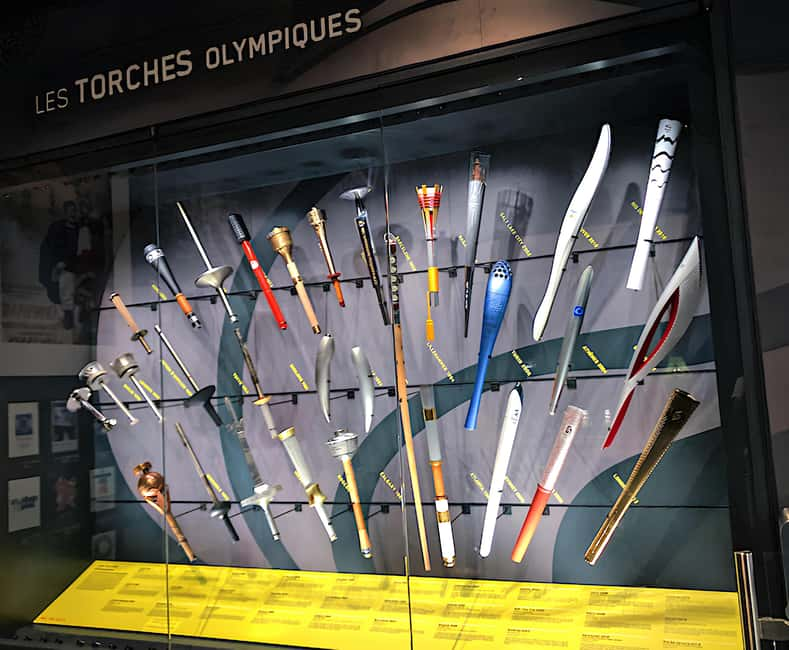
- Olympic torches collection: See them all as part of the museum’s big-picture Olympic story.
- Four-stage challenge journey: Move from personal goals to one-on-one, team sports, then extreme feats.
- Self-guided pacing: Stay longer where you’re curious; skip what doesn’t grab you.
- Temporary exhibits (500+ m²): Bigger-than-you’d-expect rotation space for current themes.
- A museum that works for families: The setup is often described as kid-friendly and accessible.
- Budget-friendly entry: Price sits low enough that you can treat it as a main stop, not a splurge.
Musée National du Sport: Why this sports museum feels practical
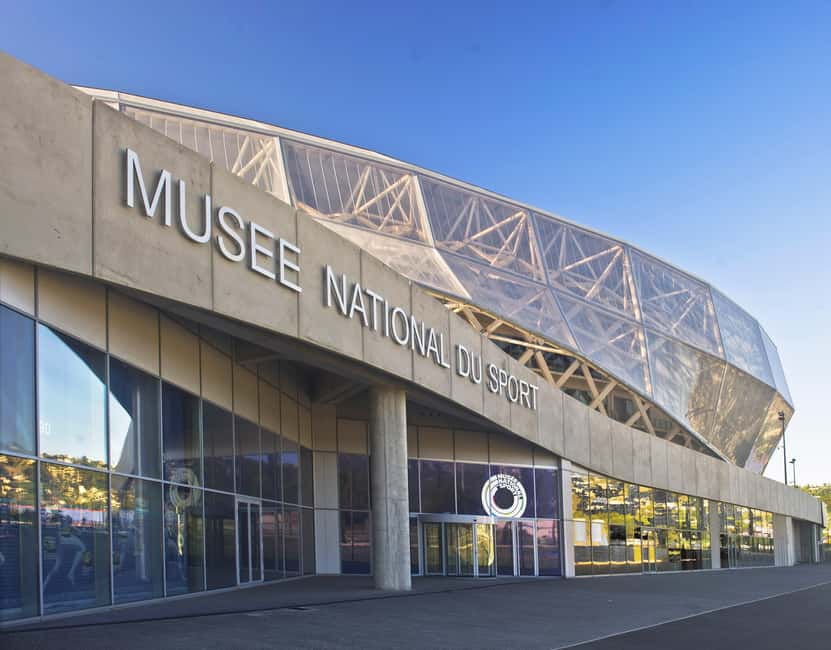
If you’ve ever walked into a museum and thought, Cool artifacts… now what?—this one answers that question quickly. The Musée National du Sport uses an idea you can feel: challenge. Instead of only telling you about famous results, it organizes sports around the kinds of challenges people face. That structure helps you connect the dots, even when you don’t know the athlete names or event history.
Two things make it especially easy to recommend. First, you get the Olympic torch experience without needing context lessons first. You can just look, compare, and notice how the museum frames the Olympic identity. Second, the interactive approach makes the visit less passive. You’re not just reading panels—you’re sorting sports into categories that make sense.
The value angle is strong too. At about $9 per person, it’s priced like something you can fit into a day with confidence. That matters because sports museums can be hit-or-miss: if it’s too expensive, you might rush out if one room doesn’t land. Here, the low entry makes it easier to take your time.
The four stages of challenge: How the museum guides your eyes
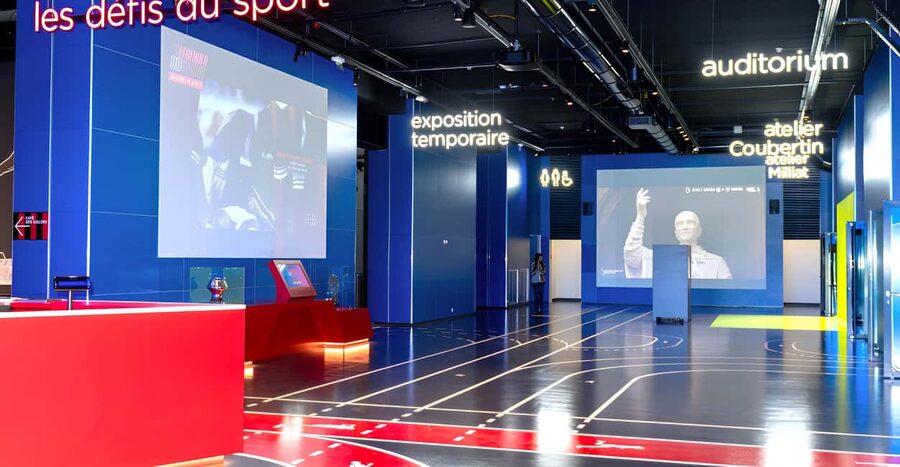
Think of the museum like a route you don’t have to follow perfectly, but that you’ll naturally understand. The theme runs through four stages, moving from the challenges you can picture in everyday terms to the ones that feel extreme.
1) Personal challenge: try to match the effort
This first zone focuses on sports tied to individual training and body control: athletics, cycling, swimming, skiing, and riding. Even if you know nothing about technique, you can read these stations like a map of effort. You’ll likely find yourself asking questions like: What does it take to improve? How does risk change with the sport? Those prompts make you look longer than you would in a traditional gallery.
Practical tip: If you’re visiting with teens or sports-curious kids, start here. It tends to feel intuitive because it’s about you-versus-the-clock energy.
2) One-on-one challenge: the psychology of competition
Next comes the head-to-head section, with boxing, tennis, martial arts, and fencing. This part often clicks for visitors who like strategy—how people study each other, react, and adapt. It’s not only about power. It’s about timing and decision-making.
If you’re traveling with someone who wants action but isn’t into, say, cycling or skiing, this is often where they’ll perk up.
3) Collective challenge: sports you can feel as teamwork
Then the museum shifts into the collective world: football, rugby, handball, volleyball, and basketball. This stage is useful because it shows you sport as a social system, not just a set of highlight moments. You’ll likely notice how teamwork changes the kind of challenge athletes face—roles, coordination, and pressure.
If you’re a fan of team strategy, don’t speed through this section. Spend a little extra time here and you’ll get more meaning from everything that comes after.
4) Challenges beyond the limits: where people push the boundary
Finally, you hit the extreme end: extreme climbing, solo sailing, and conquering the skies. Even without technical knowledge, it’s easy to understand the real challenge: preparation, mental control, and risk management. This stage can be a mood changer. Where earlier areas feel like training and competition, this one feels like survival-level ambition.
Good to know: If you’re easily overwhelmed by risk-focused themes, you can skim this section. The museum lets you move at your pace.
Olympic torches: the one part you’ll remember
You’ll see the Olympic torches as part of the museum’s core offering, and this is one of the easiest “anchor points” for your visit. Even if you’re not sure what you’re looking for, the torch gives you a simple visual story: tradition, ceremony, and the idea of carrying momentum forward.
What I like about this is that it’s not buried. It functions like a headline in physical form. You can pause longer, take in the progression across editions, and connect it to the rest of the museum’s sports-promotion message.
If you like photo moments, this is often where you’ll want to linger—just remember no flash photography.
Temporary exhibitions: how to choose what to spend time on
Temporary exhibitions are a big part of the museum’s pull, with over 500 m² devoted to rotating themes. That means your visit isn’t locked into a single “forever collection” idea. If you’re the type who likes variety—sports technology one season, a current cultural angle another season—this is worth leaning into.
A simple strategy: don’t try to do everything equally. Pick one temporary exhibition to be your “main character,” then use the permanent challenge areas as your supporting storyline. That way, you feel like you got value from both.
When temporary exhibits are strong, they can also help you interpret the permanent displays. You’ll leave with a clearer sense of how the museum connects sports to wider life.
The self-guided experience: you control the pace, but you provide the context
This is not a guided tour. There’s no guide included with the ticket, and that changes how the day can feel.
For many visitors, self-guided is the sweet spot. You can slow down for the torch displays, take breaks, and spend time where the interactive challenge format grabs you. You can also tailor your visit by sport. If one category isn’t your thing—say, skiing—you can move on without losing the narrative thread.
The main consideration is interpretation. Without a guide, you’ll rely on the museum’s own messaging (signage, station prompts, and the way the exhibits are grouped). If you really want “tell me the story” energy, bring your own curiosity. Read the labels, then ask yourself what the station is trying to teach: effort, training, competition, teamwork, or limits.
Stadium tour timing: plan your day so you don’t feel rushed
One detail that matters for a smooth trip: there’s often a stadium tour option that many visitors consider a top highlight. It’s also described as available in French and English.
Here’s the practical advice I’d give you: treat the stadium tour as something to protect in your schedule. If the museum or that activity feels like it closes earlier than you expect, you could lose your chance to do it without realizing until the day-of. So don’t leave it to the last possible hour. Start your museum wandering early, and leave a clear slot for the stadium component.
Also, because your ticket lets you spend as much time as you like inside, your best move is to build in margin. If you hit a station you like, you shouldn’t have to cut your day short to still catch the stadium segment.
Rules that affect your visit (so you’re not stuck mid-day)

The museum has a few clear restrictions:
- No food or drinks inside.
- No flash photography.
This sounds small, but it changes how you plan breaks. If you want a snack, plan it before you enter or outside in nearby areas (you’ll want to check what’s available around the museum). And if you’re shooting photos, flip your flash setting off before you start.
The upside: these rules help keep the museum experience orderly. It’s easier to focus on the exhibits when you’re not dealing with food mess or flashing distractions.
Price and value: what you get for about $9
Let’s talk money in a real way. At around $9 per person, the ticket price is low enough that you can treat the museum as a primary day plan rather than a quick detour.
Here’s why that’s a good deal for most visitors:
- You’re getting a large sports collection with multiple challenge categories, not just one or two rooms.
- You get Olympic torch displays that work as a memorable payoff.
- Your visit is self-paced, so you can spend time based on interest.
- Temporary exhibitions add another layer of potential value for your specific day.
If you’re a family, this price can also work well because children under 18 are free (and some other categories have free admission too). That lowers the cost friction and lets you focus on planning a good day, not counting every ticket line.
Accessibility and family fit: a museum that doesn’t shut doors
The museum is listed as wheelchair accessible, which is a big practical win. Sports museums can sometimes be built with awkward pathways, heavy stairs, or tight viewing spaces. Here, accessibility is explicitly part of the offering.
Family fit also looks strong. One of the common themes in the experiences people describe is that the museum format works for kids and for visitors who want interactive learning. If your group includes children or teens, you’ll likely find plenty of stations that feel like activities rather than homework.
If you’re older or mobility-limited, self-paced wandering is usually a bonus. It means you can pause whenever you need to, without worrying that you’ll fall behind a group.
Who should book this sports museum ticket?
You’ll probably enjoy this ticket if:
- You like sports but don’t want a boring lecture format.
- You want a self-guided day where you control time.
- Your group includes a mix of interests (athletics fans, team sport fans, and people who just like interactive museum spaces).
- You care about the Olympic theme and want something visual to remember.
You might think twice if:
- You strongly prefer guided tours with a person explaining context end-to-end.
- You’re expecting a museum packed only with stadium-like spectacles all day long. This is more about challenge and sports categories than nonstop “showtime.”
Should you book the Musée National du Sport ticket?
Yes—if you want a value-priced, self-paced sports museum day with clear themes and memorable Olympic visuals. The $9 price makes it easy to justify, and the museum’s core structure around challenge helps most people connect to the displays quickly. Just do one thing to protect your experience: plan time for the stadium tour option if you want it, and don’t schedule the rest of the day in a way that leaves you hoping you’ll catch it at the last minute.
FAQ
FAQ
How long is the Musée National du Sport ticket valid?
The ticket is valid for 1 day, and the overall experience is designed for a 1-day visit.
Is this a guided tour?
No. This isn’t a guided tour, and a guide is not included with the ticket.
What’s included in the ticket price?
The ticket includes museum entrance fees.
What are the ticket highlights?
You can explore one of the largest sports collections in the world, see all the Olympic torches, and visit at your own pace for as long as you want inside the museum.
Are Olympic torches part of the museum displays?
Yes. The museum includes displays where you can see all the Olympic torches.
Can I take photos inside?
Flash photography is not allowed.
Can I bring food and drinks?
No. Food and drinks are not allowed inside the museum.
Is the museum wheelchair accessible?
Yes. The museum is listed as wheelchair accessible.
Is admission free for some visitors?
Yes. Children under 18 and several other categories get free admission, including disabled persons and certain education and museum-related groups, plus specific free-admission dates listed by the museum.