
REVIEW · STUTTGART
Stuttgart: Mercedes-Benz Museum Entry Ticket
Book on GetYourGuide →Operated by Mercedes-Benz Museum · Bookable on GetYourGuide
A car museum that reads like history class. The Mercedes‑Benz Museum in Stuttgart traces the story from Carl Benz’s 1886 invention to modern research vehicles, using 12 rooms and 16,500+ square meters to keep it moving.
I love two things right away. First, the ticket includes a free audioguide in 8 languages, which makes the exhibits easy to follow even when you’re just standing there staring at an old engine. Second, the scale is real: 160+ vehicles across a clear “Legend” and “Collection” wayfinding through the permanent show.
One big consideration: it’s large, so build your schedule around time, not willpower. Even visitors who planned shorter visits often ended up wishing they had stayed longer, especially with last admission at 5pm.
In This Review
- Key things to know before you go
- Mercedes-Benz Museum in Stuttgart: Cars With a Side of Human Story
- Tickets and Value: Is $18 Worth Spending a Day on Stuttgart Parking Lots?
- Before You Go: Hours, Last Admission, and Picking the Right Narrative
- Entering at the Main Entrance: Start Fast, Then Choose Your Pace
- Following the “Legend” and “Collection” Tours Across 12 Rooms
- 160+ Vehicles: How to See the Best Stuff Without Burning Through Your Energy
- The Building and Exhibition Design: Why the Layout Feels Easy to Navigate
- Audioguide in 8 Languages: Turning Looking Into Understanding
- Timing Your Day: How Long You Really Need for This Kind of Museum
- Accessibility and Comfort: What’s Included, What You Should Plan
- Who This Museum Best Fits (And Who Might Want a Different Day)
- Should You Book the Mercedes-Benz Museum Entry Ticket?
- FAQ
- How much does the Stuttgart Mercedes-Benz Museum entry ticket cost?
- How long is the visit time for this ticket?
- What are the museum opening hours?
- What is the last admission time?
- What’s included with the ticket?
- What languages are available for the audioguide?
- Do I need to wait in a ticket line?
- Is there free cancellation?
- Is the museum wheelchair accessible?
Key things to know before you go

- Two narrative routes (Legend and Collection) help you choose how you want to experience the museum.
- 16,500 square meters means good walking and good planning.
- Free audioguide in 8 languages turns the displays into a guided story.
- More than 160 vehicles range from early automobiles to racing legends and future concepts.
- Multi-room, multi-story layout rewards steady pace, not a sprint.
Mercedes-Benz Museum in Stuttgart: Cars With a Side of Human Story

If you think a car museum is just shiny things behind glass, this one changes your mind fast. The Mercedes‑Benz Museum is built around how automobiles fit into technology, everyday life, social history, and even popular culture. That means you’re not only looking at vehicles. You’re seeing why they mattered.
The backbone is the history that starts with Carl Benz and his 1886 invention. From there, the museum’s permanent exhibition brings you through eras using a chronological approach and a huge collection of vehicles. And because the museum places cars in context, you’ll catch how design, engineering, and society influence each other.
The building itself is also part of the experience, with a modern, designed feel from the entrance onward. It sets expectations: this isn’t a dusty storage room. It’s a serious museum made for looking closely and reading the details.
A few more Stuttgart tours and experiences worth a look

Tickets and Value: Is $18 Worth Spending a Day on Stuttgart Parking Lots?
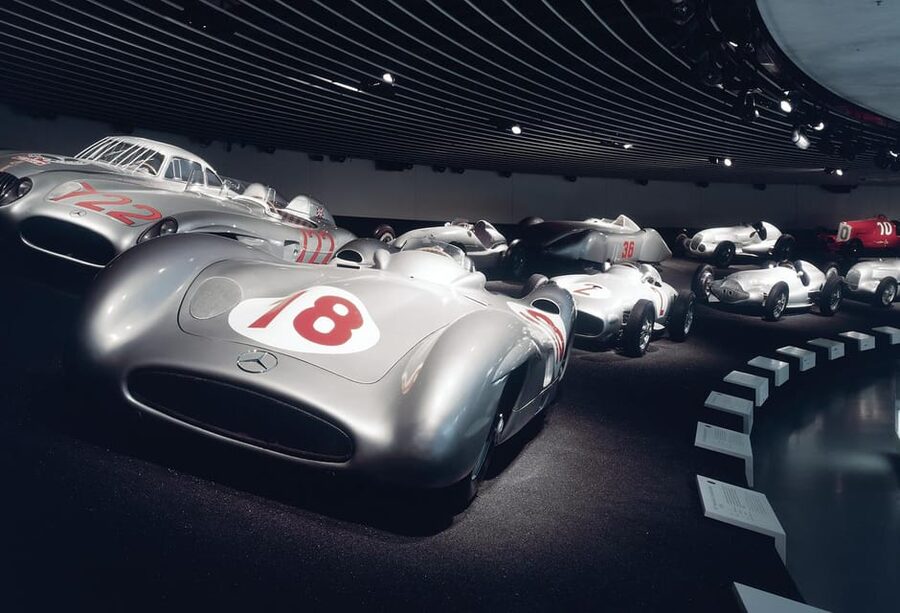
At about $18 per person, the entry ticket is a straightforward value play if you like history, engineering, or just good museum organization. The key is what’s included. You get admission to the full exhibition and a free audioguide, so you’re not paying extra to understand what you’re seeing.
The “value” part isn’t only the price. It’s the amount of content you get in one day: 12 rooms, 16,500 square meters, and 160+ vehicles. That’s a lot of physical exhibits, and it takes time to do them justice. For many people, the best value move is simply giving yourself the hours to do a careful route instead of rushing and missing the best stuff.
Also, the museum offers an option to skip the ticket line, which matters when you’re trying to start your visit quickly and avoid losing daylight inside.
Before You Go: Hours, Last Admission, and Picking the Right Narrative
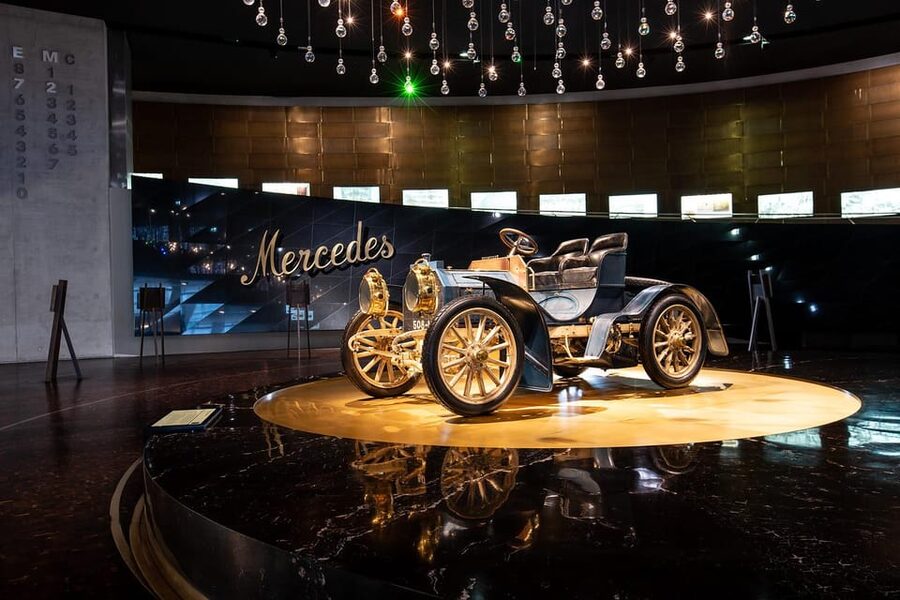
The museum is open Tuesday to Sunday, 9am to 6pm, with last admission at 5pm. That last admission time is the part you should respect. If you roll in late, you can still see plenty, but you’re more likely to feel that you “only caught the ending,” because the show covers a lot.
You’ll choose between two ways to experience the permanent exhibition: a “Legend” tour and a “Collection” tour. You don’t need to be a car historian to pick. Here’s the practical approach I recommend:
- If you want a guided-feeling storyline, follow Legend.
- If you prefer a more exhibit-and-vehicle focused flow, go with Collection.
Either way, you’ll move through a large multi-room space. So it helps to arrive with a plan for how long you’ll stay. The museum is big enough that a “quick look” can turn into a tense, time-checking scramble.
Entering at the Main Entrance: Start Fast, Then Choose Your Pace
You’ll enter directly through the main entrance. That sounds simple, but it matters because it lets you skip the common first step where you waste time finding where to go. Once you’re inside, the museum’s layout is designed to pull you into its route.
After you get oriented, decide your pace. The museum supports a calm, read-and-watch approach, but it also works if you’re moving briskly. The biggest difference is whether you’re listening to the audioguide carefully or treating it like “audio background.”
I’d also suggest you handle a practical detail early: if you’re using the audioguide devices and anything seems off, fix it right away instead of powering through. Some visitors have had issues with headsets not activating, and the best remedy is to get assistance sooner rather than later.
Following the “Legend” and “Collection” Tours Across 12 Rooms
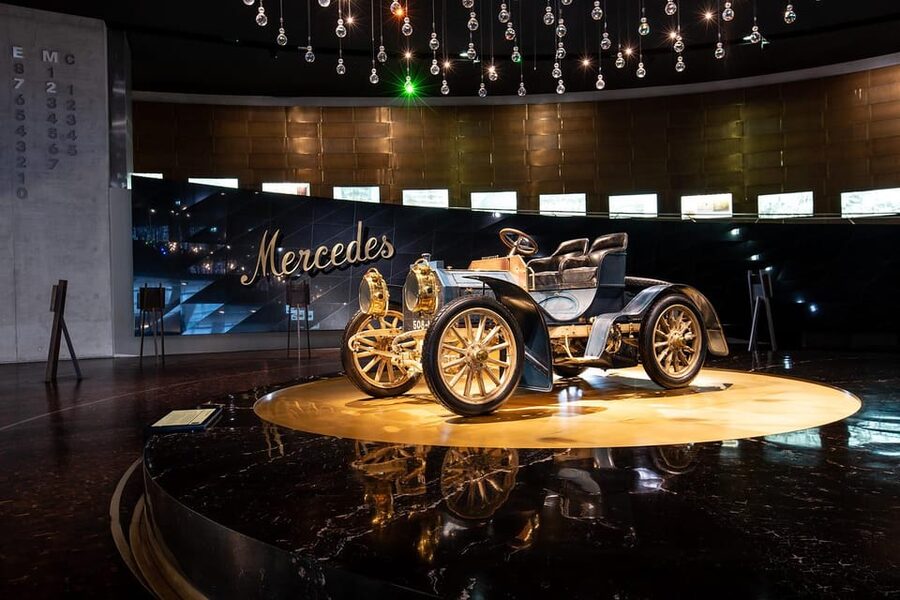
What makes this museum feel more than a car lineup is how it’s structured. The permanent exhibition covers 12 rooms and follows the idea of either a Legend narrative or a Collection narrative.
Here’s what that means for you in real life. The museum isn’t forcing one single path for everyone. You get to choose how the story lands:
- Legend can feel like a “why this mattered” sequence, guiding you toward the bigger ideas behind the vehicles.
- Collection can feel more like an organized walk through the brand’s shifting styles, engineering priorities, and design changes as you move through time.
Either route is worth it because the exhibition is broad. It doesn’t just show cars. It connects them to technology and to how people used vehicles in their daily lives.
And with the chronological layout across multiple stories and rooms, you’ll naturally sense progression. The museum helps you understand why early vehicles look and work so differently from what came later.
160+ Vehicles: How to See the Best Stuff Without Burning Through Your Energy
The headline is more than 160 vehicles. The helpful part is that the range is enormous, so you can tailor your attention without feeling like you missed everything.
You can expect vehicles that cover:
- Some of the oldest automobiles ever built
- Legendary racing cars
- Futuristic research vehicles
- Plus plenty of in-between eras in the brand’s development
That sweep is where the museum earns its reputation. You’re not only seeing Mercedes history. You’re also seeing how the idea of a car changed as engineering, speed, safety, and design goals evolved.
To avoid museum fatigue, don’t try to look at every single vehicle equally. Instead, pick a small set of priorities for yourself, like:
- one era you know you care about
- one racing display you want to understand
- one futuristic concept you want to compare to the early cars
This way, you’re still getting depth, not just passing through the room like a tourist train.
The Building and Exhibition Design: Why the Layout Feels Easy to Navigate
The museum’s design helps you keep your footing. It uses multiple rooms and multiple floors to create a sense of flow through time. That matters because with a collection this large, navigation is half the battle.
A modern, designed building also changes your mental posture. You’re more likely to slow down and look closely because the space feels intentional, not accidental. One reason people leave happy here is that the experience feels structured, like the museum is guiding you rather than throwing you into the deep end.
You’ll likely do a lot of walking and stair climbing, so pace yourself. If you’re the type who needs frequent breaks, plan them. Some visitors have wished for more resting points, so it’s smart to build in pauses rather than trusting your body to “power through.”
Audioguide in 8 Languages: Turning Looking Into Understanding
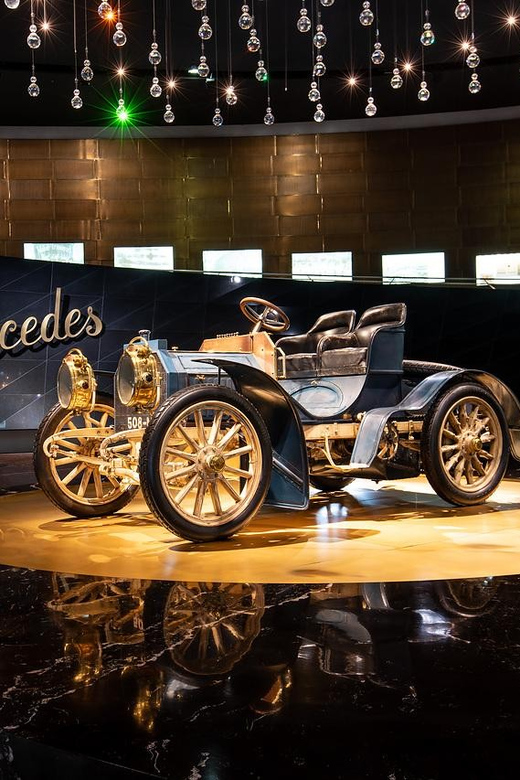
The audioguide is one of the most practical perks. Your admission includes it, and it’s available in German, English, Italian, Spanish, French, Chinese, Japanese, and Russian. That’s a wide set, which makes the museum more useful for international visitors who want more than basic signage.
How you use it changes your experience. If you listen only when you feel like it, you’ll still have fun. If you listen more intentionally, the museum starts to feel like a guided course in how the automobile evolved and how Mercedes-Benz fit into the bigger picture.
There’s a small practical caution. A few visitors have reported handheld units not activating. If that happens, don’t treat it like your fault. Ask staff for help quickly so you don’t lose chunks of audio while you wander trying to guess your way through.
Also, keep in mind that big museums can have varying sound levels. If you ever feel you can’t hear clearly, adjust your volume and position, and seek help if the device isn’t cooperating.
Timing Your Day: How Long You Really Need for This Kind of Museum
The museum is open until 6pm, and the last admission is 5pm. So you have the window to do this right, but you should choose your entry time based on your pace.
Even with a one-day ticket, this is not a 60-minute stop unless you want to see only a slice. Many people end up spending 4 to 5 hours to feel like they’ve covered a meaningful chunk, especially if you want to read and listen rather than sprint.
If you’re trying to plan your day in Stuttgart:
- Give yourself arrival time before your audioguide route starts to feel rushed.
- Think in terms of “hours of attention,” not just “hours on the clock.”
- If you’re visiting with kids, expect it to take longer because they may want extra time around the more interesting displays and videos.
If you do end up short on time, your best move is simple: choose one narrative route and commit to it. Don’t attempt “everything.” That’s the fastest way to hate the experience.
Accessibility and Comfort: What’s Included, What You Should Plan
The ticket includes wheelchair accessibility, which is a big plus. If you use a wheelchair, you’ll likely feel more confident knowing it’s built to be accessible.
Comfort-wise, plan for the museum’s size and movement. With 16,500 square meters and a multi-room layout, you’ll likely be on your feet a lot. Bring sensible shoes and water. Then take breaks when you feel yourself drifting into autopilot mode. When that happens, the museum stops feeling like history and starts feeling like walking.
If you’re hard on audio gear, carry attention to the audioguide devices. A well-functioning headset is the difference between quick browsing and real understanding.
Who This Museum Best Fits (And Who Might Want a Different Day)
This works especially well for you if you like:
- automotive history and engineering
- museums that mix technology with social context
- structured, chronological exhibits
- racing legends and futuristic concepts in one place
It also makes sense even if you’re not a diehard car fan. The museum’s context is the bridge. It explains how cars connect to broader life and cultural change, so you’re not stuck only looking at branding.
If you’re traveling with mixed interests, this museum can still work because it includes multiple ways to engage: the vehicles, the narrative tours, and the audioguide storytelling in multiple languages.
If you’re the type who hates walking in museums, you might find it challenging. In that case, consider arriving early and following one route carefully rather than trying to “see it all.”
Should You Book the Mercedes-Benz Museum Entry Ticket?
Yes, book it if you want a well-organized, high-value museum day that goes beyond car spotting. For most people, the audioguide included in 8 languages plus the scale of 160+ vehicles makes the ticket feel like a smart purchase, not a splurge.
But book with one mindset: give yourself enough time. If you try to treat it like a quick stop before dinner, you’ll likely feel rushed. If you plan for a real visit, this is the kind of place that stays with you because you leave understanding how cars shaped everyday life and how Mercedes-Benz evolved through it all.
FAQ
How much does the Stuttgart Mercedes-Benz Museum entry ticket cost?
The price is $18 per person.
How long is the visit time for this ticket?
It’s valid for 1 day.
What are the museum opening hours?
The museum is open Tuesday to Sunday from 9am to 6pm.
What is the last admission time?
Last admission is at 5pm.
What’s included with the ticket?
Your ticket includes admission to the Mercedes-Benz Museum exhibition and a free audioguide.
What languages are available for the audioguide?
The audioguide is available in German, English, Italian, Spanish, French, Chinese, Japanese, and Russian.
Do I need to wait in a ticket line?
The experience includes a skip-the-ticket-line option.
Is there free cancellation?
Yes. You can cancel up to 24 hours in advance for a full refund.
Is the museum wheelchair accessible?
Yes, the museum is wheelchair accessible.