REVIEW · STEDELIJK MUSEUM
Stedelijk Museum for Modern and Contemporary Art Ticket
Book on GetYourGuide →Operated by Stedelijk Museum Amsterdam · Bookable on GetYourGuide
Modern art starts right on Amsterdam’s Museumplein. This Stedelijk Museum for Modern and Contemporary Art ticket is a smart one-day pass into the museum’s big permanent collection, plus whatever temporary exhibition is running. I love how the building itself tells a story: a historic 19th-century core paired with a bold new wing. And right now, the headline temporary draw is the Erwin Olaf retrospective Freedom, extended until April 6, 2026.
If you like your art straightforward, modern and contemporary work can feel like a puzzle. The museum is known for making you think, and that means some pieces will click fast while others might not.
The practical side is solid: your ticket includes an audio guide (Dutch and English) and access to the temporary exhibitions, and you can use the mobile voucher at the entrance (no printing needed). There are free lockers for small bags, and you’ll want to bring headphones so you can actually use the audio guide.
In This Review
- Key points to know before you go
- Museumplein location: why the Stedelijk fits an Amsterdam day
- Price and ticket value: what $26 buys you in the real world
- Getting in smoothly: mobile voucher, lockers, and where to start
- The building and layout: how the museum tells its modern story
- Permanent collection: modern and design classics, organized to help you see patterns
- Temporary exhibition: Erwin Olaf – Freedom (and how to get the most out of it)
- Pacing tips for a one-day visit (so you don’t feel rushed)
- Audio guide and headphones: make the ticket smarter, not just louder
- Cafe and breaks: keeping your energy for the long look
- Who should book the Stedelijk ticket? (and who might reconsider)
- Should you book this Stedelijk Museum for Modern and Contemporary Art ticket?
- FAQ
- What does the Stedelijk Museum ticket include?
- Do I need to print anything to enter?
- Is the audio guide available in English and Dutch?
- Should I bring headphones?
- Are lockers available for bags?
- How long should I plan for a visit?
- Where do I meet for entry?
- Is the museum wheelchair accessible?
Key points to know before you go
- Erwin Olaf: Freedom runs until April 6, 2026, including films, lesser-known works, and his final unfinished video
- Skip-the-line entry with a mobile voucher barcode for quick scanning
- Audio guide in Dutch and English included, but you’ll still need your own headphones
- Permanent collection + temporary exhibitions access in a museum that mixes eras and styles
- Free lockers on site for small bags, subject to availability
- Museumplein location means easy pairings with nearby Rijksmuseum and Van Gogh Museum
Museumplein location: why the Stedelijk fits an Amsterdam day
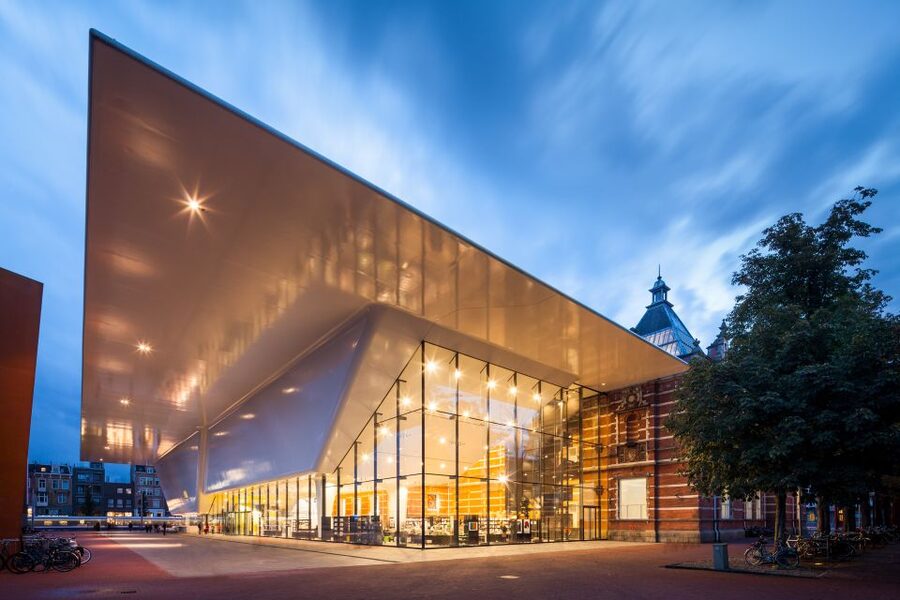
The Stedelijk Museum sits on Museumplein, the part of Amsterdam where you can knock out two or three major museums without complicated transit. From the outside, it already signals what you’re walking into: older architecture mixed with a newer, futuristic addition. That matters because the Stedelijk doesn’t feel like one slow hallway museum. It feels like a place where design and modern art have room to breathe.
The other advantage is logistics. If you’re planning a day around iconic Dutch art and classic masterpieces, you can treat the Stedelijk as the modern counterweight. It’s right next door to the Van Gogh Museum and the Rijksmuseum, so you can build a route that matches your mood: classic in the morning, contemporary in the afternoon, or the reverse.
One-day tickets are also a good match for the way the museum works. You can sample the permanent collection, commit to the temporary exhibition, and still leave with a sense of what modern art is doing today. If you’re the type who hates rushing and loves wandering room to room, this is one of those museums where you can take the time without it feeling wasteful.
Price and ticket value: what $26 buys you in the real world
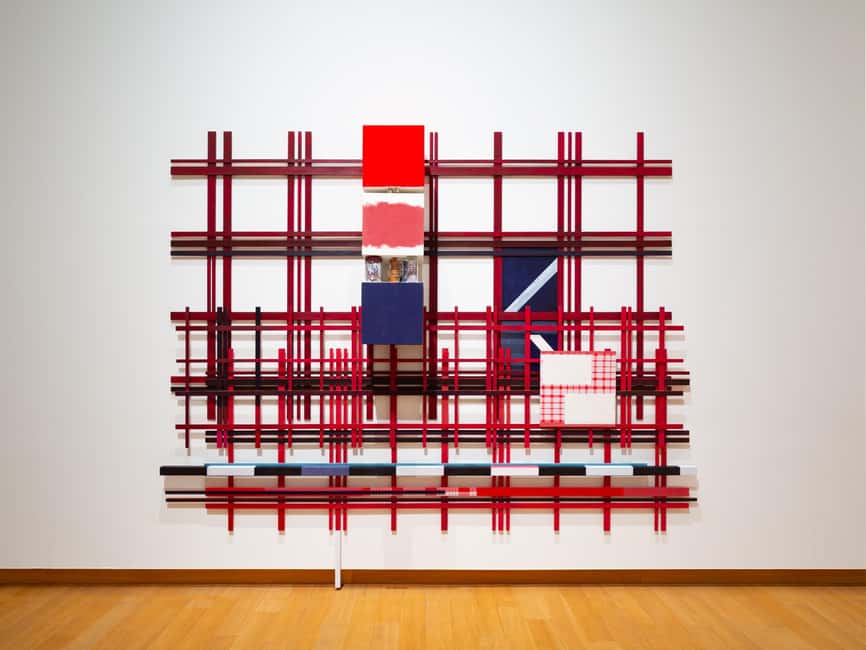
At about $26 per person, this ticket is mainly buying you three things: timed entry convenience, museum coverage, and audio support.
First, it’s designed to be skip-the-line with a mobile-friendly admission ticket. That’s not just about saving minutes. In Amsterdam museums, getting in quickly helps you avoid the mid-day crush that makes it hard to read labels, focus on images, and actually use an audio guide.
Second, your ticket covers access to both the permanent collection and temporary exhibitions. That’s a big deal if your goal is to see more than the same core highlights. Right now, the temporary exhibition listed for this ticket is Erwin Olaf – Freedom. Having temporary access included means your visit isn’t limited to the collection alone.
Third, you get an audio guide in Dutch and English. Audio guide value is usually where these tickets either feel smart or not worth it. Here it’s included, and the museum organizes information so the audio can help you connect themes, not just recite facts.
What’s not included: food and drinks. That sounds obvious, but plan for it anyway. Have a lunch plan so you don’t lose time deciding inside.
Getting in smoothly: mobile voucher, lockers, and where to start
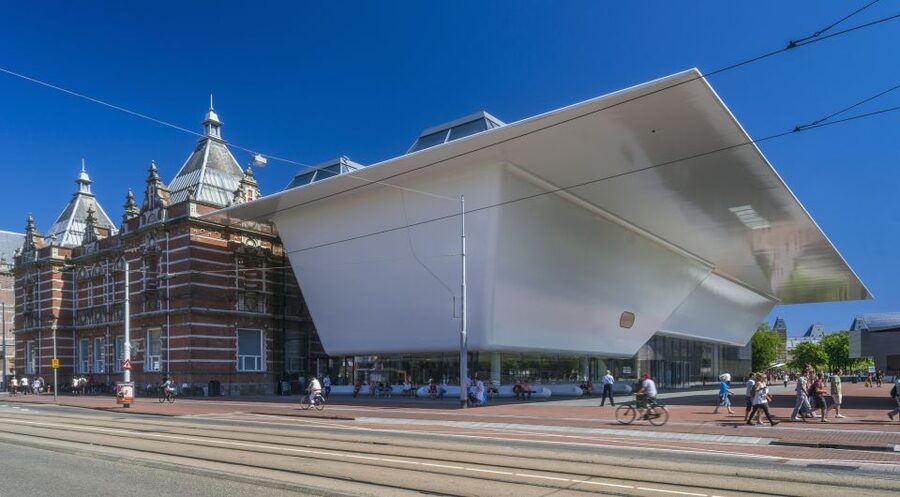
Your meeting point is the entrance hall of the museum on Museum Square. When you arrive, keep your phone ready. To redeem your ticket, there’s no need to print anything. Show the mobile voucher with the barcode clearly displayed for scanning.
This part matters because it prevents the common travel slowdown: fumbling with screenshots, blurry barcodes, or waiting while you track down your ticket. If your phone battery is low, charge ahead or carry a small power bank. Museums are not the place for last-minute tech drama.
Lockers are another practical win. There are free lockers on site for bag storage, but availability can be an issue. If you bring a larger bag, keep it light and be ready to store it quickly when you arrive.
Also, think ahead about headphones. The audio guide is included, but you have to bring headphones. If you forget, you can still browse the art, but you’ll be missing the extra context that makes the Stedelijk easier to enjoy—especially in the modern and contemporary rooms.
The building and layout: how the museum tells its modern story
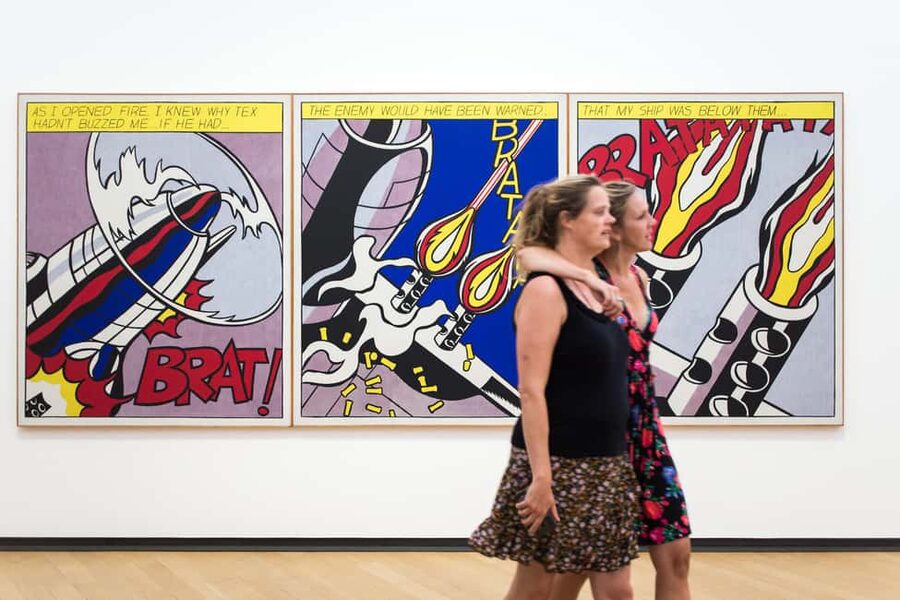
The Stedelijk’s layout is part of the experience. The museum presents its collection thematically and loosely chronologically, which means you don’t just walk forward in time like a textbook. You walk through ideas that connect periods: how art and design respond to social change, shifting technology, and changing tastes.
That approach is why it works even if you’re not a specialist. You can follow themes like visual style, how artists use form, or how design thinking shows up alongside fine art. You don’t need to memorize names to get value. You just need to pay attention to what you’re seeing and how the museum groups it.
The building mix also affects the feel. The older sections can feel more grounded, while the newer wing can feel sharper and more contemporary. Together, they give you a subtle sense of progression—without turning the visit into a boring march through decades.
One practical note: orientation can be a small challenge in a museum this big. Take a minute early to check the floor plan so you’re not bouncing between floors and losing your timing. If you’re going when it’s crowded, that early planning pays off.
Permanent collection: modern and design classics, organized to help you see patterns
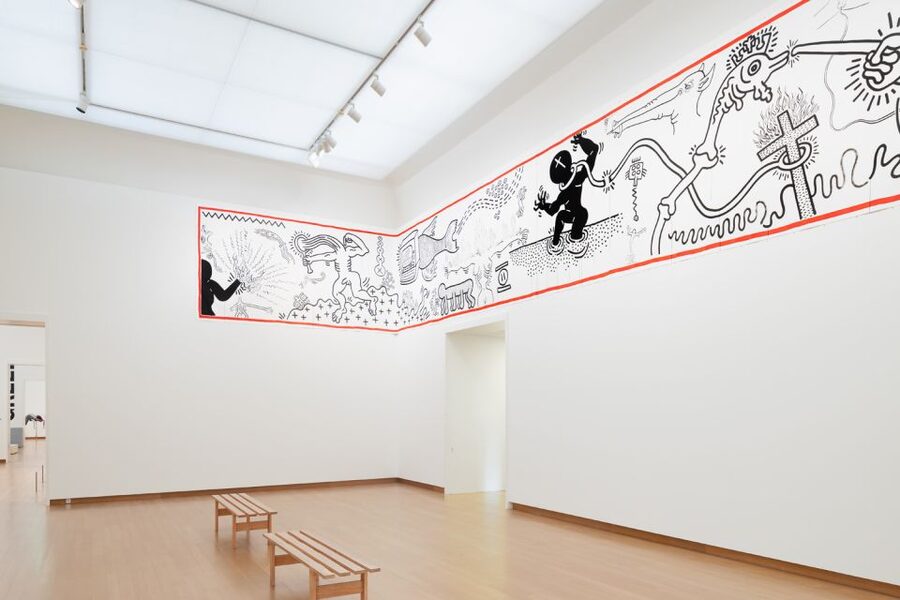
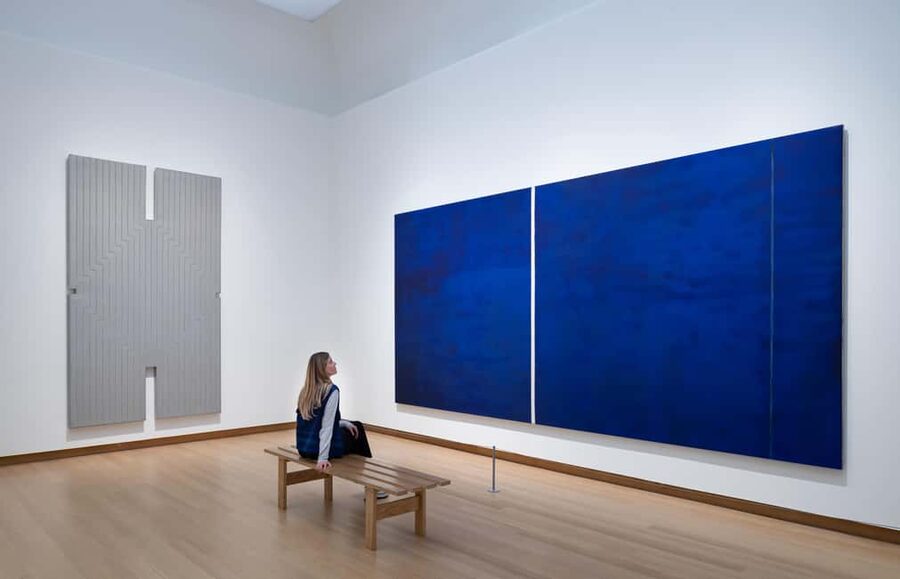
If you’re stepping into the Stedelijk for the first time, the permanent collection is the foundation. It’s often described as one of the most significant in the world, and the key reason is not only the star names—it’s the way the works are placed and interpreted.
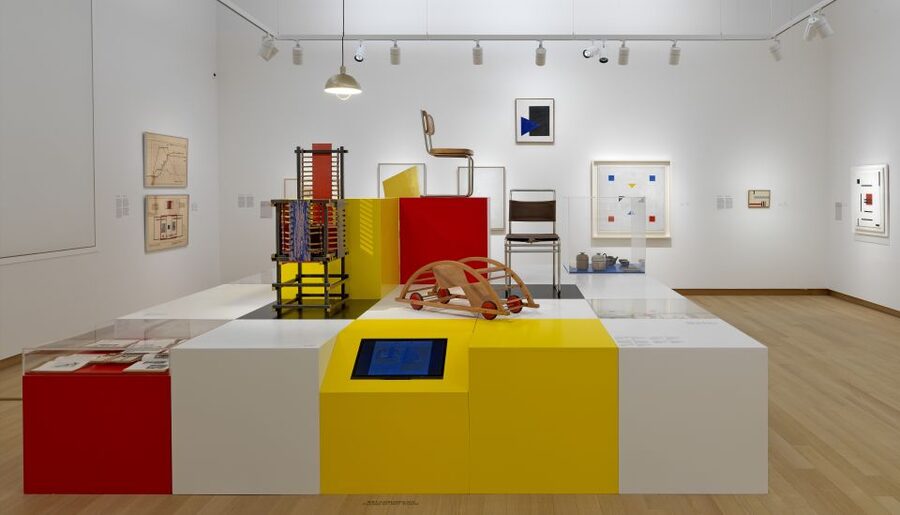
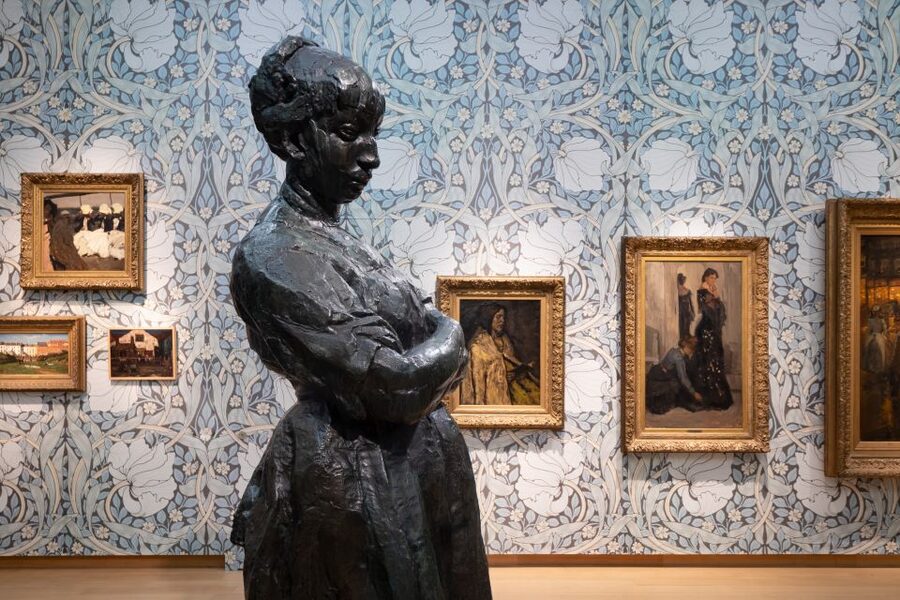
You’ll run into major modern and contemporary voices. The museum’s highlights include artists like Matisse, Chagall, Picasso, and Malevich, along with designers and modern art heavyweights such as Piet Mondrian, Andy Warhol, Gerrit Rietveld, and Marlene Dumas. Even if you only recognize a few names, the larger point is what these works represent: how modern art breaks rules, tests materials, and changes how people think about beauty and meaning.
Because the museum uses thematic grouping and loose chronology, you’ll often notice patterns quickly. For example, you might see how geometric abstraction pops up again and again in different decades, or how portraiture and representation shift as politics and culture change.
Here’s my advice for making the permanent collection enjoyable: don’t try to see everything in one pass. Pick a few rooms to really focus on, and treat the rest like sampling. In modern art museums, that’s usually how you come away satisfied rather than exhausted.
Temporary exhibition: Erwin Olaf – Freedom (and how to get the most out of it)

Right now, the temporary exhibition Erwin Olaf – Freedom is the big reason many people plan a Stedelijk visit. The museum describes it as his first museum retrospective since his unexpected death two years ago. It’s extended until April 6, 2026, so you don’t have to rush if your schedule is flexible.
The standout value here is range. It’s not only the iconic images. The exhibition also includes lesser-known work plus videos and sculptures, along with commercial photography and personal archive material. That variety matters because it helps you understand Olaf as a process-driven artist, not just a style you either like or don’t.
If you want to enjoy it more, slow down for two reasons:
1) the exhibition includes different media forms, and each one reads differently
2) it culminates with Olaf’s last work, an unfinished video, which is the kind of ending that changes how you look back at everything you saw earlier
It’s also a good exhibition for first-timers because it feels accessible. Olaf’s images are usually strong on storytelling and visual punch, so even if some of the modern art inside the museum doesn’t click for you, the temporary show can still land.
Pacing tips for a one-day visit (so you don’t feel rushed)
A one-day museum ticket is enough time for a focused visit, but only if you set a pace that matches your attention span. Modern art rewards time, but it punishes you for trying to do it all at once.
I recommend a simple rhythm:
- Start with the temporary exhibition while your energy is high
- Then spend quality time in the permanent rooms that match your interests (don’t force every room)
- Plan a break if you start feeling mentally overloaded
Crowds can affect how enjoyable the audio guide is. In busy conditions, you may have trouble hearing details over chatter. That’s not a museum-killer, but it’s real. If you want audio to work, go earlier in the day when possible and keep headphones at a comfortable volume.
Also, if you’re sensitive to noise, remember modern art rooms can be socially popular. The museum design is meant for viewing, but people are people—so give yourself space.
Audio guide and headphones: make the ticket smarter, not just louder
The audio guide is included, and it’s available in Dutch and English. That’s the kind of benefit that turns a good museum into a truly usable one, because modern and contemporary art often depends on context: what inspired it, what materials mean, and what the artist was testing.
But don’t assume the audio guide is automatic. You need headphones, and you’ll want them with a connector that works with the device provided. If you prefer your own setup, bring a small pair that you already use for flights or trains.
Here’s a practical mindset: use the audio guide for key moments, not nonstop. If you listen to everything continuously, you might lose your visual focus. Instead, use it to understand a room’s theme or to make sense of a work that feels confusing at first glance.
If you’re a first-time museum-goer, this is especially helpful. It lets you stay curious instead of frustrated.
Cafe and breaks: keeping your energy for the long look

Your ticket doesn’t include food or drinks, but the museum does have a cafe on site. That makes it easier to take a pause without building a whole new plan for leaving the museum area.
In practice, museum cafes are usually priced for convenience. You can still treat it as a planned break rather than a spontaneous expense. If you’re traveling with someone, decide in advance whether you want a full sit-down lunch or a quick bite.
A useful tip: it can be possible to step out for lunch and return the same day on the same ticket. Still, because museum rules can vary by situation, follow what the staff says at the time.
For your visit strategy, breaks help you reset your eyes. Modern art can shift quickly from bold to subtle to experimental. Without a break, the last rooms start to blur together.
Who should book the Stedelijk ticket? (and who might reconsider)
I think this ticket fits best if you enjoy modern and contemporary art, design, photography, or visual culture that connects to real-world ideas. It’s also a good choice if you’re trying to understand why modern art looks the way it does—because the museum organizes its collection to help you see connections.
You’ll likely feel rewarded if you:
- like big museum collections with famous names and also more challenging work
- want an included audio guide instead of relying only on label text
- plan to pair it with other Museumplein museums
You might want to reconsider if you only have patience for quick, straightforward viewing. The Stedelijk is better when you give it room to work on you.
And if your main goal is a specific celebrity-style exhibition (for example, a major Marina Abramović-related experience), confirm on site that your ticket coverage matches that particular installation. The ticket includes entry to temporary exhibitions, but special experiences can be handled differently depending on how they’re run.
Should you book this Stedelijk Museum for Modern and Contemporary Art ticket?
Yes—if you want a one-day entry that’s flexible, fast, and covers both the museum’s permanent collection and its current temporary exhibitions. The skip-the-line setup and included audio guide give this ticket practical value, not just access.
I especially recommend booking now if you care about the current temporary highlight, Erwin Olaf – Freedom. It’s a major retrospective with broad media coverage, and the extension to April 6, 2026 gives you breathing room.
If you’re unsure about modern art in general, go with a plan. Pick a few artists you already know, commit to the temporary exhibition, then let the rest be exploratory. That approach keeps the visit fun instead of exhausting.
FAQ
What does the Stedelijk Museum ticket include?
The ticket includes mobile-friendly skip-the-line admission, an audio guide (Dutch and English), and entry to temporary exhibitions.
Do I need to print anything to enter?
No. You can present the mobile voucher with the barcode clearly displayed for scanning.
Is the audio guide available in English and Dutch?
Yes. The audio guide is included in Dutch and English.
Should I bring headphones?
Yes. You’re told to bring headphones so you can use the audio guide.
Are lockers available for bags?
Yes. Free lockers are available on site for bag storage, subject to availability.
How long should I plan for a visit?
The experience is listed for 1 day. You can also expect to check availability to see starting times.
Where do I meet for entry?
The meeting point is the entrance hall of the museum on Museum Square, Amsterdam.
Is the museum wheelchair accessible?
Yes, the museum is wheelchair accessible.