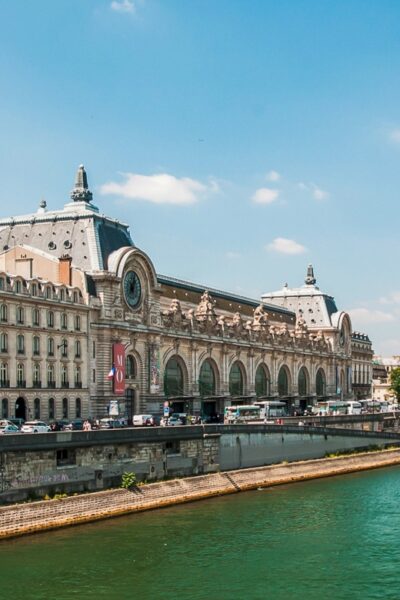
REVIEW · STEDELIJK MUSEUM
Amsterdam: Stedelijk Museum Entry Ticket
Book on GetYourGuide →Operated by Stedelijk Museum Amsterdam · Bookable on GetYourGuide
Modern art with a serious art-and-design edge.
The Stedelijk Museum sits on Museumplein, right by the Van Gogh Museum and the Rijksmuseum, so it’s easy to stack your day. I also like that this ticket covers both the permanent collection and the temporary exhibitions, with an audio guide in Dutch and English. One thing to consider: modern and contemporary art can be hit-or-miss, and you’ll want to plan your time so you don’t miss the parts that actually click for you.
Two things I really like here are the range of artists and the way the museum ties art and design to the world around it. You’re looking at major names like Picasso and Malevich, plus Dutch and international voices across 20th-century movements and beyond. The other big plus is practical: the visit is set up for getting in quickly, then wandering at your own pace with built-in help from the audio guide.
My only caution is simple: you’re paying for access, so make sure the temporary show you care about is actually included for your dates. The ticket does include temporary exhibitions except for Anselm Kiefer from March 7 to June 9, 2025, and one visitor experience also shows that certain special exhibits can feel like they’re in a different category—so double-check if you’re targeting a specific event.
In This Review
- Key points before you go
- Stedelijk on Museumplein: the easiest big-day start
- Ticket value: what you’re actually paying for
- Permanent collection: modern masters, Dutch design, and the art-to-society link
- A quick strategy that works
- Temporary exhibitions: what’s included and the Anselm Kiefer exception
- How to use temporary time wisely
- The museum building: old Stedelijk roots plus the 2012 new wing
- Quick practical tip
- How long to plan: building in time for real looking
- Audio guide: the best way to connect (fast)
- Lunch breaks and re-entry
- Who this museum ticket suits best
- Practical pairing: stacking Stedelijk with Rijksmuseum and Van Gogh
- Should you book this Stedelijk Museum entry ticket?
- FAQ
- How much does the Stedelijk Museum Amsterdam ticket cost?
- What’s included with the ticket?
- Do I need to print my voucher to enter?
- How long should I plan for my visit?
- What should I bring to use the audio guide?
- Is the museum wheelchair accessible?
Key points before you go
- Skip-the-line, mobile ticket: show your mobile voucher barcode at the entrance.
- Audio guide in Dutch and English: bring headphones to use it.
- Big collection, organized to make sense: permanent works are arranged thematically with a loose chronology.
- Temporary exhibitions included with one date exception: Anselm Kiefer (Mar 7–Jun 9, 2025) isn’t covered.
- Museumplein is the cheat code for museum-hopping: you can pair Stedelijk with Van Gogh and the Rijksmuseum easily.
- Go earlier for easier room-flow: one review notes it gets busier in the afternoon.
Stedelijk on Museumplein: the easiest big-day start
Stedelijk Museum Amsterdam is on Museum Square (Museumplein), which is basically where you go when you want options. You’re a short walk from the Van Gogh Museum and the Rijksmuseum, so you can build a route that fits your energy level. That matters because Stedelijk isn’t just a “see one room” kind of museum. It’s broad. You’ll either want a full afternoon—or you’ll want to choose your priorities smartly.
Your visit starts at the entrance hall on Museum Square. The good news is the ticket is designed for quick entry. You present your mobile voucher with the barcode clearly displayed for scanning—no printing required. That cuts down on the classic travel friction of finding paper, pages, and the exact screen brightness needed for scanners.
If you’re planning around crowds, the location helps. Stedelijk is sometimes the less intense stop compared to the “big three” nearby. One review noted they had no queue during a busy season early in May. That doesn’t mean it’s always that calm, but it does suggest Stedelijk can be a relief when you want modern art without the stress.
Ticket value: what you’re actually paying for
At about $26 per person, this is a straightforward deal if you’ll use the included audio guide and see more than one room. Here’s what you’re getting:
- Mobile-friendly, skip-the-line admission
- Audio guide in Dutch and English
- Entry to temporary exhibitions (with the named Anselm Kiefer exception)
- Access to the museum’s permanent collection
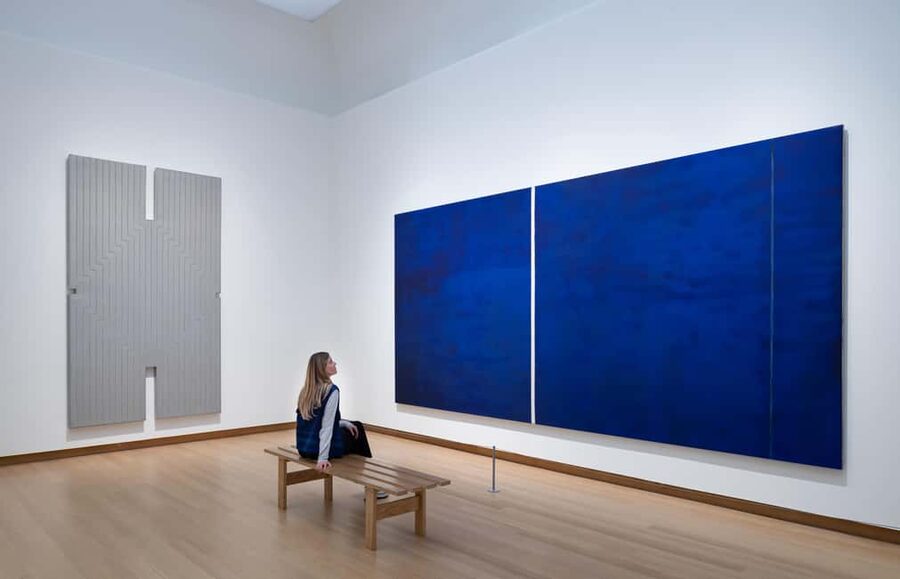
The scale is part of the value story. The permanent side includes access to a collection of 90,000 artifacts. That number is huge, but the museum doesn’t treat it like a random warehouse. The permanent collection is organized thematically and in a loose chronology, which helps you follow the story without feeling like you need a degree in art history.
Also: there’s a practical “use it or lose it” item. Bring headphones. The audio guide is included, but headphones aren’t automatic. If you forget them, you’ll miss one of the biggest ways the museum makes modern art easier to connect with.
Wheelchair accessibility is listed, so if mobility is part of your planning, you don’t need to guess.
Permanent collection: modern masters, Dutch design, and the art-to-society link

The Stedelijk permanent collection is where this ticket earns its keep. If you like modern and contemporary work, you’re in the right place. The museum’s focus covers not just painting and sculpture, but also design—and that’s a big difference from many “art-only” museums.
Here are some of the artists and anchors the experience leans on:
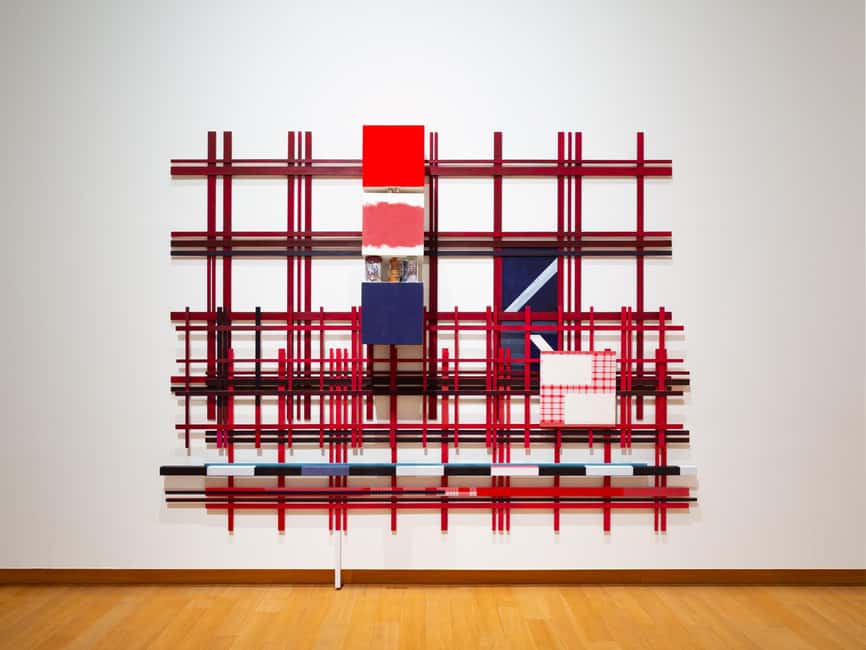
- Marlene Dumas
- Henri Matisse
- Marc Chagall
- Pablo Picasso
- Kazimir Malevich
- Yayoi Kusama
- Andy Warhol
- Jackson Pollock
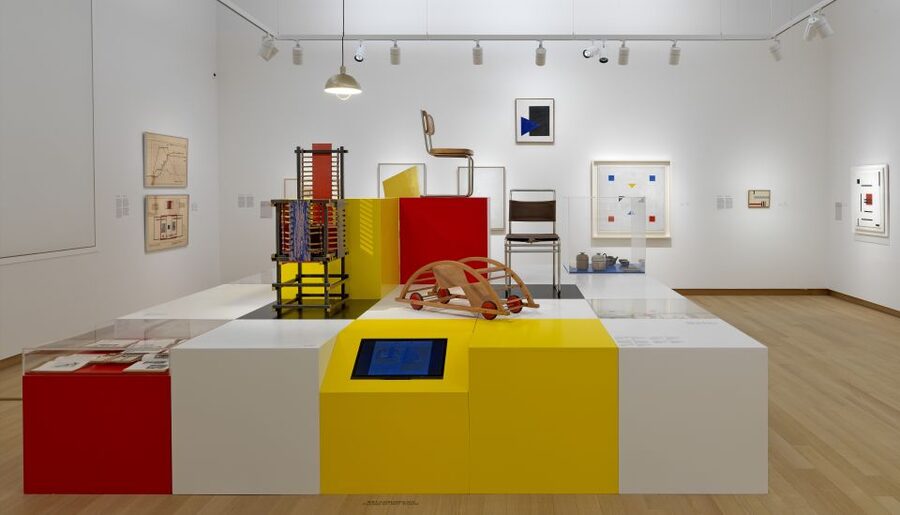
- Piet Mondrian
- Gerrit Rietveld
- And Dutch connections tied to the Amsterdam art scene, including the Amsterdamse School
What I find helpful is the museum’s approach: themes and a loose chronology emphasize that art and design don’t sit in a bubble. They develop alongside social movements and reflect different histories and perspectives. That framing is useful because it can turn a gallery that feels confusing into a set of ideas you can test with your own eyes.
You’ll also see the museum mix famous names with lesser-known highlights. That balance can be a real win. Recognizable artists help you orient yourself fast—then the less familiar pieces give you the payoff for slowing down. One review specifically called out that the museum covers everything from early seminal works to more recent developments, and that the variety is wide enough to keep interest going even for kids.
A quick strategy that works
Since this is a one-day ticket, I’d aim for two “signals”:
- Start with a few rooms that contain work by artists you already know (Picasso, Pollock, Warhol—names you can react to immediately).
- Then switch to the Dutch design rooms and the more movement-based displays (Mondrian, Rietveld, and the design influence).
If you do it in that order, your brain doesn’t spend the first hour trying to decode the museum. It starts with something familiar, then you build.
Temporary exhibitions: what’s included and the Anselm Kiefer exception

Temporary exhibitions are included in this ticket, with one clear exception: the Anselm Kiefer exhibition runs March 7 through June 9, 2025 and isn’t covered by this admission.
That matters because temporary shows are often where people’s attention lands. If there’s a specific exhibition you’re traveling for, I’d check the dates before you commit. The museum’s permanent collection is strong, but if your visit has a single “must-see,” you don’t want to arrive and realize you’re looking at a separate ticket situation.
One review mentioned being disappointed about Marina Abramović, saying it felt like it wasn’t part of what they expected from the ticket. The only official exception we have on the information here is for Anselm Kiefer, so I can’t claim anything about other shows. But the takeaway is still practical: if you’re planning around a specific temporary exhibit, verify it’s included for your exact visit window.
How to use temporary time wisely
Temporary exhibitions can be great, but they can also eat your time. Here’s how I’d keep control:
- Don’t plan to “see everything.” Plan to see what fits your taste.
- Use the audio guide to speed up your understanding of the temporary pieces.
- If something isn’t clicking, move on. Stedelijk is the kind of place where you won’t run out of interesting rooms.
The museum building: old Stedelijk roots plus the 2012 new wing
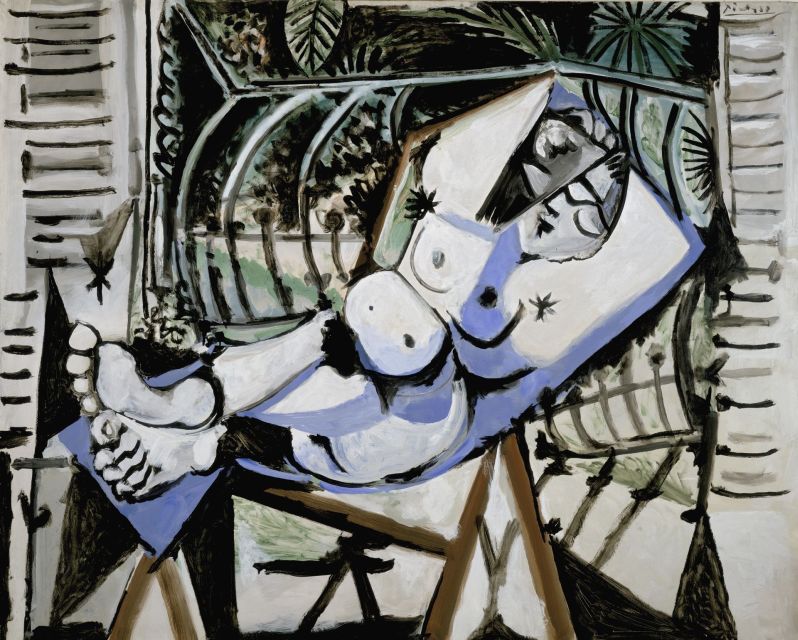
The Stedelijk building story is part of the experience. It first opened in 1895 on Museumplein. Then there was extensive renovation, plus expansion with a newer, more futuristic wing.
That combo matters because modern art can feel more natural in a building that isn’t pretending it’s still stuck in the past. Several reviews praised the museum’s layout and how well it’s organized, which is exactly what you want when you’re dealing with art that requires attention and sometimes re-looking.
The 2012 reopening with the new wing has been well received, and it shows in how visitors describe their experience: people mention good vibes in rooms and a layout that’s easy enough to navigate without panic.
Quick practical tip
A review noted the map can be a little confusing. So I’d do this: grab the museum map at the start and take a few minutes to orient yourself before you commit to a route. That little pause can save you from backtracking later.
How long to plan: building in time for real looking
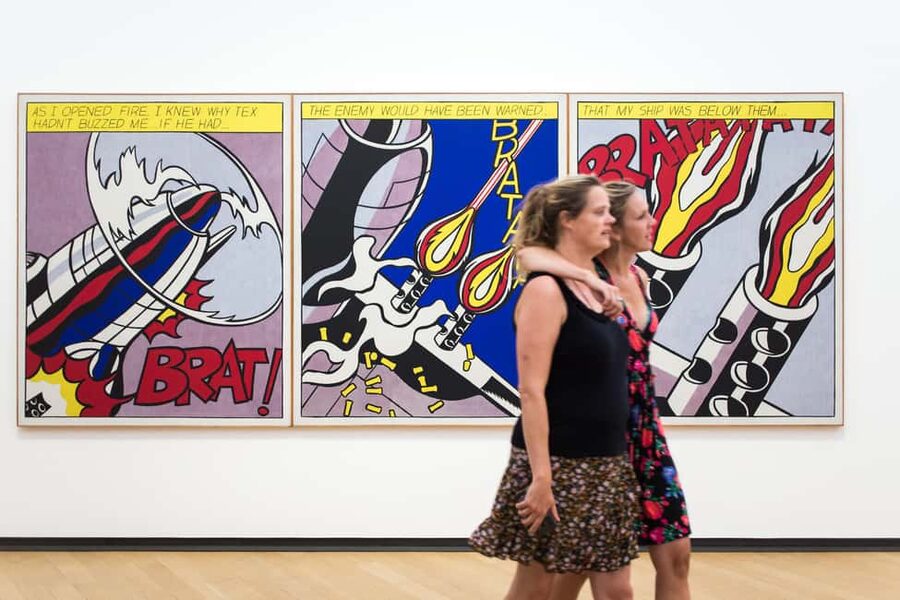
The activity is listed as 1 day, but “one day” is too vague for museums. In practice, you’ll likely want a half-day to full-day rhythm depending on your pace.
From review experiences:
- Someone spent about 4 hours with a lunch break.
- Another person spent roughly 3 hours inside.
So I’d plan 3–4 hours if you want to feel satisfied. If you go faster, you’ll still see a lot—but it becomes more like browsing than learning. If you go slower, you might drift into that wonderful trap where you keep finding one more room that’s worth the time.
Audio guide: the best way to connect (fast)
The audio guide is included and comes in Dutch and English. Multiple reviews praised it as helpful and complete. I’d treat it like a tool, not a soundtrack.
A solid way to use it:
- Choose a few key works and listen for the context.
- Don’t feel like you need to listen to every track.
- Let the audio help you notice what you might otherwise skip.
And again, bring headphones.
Lunch breaks and re-entry
One review says they were allowed to leave for lunch and return on the same ticket the same day. That’s not something I can guarantee from the core ticket description here, but it’s a useful clue. If you want a proper sit-down break, ask at the desk about same-day re-entry. It’s worth knowing before you step out.
The museum also has an attached restaurant/cafe. Pricing opinions were mixed: one person called a meal reasonably priced for a city museum setting (vegetable soup, a roll, and coffee), while another said the cafe is overpriced. Either way, it’s convenient—just don’t count on it being cheap.
Who this museum ticket suits best

This is a strong match if you:
- Like modern and contemporary art more than you like classic, museum-quiet vibes.
- Want design mixed into the art story, not treated as a side show.
- Enjoy a broad range of styles and eras inside one visit.
It may be less satisfying if you only like one narrow lane of art and hate experimentation. One review summed up the modern art emotion well—either you love it or you don’t. Stedelijk can still be worth it, though, because it includes a mix of major names and more accessible highlights.
For families, it can work too. One review mentioned their 11-year-old enjoyed the experience, especially with the audio tour helping them connect.
And if you’re doing the Amsterdam museum circuit, Stedelijk can be the “balance stop.” Rijksmuseum and Van Gogh give you big narratives in different ways. Stedelijk gives you modern ideas and design thinking.
Practical pairing: stacking Stedelijk with Rijksmuseum and Van Gogh

Because Stedelijk sits on Museumplein, you can build a plan that doesn’t waste time. You’re already in the right neighborhood, so you’re not spending your day on transit.
A smart pairing strategy:
- Pick one “classic” museum (Rijksmuseum or Van Gogh).
- Pair it with Stedelijk as the modern counterpoint.
- Leave flexibility in the afternoon if you’re waiting on your energy levels.
One review specifically highlighted combining Stedelijk with other exhibitions in the area and still feeling like the overall day made sense. The museum’s location makes it easy to adjust without scrambling.
Should you book this Stedelijk Museum entry ticket?
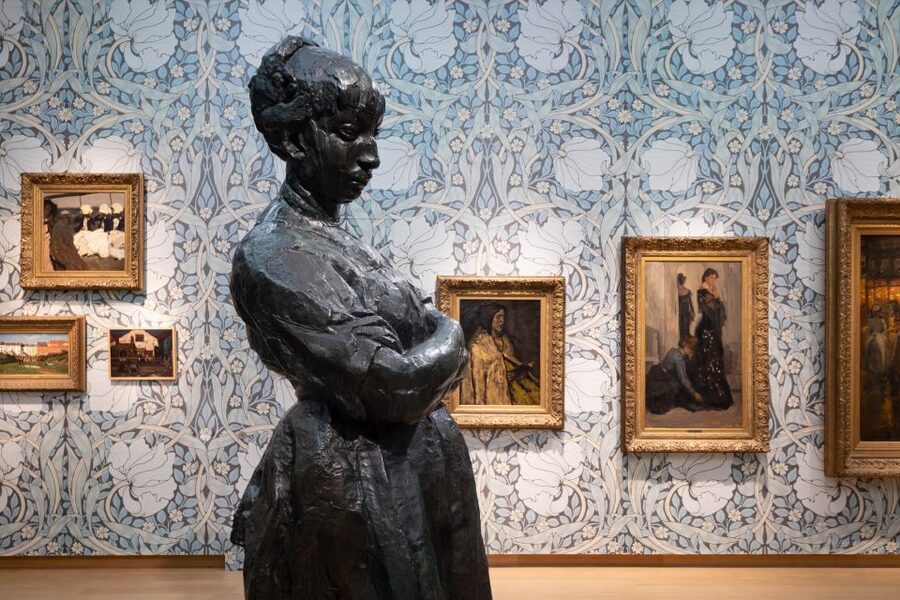
I’d book it if:
- You want modern art and design in one of the Netherlands’ best-known museums.
- You’ll actually use the audio guide and take time to look.
- You’re visiting during a window when the temporary shows you care about aren’t the Anselm Kiefer exception.
I’d hesitate if:
- You only want a single ultra-specific temporary exhibit and can’t verify whether it’s included for your exact dates.
- You know modern/contemporary art usually frustrates you. Stedelijk is still a good museum, but you may find yourself wanting the fast exit route.
If your goal is a meaningful, flexible museum day on Museumplein—without complicated planning—this ticket is good value. It’s built for easy entry, it includes the audio guide that helps you connect, and it gives you enough museum space to either slow down or move quickly depending on your mood.
FAQ
How much does the Stedelijk Museum Amsterdam ticket cost?
The price listed is $26 per person.
What’s included with the ticket?
The ticket includes mobile skip-the-line admission, an audio guide in Dutch and English, and entry to all temporary exhibitions except the Anselm Kiefer exhibition from March 7 till June 9, 2025.
Do I need to print my voucher to enter?
No. You can present your mobile voucher with the barcode displayed clearly for scanning.
How long should I plan for my visit?
The experience is listed as 1 day. Many visitors describe spending around 3–4 hours inside, especially if you take time for the audio guide.
What should I bring to use the audio guide?
The important item to bring is headphones.
Is the museum wheelchair accessible?
Yes, wheelchair accessibility is listed for this activity.